

The Evolution of the Apple Pie Bar
The concept of the apple pie bar emerged as a solution to the labor-intensive requirements of traditional pie preparation. While the classic American apple pie remains a cornerstone of domestic baking, it requires significant technical proficiency—specifically in the creation and manipulation of a flaky, chilled crust. By shifting the delivery format to a square baking pan, bakers have effectively reduced the preparation time while ensuring consistent results across multiple servings.
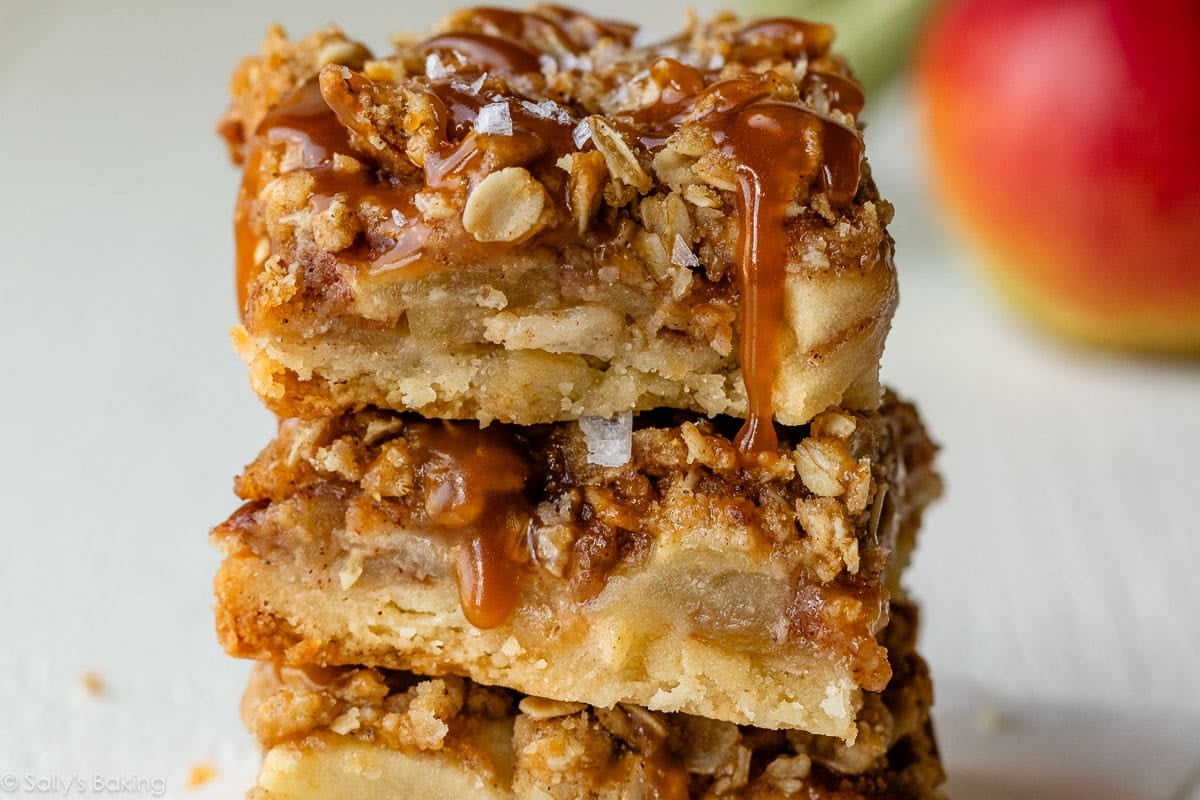
The recipe, which was initially introduced in 2014, has undergone several iterative updates based on consumer feedback and technical performance. Data collected from home bakers suggested that the original formulation required structural adjustments to better withstand the moisture content of the fruit filling. Consequently, the flour-to-fat ratio in the shortbread crust was increased, and baking parameters were modified to ensure the streusel topping maintained a crisp, distinct texture rather than dissolving into the filling.
Technical Components and Preparation Methodology
The construction of these bars relies on a three-tier architecture, each requiring distinct preparation protocols to ensure the final product meets commercial and domestic quality standards.
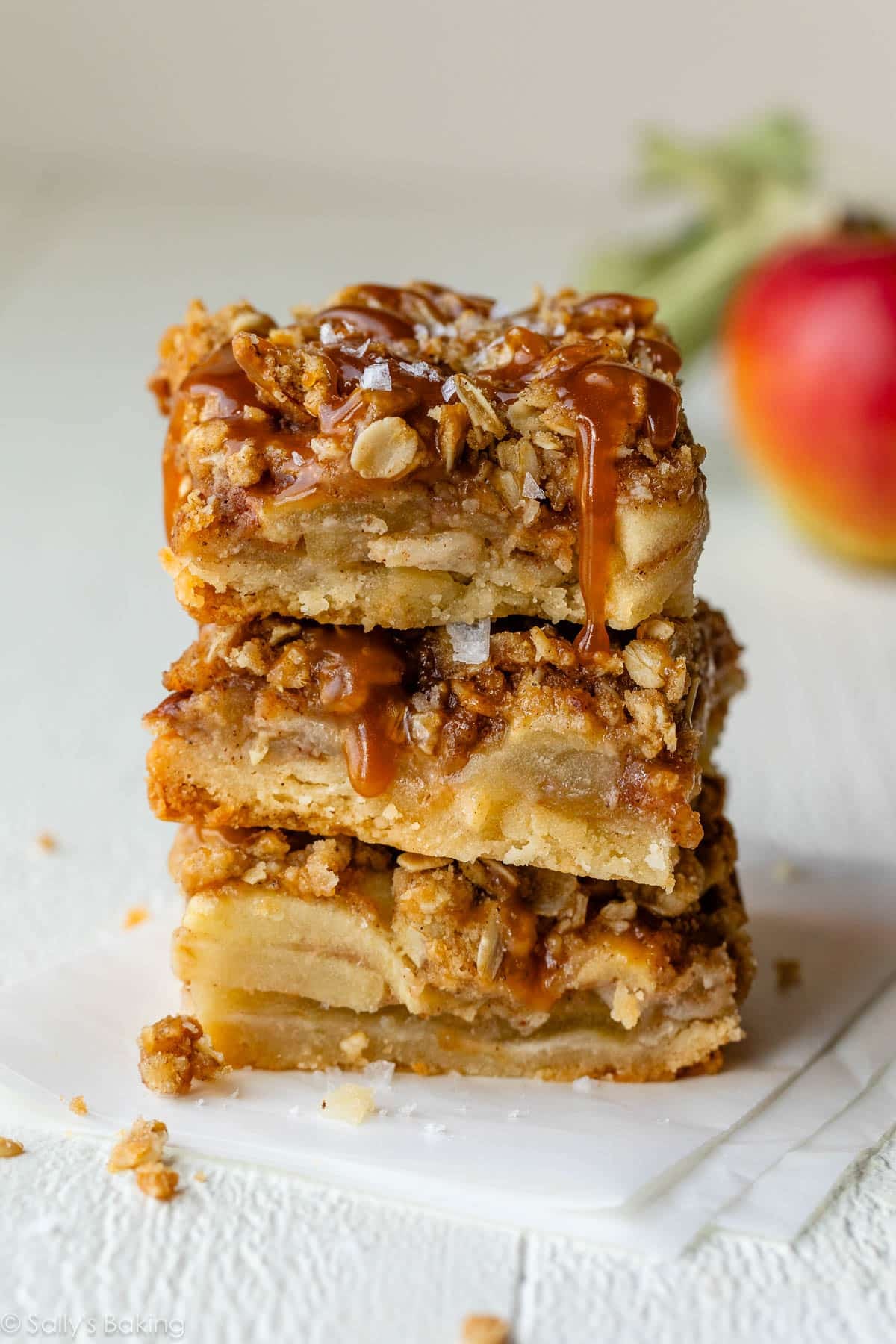
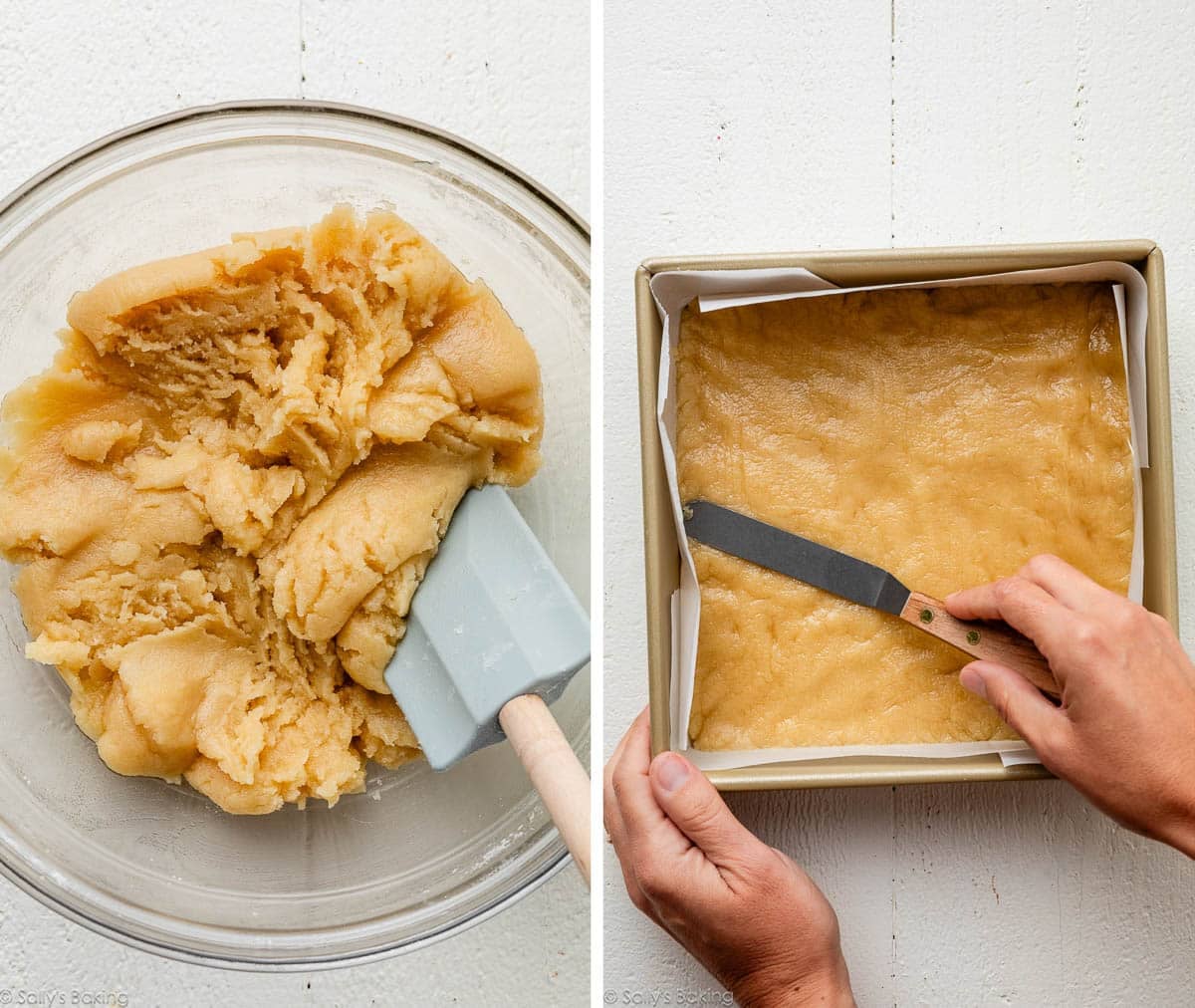
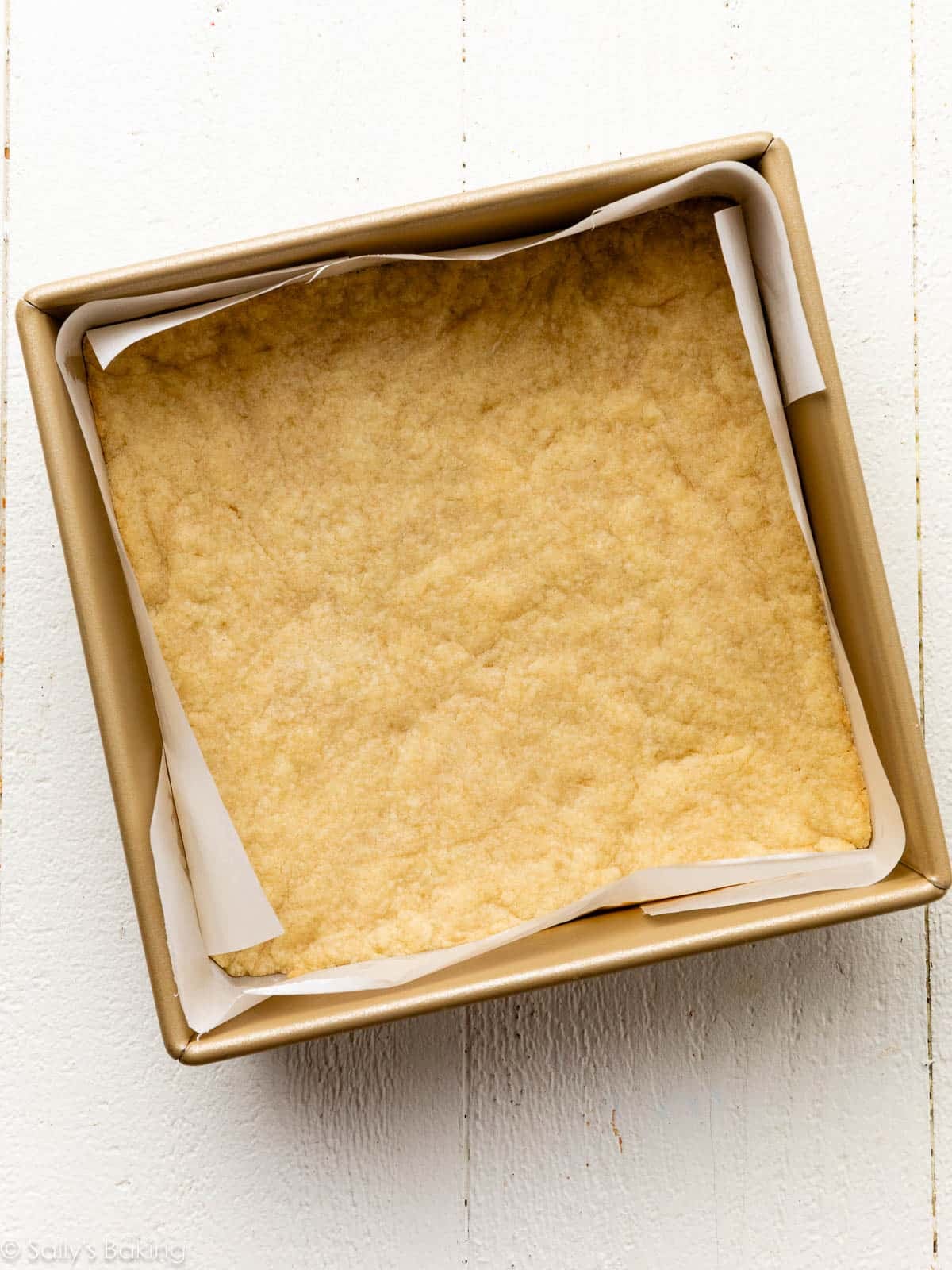
The foundation consists of a shortbread crust, which serves as a sturdy substrate for the fruit. Unlike traditional pie dough, which relies on the lamination of cold butter, this shortbread variant utilizes melted butter, allowing for a more uniform, dense, and manageable base.
The filling, composed of sliced apples—typically high-acid, high-firmness varieties such as Granny Smith, Honeycrisp, or Pink Lady—is treated with a mixture of sugar, cinnamon, and nutmeg. The selection of the apple variety is a critical variable in the baking process; the chosen cultivars must possess a specific pectin structure that prevents the fruit from liquefying during the extended bake times required for the bars.
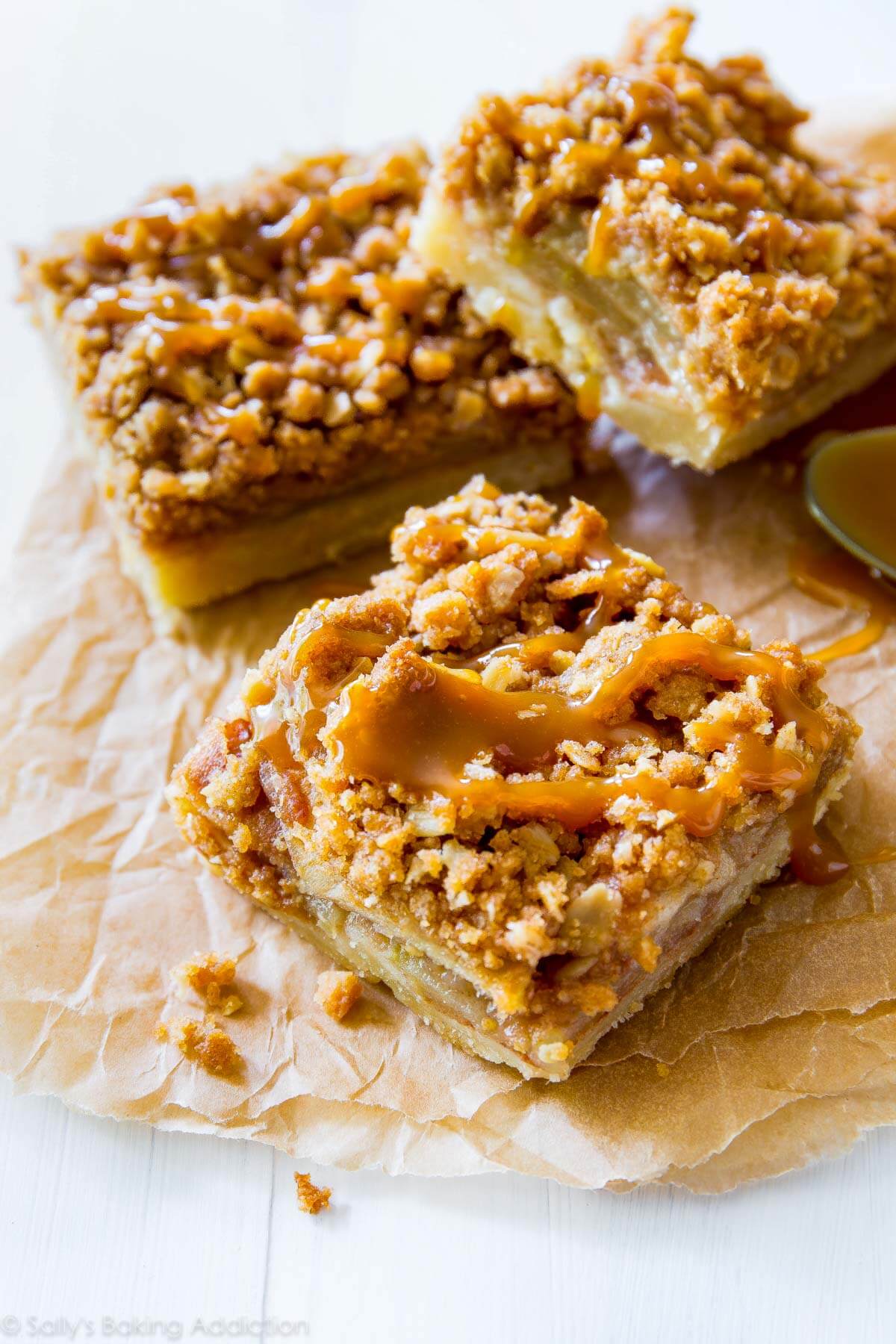
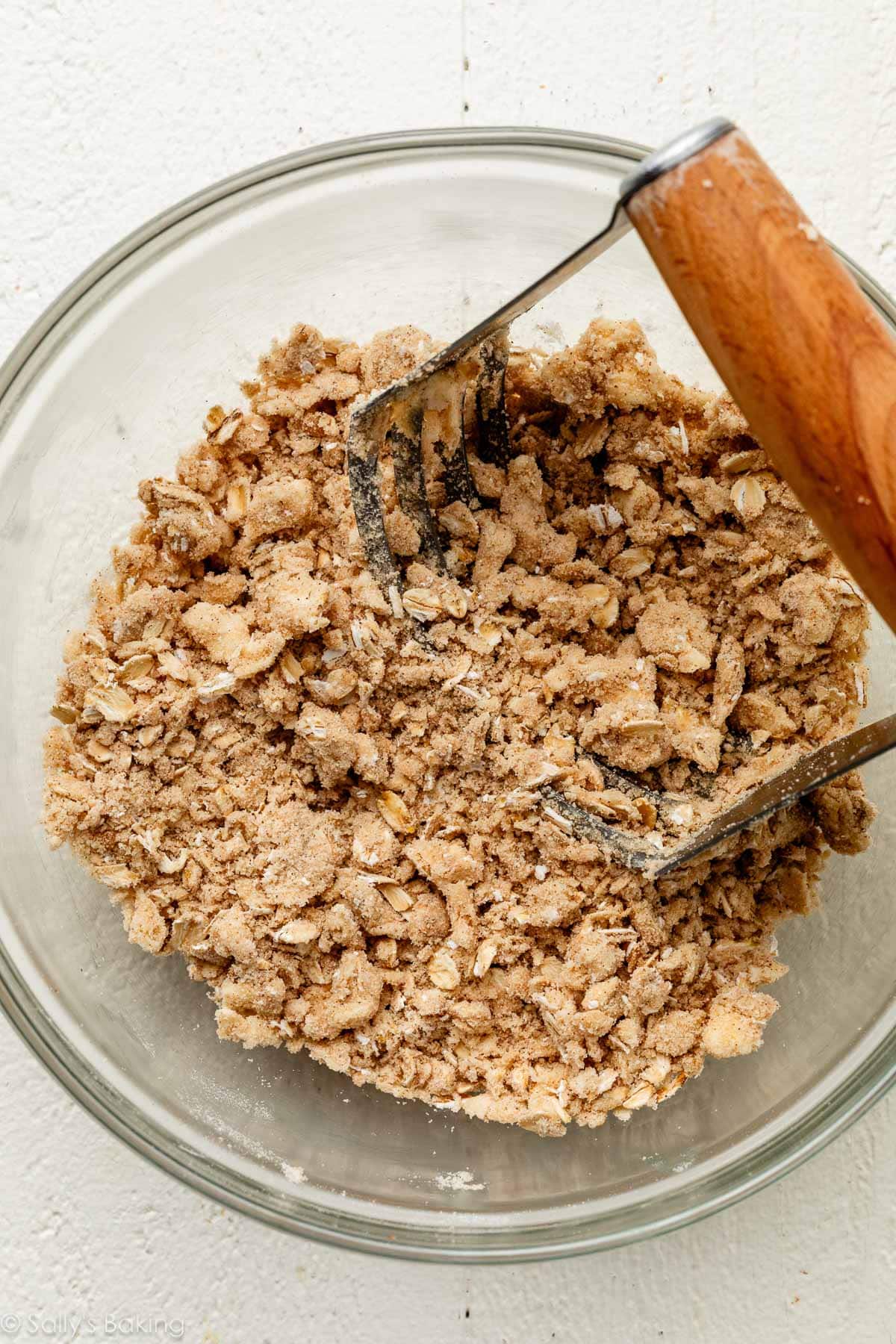
The final layer, the brown sugar and oat streusel, is essential for textural contrast. To achieve the optimal crumb, the butter must remain chilled throughout the preparation, a process that mirrors the cold-chain requirements of professional patisseries. Once assembled, the bars require a mandatory cooling and refrigeration period. This is not merely a convenience step but a functional requirement: the caramelization of the sugars and the stabilization of the starches occur during the cooling phase, which, if bypassed, leads to a loss of structural integrity when slicing.
Supporting Data and Baking Science
The shift toward "bar-style" pies reflects broader consumer trends in the baking industry, which favor efficiency and portion control. Market analysis of home-baking trends indicates a 15% increase in the popularity of "bar" or "slab" desserts since 2018. The convenience of these formats—specifically the ability to produce a larger volume of servings in a single 8-inch or 9-by-13-inch pan—aligns with the needs of modern households and event catering.
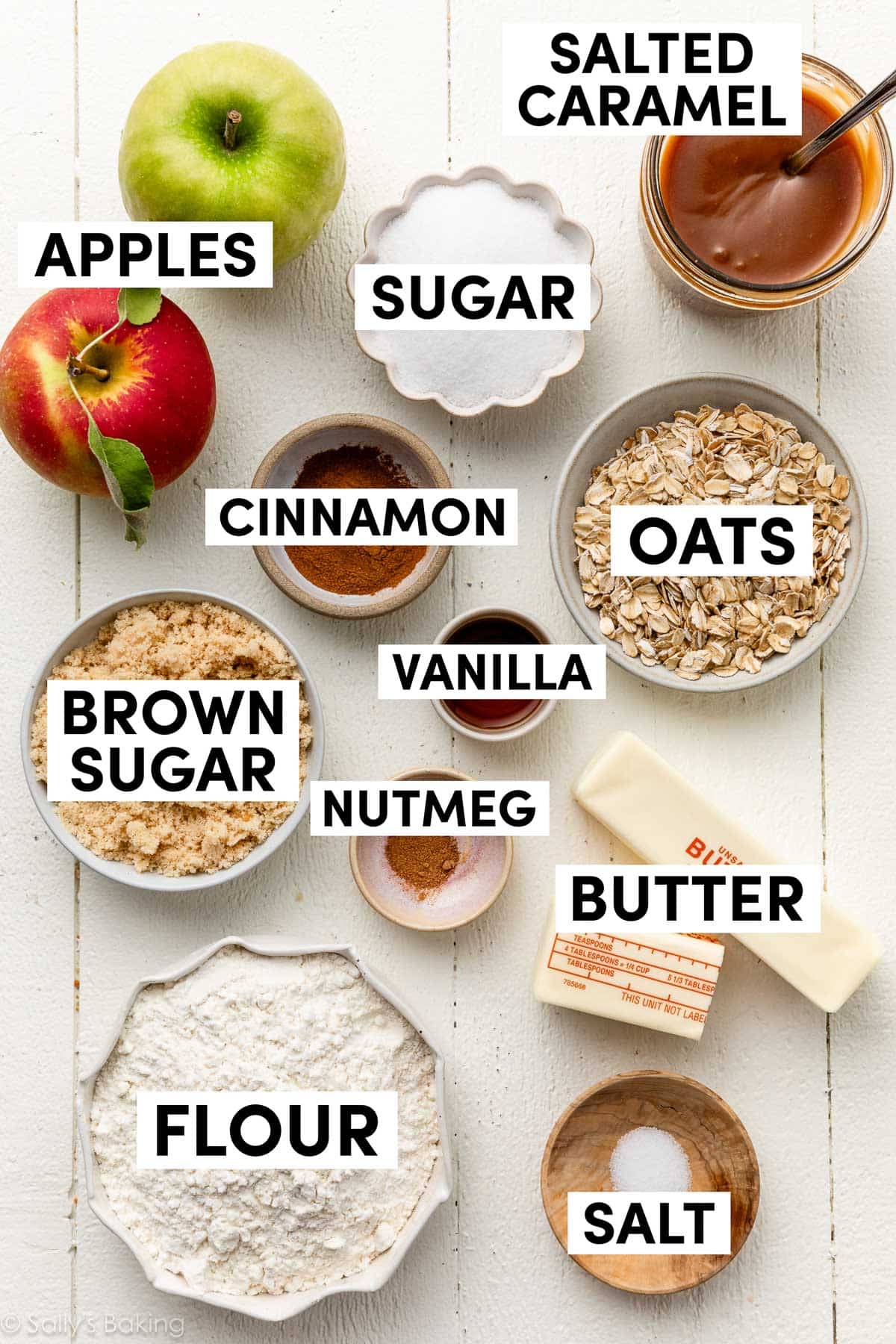
From a chemical perspective, the inclusion of salted caramel is more than a flavor preference; it serves as a functional balancing agent. The salinity of the caramel provides a counterpoint to the high sugar content of the fruit filling, stimulating the palate and preventing flavor fatigue. Furthermore, the use of parchment paper lining is an essential technical requirement, enabling the "lift-out" method that ensures the bars remain intact from the baking sheet to the service platter.
Scaling and Culinary Scalability
One of the primary benefits of this dessert format is its scalability. While the base recipe is optimized for an 8-inch square pan, the ratios are mathematically scalable for larger vessels, such as the 9-by-13-inch standard baking pan. However, scaling up requires a nonlinear adjustment in baking times. For a 9-by-13-inch batch, the initial pre-bake of the crust must be extended to approximately 18 minutes, with a total bake time for the final assembly ranging between 45 and 55 minutes. This ensures that the center of the larger pan reaches the required temperature to set the pectin in the apples without burning the peripheral edges of the crust.
Industry Perspectives on Homemade Staples
Professional bakers note that the resurgence of interest in classic desserts—reimagined through simplified methods—is a reaction to the complexity of traditional techniques. By stripping away the need for a delicate, rolled-out pie crust, bakers can focus on the quality of ingredients, such as the grade of butter and the provenance of the apples.
"The focus has shifted from the perfection of the crust-to-fruit ratio to the accessibility of the experience," says one culinary consultant. "Consumers are increasingly looking for recipes that offer high-level results with low-barrier entry requirements. The apple pie bar is the quintessential example of this transition."
Storage and Preservation
The structural stability of the apple pie bar extends to its shelf-life and suitability for preservation. The recipe allows for freezing for up to three months, provided the bars are wrapped airtight to prevent moisture migration. This capacity for long-term storage makes the dessert a reliable option for advance preparation, a significant advantage over traditional fruit pies, which often lose their crispness within 24 hours of baking.
Broader Implications for Home Baking
The popularity of these bars, alongside their variants (such as cherry, blueberry, and pumpkin), signals a departure from the "all-or-nothing" approach to baking. As time-constrained consumers seek out reliable, high-yield recipes, the format of the dessert bar provides a standard template that can be adapted to seasonal availability.
The inclusion of salted caramel as a defining feature also highlights the influence of contemporary flavor profiles on traditional American desserts. The combination of sweet and salty, once a niche trend, has become a standard expectation in high-end and home-baked goods alike, representing a permanent shift in flavor preference.
As home baking continues to evolve, the emphasis remains on the intersection of tradition and efficiency. The Salted Caramel Apple Pie Bar serves as a model for this evolution, demonstrating that the essential qualities of a traditional dish—the warmth of spiced fruit, the richness of butter, and the comfort of a baked treat—can be preserved even as the delivery method is modernized for the contemporary kitchen. Through careful attention to ingredient selection, precise temperature control for the streusel, and the strategic use of cooling times, bakers can achieve a consistent, professional-quality dessert that satisfies the demand for both nostalgia and convenience.
