
The Evolution of Seasonal Quick Breads
The quick bread category, historically defined by its reliance on chemical leavening agents like baking powder or soda rather than yeast, has seen a resurgence in popularity over the past decade. Culinary trends in the United States have shifted toward “hybridization,” where classic comfort foods are combined to offer multifaceted flavor profiles. Pumpkin bread, a staple of the North American autumn season, has traditionally focused on warm spices—cinnamon, nutmeg, cloves, and ginger—complemented by the dense, moist crumb characteristic of squash-based purees.

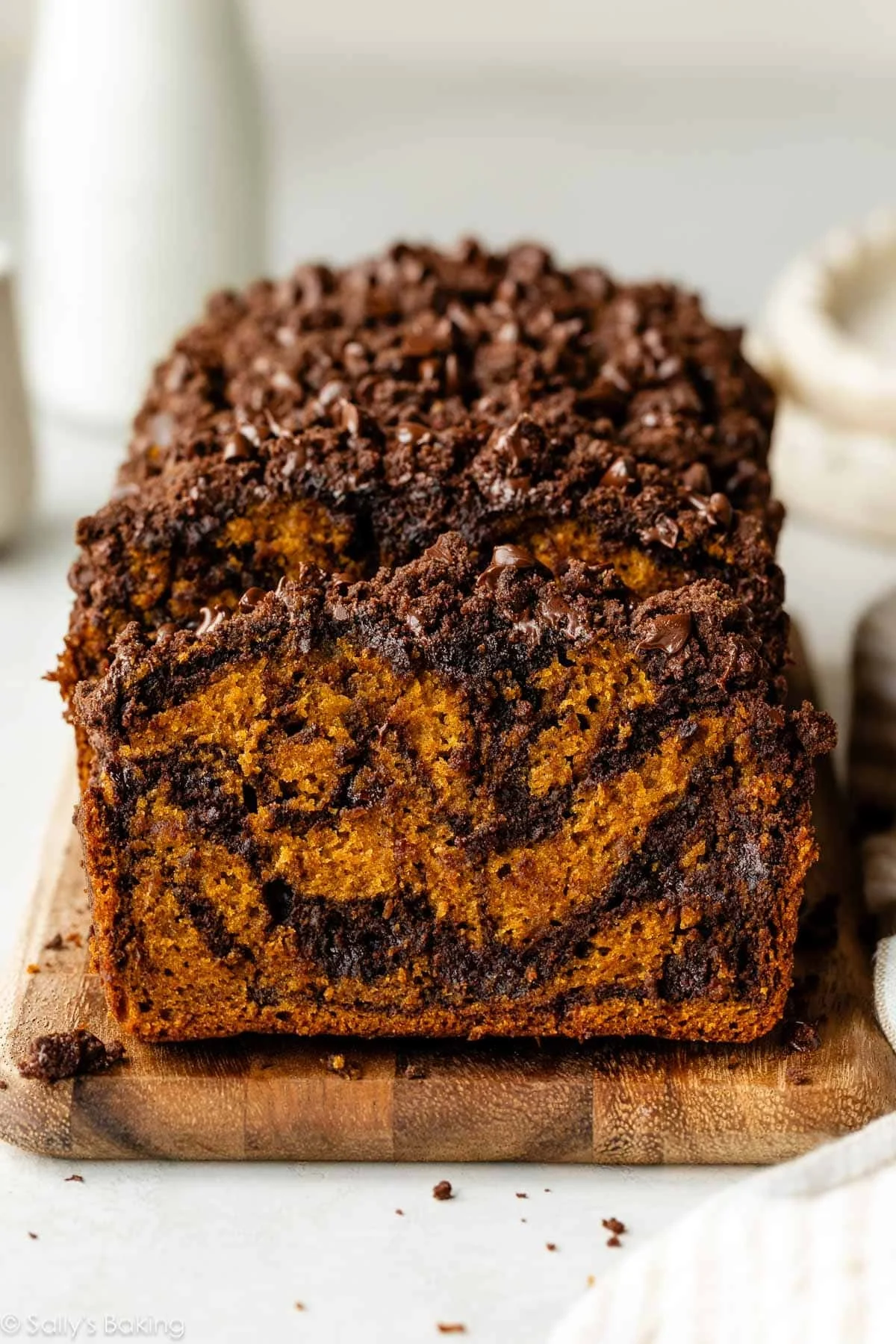
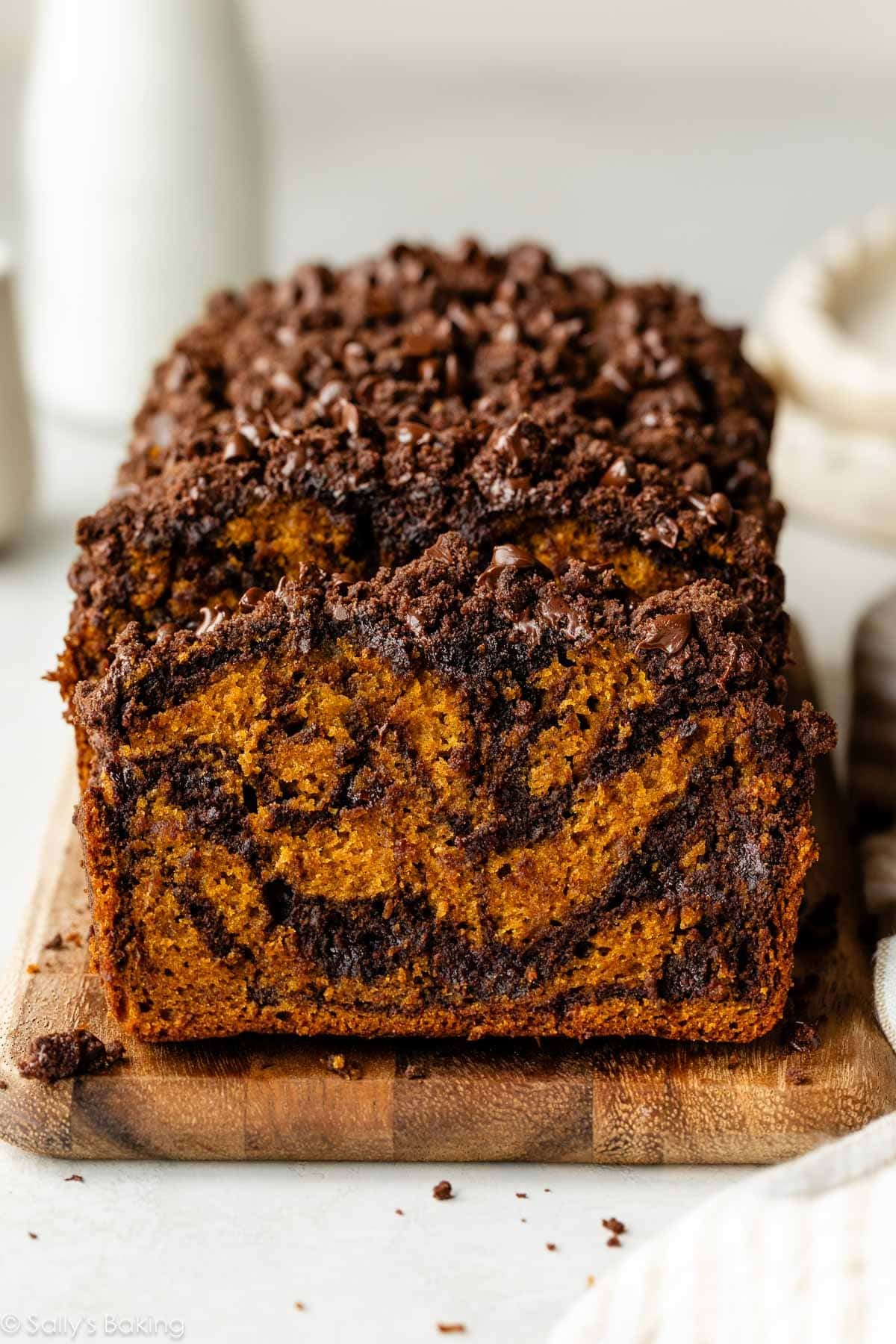
The introduction of chocolate into this traditional format addresses a growing consumer demand for complex, layered desserts. While pumpkin and chocolate were once viewed as distinct flavor profiles, their pairing has become increasingly common in high-end bakeries, leveraging the bitterness of dark cocoa to cut through the sweetness of spiced pumpkin. The addition of a crumbly chocolate streusel topping further elevates the product, shifting its classification from a simple tea bread to a premium loaf cake suitable for formal service.
Technical Composition and Culinary Methodology
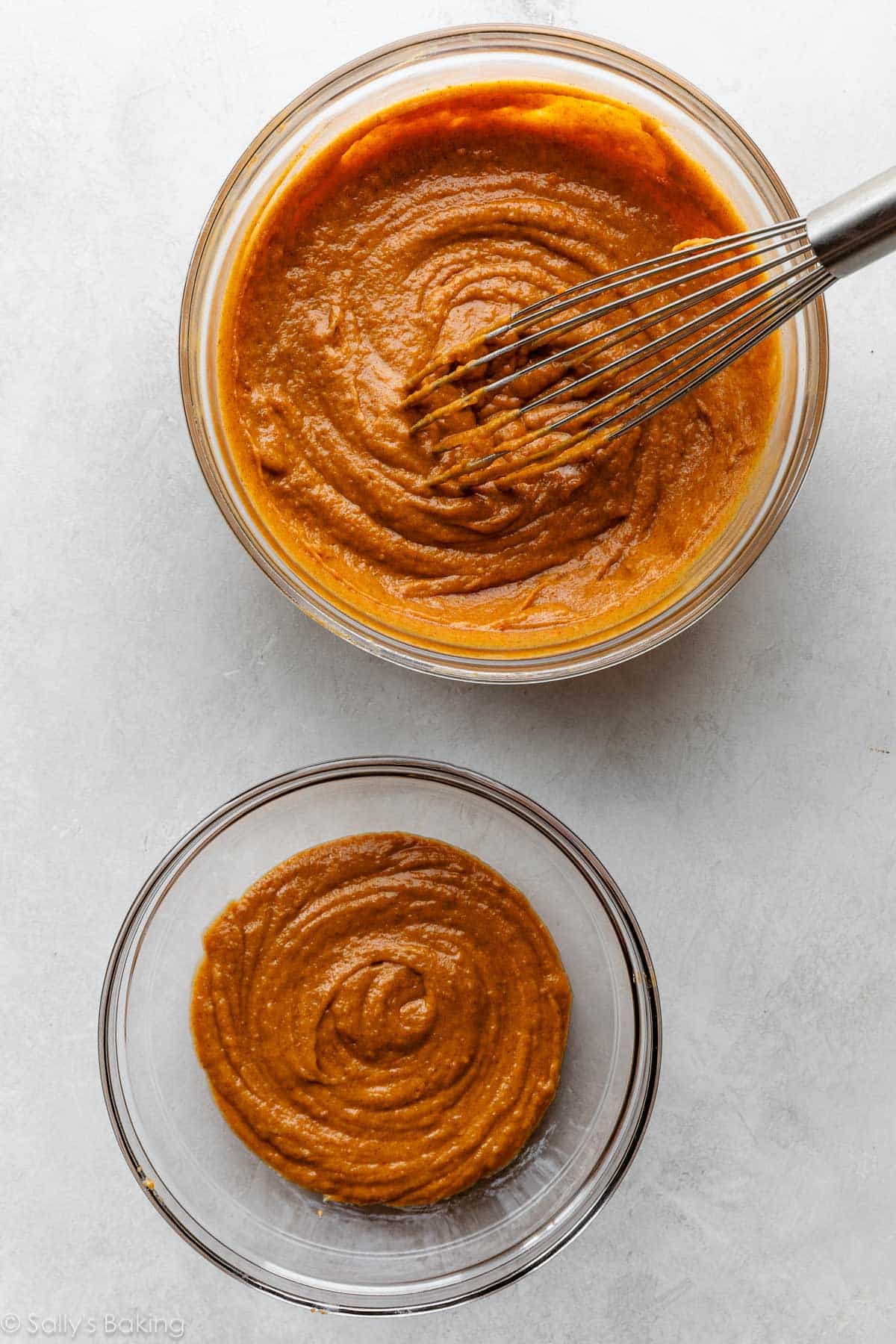
The production of this loaf relies on a single-base batter methodology, which streamlines the manufacturing process while ensuring structural integrity. By preparing a standard pumpkin batter and then partitioning it to incorporate cocoa powder and espresso—a "blooming" agent used to intensify chocolate notes—bakers can achieve a marbled effect without the necessity of preparing two entirely distinct recipes from scratch.
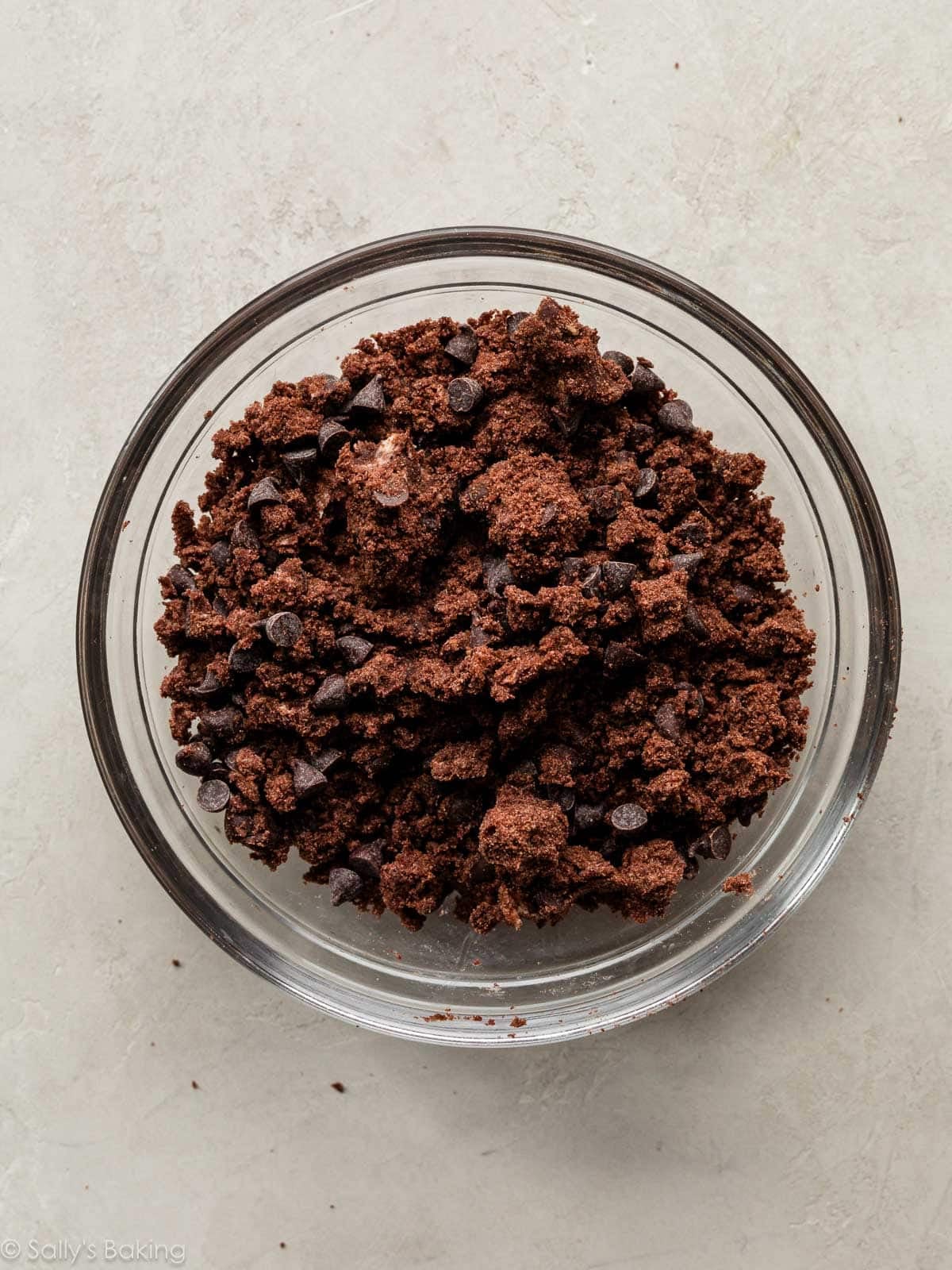
Technical success in this preparation depends on the precise management of ingredient temperatures and physical manipulation. The chocolate streusel, for instance, must be chilled to prevent premature melting, ensuring a distinct, crunchy texture remains after the lengthy oven cycle. Furthermore, the use of a "parchment sling"—a technique involving the strategic placement of parchment paper to allow for the vertical extraction of the loaf—is now considered best practice in professional and home kitchens to prevent the structural damage that often occurs when removing delicate, crumb-topped cakes from traditional metal pans.
Chronology of Preparation
The assembly process for a high-quality marble loaf follows a strict, time-sensitive sequence:

- Streusel Formulation: The process begins with the preparation of the chocolate crumb topping, which is refrigerated or frozen to maintain a solid state before baking.
- Batter Synthesis: A unified pumpkin-based batter is mixed. A portion (approximately 280 grams) is then removed to a separate vessel.
- Flavor Differentiation: Cocoa and espresso powders are introduced to the secondary batter along with warm milk, which serves as a catalyst to dissolve the dry powders and maintain the batter’s viscosity.
- Integration: The two batters are layered into a prepared loaf pan in alternating dollops. A thin implement, such as a knife or offset spatula, is used to execute a figure-eight swirling motion to create the marble effect.
- Thermal Processing: The loaf is baked at a temperature designed to facilitate a slow rise, with a mid-bake adjustment—the application of an aluminum foil tent—used to protect the streusel from excessive browning.
Analytical Data and Flavor Profiles
Data from contemporary consumer taste tests suggest that the success of this recipe lies in the contrast of textures. The soft, moist crumb of the pumpkin base—achieved through the hygroscopic properties of pumpkin puree—acts as a counterpoint to the crunchy, high-fat content of the chocolate streusel.
From a nutritional and chemical standpoint, the inclusion of espresso powder is a significant detail. The espresso does not impart a dominant coffee flavor; rather, it acts as a flavor enhancer that triggers the palate to perceive the chocolate as more intense. This is a common technique in commercial baking, similar to the addition of salt to caramel or vanilla to chocolate. The use of mini chocolate chips throughout the chocolate batter provides "pockets" of concentrated flavor, ensuring that every slice of the finished product maintains a consistent distribution of both flavor profiles.
Market Impact and Consumer Reception
Culinary experts and food historians note that the "marble" aesthetic—once synonymous with 1970s-era pound cakes—has seen a resurgence due to the visual appeal it offers for digital media and social sharing. The visual contrast between the bright orange of the pumpkin and the dark, rich brown of the chocolate provides an immediate aesthetic appeal that is highly valued in the modern digital culinary space.
Furthermore, the shift toward "loaf cake" status has implications for the commercial viability of such recipes. By adding a streusel, the bread moves from a casual, breakfast-only item to a dessert-appropriate offering. This versatility makes the recipe an efficient choice for professional kitchens looking to maximize inventory, as it utilizes seasonal produce (pumpkin) combined with pantry staples (cocoa, flour, sugar).
Professional Recommendations for Consistent Results
For those attempting this preparation, consistency is paramount. Experts advise the following:
- Scale Usage: Relying on weight (grams) rather than volume (cups) is essential for maintaining the delicate balance of the batter. A slight variation in the amount of pumpkin puree can significantly alter the moisture content, leading to a sunken center or an under-baked interior.
- Thermal Control: The "blooming" of the cocoa powder in warm milk is not optional; failure to do so can lead to gritty, unintegrated cocoa particles that negatively impact the texture.
- Post-Baking Protocol: The cooling phase is perhaps the most critical. Allowing the bread to reach room temperature while still in the pan ensures the structure sets completely, preventing the loaf from crumbling during the slicing process. A serrated blade is strictly recommended to navigate the dense, crumb-topped crust without compressing the delicate interior.
Conclusion: A Staple for the Modern Kitchen
The Chocolate Marble Pumpkin Bread represents a successful synthesis of seasonal tradition and contemporary dessert standards. By standardizing the creation of two distinct batters from a single base and focusing on the tactile experience of the streusel topping, this recipe serves as a benchmark for home bakers seeking to balance aesthetic complexity with practical, efficient methodology. As seasonal baking continues to evolve, the integration of distinct, high-impact flavors like chocolate and pumpkin will likely remain a central pillar of autumn culinary culture, reflecting a broader movement toward sophisticated, home-prepared comfort foods that offer both visual and sensory satisfaction.
