
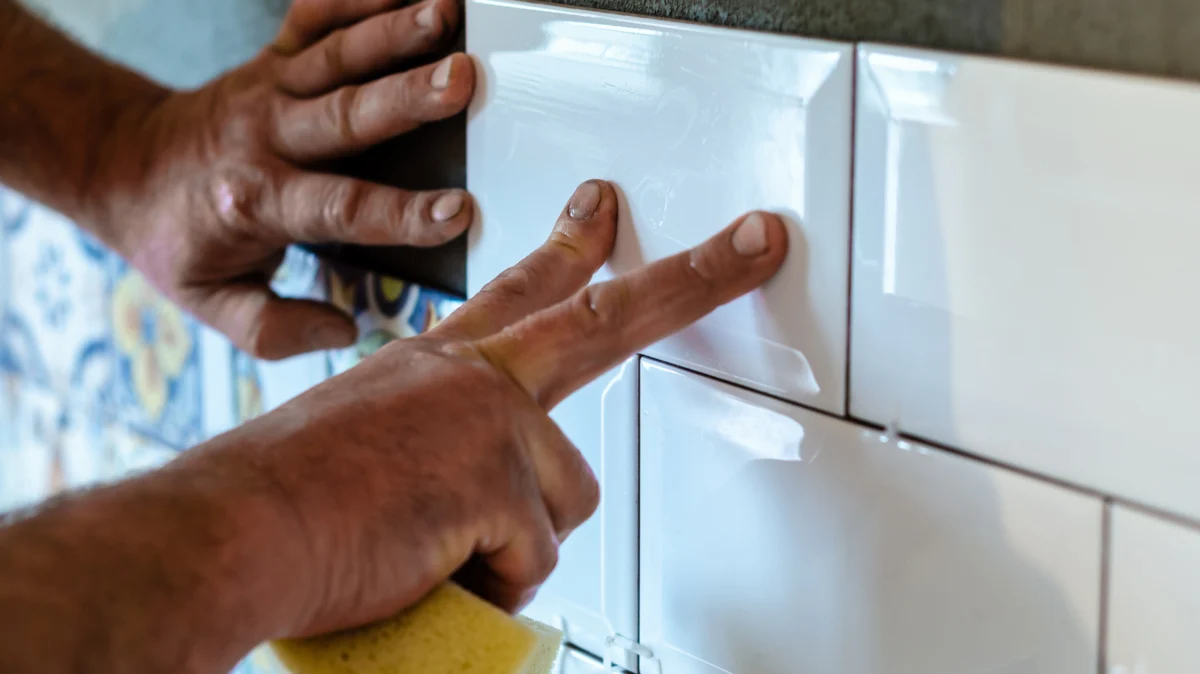
The traditional process of installing a kitchen backsplash has long been considered a labor-intensive rite of passage for homeowners, often requiring specialized tools, messy mortar applications, and significant patience. For decades, the standard procedure involved preparing wall surfaces, applying thinset mortar with a notched trowel, setting individual tiles, and waiting for the substrate to cure before grout could be applied. This multi-day process frequently led to professional installation quotes reaching into the thousands of dollars. However, recent trends in home improvement social media have brought a shift in methodology, with DIY enthusiasts increasingly turning to double-sided adhesive tiling mats to streamline the renovation process.
One such project, documented by creator Leyla Chong on Instagram, has gained significant traction for demonstrating how a peel-and-stick adhesive membrane, specifically the product MusselBound, can replace traditional mortar. By eliminating the drying time associated with thinset and reducing the structural mess inherent in tile work, these mats have emerged as a viable alternative for residential kitchen upgrades.
The Evolution of Tile Installation Technology
The construction industry has seen a gradual transition toward "dry" installation methods for interior finishes. Traditionally, the primary method of securing ceramic, porcelain, or natural stone tiles involved the use of Portland cement-based mortars. While durable, these materials require specific environmental conditions to cure properly and carry the risk of "lippage"—where tiles shift while the mortar is still wet.
Adhesive tiling mats, such as those popularized by the brand MusselBound, function as a high-strength, double-sided pressure-sensitive adhesive. The technology consists of a base layer that adheres to the substrate—such as drywall, painted surfaces, or existing tile—and a top layer protected by a peel-away film. Once the film is removed, the tile is pressed firmly onto the surface, creating an immediate, high-bond connection. This innovation effectively converts a chemical-curing process into a mechanical pressure-setting process, significantly reducing the labor hours required for a standard backsplash project.
Chronology of a DIY Transformation
The implementation of these adhesive systems follows a distinct, simplified timeline compared to conventional methods. In the case of Chong’s renovation, the process began with the cleaning and preparation of the wall surface. Because adhesive mats require a clean, dry, and level substrate to ensure long-term integrity, the initial prep work remains a critical step in the sequence.
Once the surface was prepared, the installation followed this approximate timeline:
- Surface Measurement and Preparation: The wall area is measured, and the adhesive mat is cut to size using standard utility blades.
- Adhesive Application: The wall-facing liner is removed, and the mat is applied directly to the wall. Professionals recommend using a float or putty knife to press the mat down, ensuring no air bubbles are trapped beneath the surface.
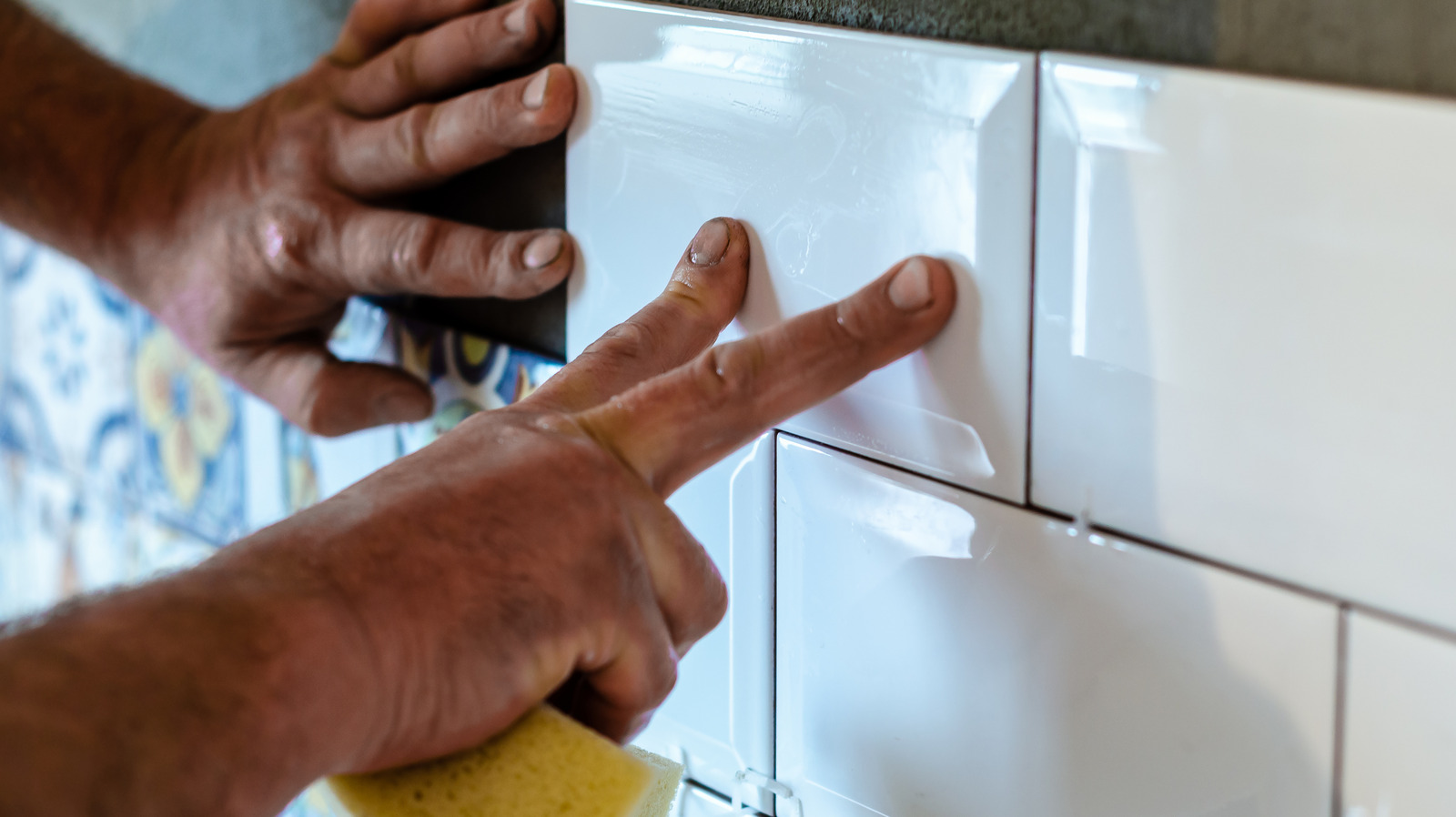
- Tile Setting: The tile-facing liner is removed. Tiles are positioned manually. Because the adhesive does not set until pressure is applied, installers have the luxury of adjusting the tile alignment before the final bond is locked in.
- Grouting: Once the tiles are set, the grouting process can commence almost immediately. In traditional installations, manufacturers often require a 24-hour curing period for mortar before the weight of the grout can be added. With adhesive mats, this waiting period is largely eliminated, allowing for project completion in a single day.
Data and Performance Analysis
The popularity of adhesive mats is backed by anecdotal data from long-term users. On various digital platforms, including TikTok and YouTube, users have reported successes ranging from short-term aesthetic refreshes to multi-year durability. One notable report from a long-term user indicated that their adhesive-backed backsplash had remained secure for over a decade, providing evidence that the bond is sufficient for the vertical loads of standard wall tiles.
From an economic perspective, the shift is significant. Professional installation costs typically factor in labor, materials, and multiple site visits—one for prep and setting, and a return visit for grouting. By consolidating these steps, homeowners who utilize adhesive mats can effectively eliminate the "labor" component of the quote. With retail prices for these mats often falling under $40 for a standard roll, the barrier to entry for home improvements is lowered substantially, democratizing access to high-end aesthetic finishes like marble or subway tile.
Expert Considerations and Best Practices
While the method is widely praised for its simplicity, industry experts emphasize that adhesive mats are not a universal solution. The primary limitation of these products is their reliance on the integrity of the substrate. If the adhesive is applied to loose paint or dusty drywall, the weight of the tile may eventually cause the entire section to peel away. Furthermore, while the adhesive is water-resistant, it is generally not recommended for high-moisture environments like shower enclosures or areas subject to constant water immersion.
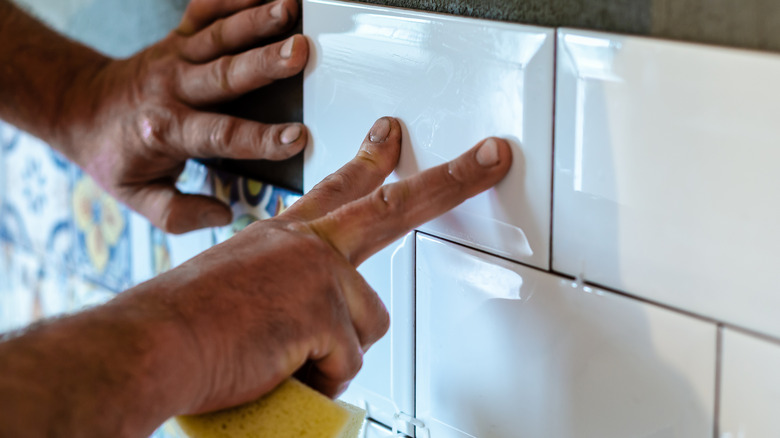
A recurring tip from experienced DIYers involves the use of a grout float during the application of the mat itself. The adhesive is known for being extremely aggressive; once a tile touches the mat, it is difficult to reposition without damaging the adhesive backing. Using a flat tool to smooth the mat against the wall ensures a uniform surface, which prevents "shadowing" or uneven tile depths once the project is complete.
Regarding the timing of the grout application, while manufacturers often suggest that grouting can be done immediately, some contractors advise a more conservative approach. Waiting 12 to 24 hours after setting the tiles allows for any minor settling to occur, ensuring that the grout lines remain crisp and that no tiles have shifted during the initial phase of the adhesive cure.
Broader Implications for the Home Renovation Market
The rise of user-friendly tiling solutions reflects a broader trend in the home improvement sector: the "DIY-ification" of formerly trade-exclusive skills. As information becomes more accessible through video tutorials and social media, homeowners are increasingly comfortable taking on complex tasks that were once reserved for licensed professionals.
This trend has several implications for the market:
- Cost Efficiency: As DIYers realize the ease of these materials, demand for professional labor for simple, small-scale backsplashes may fluctuate, forcing professionals to focus on higher-complexity, high-value projects.
- Product Innovation: The success of adhesive mats is likely to spur further development in "dry" construction materials, with manufacturers looking for ways to create more robust, user-friendly alternatives to traditional mortar and adhesive products.
- Waste Reduction: By allowing for precise, smaller-scale applications, these products can lead to less material waste compared to large bags of mortar that may expire or go unused after a single project.
Ultimately, the shift toward adhesive tile mats demonstrates that the barrier to a professional-looking kitchen is often more psychological than physical. By removing the fear of failure associated with complex, multi-stage processes like mortar-based tiling, homeowners are empowered to undertake renovations that enhance the value and aesthetic appeal of their living spaces with minimal risk and significantly reduced expenditure. While professional oversight remains advisable for large-scale structural renovations, the success of solutions like the MusselBound mat serves as a clear indicator that the future of home improvement is increasingly efficient, accessible, and digital-first.
