
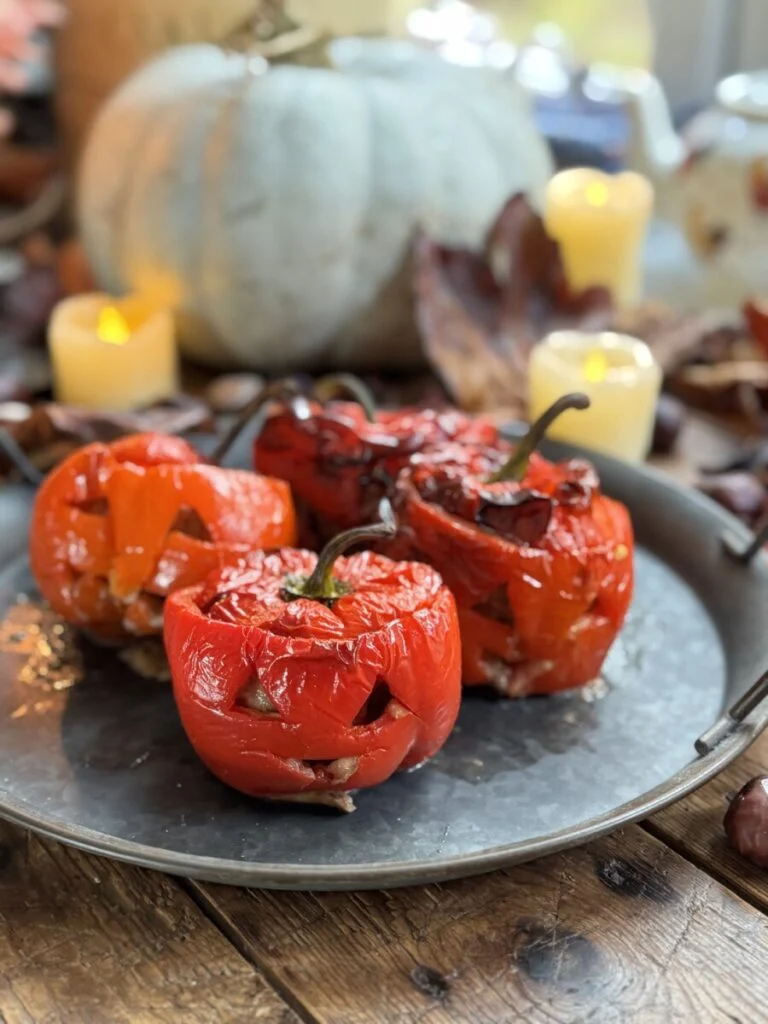
As the autumnal equinox fades into memory and the nights draw in, the period between October 31 and early November marks a significant intersection of historical, cultural, and culinary traditions. Known in Celtic heritage as Samhain, this window of time—often associated with the thinning of the veil between the living and the dead—has evolved into a multifaceted season encompassing All Hallows’ Eve, All Souls’ Day, and the British tradition of Bonfire Night. Beyond the modern commercialization of Halloween, this season represents a deep-rooted agricultural and spiritual milestone that continues to shape contemporary food culture.

Historical Context and the Evolution of Samhain
Samhain, originating from ancient Gaelic traditions, served as the marker for the end of the harvest season and the beginning of the "darker half" of the year. Historically, the transition was critical for survival; livestock were brought in from summer pastures, and food stores were inventoried for the winter months ahead.

The spiritual significance of this period is rooted in the belief that the boundary between the physical and spiritual realms became permeable. Traditional practices, such as the lighting of communal bonfires, were intended both to provide protection against malevolent spirits and to act as beacons for the souls of ancestors returning home. Over centuries, these pagan customs merged with Christian observances, notably All Saints’ Day (November 1) and All Souls’ Day (November 2), creating a complex tapestry of rituals that persists today.

The Chronology of Tradition
The transition from late October to early November follows a distinct seasonal timeline:

- October 31 (Samhain/All Hallows’ Eve): Traditionally the start of the Celtic New Year. Customs involved offerings of food, the lighting of fires, and the wearing of masks to confuse or appease spirits.
- November 1 (All Saints’ Day): Established by the Western Church to honor all saints.
- November 2 (All Souls’ Day): A day dedicated to the commemoration of the faithful departed. It is during this time that the tradition of "souling"—the precursor to modern trick-or-treating—gained prominence, with the poor visiting households to pray for the dead in exchange for "soul cakes."
- November 5 (Bonfire Night/Guy Fawkes Night): A later addition to the calendar, focusing on the historical plot to blow up the Houses of Parliament in 1605, which solidified the cultural reliance on fire and light during the onset of winter.
Culinary Heritage: From Turnips to Pumpkins
While modern households predominantly utilize pumpkins for decorative lanterns, the historical standard in the British Isles was the turnip. The transition to the pumpkin, a North American import, occurred largely due to the vegetable’s larger size and relative ease of carving. However, culinary historians note that the shift in produce has not diminished the demand for traditional seasonal ingredients.

The current market shows a sustained interest in "heirloom" autumn foods. Ingredients such as oats, molasses, apples, and root vegetables remain staples of the season. For example, Yorkshire Parkin—a spiced cake made from oatmeal and black treacle—is intrinsically linked to the bonfire celebrations of Northern England, providing high-energy sustenance during the cooling temperatures of early November.

Supporting Data and Seasonal Consumption
Retail data indicates that the last week of October represents one of the highest periods for squash and pumpkin sales annually. According to agricultural reports, the UK produces approximately 15,000 to 20,000 tonnes of pumpkins specifically for the Halloween market. However, there is a growing movement toward the "nose-to-tail" consumption of these gourds, with food safety and sustainability organizations urging consumers to use the flesh of pumpkins in soups, breads, and muffins rather than discarding them as waste.

Furthermore, the popularity of traditional recipes, such as "Mash O’ Nine Sorts," reflects a broader trend toward historical preservation in home cooking. This dish, a traditional mashed potato preparation involving nine distinct ingredients, was historically served to unmarried guests with a ring hidden within the mixture. Such customs, while often relegated to folklore, demonstrate the historical role of food as a communal and divinatory tool.

Cultural and Social Implications
The observation of these ancient traditions in a modern context highlights a societal shift toward "cozy" or "comfort" food culture. As economic and environmental pressures mount, there is a measurable increase in home-centered activities during the final quarter of the year. Culinary experts suggest that the preparation of traditional, labor-intensive foods like suet puddings, sourdough bread, and complex stews serves as a psychological anchor during a time of year characterized by diminishing daylight.

The practice of "souling" and the preparation of "soul cakes" also serve as a reminder of the philanthropic origins of these holidays. Modern iterations of these acts, such as food bank drives during the autumn harvest season, mirror the ancient practice of providing for the vulnerable during the onset of winter.

Expert Perspectives on Seasonal Foodways
Cultural anthropologists argue that the survival of these recipes—such as treacle-based cakes, sausage plaits, and oxtail stews—is not merely about nostalgia. These foods are scientifically dense in calories, which was essential for survival in pre-industrial societies. Today, while the caloric necessity has decreased, the emotional resonance remains high.

"The persistence of these recipes is a form of cultural continuity," notes a spokesperson for regional food heritage associations. "When we bake a parkin or prepare a seasonal root vegetable stew, we are participating in a multi-generational ritual that predates the modern calendar. These foods are a link to an agricultural past that understood the cycle of the seasons in a way that is often lost in our current, hyper-convenient food system."

Future Outlook and Sustainability
As public awareness regarding food waste grows, the traditional ways of observing Samhain and All Hallows’ Eve are being re-evaluated through the lens of sustainability. The emphasis is shifting from the decorative use of food to the nutritional utilization of seasonal produce. Organizations are increasingly promoting the use of locally sourced turnips, parsnips, and apples as alternatives to imported produce, aligning the celebration of these ancient dates with modern ecological goals.

Furthermore, the integration of global influences into the traditional British autumn menu—such as the incorporation of chocolate into savory pumpkin chili or the use of sourdough in traditional bread puddings—suggests that these customs are not static. They are evolving, allowing for the preservation of historical core elements while accommodating contemporary culinary preferences.

As the season progresses, the interplay between the ancient and the modern remains clear. Whether through the lighting of a lantern, the baking of a cake, or the gathering of family around a seasonal meal, the rituals of Samhain continue to provide a framework for navigating the transition from autumn to winter. These practices serve as a reminder of the enduring nature of human tradition and the importance of marking the passage of time through shared, intentional experience.
