
The Rise of Pressure Cooker Gastronomy
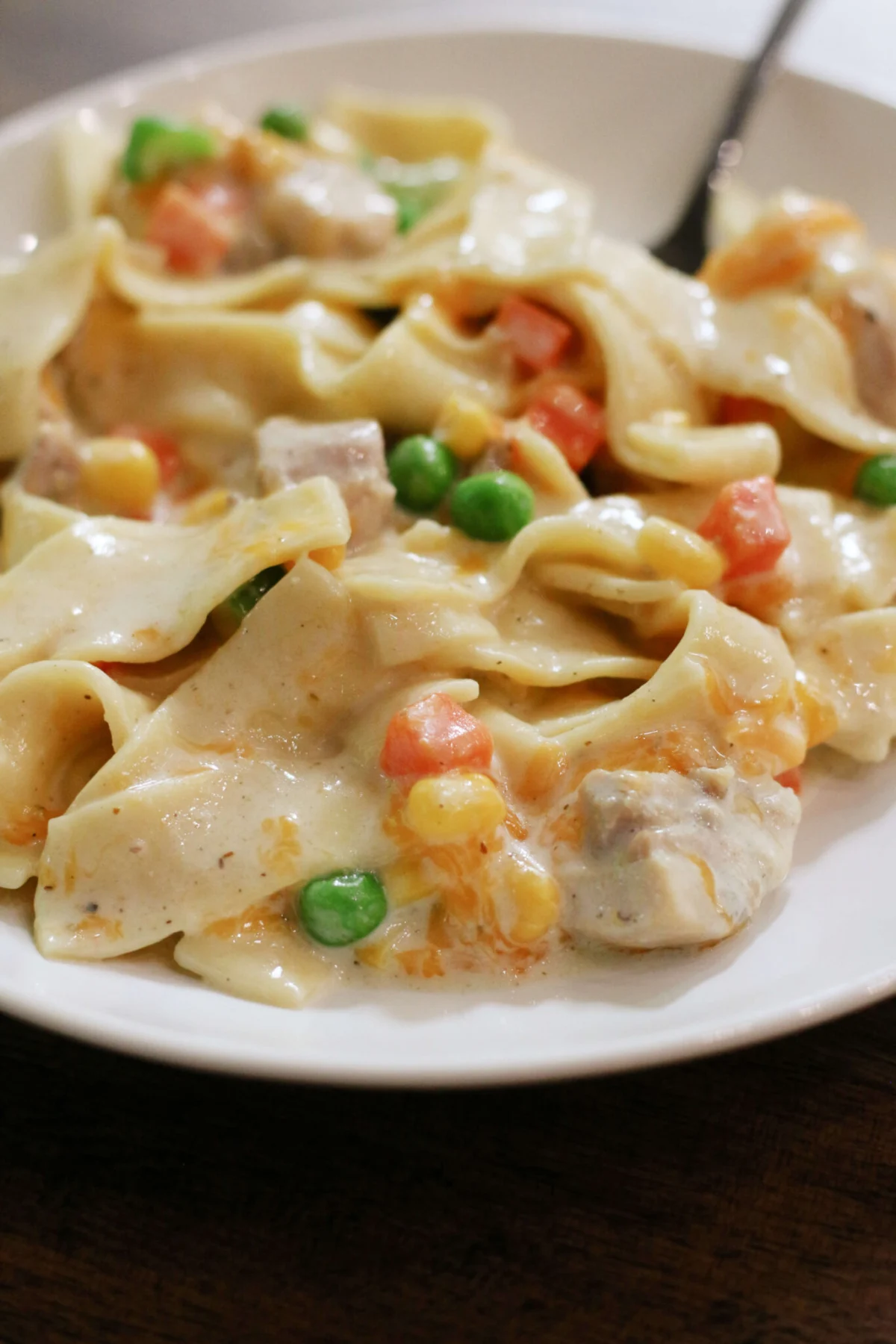
The adoption of the Instant Pot into the American kitchen has fundamentally altered the preparation of staple weeknight meals. According to industry data on kitchen appliance sales, multi-cookers have seen a steady increase in household penetration over the last decade. This shift is largely attributed to the device’s ability to perform the roles of a slow cooker, pressure cooker, and steamer in a single unit. The Crazy Amazingly Good Casserole utilizes these specific functionalities to achieve a texture that mimics a slow-cooked meal in less than twenty minutes of active pressure time.
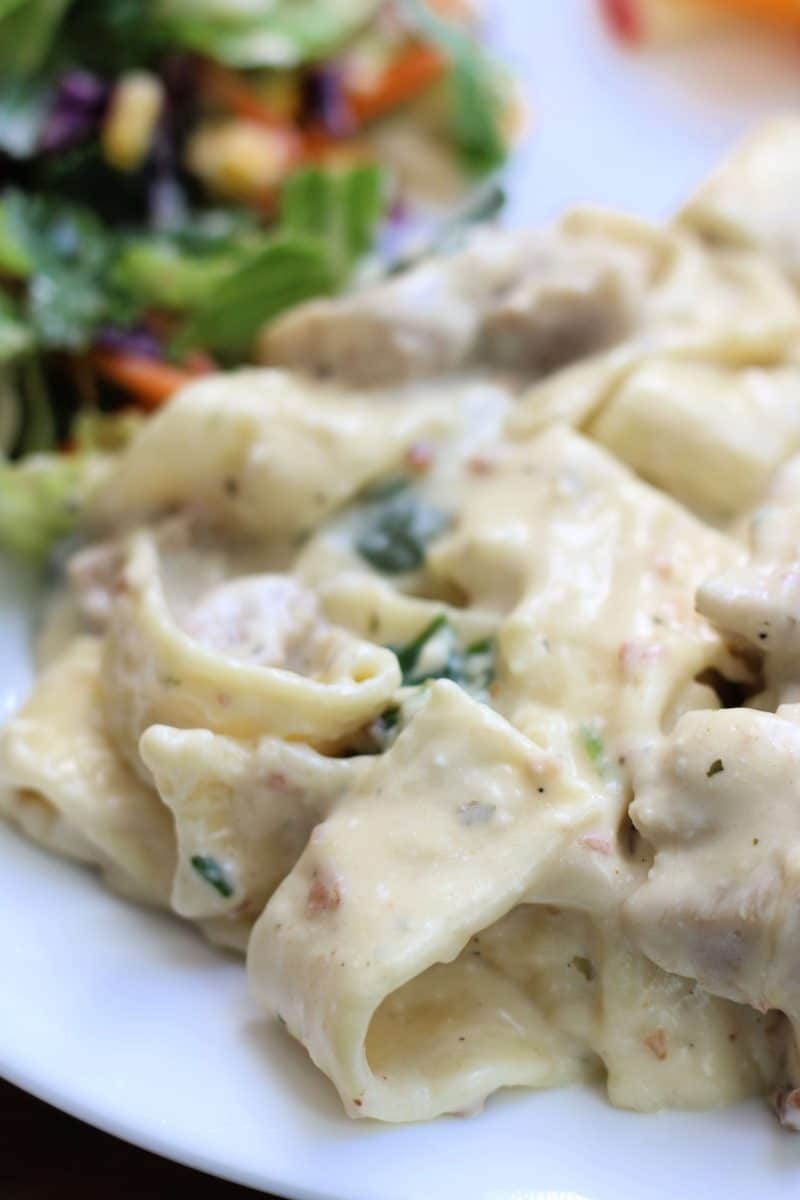
The chemistry of this specific dish relies on the starch release from the noodles combined with the high-fat content of the cream cheese and parmesan. In a traditional oven-baked casserole, pasta often requires pre-boiling; however, the pressure-cooking method allows the noodles to absorb the broth and seasoning directly, resulting in a significantly more flavorful starch base. This "one-pot" approach also reduces cleanup, a primary metric for home cooks seeking efficiency during busy work weeks.
Chronology of Preparation and Culinary Execution
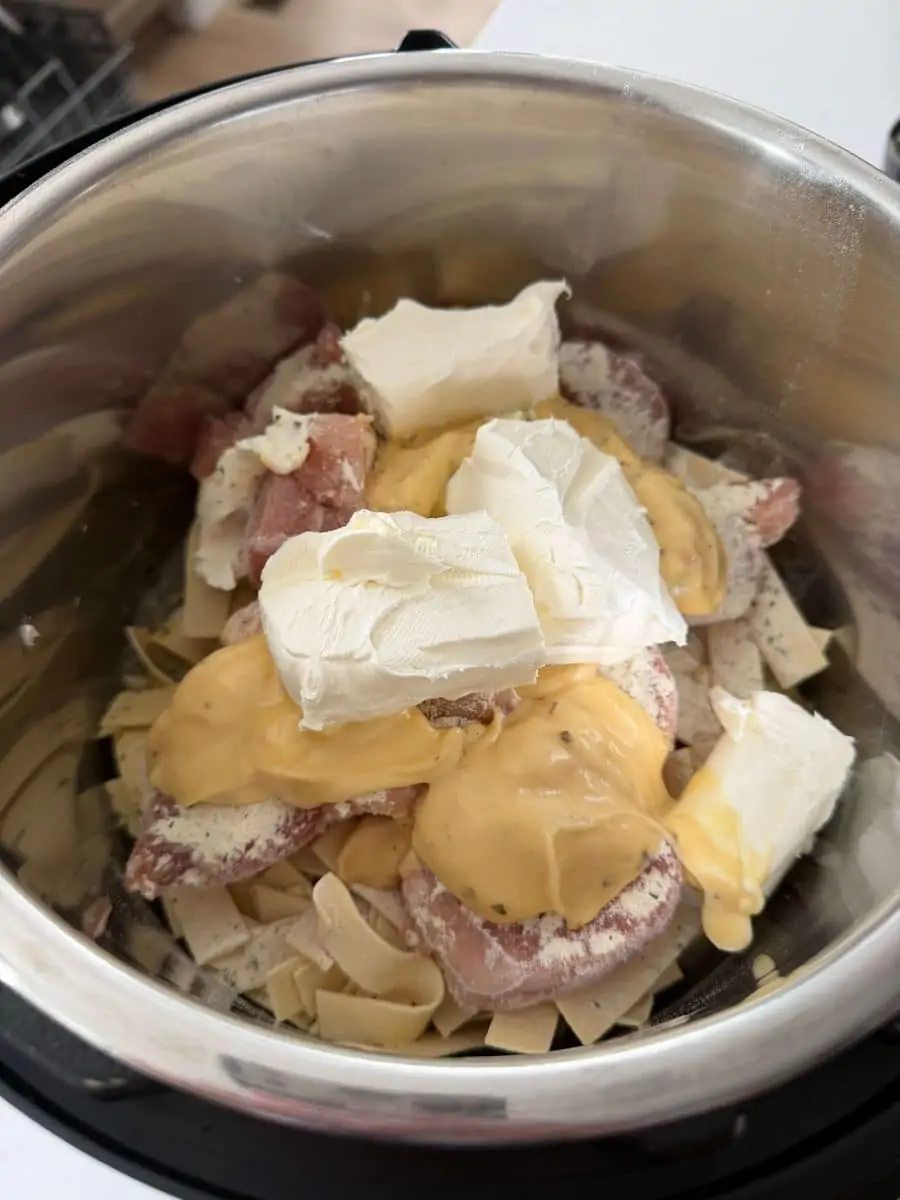
The preparation sequence for this dish is designed for maximum efficiency. The process begins with the addition of the broth and dry noodles to the vessel, establishing the foundation of the meal. Following this, protein is integrated—typically in the form of cubed chicken thighs, which retain moisture under high-pressure conditions better than breast meat, or pre-cooked rotisserie chicken for those prioritizing speed.

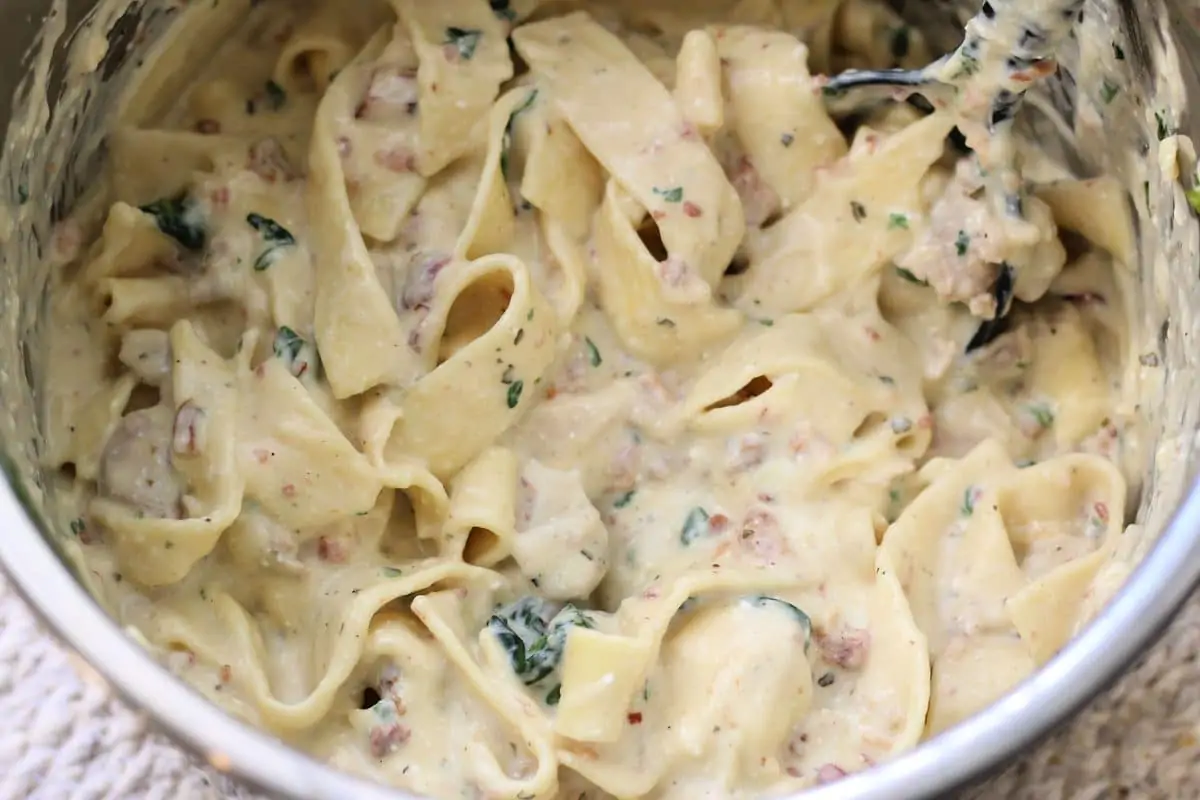
The layering sequence is critical to the functionality of the device. By placing the ranch seasoning, cream of chicken base, and cream cheese at the top, the cook ensures that these ingredients incorporate during the pressure release phase without scorching at the bottom of the stainless-steel liner. The cooking cycle is brief, requiring only three minutes at high pressure. This is followed by a "natural release" period of five to ten minutes, which prevents the noodles from becoming overly soft or gummy, ensuring an al dente texture that is often difficult to replicate in high-pressure environments.

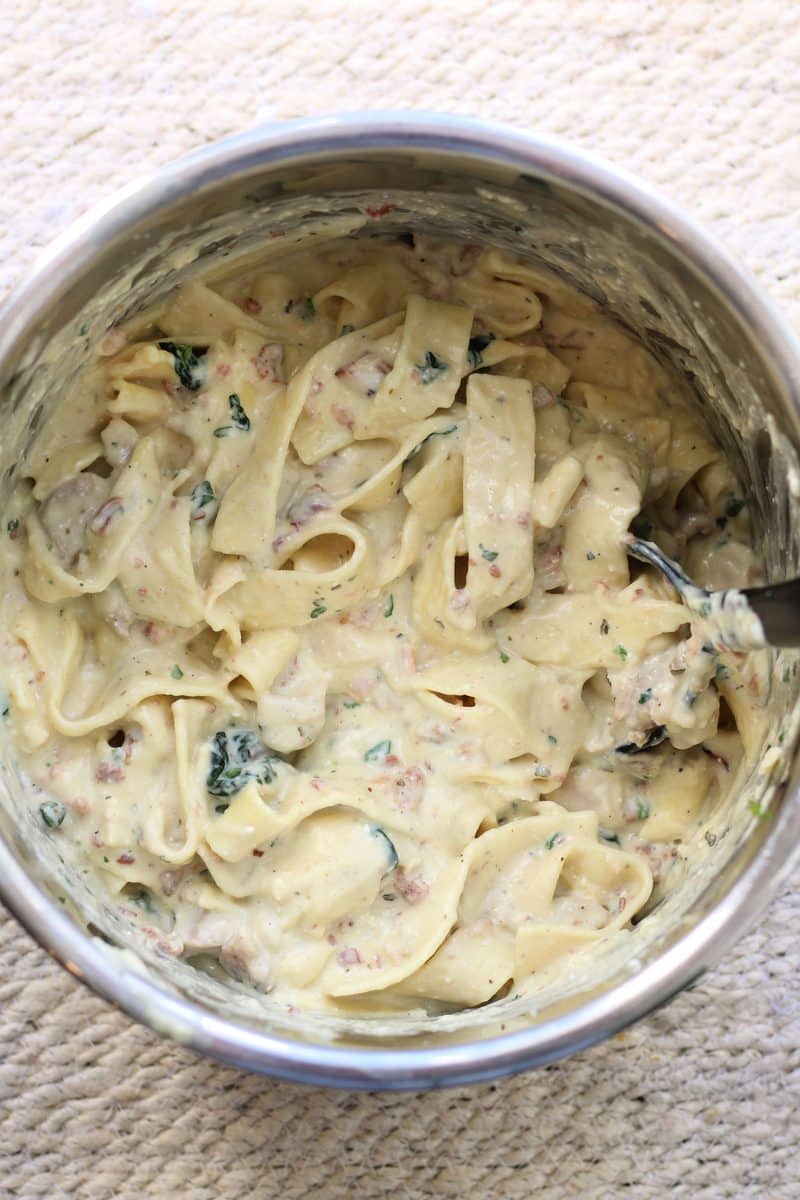
Once the pressure is vented and the lid is removed, the final stage involves the integration of the fresh ingredients: crispy bacon bits, freshly grated parmesan, and baby spinach. The residual heat from the pasta and sauce is sufficient to wilt the spinach and emulsify the parmesan into the cream base, completing the sauce’s texture without the need for additional heat.
Nutritional Profile and Ingredient Analysis
The nutritional composition of this dish is indicative of a "comfort-centric" meal, prioritizing satiety and flavor density. The use of chicken thighs provides a high-quality protein source with a higher fat content, which contributes to the silkiness of the sauce. The inclusion of spinach introduces a nutrient-dense green, providing essential vitamins A and K, and adding a necessary textural contrast to the soft noodles and rich sauce.
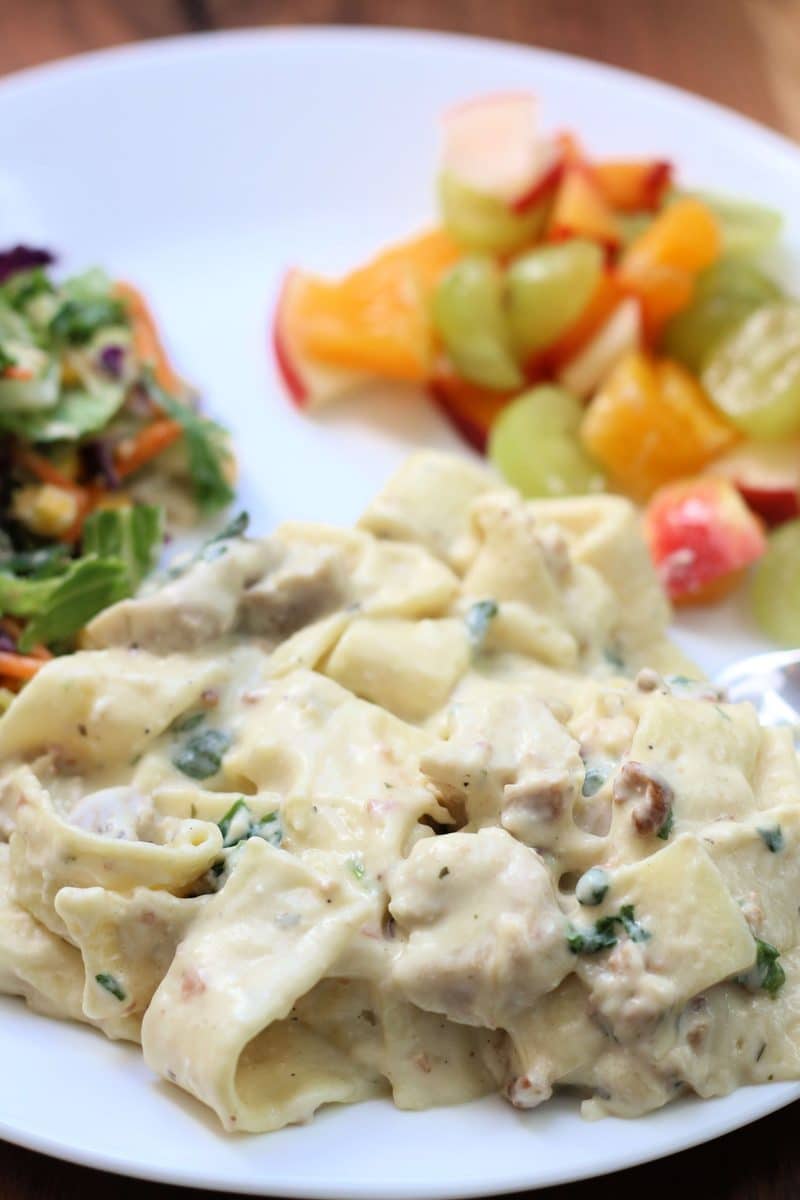
From an economic perspective, the reliance on pantry staples like ranch seasoning packets, canned cream of chicken soup, and dry pasta makes this a highly cost-effective dinner option. Recent trends in food inflation have seen consumers pivoting toward "ingredient-efficient" recipes—dishes that utilize accessible, long-shelf-life components to mitigate rising grocery costs. This recipe aligns perfectly with that consumer behavior, as nearly all components can be stored for extended periods, reducing the risk of food waste.
Culinary Implications and Social Trends
The popularity of the "Crazy Amazingly Good Casserole" underscores a broader shift in how social gatherings are managed. In recent accounts of the dish being served at community dinners, the feedback highlighted the convenience of preparing a meal that scales well for groups. As social gatherings return to a more central role in family and peer interactions, the ability to produce a high-quality, "from-scratch" tasting meal without the host being tethered to the kitchen is increasingly valuable.

Food historians and culinary experts note that the "casserole" has long been a staple of communal dining in North America. Its evolution into a pressure-cooked format signifies a modern adaptation of this tradition. By removing the long bake times, the recipe maintains the social function of the casserole—a warm, shared, and hearty dish—while aligning with the accelerated pace of contemporary life.

Expert Perspectives on Pressure Cooking
Culinary scientists have often pointed to the "Maillard reaction"—the browning of proteins and sugars—as the holy grail of flavor, which is notoriously difficult to achieve in a pressure cooker. However, the use of bacon in this recipe acts as a flavor bridge. By introducing smoked or cured fats, the recipe compensates for the lack of traditional searing, providing a depth of flavor that is typically associated with longer cooking methods.
Furthermore, the integration of ranch seasoning is a nod to the "New American" flavor profile, which heavily incorporates savory, herbaceous, and tangy notes. This combination has proven to be highly palatable across demographics, making it a "safe" yet flavorful choice for multi-generational gatherings, such as the Sunday dinners where this recipe has found its recent success.
Future of Home Cooking Technology
As kitchen appliances continue to integrate more advanced sensors and automated programming, it is expected that recipes like this will become the baseline for domestic cooking. The shift toward "smart" kitchens means that future iterations of the Instant Pot may automatically adjust cooking times based on the moisture content of the noodles or the thickness of the chicken pieces, further reducing the margin for error.
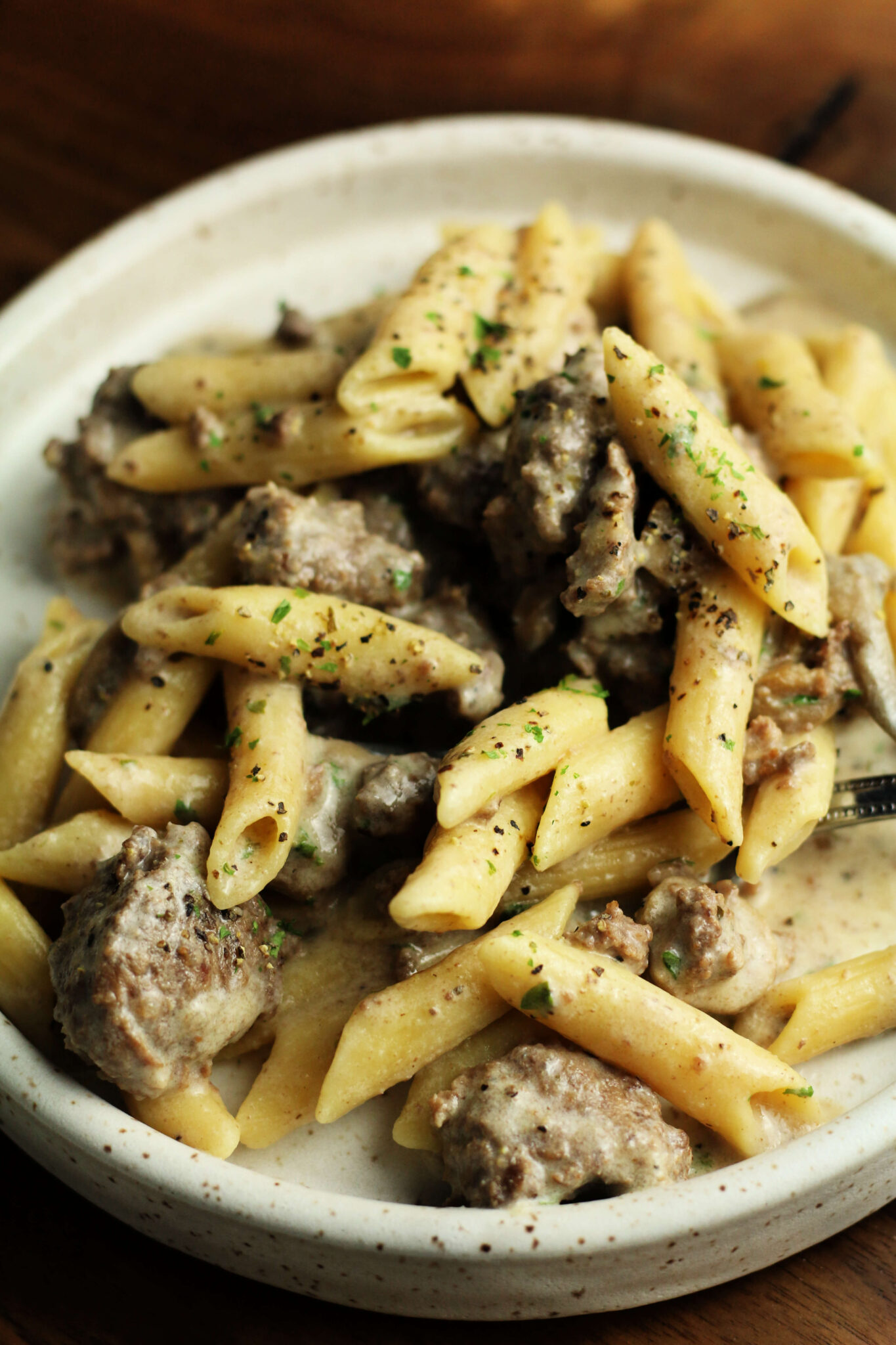
For now, the success of this casserole serves as a blueprint for the modern home chef: a blend of high-tech efficiency and classic, comforting flavor. Whether prepared for a quiet family dinner or a larger gathering of friends, the dish exemplifies the intersection of necessity and pleasure in the kitchen. As the recipe continues to be shared across digital platforms and social networks, its longevity will likely be sustained by its adaptability; the base allows for endless modifications, from the addition of sun-dried tomatoes to the substitution of different protein sources, ensuring it remains a relevant fixture in the rotation of home cooks for years to come.
