
The Rise of Minimalist Slow Cooker Cuisine
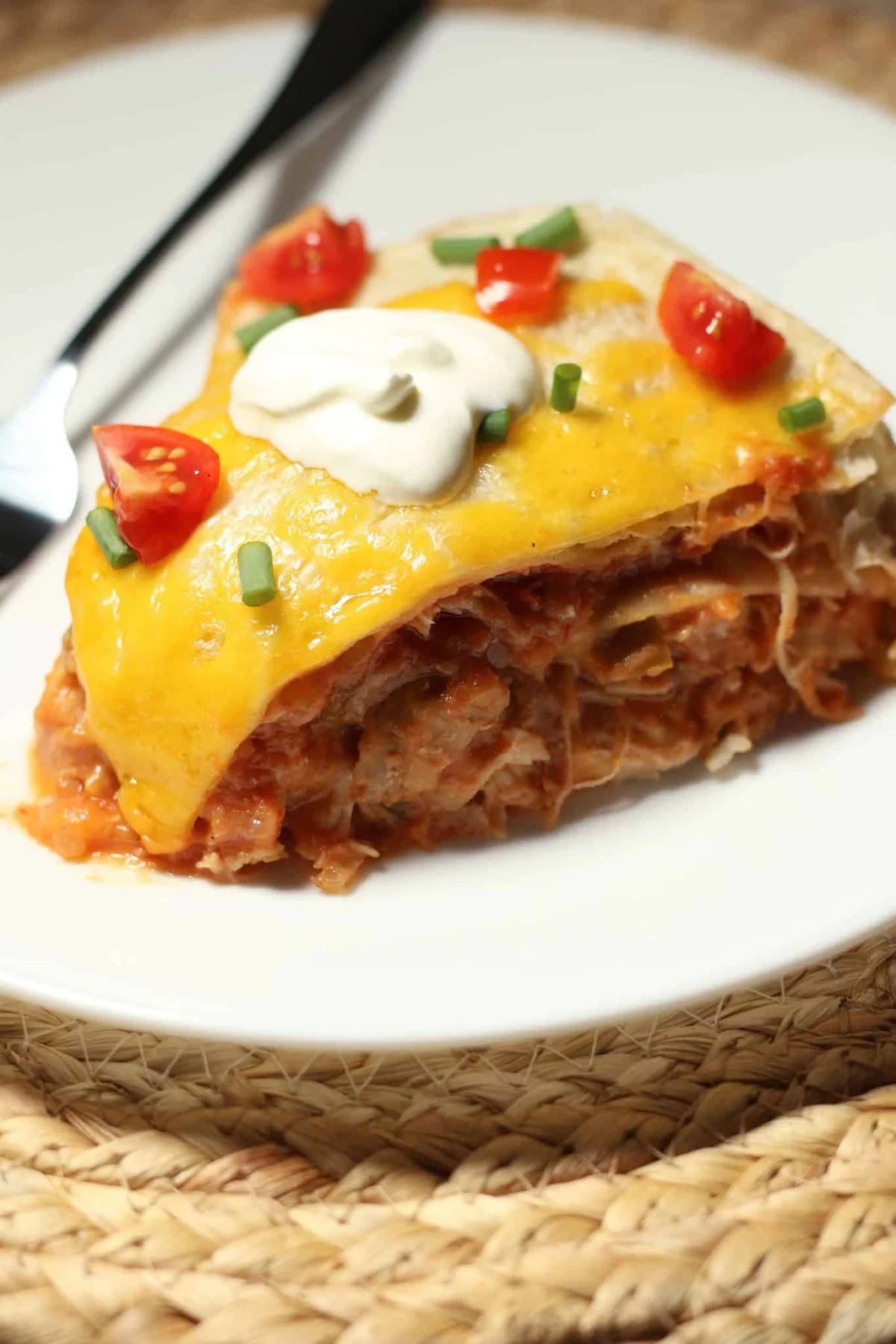
The evolution of home cooking over the last decade has been defined by a move toward streamlining complex dishes. Mexican lasagna, traditionally a labor-intensive casserole requiring multiple stovetop steps and precise oven management, has been successfully adapted for the slow cooker. This transition reflects a wider trend in culinary technology adoption, where home chefs leverage the sustained, low-heat environment of a crockpot to achieve a fusion of textures—specifically the softening of flour tortillas into a pasta-like consistency—that would otherwise be difficult to replicate without traditional baking.
Market research into consumer kitchen habits indicates that "five-ingredient" recipes are currently among the most sought-after formats in online food media. This preference is driven by the rising cost of living and the desire to reduce food waste; by limiting ingredients, households can better manage their grocery budgets while ensuring that staple items, such as salsa and beans, are utilized effectively.
Methodology and Technical Preparation
The process for constructing this dish relies on a systematic layering technique. The base components consist of flour tortillas, shredded poultry, refried beans, salsa, and cheddar cheese. The structural integrity of the dish is maintained by the deliberate placement of these layers within the ceramic insert of a slow cooker.
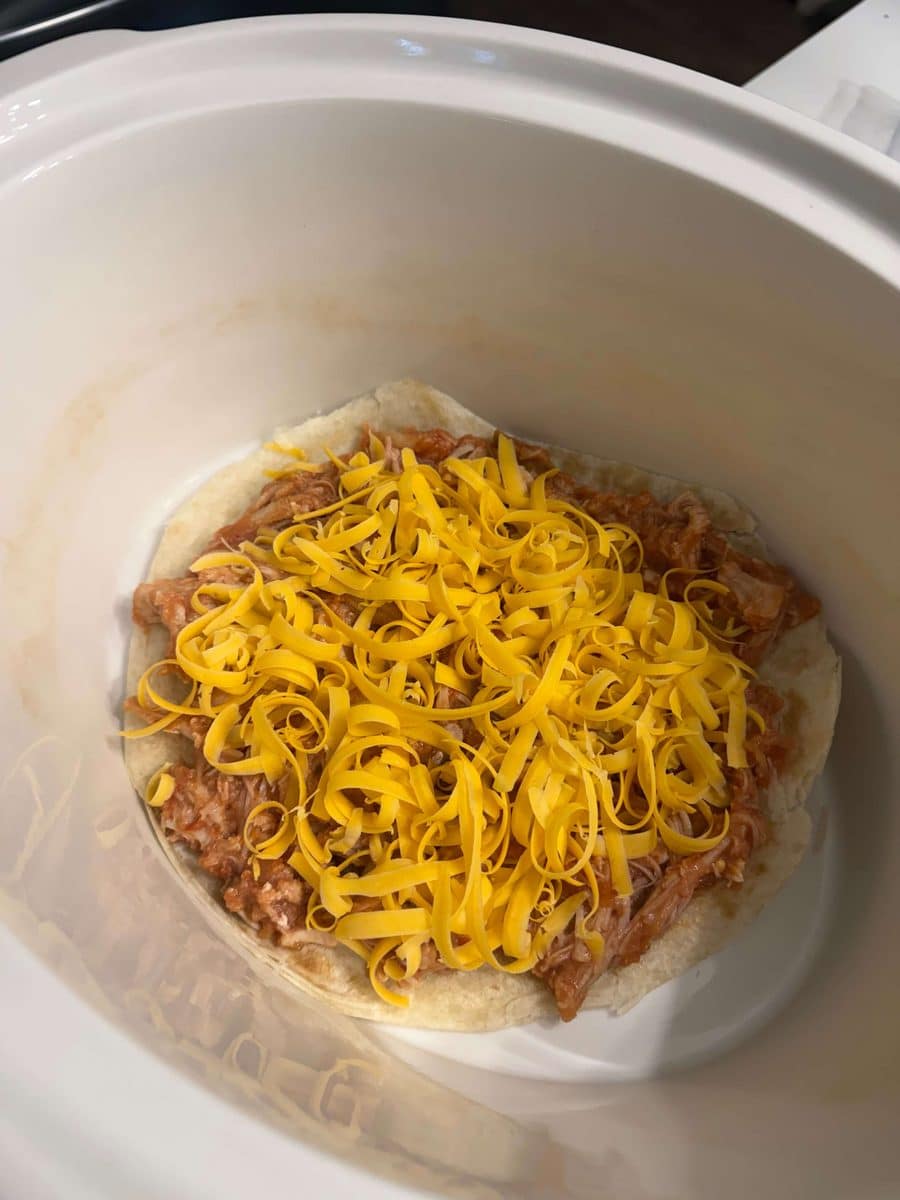
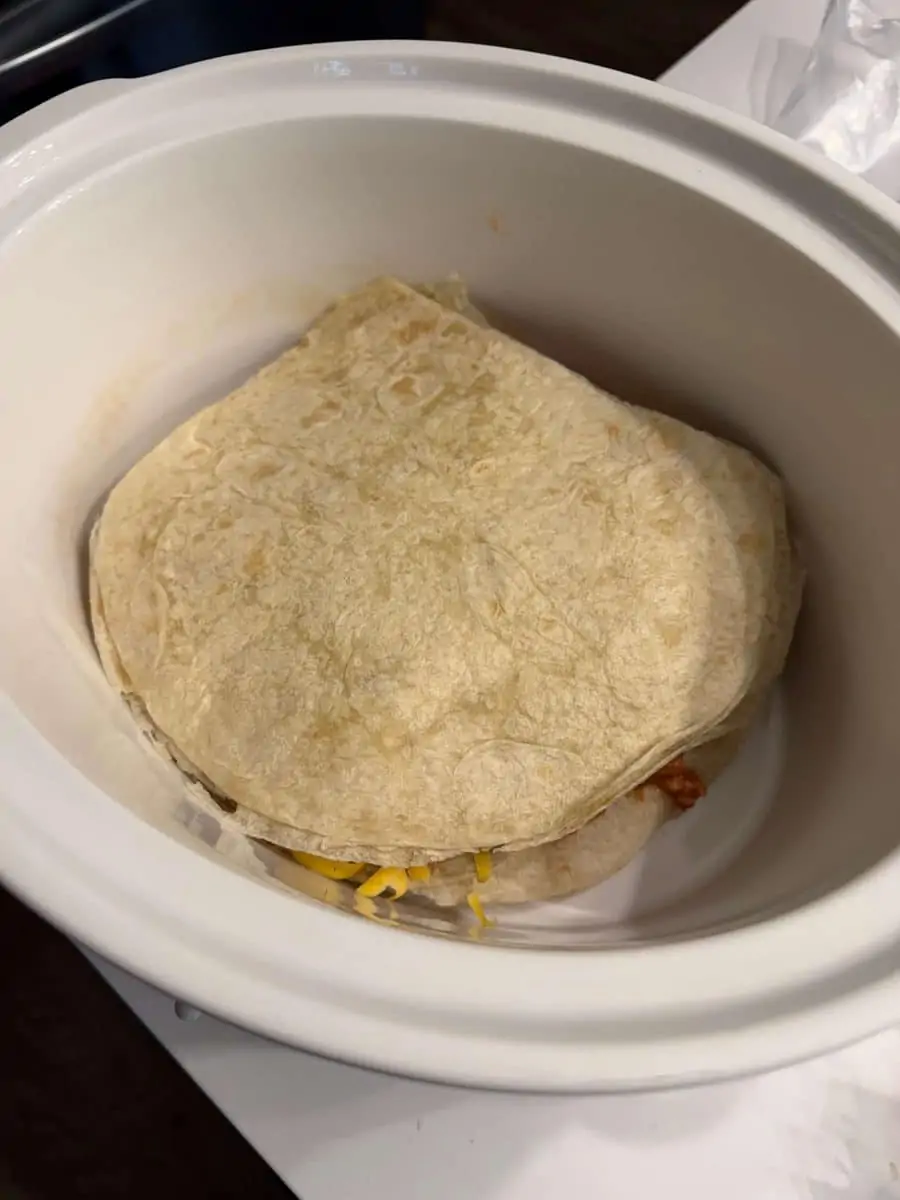
The preparation begins with a manual integration of the protein and binder, where shredded chicken is combined with refried beans and salsa. This mixture serves as the primary flavor profile. Once prepared, the assembly follows a strict cadence: a foundation layer of a single tortilla, followed by a portion of the chicken-bean-salsa blend, and a measured distribution of cheese. This process is repeated to create a tiered structure, culminating in a final tortilla topper that seals the heat within the internal layers.
The thermodynamic interaction between these ingredients is critical. When the slow cooker is set to a high-heat setting for a duration of two hours, the moisture from the salsa and the fats from the cheese permeate the flour tortillas. This causes them to lose their rigidity and adopt a texture akin to lasagna noodles, while the protein is simultaneously infused with the acidity of the salsa and the creaminess of the beans.

For those requiring flexibility in their cooking environment, the recipe also offers a direct conversion for conventional oven use. By transferring the assembly to a baking pan and subjecting it to 350°F (177°C) for 25 minutes, the same chemical result—the melding of starches, proteins, and fats—can be achieved.
Chronology of Modern Convenience Cooking
The trajectory of the slow cooker—originally popularized in the 1970s as the "Crock-Pot"—has seen a massive resurgence in the 2020s. While the device was initially marketed for pot roasts and stews, the contemporary application of the machine to "layered" dishes represents a pivot in how we categorize "comfort food."

- Early 2000s: The normalization of the slow cooker as a staple kitchen appliance across North American households.
- 2015–2020: The rise of digital recipe platforms and social media integration, where visual aesthetics began to drive recipe popularity.
- 2023–2026: The current era of "inflation-conscious" cooking, where five-ingredient limitations have become a hallmark of budget-friendly, sustainable meal planning.
This particular recipe format aligns with the "no-fuss" movement, a response to the "recipe fatigue" experienced by families during the pandemic era. The reduction in prep time to under ten minutes allows for greater accessibility for those with demanding professional schedules.
Nutritional and Economic Analysis
From an analytical standpoint, the dish provides a balanced distribution of macronutrients. Chicken provides the primary protein source, while the beans offer necessary dietary fiber and complex carbohydrates. The use of pre-made salsa serves as a cost-effective flavor enhancer, replacing the need for individual spices and aromatics that might otherwise inflate a grocery list.
The economic implications of this recipe are significant. By utilizing canned refried beans and jarred salsa—both of which have long shelf lives—the recipe minimizes the risk of ingredient spoilage. Furthermore, the reliance on shredded chicken allows consumers to utilize leftovers from previous meals, such as a rotisserie chicken or roasted poultry, which supports the broader goal of reducing household food waste.
Culinary Adaptations and Variations
While the core recipe relies on a set of five specific components, culinary experts note that the dish is highly modular. Substitutions can be made based on dietary requirements or regional availability without compromising the structural integrity of the lasagna. For instance, gluten-free variations can be achieved by substituting corn tortillas for flour, though the cooking time may require minor adjustments to prevent the corn masa from becoming overly saturated.
Vegetarian modifications are equally viable. By substituting the chicken with additional beans, sautéed mushrooms, or a meat-alternative crumble, the recipe retains its nutritional profile while accommodating a plant-based diet. Furthermore, the selection of cheese—traditionally cheddar—can be rotated to include Monterey Jack or a blend of Mexican-style cheeses to adjust the melting point and flavor intensity.
Professional Recommendations for Success
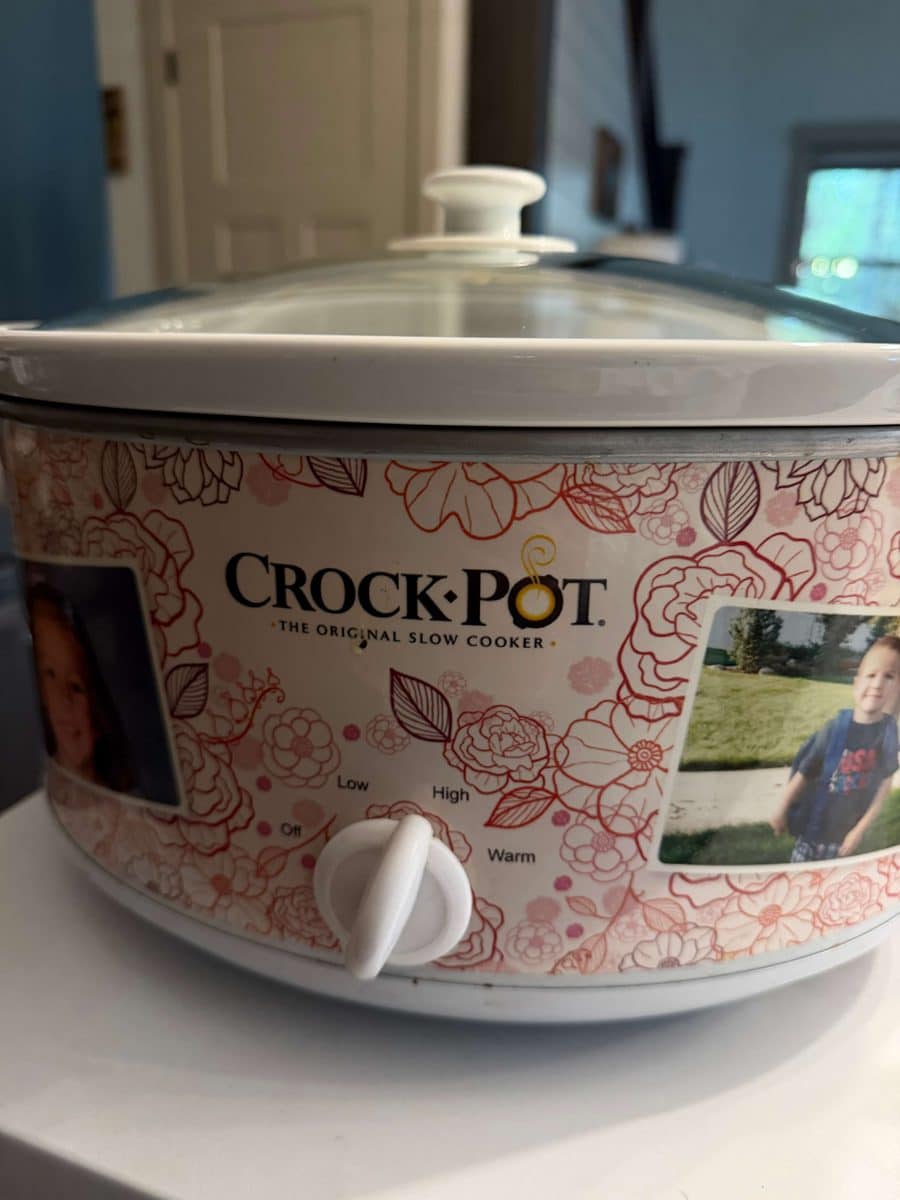
Culinary professionals and test kitchen experts emphasize the importance of preparation technique, specifically regarding the "extraction" of the finished product. Because the slow cooker can lead to a delicate final structure, the use of a "sling" method is highly recommended. By creating a cross-hatch pattern with heavy-duty aluminum foil, the cook can create a removable structure. This allows the user to lift the lasagna out of the vessel after a mandatory ten-minute resting period, ensuring that the layers remain intact when portioned.
The resting period is not merely a suggestion but a requirement for food science reasons. During the cooking process, the fats are in a liquid state. Allowing the dish to sit for ten minutes enables the proteins to stabilize and the cheese to firm slightly, which provides the structural support needed for a clean slice.
Broader Impact and Future Trends
The success of the five-ingredient Mexican lasagna is a bellwether for the future of the home cooking industry. As artificial intelligence and algorithmic recipe curation become more prevalent, the emphasis is shifting away from "chef-driven" complexity toward "user-driven" simplicity.

We are currently seeing a decline in the popularity of multi-step, technical recipes in favor of solutions that promise to reduce the cognitive load of meal preparation. This "No Fuss" approach is likely to expand into other ethnic cuisines, with future trends suggesting that Italian, Mediterranean, and Asian-fusion dishes will increasingly be adapted into simplified, slow-cooker-friendly formats.
Ultimately, this recipe serves as a case study for how traditional, time-honored dishes can be re-engineered to fit the constraints of modern life. It validates the notion that quality and flavor are not strictly tied to the length of a recipe or the number of components involved, but rather to the efficient application of heat and the harmonious combination of basic ingredients. As we move further into the decade, it is highly probable that this type of "minimalist gastronomy" will remain a dominant force in home kitchen strategy, providing a reliable and accessible framework for families to enjoy wholesome meals without the traditional burden of hours spent at the stove.
