
The Evolution of Morning Nutrition
The modern breakfast landscape has undergone a significant shift over the past two decades. As parental schedules have become increasingly constrained by professional obligations and school-related activities, the traditional sit-down breakfast has frequently been replaced by "on-the-go" options. Nutritionists note that the transition toward handheld meals is not merely a matter of convenience; it is a calculated response to changing societal rhythms.

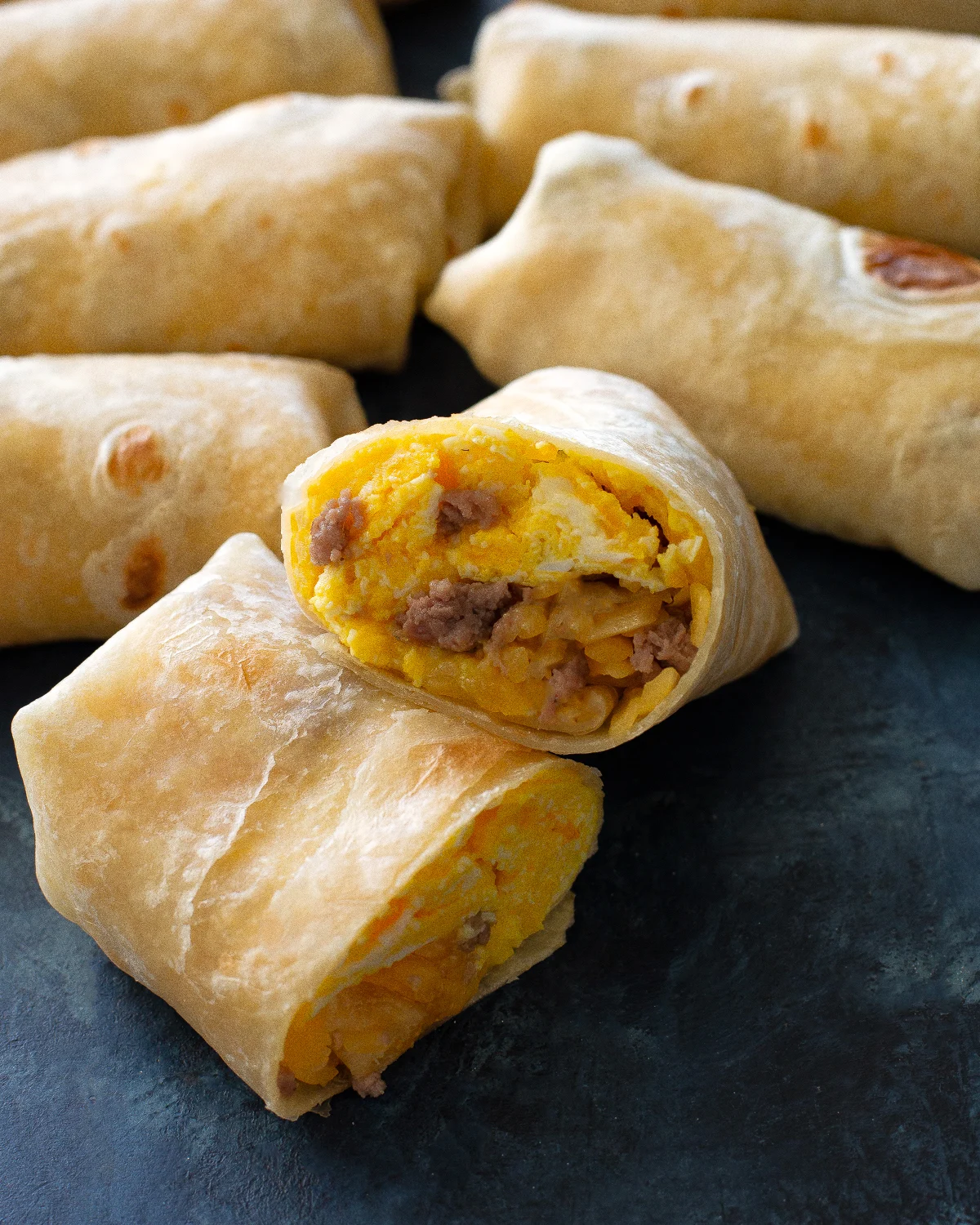
Breakfast burritos represent a balanced approach to this shift. By combining animal-based proteins—the eggs and sausage—with the complex carbohydrates found in tortillas and the calcium content of cheese, these meals offer a sustained energy release. Unlike high-sugar breakfast alternatives, which are linked to mid-morning energy crashes, the fat and protein content in a sausage and egg burrito assists in satiety, potentially improving cognitive function and focus in school-aged children.
Chronology of the Meal-Prep Movement
The rise of the "batch-cooking" trend, which utilizes the freezer as a tool for time management, gained significant momentum around 2010. Data from culinary market analysts suggests that as the cost of processed, store-bought breakfast sandwiches increased, more households turned to home-based assembly lines.

- Early 2000s: The emergence of the breakfast burrito as a mainstream fast-food item popularized the format, though pre-packaged versions were often criticized for high sodium content and lack of freshness.
- 2010–2015: The "Meal Prep Sunday" movement took hold on social media platforms, emphasizing the economic and health benefits of cooking in bulk.
- 2016–2020: Advancements in kitchen technology, specifically the widespread use of air fryers and convection ovens, made reheating frozen burritos more efficient, resulting in textures that closely mimicked fresh preparations.
- 2021–Present: Current trends focus on ingredient optimization—selecting high-quality, locally sourced sausages and pasture-raised eggs to elevate the nutritional profile of the basic four-ingredient model.
Technical Guidelines for Freezer Storage
The primary technical challenge in preparing breakfast burritos for future consumption is the preservation of structural integrity. Moisture migration is the leading cause of "soggy" tortillas, a common complaint among home cooks. Culinary experts recommend a specific process to mitigate this issue:
- Thermal Management: Ingredients must reach room temperature before assembly. If hot eggs or sausage are placed directly into a tortilla, the resulting steam becomes trapped within the packaging, leading to condensation. This condensation is absorbed by the starch in the tortilla, destroying its texture during the freezing and reheating process.
- Packaging Protocols: Wrapping each burrito individually in parchment paper or aluminum foil acts as a moisture barrier. For extended storage in a freezer (exceeding two weeks), a secondary layer of airtight plastic wrap is advised to prevent freezer burn, which occurs when air reaches the surface of the food.
- Reheating Dynamics: The method of reheating significantly impacts the final quality. Oven reheating at 350°F (175°C) is widely considered the gold standard for maintaining the crispness of the tortilla. Conversely, microwave heating is the most time-efficient method, though it often results in a softer, more pliable crust. For microwave use, a damp paper towel can be used to prevent the tortilla from drying out excessively during the two-to-three-minute cycle.
Economic and Health Implications
From an economic perspective, the shift toward preparing homemade, four-ingredient burritos yields significant household savings. When purchased in bulk, eggs, sausage, and flour tortillas are among the most cost-effective food items per serving. A comparative analysis of current retail pricing indicates that a homemade breakfast burrito costs approximately 40% to 60% less than a comparable item purchased at a commercial drive-through or café.

Beyond the financial metrics, the control over the ingredient list is a primary driver for health-conscious families. By managing the preparation, the cook can control the sodium levels, avoid preservatives often found in commercial frozen meals, and adjust the ratios of protein to carbohydrate based on specific dietary needs.
Industry Reactions and Expert Perspectives
Food safety experts emphasize the importance of the "danger zone" when dealing with egg-based products. When preparing large batches of breakfast burritos, it is essential to ensure that the eggs are fully cooked and cooled rapidly. According to guidelines from the USDA Food Safety and Inspection Service, perishable foods should not remain in the temperature range of 40°F to 140°F for more than two hours. Rapid cooling—often achieved by spreading the cooked ingredients onto a baking sheet—is the most effective way to ensure the safety of the meal before it enters the freezer.

Parenting experts and psychologists have also weighed in on the "grab-and-go" culture. While acknowledging that a sit-down meal is ideal for family cohesion, they concede that in a fast-paced environment, the presence of a nutritious, pre-prepared meal is superior to the total omission of breakfast. The convenience of a portable, hot meal can reduce morning friction, as it provides a predictable routine for children, which is known to lower cortisol levels and improve the transition from home to school.
Broader Impact on Domestic Logistics
The adoption of the four-ingredient breakfast burrito model is indicative of a broader trend in domestic management. Households are increasingly viewing the kitchen as a production center, applying lean manufacturing principles—such as batch processing and inventory control—to daily life. This efficiency is not merely about saving time; it is about reclaiming autonomy over the family’s nutritional intake.

As food prices fluctuate, the ability to produce a reliable, low-cost, and high-protein breakfast will likely remain a fixture of household management. The simplicity of the four-ingredient recipe ensures that it remains accessible to cooks of all skill levels, reinforcing its position as a cornerstone of the modern, time-strapped kitchen. Whether served with a side of salsa or consumed plain, these burritos illustrate the success of applying minimalist, functional design to the most important meal of the day. As such, the methodology behind these simple, portable meals serves as a blueprint for those seeking to balance the demands of modern life with the necessity of maintaining a healthy, high-energy lifestyle.
