
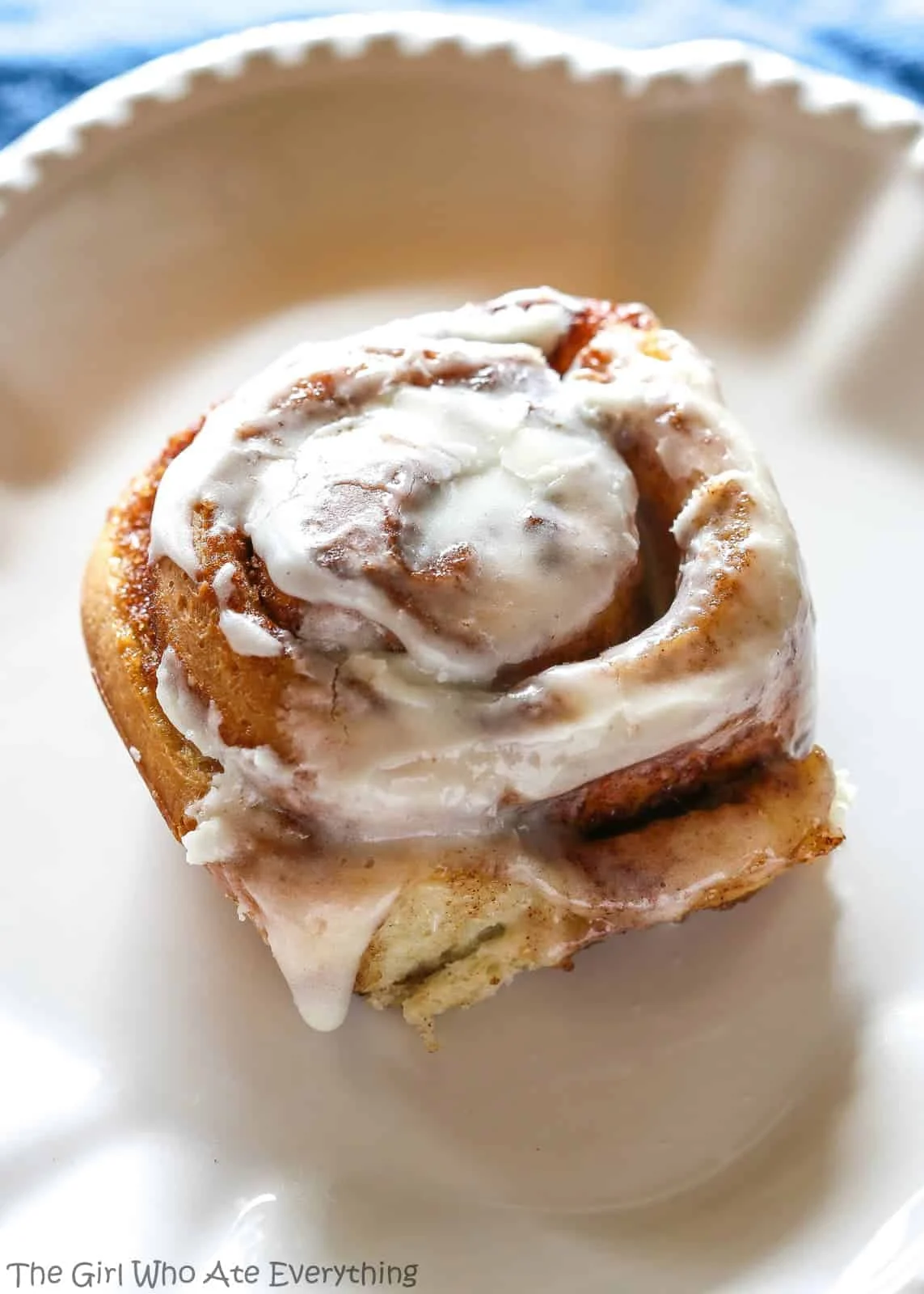
The Evolution of the Commercial Cinnamon Roll
The concept of the cinnamon roll, or kanelbulle, traces its roots to Sweden, where it has been a cultural staple since the 1920s. However, the American iteration—characterized by its oversized dimensions, heavy use of cream cheese-based icing, and potent cinnamon-to-sugar ratio—was popularized by the Cinnabon brand. Since its inception in Seattle in 1985, the company has transformed the cinnamon roll from a simple bakery item into a global food phenomenon.
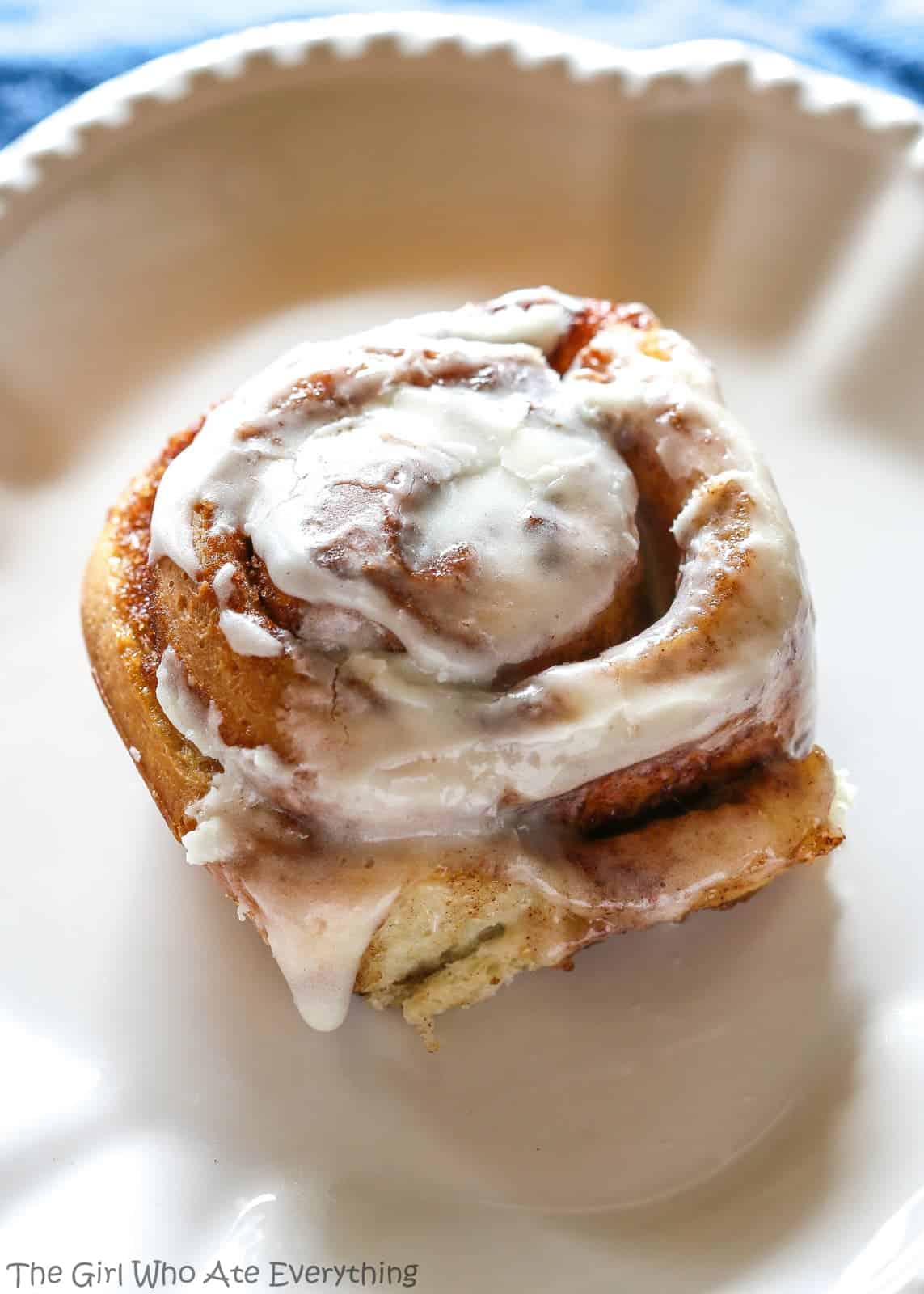
For home cooks, replicating this experience involves navigating the complexities of enriched yeast dough. The inclusion of fats such as butter and milk in the dough base creates a brioche-like crumb that remains tender even after baking. This structural integrity is necessary to support the heavy, syrupy filling that defines the classic roll.
Technical Requirements for Home Production
Professional baking analysis suggests that the success of a "copycat" recipe relies heavily on the timing of the dough’s rise and the temperature of the ingredients. The process typically begins with activating active dry yeast in warm liquid, followed by the incorporation of flour, sugar, and dairy.
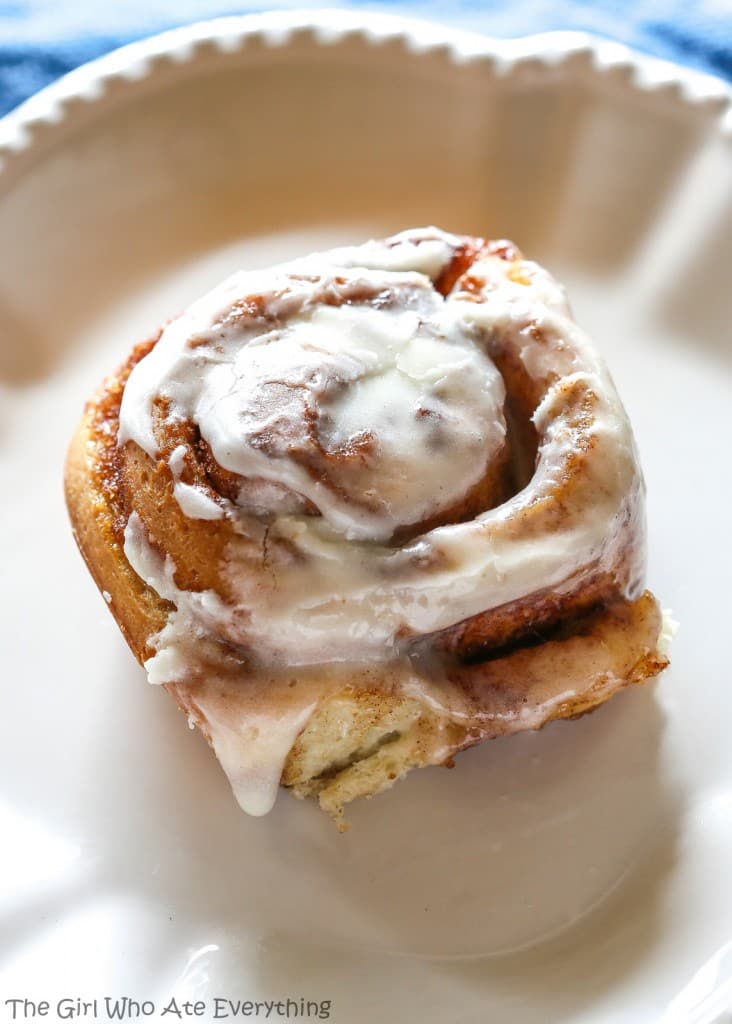
A critical step in the assembly process is the "overnight proofing" method. By preparing the dough the evening before, bakers allow for a cold, slow fermentation in the refrigerator. This process, known as retarding the dough, enhances the development of flavor compounds and simplifies the morning routine. When the rolls are moved from a cold environment directly to the oven, the rapid expansion of gas creates the characteristic light, airy texture that is often missing in quickly produced doughs.
The Science of the Filling and Frosting
The "Cinnabon-style" profile is defined by an aggressive use of cinnamon. Standard recipes often call for approximately 2.5 tablespoons of cinnamon for a batch of 12 rolls. This concentration creates a pungent, aromatic profile that is significantly stronger than traditional home-baked rolls, which typically utilize a more subtle blend.
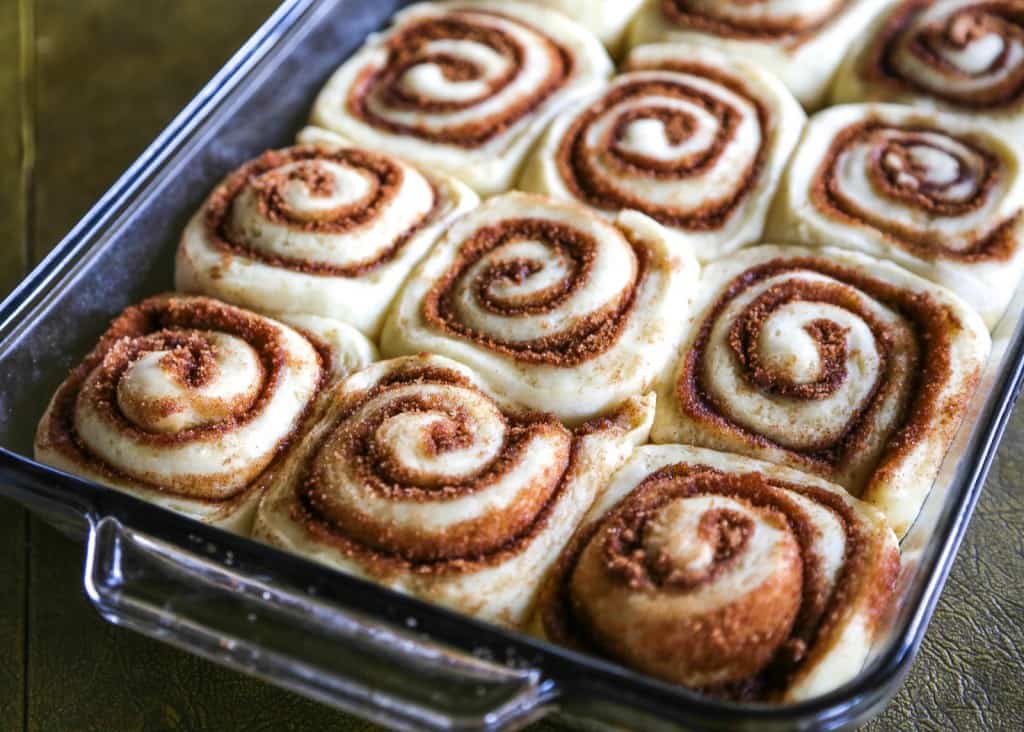
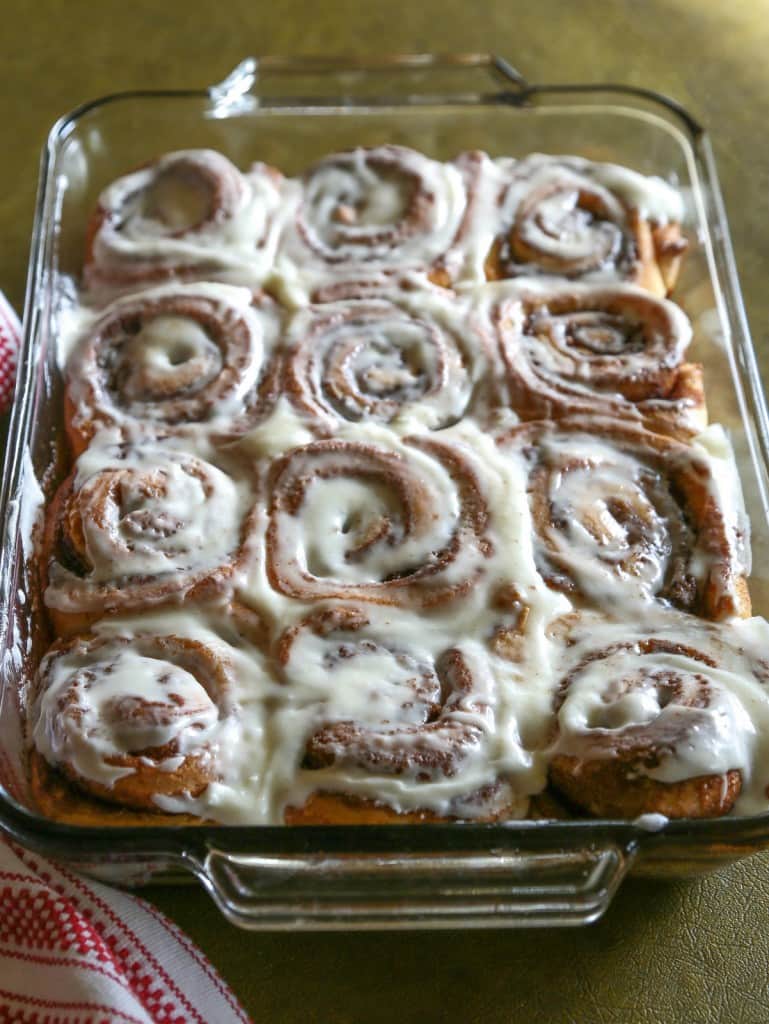
The application of the frosting is equally vital to the final product. To achieve the signature "oozing" effect, the frosting must be applied in two distinct stages. The first application occurs immediately upon removing the rolls from the oven; the heat causes the base layer of the frosting to melt and permeate the layers of the dough. The second application, performed after the rolls have cooled for several minutes, creates a stabilized, opaque layer on the surface that prevents the product from drying out.
Nutritional Profile and Dietary Context
For those analyzing the nutritional impact, these rolls are categorized as high-density energy foods. A single roll contains approximately 511 kilocalories, with a significant portion derived from carbohydrates (83g) and fats (16g). The sugar content, at 47g per serving, reflects the high concentration of sucrose used in the filling and the confectioners’ sugar in the cream cheese icing. Given the caloric density, these items are traditionally served on special occasions rather than as a daily dietary staple.
Strategic Planning for Holiday Hosting
The popularity of these rolls during Christmas and other major holidays is attributed to the logistical advantage of "make-ahead" preparation. Because the rolls can be prepared entirely in advance—leaving only the final bake for the morning of the event—they allow hosts to maintain kitchen efficiency while providing a fresh-from-the-oven experience.
When planning for large gatherings, bakers are advised to pair these high-sugar items with savory accompaniments. Breakfast casseroles, which typically incorporate eggs, protein, and vegetables, serve as an effective nutritional balance to the sweetness of the pastry. This pairing strategy is commonly employed in hospitality settings to ensure a well-rounded meal.
Storage and Preservation Protocols
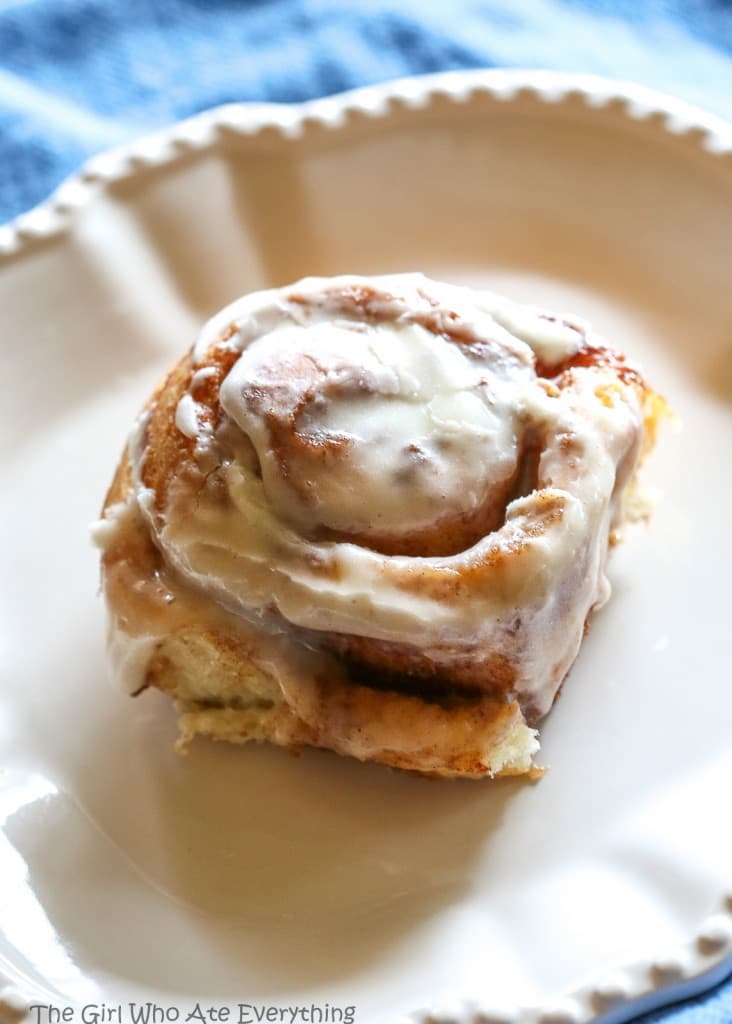
Proper storage is essential to maintain the structural integrity of the rolls. Once baked and frosted, they can be stored at room temperature for up to 48 hours in an airtight container. If kept in a refrigerator, the shelf life extends to approximately five days; however, refrigeration can alter the texture of the dough, making it firmer. For long-term storage, freezing is the most effective method, preserving the quality of the rolls for up to three months. To restore the texture after freezing, a gentle reheating in a microwave or low-temperature oven is recommended, which helps soften the sugars and revitalize the dough.
Broader Culinary Implications
The enduring popularity of copycat recipes reflects a broader trend in consumer behavior: the desire for professional-grade, indulgent food experiences within the home environment. As supply chain and economic fluctuations impact the cost of dining out, the ability to replicate commercial products like the Cinnabon cinnamon roll provides consumers with both a cost-saving measure and a creative outlet.

From a culinary perspective, the replication of these rolls teaches essential lessons in yeast management, temperature control, and the importance of structural layering in pastry. The transition from a "homemade" aesthetic to a "commercial-quality" result is largely dependent on the baker’s adherence to the technical nuances of the recipe—specifically the timing of the frosting application and the concentration of the spice blend.
Conclusion: The Cultural Significance of the Home-Baked Roll
While the original Cinnabon brand maintains its market position through proprietary ingredients and large-scale industrial processes, the "copycat" movement proves that the fundamental appeal of the cinnamon roll is universal. Whether it is the aroma of cinnamon and yeast, the nostalgia of a holiday morning, or the satisfaction of mastering a complex baking technique, these rolls occupy a unique space in modern culinary traditions. By understanding the chemical and physical processes required to create the perfect roll, home bakers can consistently achieve professional results, ensuring that this tradition remains a centerpiece of celebratory gatherings for years to come.
