
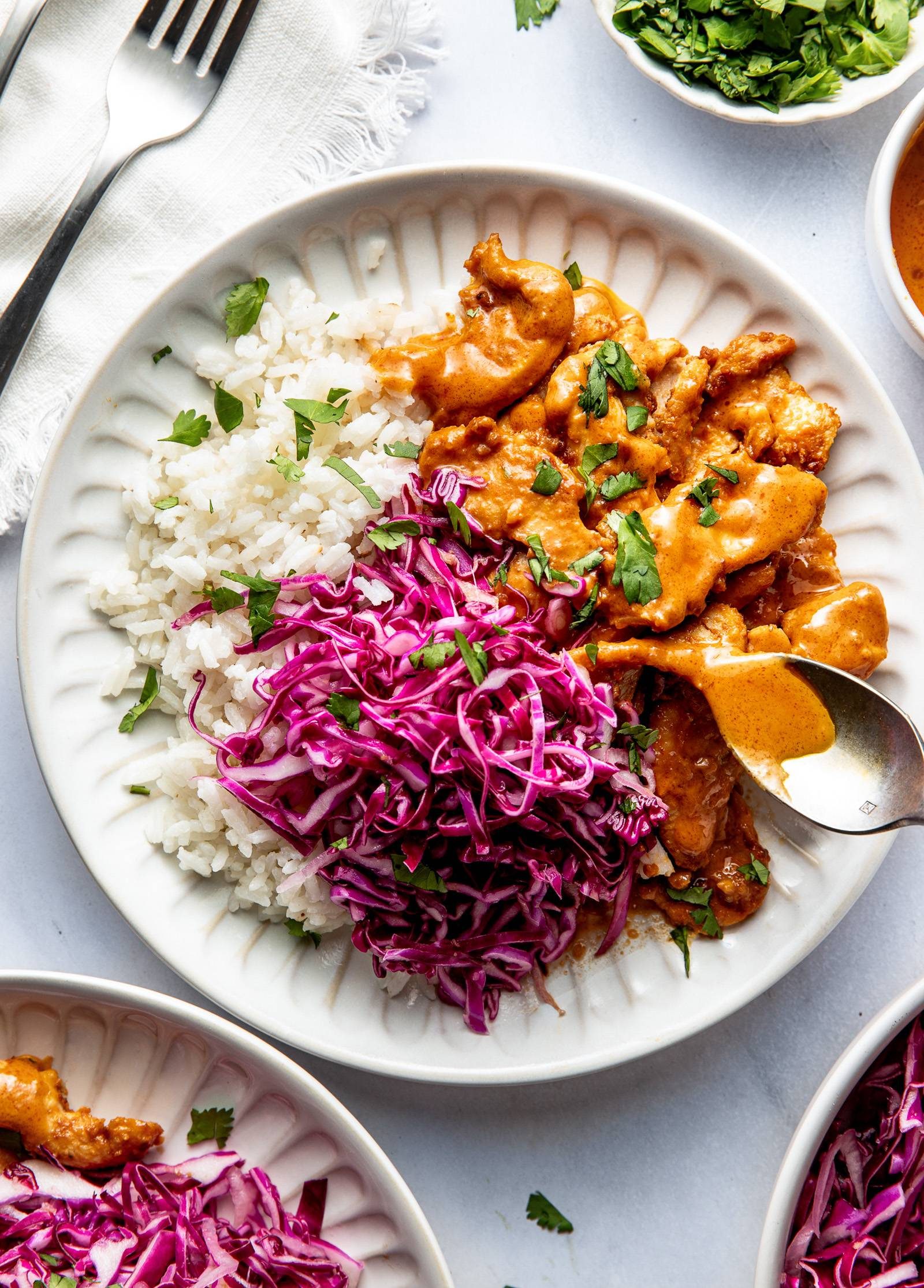
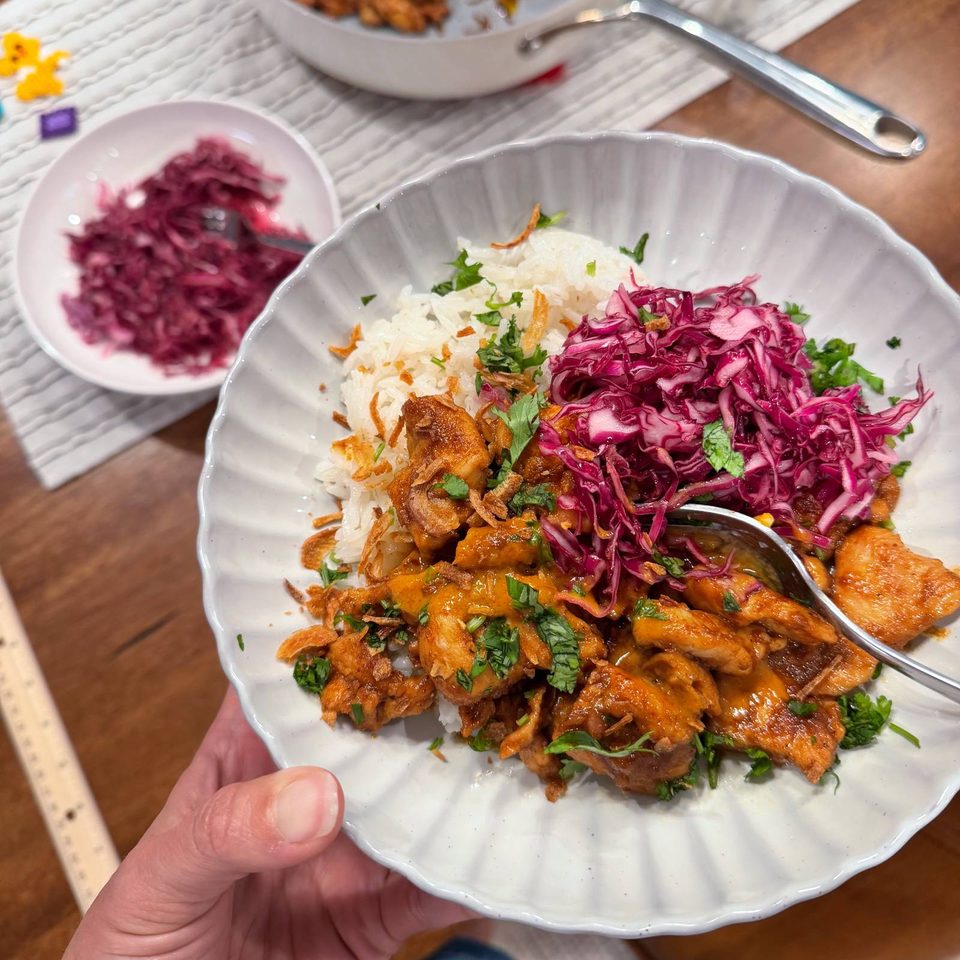
The culinary landscape has witnessed a significant shift toward the integration of Southeast Asian flavor profiles into domestic home-cooking routines, exemplified by the rising popularity of Peanut Chicken with Ginger Slaw. This dish, which combines the richness of peanut-based proteins with the aromatic qualities of coconut-infused grains and the acidic, pungent profile of a fresh ginger-shallot slaw, has emerged as a staple in modern household meal planning. As food bloggers and home chefs increasingly emphasize efficiency and flavor density, this specific combination has transitioned from a niche recipe to a widely adopted dinner solution across North American households.
Culinary Origins and Flavor Profile Development
The core of the dish relies on the concept of flavor contrast—a hallmark of Thai and broader Southeast Asian cuisines. The primary protein, typically chicken, is prepared using a peanut satay base. Peanut satay, traditionally derived from roasted peanuts, coconut milk, garlic, and aromatics like lemongrass or galangal, provides a savory, umami-rich coating that serves as the foundation of the meal.
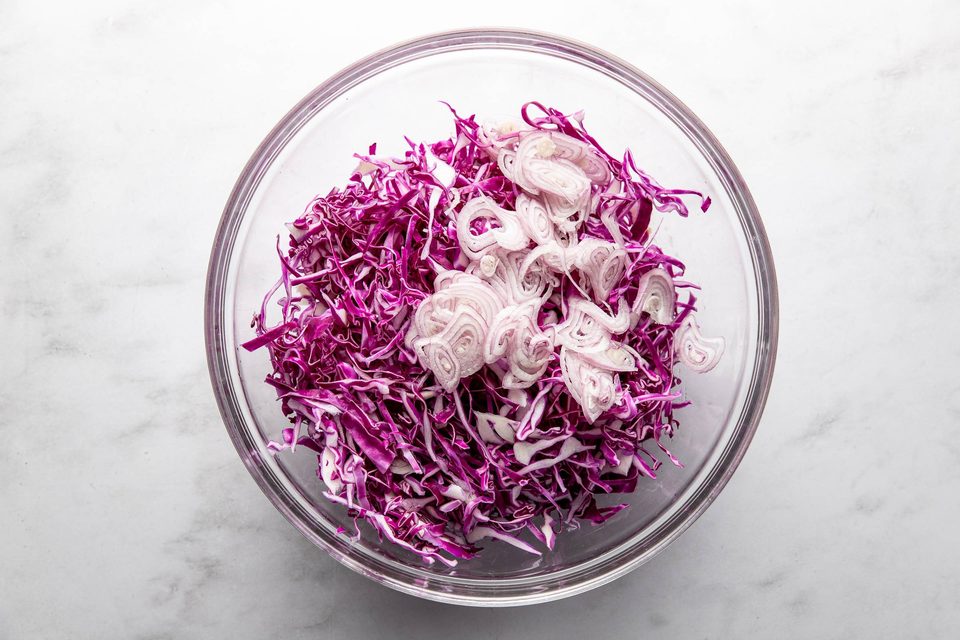
The introduction of ginger slaw serves as a functional counterpoint to the density of the peanut sauce. By utilizing raw cabbage, thinly sliced shallots, and fresh ginger, the slaw introduces a "zingy" or high-acid element that cleanses the palate. This structural balance is essential in home cooking, where the goal is to provide a complex dining experience with minimal technical difficulty. The inclusion of coconut rice—jasmine rice steamed with coconut milk—adds a creamy, slightly sweet aromatic layer that ties the savory chicken and the sharp slaw together, creating a balanced macronutrient profile often sought by modern consumers.

Chronology of the Recipe’s Adoption
While the components of this dish have existed in various forms for decades, the specific iteration of "Peanut Chicken with Ginger Slaw" gained significant traction as a "repeatable" dinner staple during the post-2020 era.
- Phase 1 (Development): Early iterations of this dish focused on high-effort, scratch-made sauces. Home cooks frequently utilized toasted peanuts, traditional mortars and pestles for spice pastes, and long-simmering chicken techniques.
- Phase 2 (The Convenience Shift): As the demand for rapid meal preparation increased, food creators began pivoting toward pre-packaged components. The integration of high-quality, store-bought peanut satay sauces—specifically those popularized by retailers like Trader Joe’s—drastically reduced the barrier to entry.
- Phase 3 (Mainstream Saturation): By 2023, the recipe reached a state of broad circulation. The transition from a specialty dish to a weekly household staple is largely attributed to the "dump-and-cook" philosophy, where the marination process is reduced to the time taken to prepare the accompanying slaw, making it a viable 30-minute weeknight meal.
Nutritional Implications and Market Trends
From a nutritional perspective, the dish offers a high-protein, fiber-dense profile, particularly when the slaw is prepared with fresh cruciferous vegetables like cabbage. The use of coconut milk, while calorically dense, provides medium-chain triglycerides (MCTs) which are often highlighted in contemporary health-conscious cooking circles.
Market data regarding consumer shopping habits shows a correlation between the popularity of such recipes and the increased sales of pre-prepped stir-fry vegetables and ethnic sauce aisles in grocery stores. Industry analysts note that consumers are increasingly looking for "restaurant-quality" experiences that can be achieved within the confines of a home kitchen, bypassing the rising costs of dining out. This has led to a measurable increase in the consumption of specialty pantry items, such as fish sauce, rice vinegar, and high-quality peanut pastes.
Preparation Methodology and Professional Efficiency
The technical execution of this dish is characterized by its reliance on two main processes: the rapid marination of the protein and the precise manipulation of the slaw.

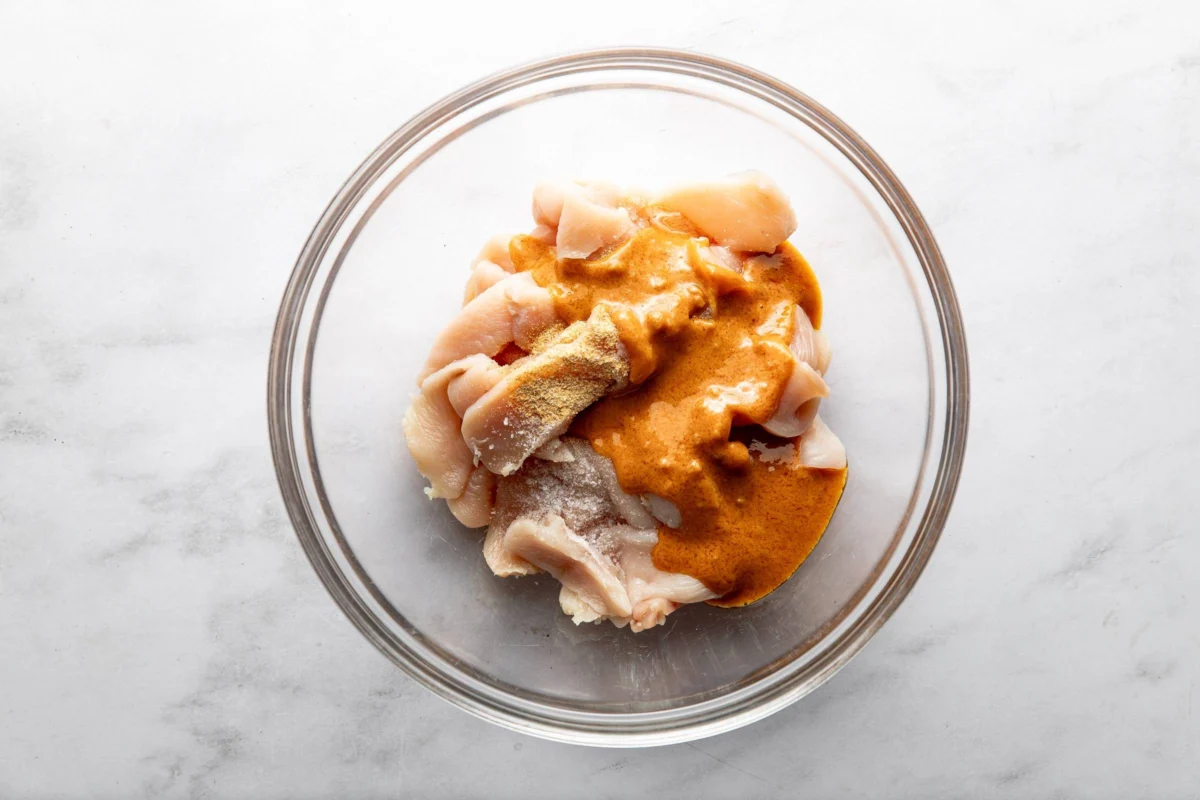
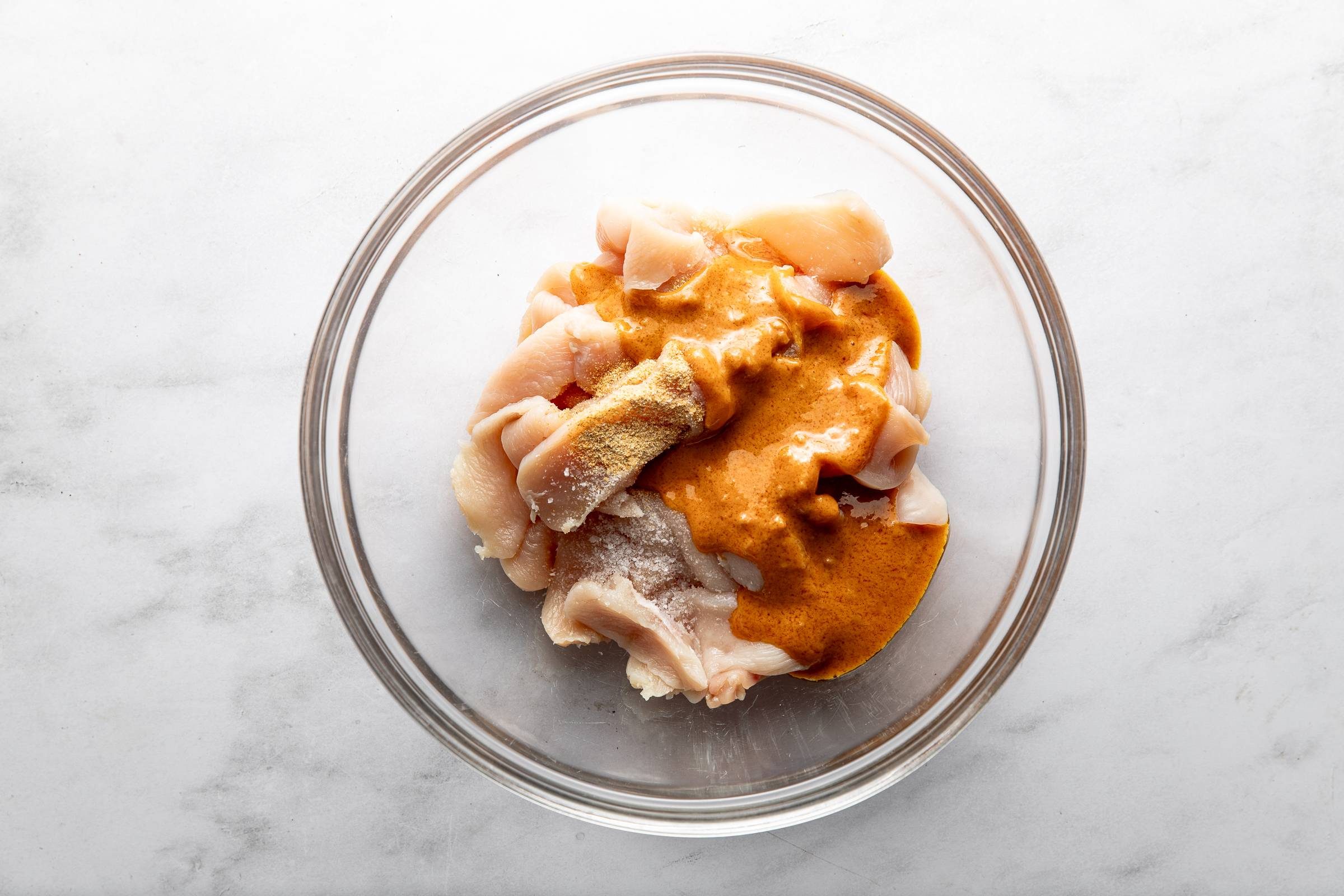
- Protein Preparation: Utilizing a non-stick skillet or an air fryer allows for the rapid caramelization of the peanut sauce onto the chicken. The goal is to reach a temperature of 165°F (74°C) while maintaining a moist interior.
- Slaw Optimization: The use of a mandoline for shaving cabbage and shallots is considered a standard best practice. This ensures the vegetables achieve a uniform thickness, allowing them to absorb the ginger-heavy dressing more effectively. The maceration of the slaw for several minutes before serving is a critical step, as it allows the acidity of the dressing to soften the fibers of the cabbage, resulting in a superior texture.
- Rice Technology: Modern rice cookers have made the creation of coconut rice—which requires precise ratios of fat to water to prevent burning—a standardized process. The combination of jasmine rice and canned coconut milk, often seasoned with a pinch of sea salt, remains the industry standard for this dish.
Official Perspectives and Expert Commentary
Professional culinary educators and nutritionists often cite this dish as a prime example of "accessible fusion." By utilizing a base of familiar, accessible ingredients, the recipe bridges the gap between traditional Southeast Asian street food and the North American dinner table.
"The success of this dish lies in its modularity," notes one food systems analyst. "The protein, the grain, and the slaw can be adjusted based on dietary restrictions, yet the fundamental flavor profile remains intact. It is a masterclass in modern recipe design—simple to execute, yet complex in its delivery of flavor."
Furthermore, chefs who emphasize "mise en place"—the preparation of ingredients before cooking—often praise the dish for its clean workflow. The ability to prepare the slaw while the chicken is resting, or while the rice is steaming, minimizes the cognitive load on the home cook, which is a major factor in the dish’s sustained popularity.
Broader Impact: The Future of Home-Cooked Fusion
The proliferation of recipes like the Peanut Chicken with Ginger Slaw signals a broader trend toward the "democratization of flavor." Home cooks are no longer tethered to traditional regional cookbooks; instead, they are utilizing the internet to identify global flavor combinations and adapting them to the time constraints of a modern lifestyle.
The implications for the food industry are significant. Retailers are increasingly stocking "global pantry" items in standard aisles, recognizing that the average consumer is as likely to purchase a jar of peanut satay sauce as they are a bottle of barbecue sauce. As this trend continues, it is expected that more "fusion" dishes will enter the canon of standard domestic cooking, permanently altering the grocery list of the average household.
The longevity of this dish is not merely a result of its taste, but of its adaptability. Whether it serves as a meal-prepped lunch for the working professional or a fast, nutritious dinner for a family, the combination of coconut, peanut, and ginger has proven itself to be a permanent fixture in the evolving landscape of contemporary home dining. As supply chains continue to provide better access to international ingredients, the quality and variety of these domestic fusion meals are only expected to improve, further cementing the role of international flavors in the home kitchen.
