
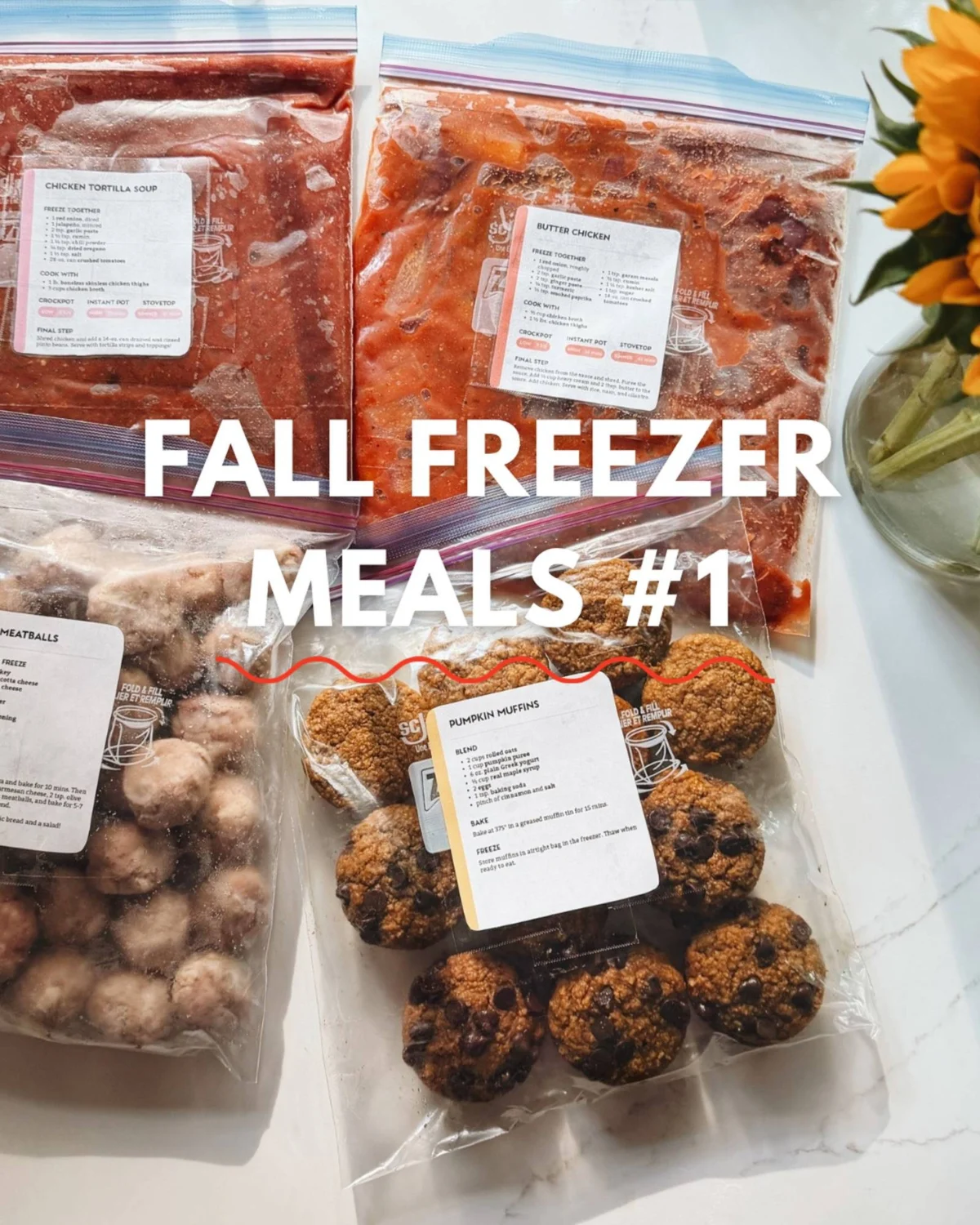
The practice of bulk meal preparation, commonly referred to as "freezer stashing," has transitioned from a niche domestic hobby into a strategic approach for managing household food costs and time constraints. As the autumn season approaches, many households are adopting organized, batch-processing methods to ensure nutritional consistency during periods of increased schedule volatility, such as the resumption of school activities and extracurricular commitments. This report examines the logistics, nutritional methodology, and efficiency benefits of the September Mini Freezer Stash initiative, a structured framework designed to streamline meal production through organized, scalable culinary workflows.
The Mechanics of Batch Preparation
The fundamental principle of the freezer-stash model is the reduction of daily decision-making fatigue and the optimization of kitchen labor. By concentrating meal assembly into a single, high-efficiency window, practitioners can leverage economies of scale. The process involves the systematic preparation of raw or semi-processed ingredients, which are then vacuum-sealed or stored in airtight freezer-safe containers.
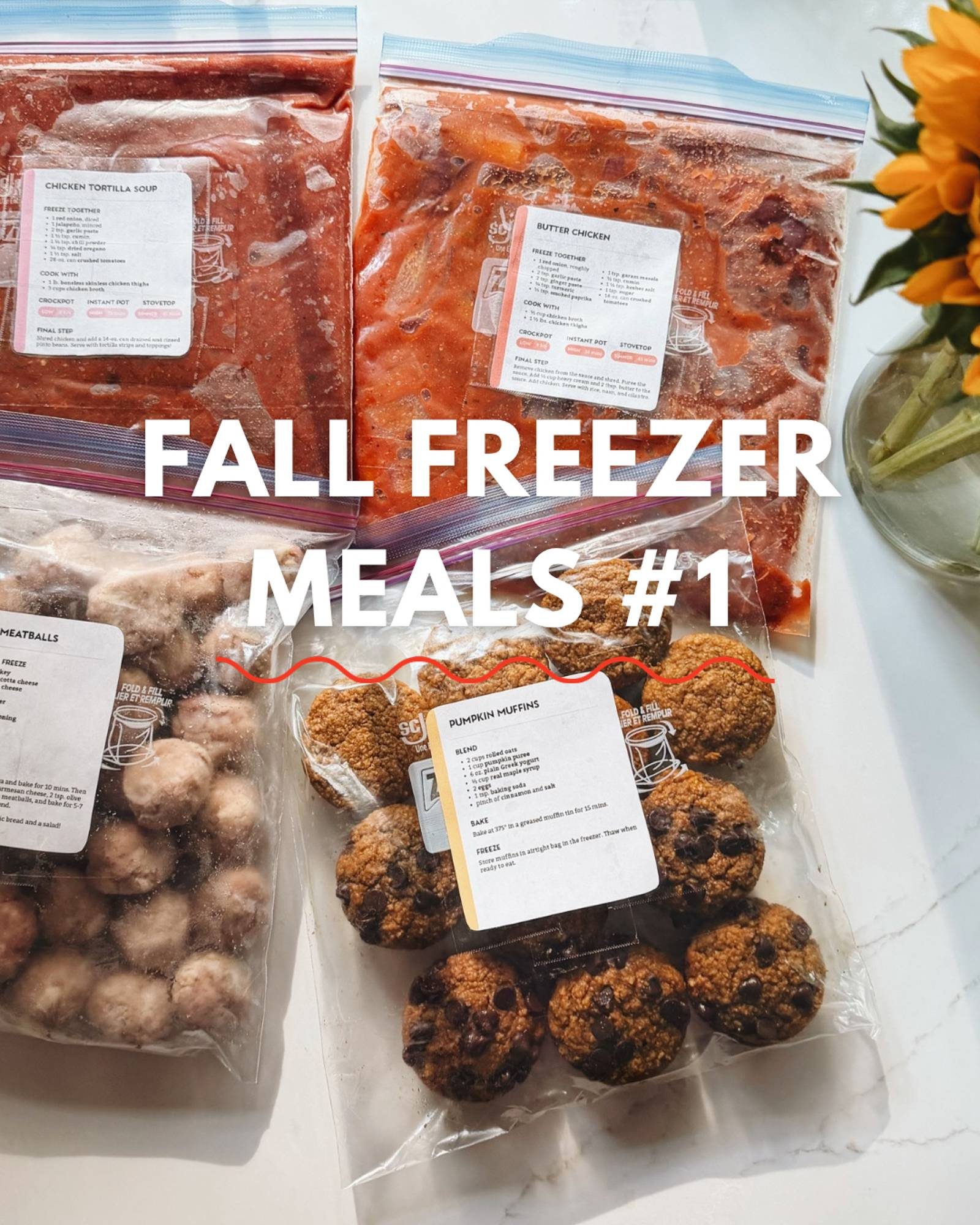
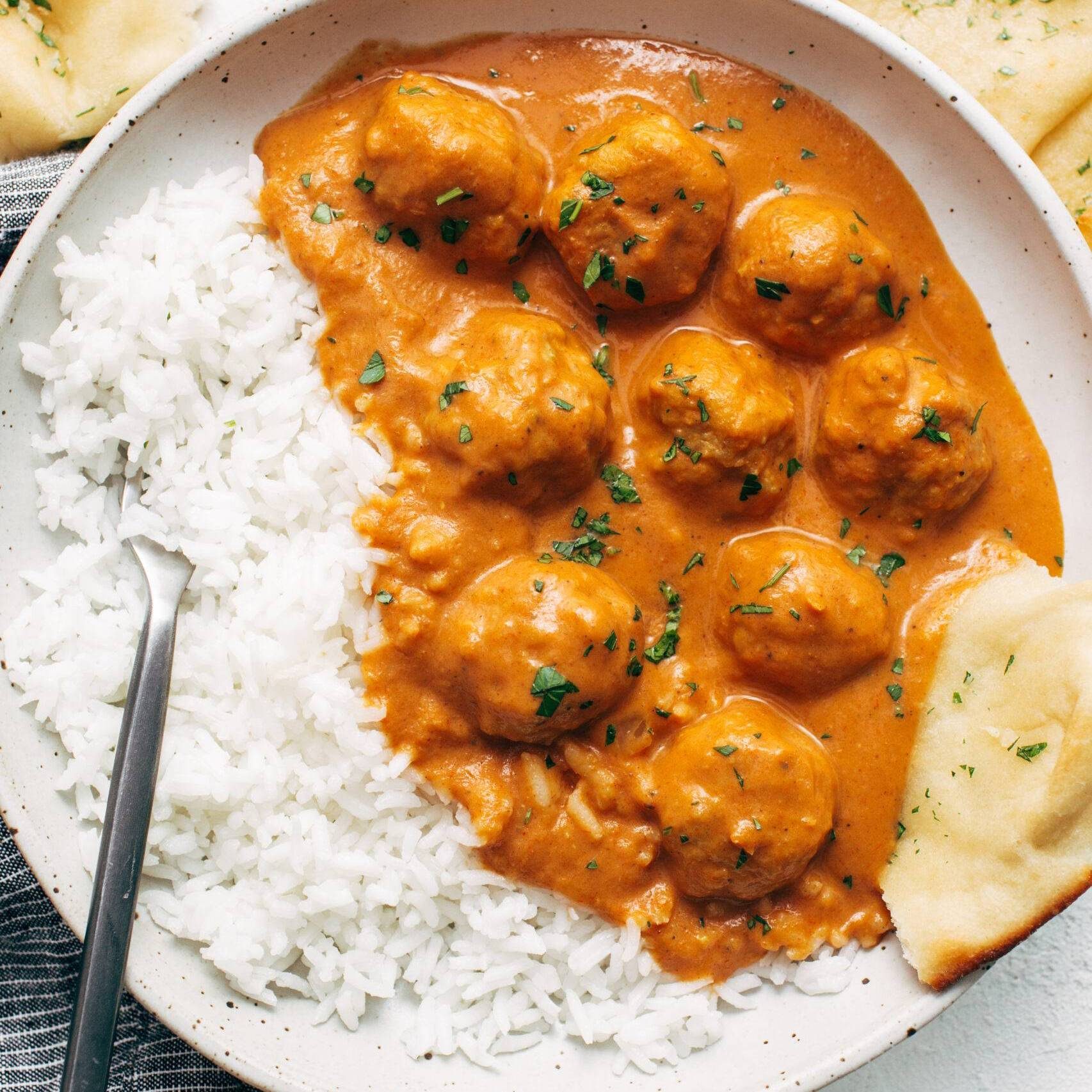
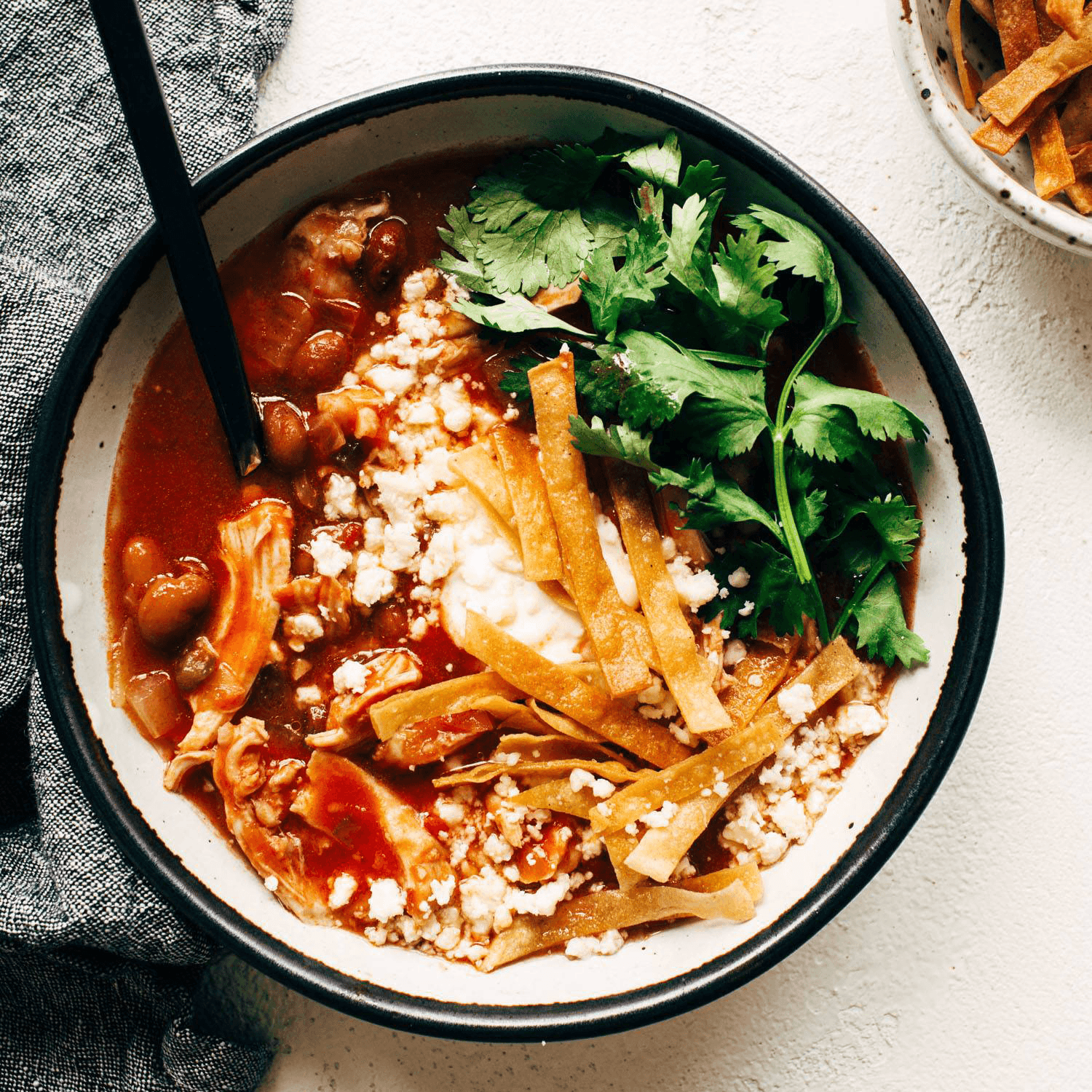
Data from the Bureau of Labor Statistics on consumer expenditure suggests that households that engage in consistent meal planning and bulk purchasing can significantly reduce their food-at-home costs compared to households that rely on daily, spontaneous procurement. The September freezer stash model prioritizes high-yield recipes—specifically pumpkin muffins, butter chicken, chicken tortilla soup, and ricotta meatballs—which demonstrate high freezer stability and caloric density suitable for the fall season.
Chronology of Implementation
The implementation of a successful freezer stash follows a specific chronological sequence designed to maintain food safety and flavor integrity.
- Inventory and Procurement: The process begins with a comprehensive audit of existing freezer space and a prioritized shopping list. Procurement is generally completed 24 to 48 hours prior to the "assembly day" to ensure ingredients are at peak freshness.
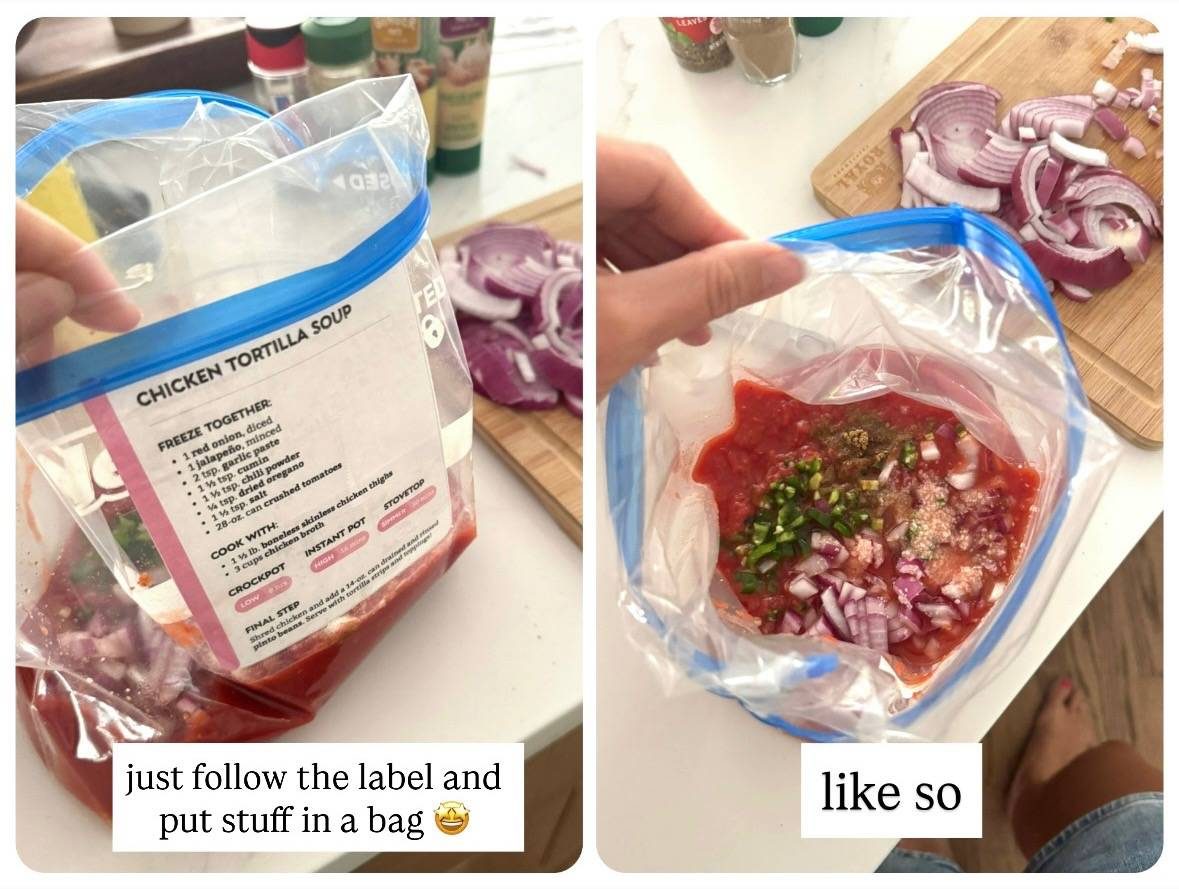
- The Assembly Phase: This stage involves the simultaneous preparation of multiple meals. For recipes like butter chicken and chicken tortilla soup, ingredients are combined in bags. This requires precise portion control to ensure even thawing and cooking times later.
- Thermal Processing and Storage: For items such as muffins or meatballs, the recipes often dictate a pre-baking or flash-freezing phase. Flash-freezing on parchment-lined trays prevents ingredient clumping, which is essential for maintaining the aesthetic and textural quality of the final product.
- Long-term Preservation: Once frozen, items are dated and indexed. Standard industry guidelines recommend consuming frozen, pre-cooked meals within three to six months to prevent freezer burn and oxidation, though properly sealed vacuum-packed items can often retain quality for longer periods.
Nutritional Analysis and Culinary Methodology
The recipes selected for the September stash demonstrate a balanced approach to macronutrient distribution. The pumpkin muffin recipe utilizes whole grains, specifically oats, which provide sustained energy through complex carbohydrates. The integration of high-protein, low-fat options such as chicken thighs and lean ground meats ensures the meals remain nutritionally dense without excessive saturated fats.
From a culinary perspective, the transition from raw to cooked state in a slow cooker or pressure cooker (Instant Pot) is a critical variable. The use of an immersion blender, particularly for the butter chicken sauce, is a professional-grade technique that improves the emulsification of fats and aromatics, resulting in a restaurant-quality finish that is often lost in traditional home-cooking environments.
Economic and Behavioral Implications
The broader impact of adopting a structured freezer-meal system extends beyond simple convenience. Behavioral economists have noted that "choice architecture"—the way in which options are presented—has a profound impact on consumption habits. When nutritious, pre-prepared meals are readily available in the freezer, the barrier to choosing a healthy option decreases, while the reliance on higher-cost, lower-nutrient fast food or delivery services is reduced.
Furthermore, the environmental implications of this system are noteworthy. By reducing food waste through controlled portioning and the utilization of ingredients before their expiration date, households can lower their overall carbon footprint. The ability to purchase ingredients in bulk, such as large containers of marinara or multipacks of proteins, further reduces plastic packaging waste associated with individual, single-serve meal purchases.
Expert Perspectives on Home Efficiency
Home economists and culinary experts often emphasize that the success of these initiatives relies on the "infrastructure" of the kitchen. A well-organized freezer—one that is audited regularly—prevents the "black hole" phenomenon, where items are lost and eventually discarded.
"The efficiency of a freezer stash is directly correlated to the level of detail in the preparation phase," says Sarah Jenkins, a home logistics consultant. "When users attach recipe cards or QR codes to their bags detailing cooking times, temperatures, and final finishing steps like adding heavy cream or fresh garnishes, they remove the cognitive load from the cooking process. It turns a chore into a seamless execution."
Standardizing the Workflow: A Four-Recipe Model
The current September framework highlights four distinct categories of preparation, each serving a different culinary purpose:
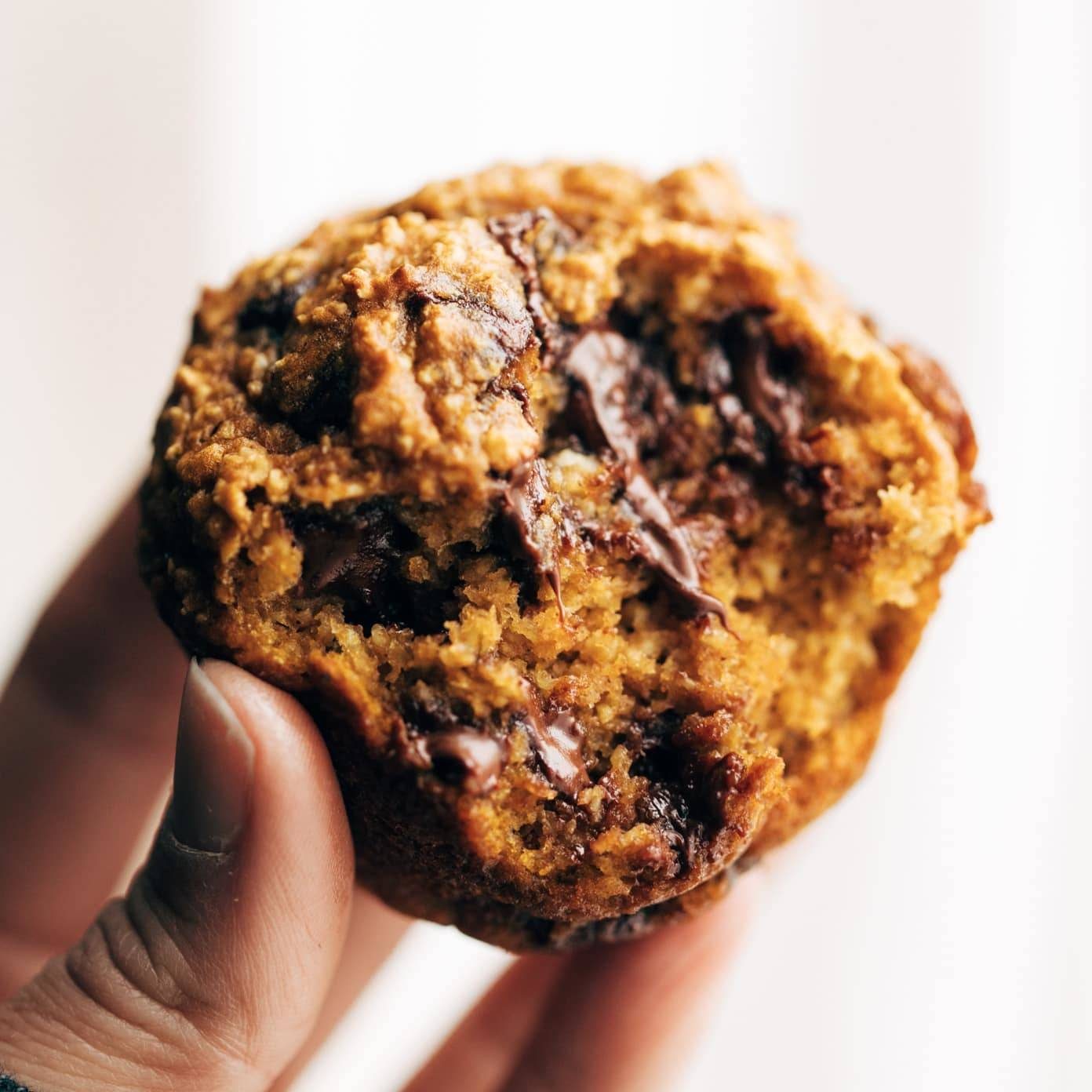
- The Breakfast Staple: Pumpkin muffins provide a high-frequency, grab-and-go solution. The use of a blender for the batter streamlines the preparation, minimizing cleanup time—a significant pain point for home cooks.
- The Comfort Main: The butter chicken and chicken tortilla soup represent the "dump-and-go" category. These recipes are optimized for crockpot or pressure cooker use, requiring minimal active time upon retrieval from the freezer.
- The Protein-Dense Entrée: The ricotta meatball recipe serves as a versatile anchor for a larger dinner. By freezing these in dual batches, the household ensures that it has a fallback option that can be paired with various sides, such as pasta, garlic bread, or fresh greens.
Future Considerations for Freezer Management
As energy costs fluctuate, the efficiency of freezer utilization becomes an even more relevant topic. A full freezer is significantly more energy-efficient than an empty one, as the frozen items act as a thermal mass, keeping the temperature stable. Thus, maintaining a "stash" is not merely a lifestyle preference but a practical way to maximize the performance of kitchen appliances.
The scalability of these recipes allows them to be adjusted for varying household sizes. For a family of four, the provided quantities offer a balance between variety and storage capacity. For larger families or those looking to expand their preparation, the modular nature of the bags allows for linear scaling.
Conclusion: The Sustainability of Preparedness
The trend toward mini freezer stashes is a logical response to the complexities of modern living. By integrating professional culinary techniques with personal time management, households can achieve a high level of dietary stability. The September initiative, characterized by its reliance on seasonal ingredients and low-maintenance preparation, serves as a template for those looking to regain control over their household food consumption. As this practice continues to gain popularity, the development of more sophisticated storage technologies and recipe databases will likely further refine the efficiency and appeal of freezer-based meal management.
Ultimately, the objective of the freezer stash is to transform the kitchen from a site of daily stress into a hub of efficient, sustainable, and reliable nutrition. Through the application of the methodologies outlined—consistent labeling, proper temperature control, and the strategic selection of recipes—individuals can ensure that even in the most demanding seasons, their nutritional needs are met with precision and quality.
