
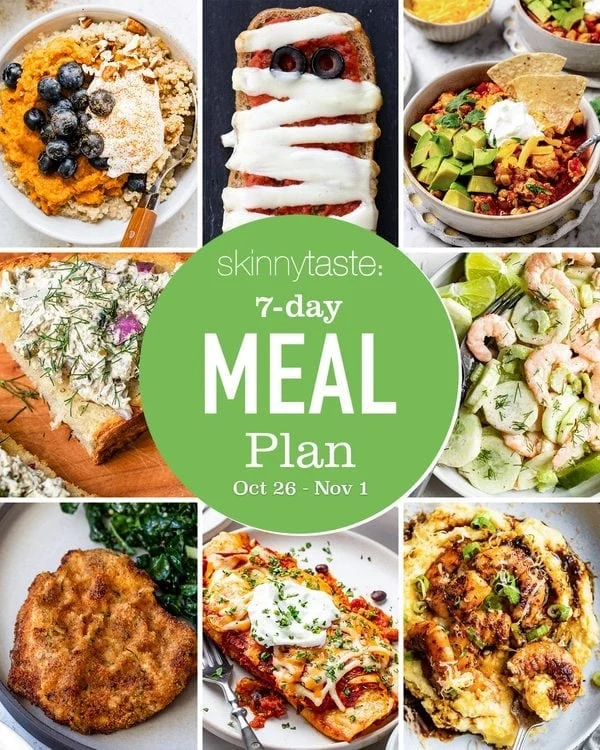
As the calendar turns toward the final week of October, the intersection of seasonal holiday festivities and the maintenance of long-term nutritional health presents a unique challenge for households. The week of October 26 to November 1 marks a transition period where the culinary indulgences associated with Halloween often conflict with structured dietary goals. To address this, a comprehensive, flexible meal planning framework has been developed to provide a roadmap for balanced nutrition, cost-effective grocery management, and the integration of holiday-themed meals that align with health-conscious lifestyle choices.
The Strategic Value of Structured Meal Planning
The methodology behind this seven-day plan is rooted in the principles of logistical efficiency and nutritional consistency. Data from consumer research consistently demonstrates that meal planning serves as a critical defense against rising food costs and the tendency toward impulse dining. By establishing a rigid, yet flexible, inventory of ingredients for the week, individuals can mitigate the economic impact of inflationary pressures currently affecting grocery pricing.
Beyond financial considerations, the logistical benefits are significant. A pre-established shopping list, which aligns with the specific caloric and macronutrient needs of the individual, reduces the time spent on daily decision-making and limits food waste. According to current nutrition guidelines, maintaining a consistent intake of whole foods—including lean proteins, fiber-rich grains, and diverse produce—is essential for sustaining energy levels during high-stress periods like the end-of-month transition.
Chronological Nutritional Overview
The structured plan for the week of October 26 through November 1 is divided into weekday individual portions and weekend family-style servings, reflecting the shift in domestic dynamics during the week compared to the weekend.
Monday and Tuesday: Establishing the Baseline
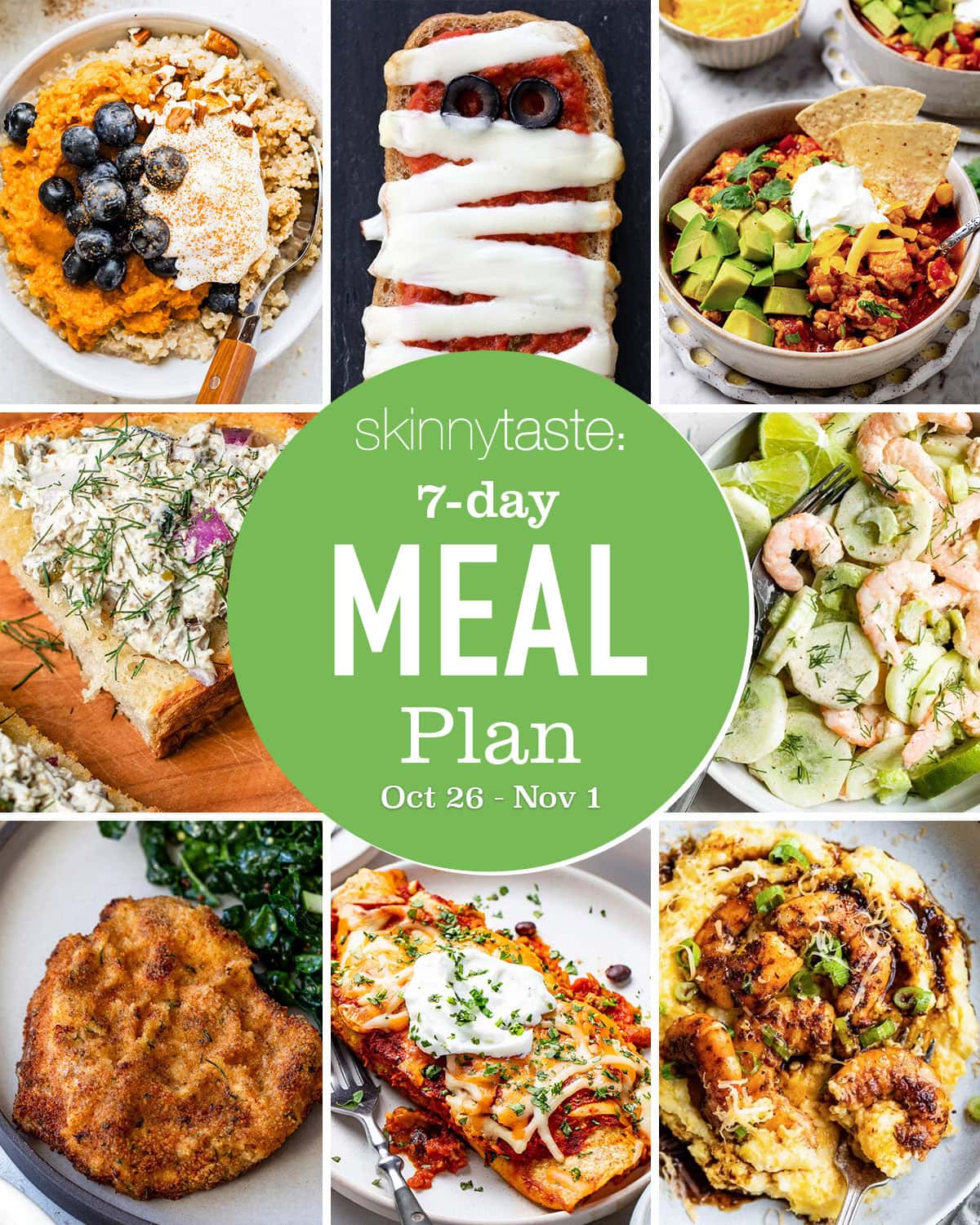
The week commences with a focus on high-protein, low-glycemic index meals. Monday features Chorizo Egg Bites complemented by cherry tomatoes, establishing a nutrient-dense start. The inclusion of Sardine Salad on sourdough bread for lunch emphasizes omega-3 fatty acid intake, a key component of cardiovascular health. Dinner transitions into Spicy Sriracha Tofu Rice Bowls, providing a plant-based protein alternative that serves as a cornerstone for the week’s meat-reduction goals.
Tuesday continues the theme with a focus on lean poultry. The Turkey and Black Bean Enchiladas are designed to provide significant satiety. Nutritionists often advocate for the inclusion of legumes like black beans for their high fiber content, which aids in blood sugar regulation.
Wednesday and Thursday: Efficiency Through Repurposing
Mid-week strategies focus on the efficient use of leftovers to reduce preparation time. By incorporating the Turkey and Black Bean Enchiladas into Wednesday’s lunch rotation, the plan adheres to the principle of "batch cooking," which is widely recognized as a primary tool for maintaining diet adherence. Thursday’s dinner introduces Pork Milanese paired with a Kale and Apple Salad, introducing a wider variety of micronutrients through dark, leafy greens and seasonal fruit.
Friday and Saturday: Seasonal Integration
As the week approaches the Halloween weekend, the menu shifts to accommodate festive, yet nutritionally viable, options. Friday concludes the work week with Blackened Shrimp and Grits, followed by a Saturday menu that acknowledges the holiday. Saturday’s inclusion of French Bread Pizza Mummies and Crockpot Turkey Chili allows for a festive environment without the excessive caloric density often found in processed convenience foods. These recipes emphasize high protein content and the incorporation of vegetables, demonstrating that holiday-themed meals do not necessitate a compromise in nutritional quality.
Sunday: Transition and Preparation
The final day of the cycle, November 1, focuses on lighter fare, including a Sweet Potato Quinoa Breakfast Bowl and a Creamy Shrimp and Celery Salad paired with Broccoli Cheddar Soup. The plan allows for a dinner out, recognizing that flexibility is a vital component of long-term dietary sustainability.

Nutritional Guidelines and Data Analysis
It is essential to note that the caloric figures presented in this plan—ranging from approximately 800 to 1,300 calories per day for the listed meals—are intended as a structural guide rather than a one-size-fits-all prescription. Dietary requirements are highly individualized, determined by factors such as age, biological sex, metabolic rate, and physical activity levels.
Health organizations, including the USDA and various national health institutes, generally suggest a baseline intake for adults that is often higher than the core figures provided in this specific menu. The design of this plan acknowledges this by encouraging the inclusion of supplemental snacks, beverages, and additional portions based on the user’s specific caloric goals, with many experts suggesting a minimum of 1,500 calories per day for women to ensure adequate nutrient intake.
Economic and Practical Implications
The broader implications of utilizing a structured meal plan extend beyond the individual kitchen. In the current economic climate, the "cost-per-serving" metric has become a primary driver of household management. By purchasing bulk ingredients—such as quinoa, dried spices, and proteins—that are used across multiple recipes in this plan, the consumer can effectively lower the average cost of each meal.
Furthermore, the environmental impact of such planning is noteworthy. By inventorying food needs before shopping, households are less likely to over-purchase perishable goods that ultimately contribute to the growing global crisis of food waste. The use of a centralized grocery list acts as a mechanism for behavior change, guiding consumers away from the aisles of processed, pre-packaged foods that typically carry higher price points and lower nutritional value.
Community and Resource Integration
The evolution of digital meal planning has fostered a sense of community among those pursuing health goals. Peer-to-peer support platforms, such as dedicated social media groups, allow users to troubleshoot challenges, share modifications, and maintain motivation. This collaborative approach provides an accountability structure that is often missing from traditional "dieting" methods.
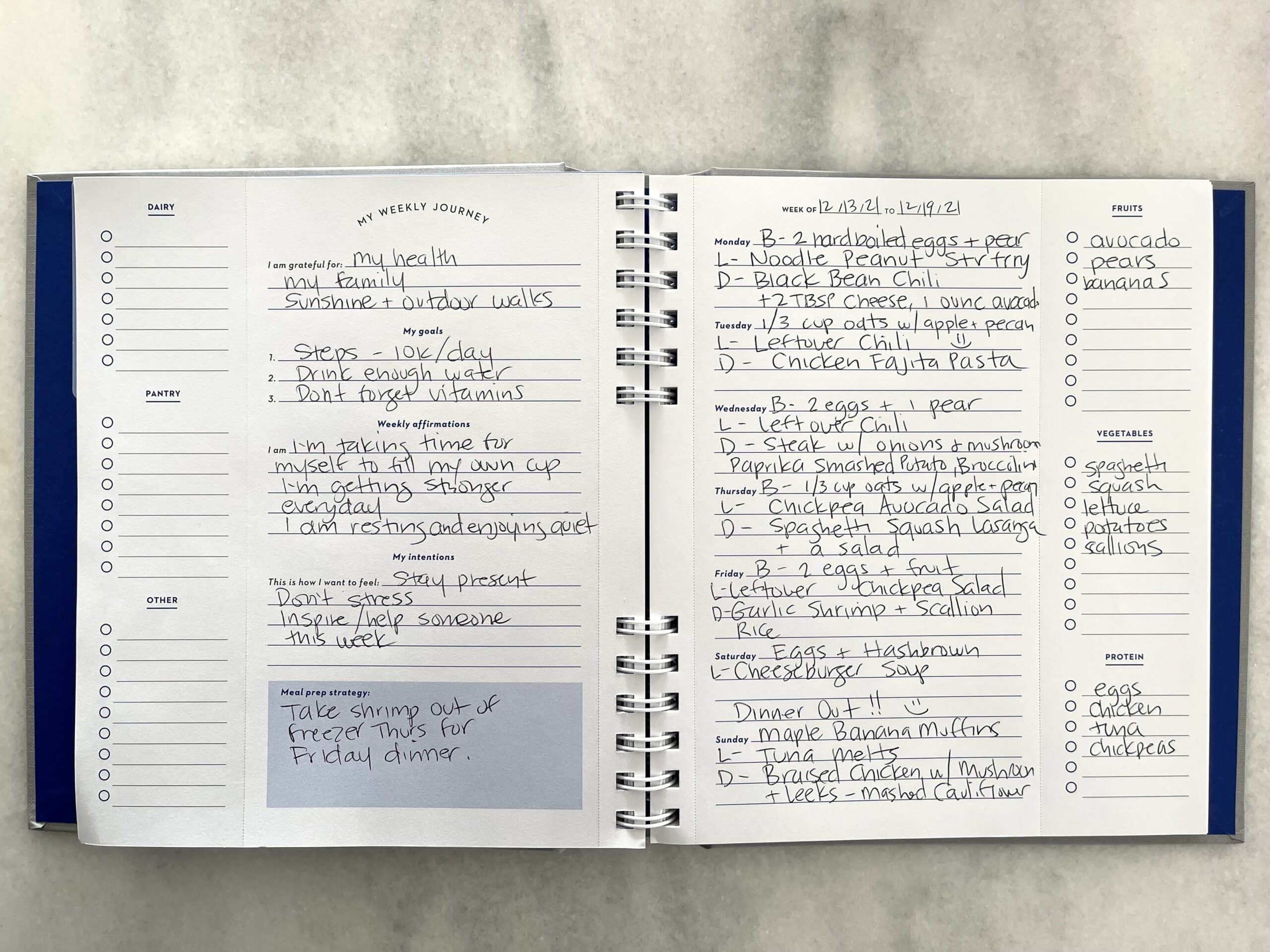
Additionally, the use of professional-grade tools—such as spiral-bound meal planners that include sections for gratitude and intention setting—highlights a holistic approach to wellness. Integrating psychological components, such as mindfulness, into the physical act of eating and planning has been shown in recent studies to improve the success rate of individuals attempting to lose weight or maintain a healthy body mass index (BMI).
Conclusion
The strategy of planning meals for the week of October 26 to November 1 serves as a practical model for balancing the complexities of modern life with the necessity of biological health. By prioritizing preparation, leveraging seasonal ingredients, and maintaining the flexibility to adjust for caloric needs and social engagements, individuals can successfully navigate the transition into the holiday season. The success of such a program relies not on rigid adherence to a restrictive regimen, but on the disciplined application of a flexible, well-organized framework that supports both physical health and economic stability.
