
Halloween has evolved from its ancient origins as the Celtic festival of Samhain into a significant cultural and commercial phenomenon, particularly within the United States. As October 31 approaches, the culinary landscape shifts to reflect a thematic focus on autumn flavors, playful aesthetics, and communal dining. Modern observers often utilize this period to integrate convenience-focused preparation with elaborate, thematic presentations, ranging from ten-minute dessert assemblies to complex, savory centerpieces that anchor social gatherings.
The Historical and Cultural Evolution of Halloween Dining
The transition of Halloween into a major culinary event is largely attributed to the expansion of the commercial confectionary market in the mid-20th century. While the holiday was once rooted in agrarian cycles and the marking of the harvest’s end, contemporary American traditions prioritize the sensory experience of "spooky" food. Data from the National Retail Federation consistently indicates that Halloween spending on food and candy remains a cornerstone of the holiday, often exceeding billions of dollars annually.
The integration of specific foods—such as candy corn, pumpkin-based dishes, and apple-flavored desserts—reflects a period of harvest transition. Culinary historians note that the use of "mummy," "vampire," or "ghost" motifs in food presentation serves to bridge the gap between childhood engagement and adult-oriented social hospitality.
Strategic Meal Planning for October Celebrations
Successful seasonal hosting requires a structured approach to menu planning, balancing labor-intensive projects with high-impact, low-effort alternatives. Professionals in the catering and event-planning space suggest a "staggered preparation" model. This approach involves:
- Advance Assembly (72 hours prior): Preparing shelf-stable or refrigerator-safe components such as chocolate bark, themed cookies, or non-perishable snack mixes.
- Day-of Execution (4–6 hours prior): Preparing items requiring fresh baking or specific temperature maintenance, such as puff pastry-wrapped brie or warm appetizers.
- Last-Minute Finishing (1 hour prior): Assembling interactive components, such as decorative toppings or final plating, to ensure freshness and visual appeal.
Categorical Breakdown of Seasonal Fare
Confectionery and Dessert Architecture
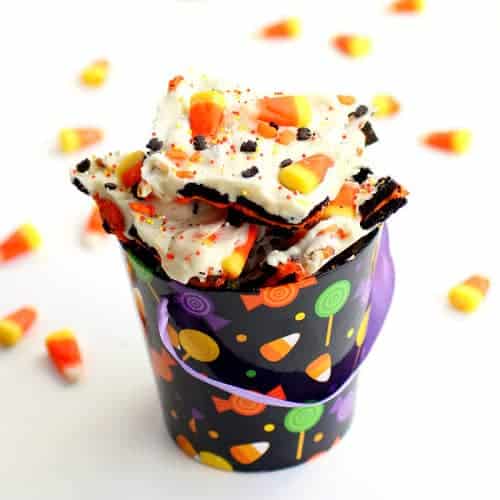
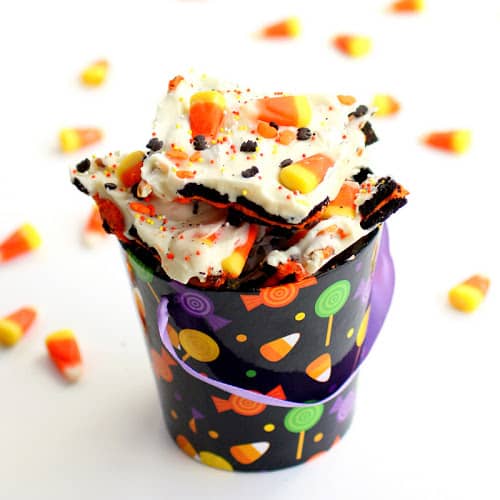
The foundation of many Halloween gatherings lies in the dessert table. Chocolate bark, infused with seasonal elements like candy corn, pretzels, or pumpkin seeds, provides a high-yield solution for large parties. From a structural standpoint, the tempering of chocolate is critical for durability, ensuring that the bark maintains its integrity at room temperature.
Interactive and Child-Centric Nutrition
When catering to younger demographics, the focus shifts toward "edible crafts." Items such as Dracula dentures—constructed from sliced apples, marshmallows, and almond slivers—provide a tactical way to encourage fruit consumption while adhering to the holiday’s aesthetic. Experts in pediatric nutrition suggest that involving children in the assembly of these snacks increases the likelihood of consumption and provides a supervised activity that mitigates the potential for excessive sugar intake.
Sophisticated Savory Offerings
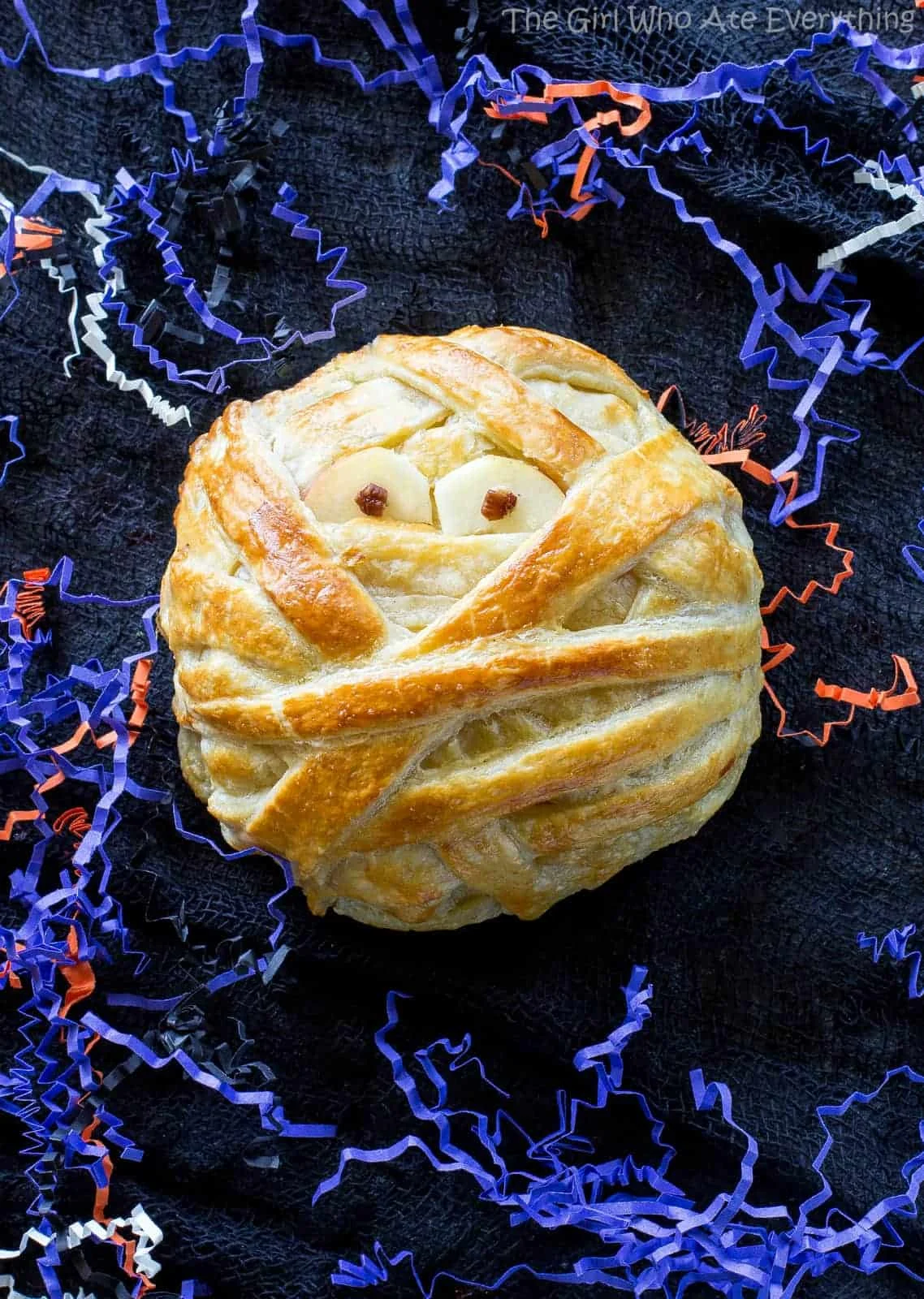
For adult-centric gatherings, the "mummy" motif has been successfully applied to savory items, most notably baked brie wrapped in puff pastry. This dish utilizes the thermal properties of pastry dough to create a visually striking, warm, and communal appetizer. The incorporation of cinnamon, pecans, and brown sugar aligns with the autumn flavor profile, creating a synthesis of sweet and savory that is a hallmark of late-October menus.
Themed Main Courses
Spooky-themed dinners, such as modified Shepherd’s Pie or carved vegetable platters, represent an effort to sustain the holiday theme through the main course. By utilizing mashed potatoes as a canvas for decorative piping or using black-tinted vegetables to create contrast, hosts can maintain a cohesive aesthetic without sacrificing the nutritional quality of the meal.
Economic and Social Implications
The trend toward thematic, DIY-heavy Halloween dining has significant economic implications for the grocery and specialty food sectors. Retail data suggests that there is a marked increase in the purchase of decorative baking supplies, specialized puff pastries, and high-quality chocolate during the final two weeks of October. This uptick in demand allows retailers to optimize inventory management, focusing on seasonal staples that offer higher margins than standard pantry items.
Furthermore, the surge in "spooky" culinary content on digital platforms reflects a shift in social dynamics. The ability to produce aesthetically pleasing, shareable food has become a status indicator for hosts. This phenomenon is supported by the growth of food-centric social media, where the visual presentation of a dish is often considered as vital as its flavor profile.
Chronological Trends in Seasonal Consumption
The consumption patterns during the Halloween season typically follow a predictable arc:

- Early October: Focus on pumpkin and squash-based recipes, reflecting the peak of the harvest season.
- Mid-October: Increase in baking-related activities, specifically cookies and pastries that can be frozen or stored.
- Late October (October 25–31): Focus on fresh, party-ready items, including warm appetizers and thematic main courses.
- Post-Halloween: A notable shift toward utilizing leftover candy in baked goods, a practice often encouraged by culinary influencers to reduce waste.
Expert Perspectives on Seasonal Hospitality
Professional chefs emphasize that the key to successful holiday hosting is the "principle of three": one high-effort item, one medium-effort item, and one "store-bought-and-dressed" item. This strategy prevents the host from becoming overwhelmed, ensuring that the labor is distributed efficiently across the planning period.
In response to the demand for "tasty fall soup recipes," culinary experts suggest that soups remain the most effective "filler" for large groups. Soups, such as those featuring root vegetables or roasted pumpkin, are cost-effective, scalable, and can be prepared 24 to 48 hours in advance, often improving in flavor as they sit. This aligns with the broader move toward stress-free, ingredient-focused seasonal eating.
Broader Impact and Future Outlook
The cultural integration of Halloween into the culinary calendar shows no signs of waning. As food technology advances, we may see an increase in the use of natural food dyes, healthier alternatives to traditional candy, and sustainable packaging for party snacks. The emphasis on "spooky" food serves as a psychological tool that helps individuals mark the transition from the warmth of summer to the dormancy of winter.
By analyzing the intersection of tradition and modern convenience, it becomes clear that Halloween is no longer just a day for costumes and confectionery. It has become a legitimate culinary holiday, characterized by a sophisticated blend of nostalgia, creativity, and strategic organization. Whether through the preparation of a simple tray of cookies or the execution of an elaborate dinner, the effort invested in these seasonal traditions continues to serve as a vital component of communal life and social connectivity in the modern era. As the season progresses, the focus remains on the balance between aesthetic novelty and the enduring comfort of fall-inspired ingredients, ensuring that the culinary traditions of October continue to evolve in tandem with the tastes of the public.
