
Historical Context and the Evolution of the Monster Cookie
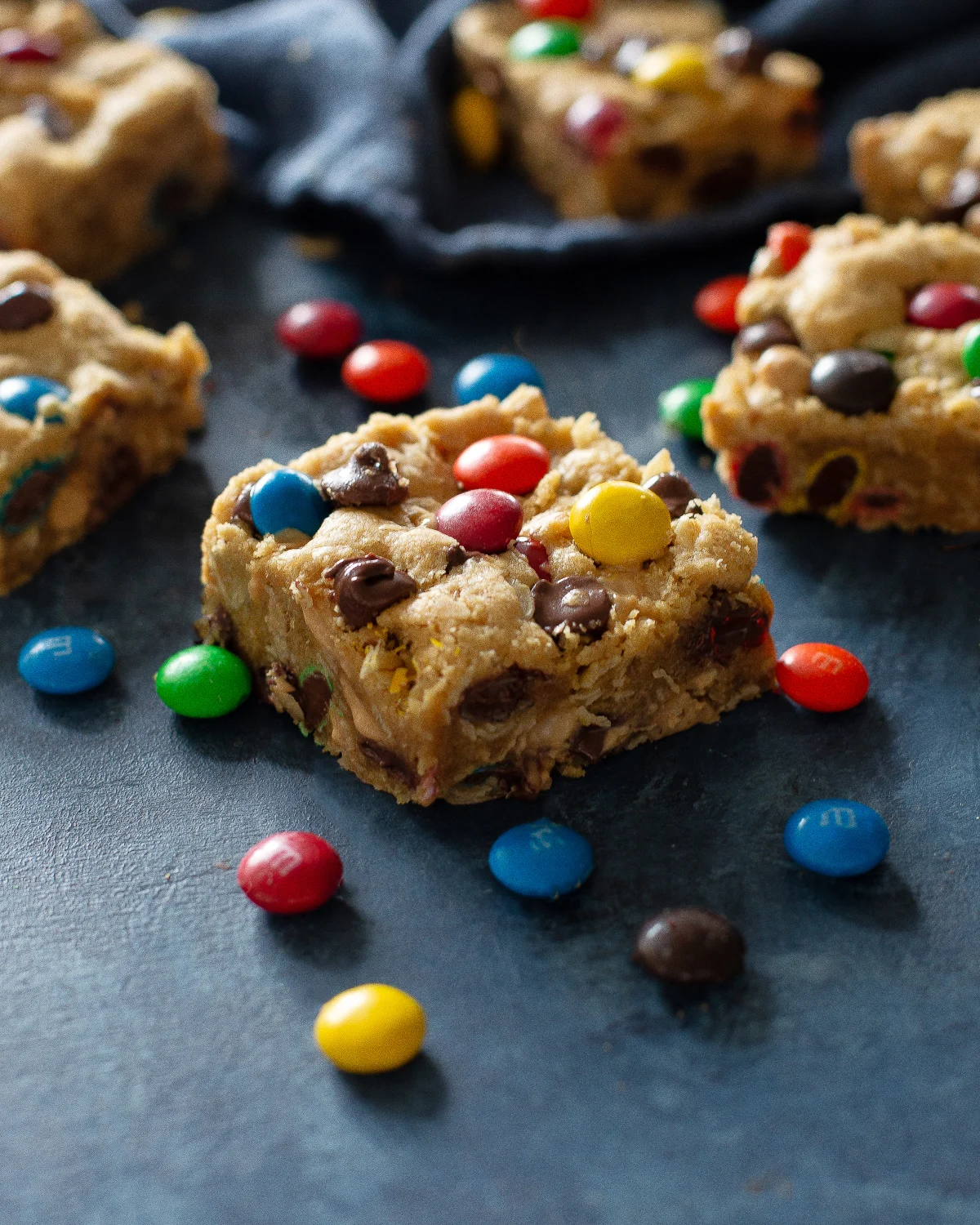
The "Monster Cookie" occupies a distinct place in mid-20th-century American baking history. While the precise origin remains subject to culinary folklore, the concept—a flourless or low-flour oatmeal base heavily fortified with peanut butter, chocolate chips, and colorful candy-coated chocolates—gained significant popularity in the Midwest during the 1970s and 1980s. Historically, these cookies were characterized by their substantial size and heavy inclusion profile.
The transition to a bar format represents a modern adaptation of these traditional recipes. In a standard cookie-making process, a baker must manually scoop, roll, and space out multiple batches of dough, often requiring multiple rotations in the oven. The bar format eliminates this labor, shifting the preparation model toward a "one-bowl, one-pan" assembly line. This shift is consistent with contemporary food technology and culinary journalism, which increasingly emphasize the reduction of active labor time in the kitchen.
Culinary Composition and Technical Innovations
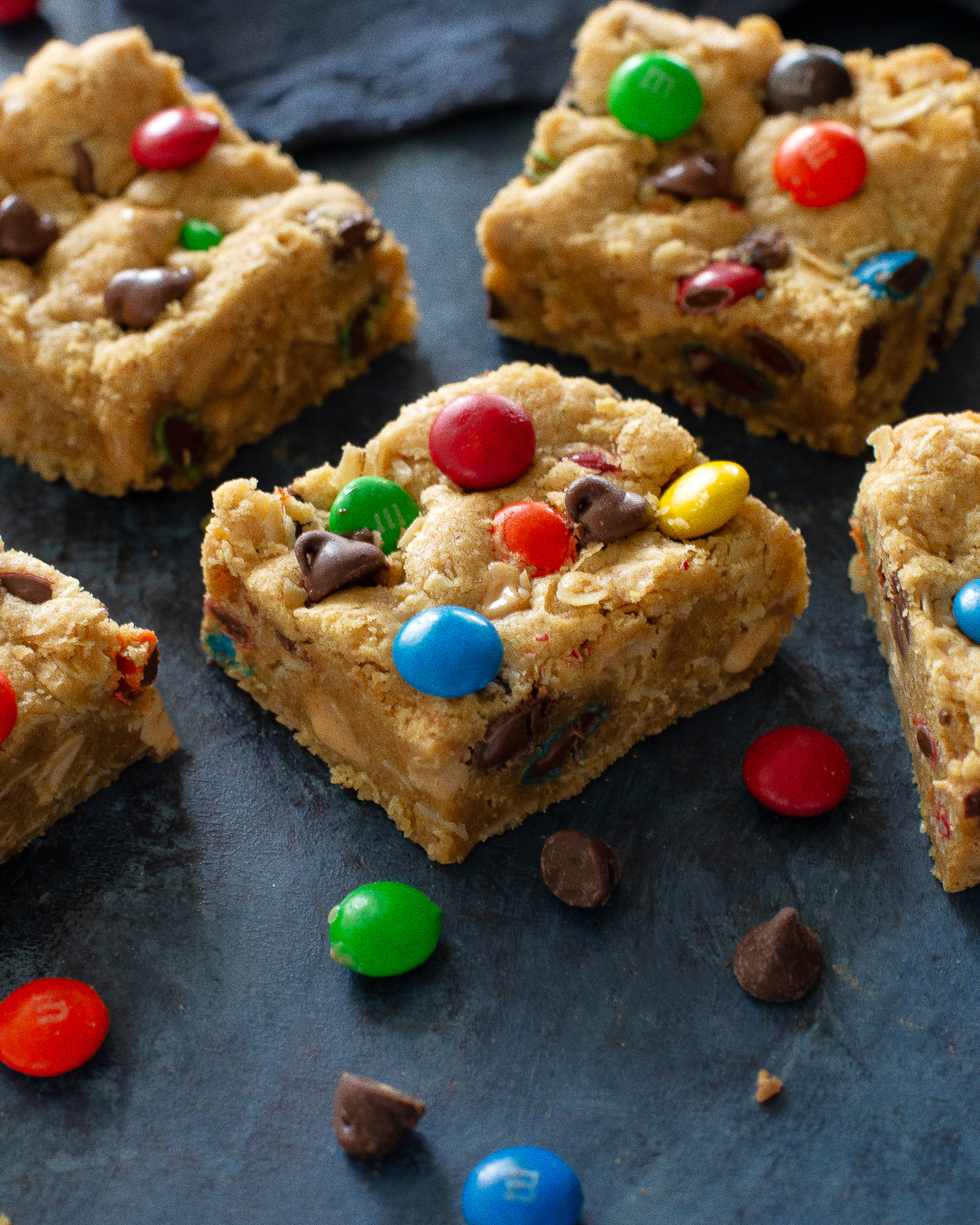
The structural integrity of a bar cookie differs significantly from that of a standard drop cookie. To achieve a soft, chewy texture that persists over several days, bakers have adopted specific technical adjustments. Analysis of modern recipes indicates that the inclusion of an extra egg yolk is a critical intervention. The additional fat and protein from the yolk act as an emulsifier, preventing the crumb from becoming overly dry or brittle—a common failure point in large-batch baked goods.
Furthermore, the integration of peanut butter chips alongside standard semi-sweet chocolate chips creates a dual-flavor profile that balances the saccharine intensity of the M&Ms. The addition of sea salt or a slightly higher salt-to-sugar ratio is a key culinary refinement; it functions to suppress the perception of cloying sweetness, highlighting the roasted notes of the peanuts and the cocoa solids in the chocolate.
From a chemistry perspective, the use of rolled oats provides the necessary fiber and structure to hold the heavy inclusions of candy and chips together. Without the structural scaffolding provided by the oats, a bar of this density would likely collapse or disintegrate when sliced.
Chronology of Preparation and Efficiency Metrics
The preparation of these bars is measured in a highly efficient timeline:
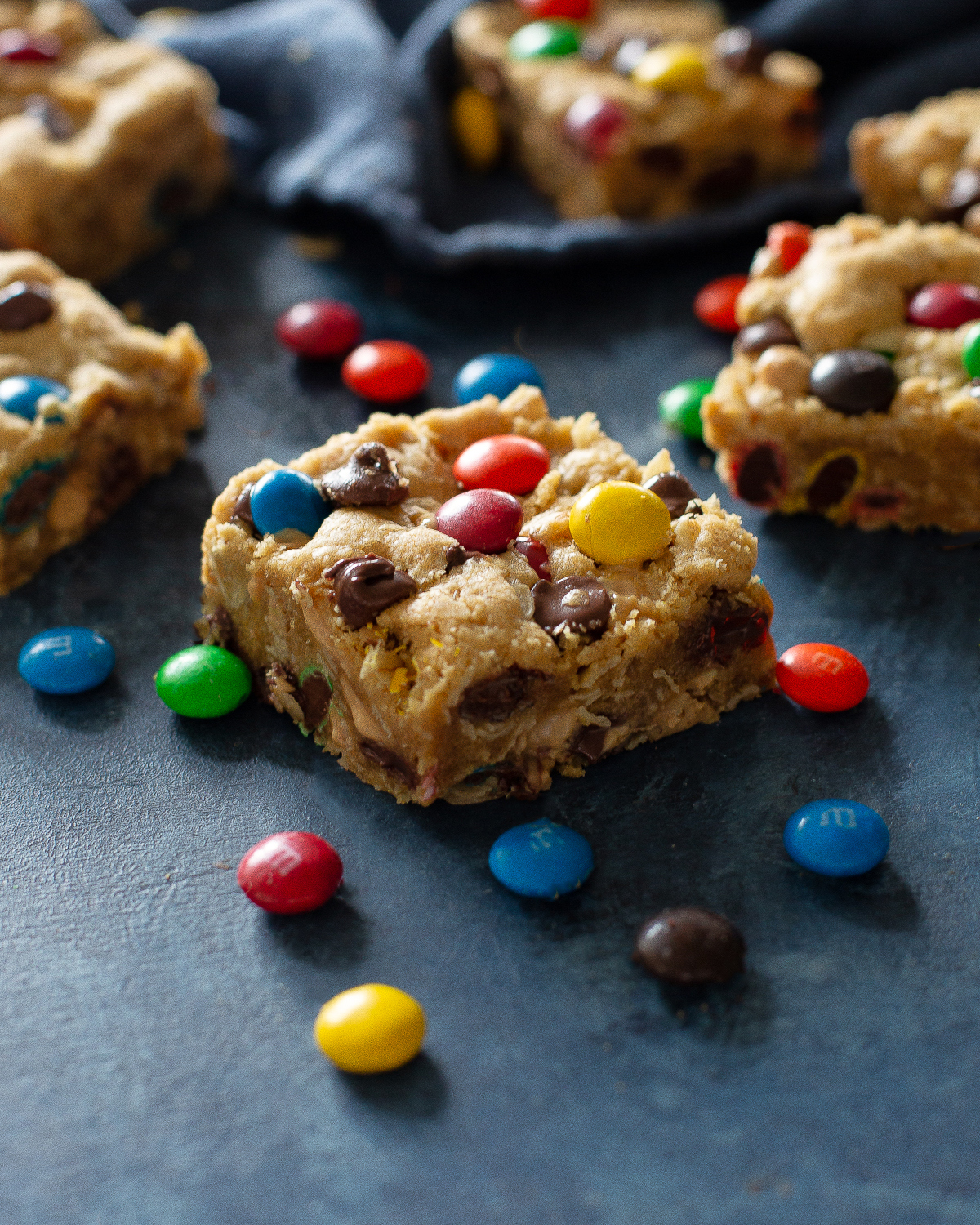
- Preparation Phase (10–15 minutes): This involves the creaming of butter and sugars, the integration of the peanut butter base, and the folding in of dry ingredients. The elimination of the "scooping" stage saves approximately 15 to 20 minutes of active kitchen time compared to traditional batch baking.
- Thermal Processing (20–25 minutes): The bars are baked at a moderate temperature. A critical observation for professional results is the "pull-time." Experienced bakers recommend removing the bars from the oven while the center appears slightly under-baked. This utilizes residual heat to finish the cooking process, ensuring the interior remains fudgy rather than cake-like.
- Cooling and Setting (60+ minutes): This period is essential for the stabilization of the fats (butter and peanut butter). Rushing the slicing process typically results in the bars crumbling, as the internal structure has not yet fully set.
Market Trends and Consumer Preferences
Data from the baking industry suggests a significant uptick in demand for "efficient" dessert recipes. As households navigate increasingly constrained time budgets, the preference for "tray-bakes" has surpassed the demand for individually decorated or shaped cookies. This is further supported by the popularity of high-yield recipes that scale easily. A standard 9×13-inch pan produces approximately 24 individual squares, making it an ideal unit of production for school events, office functions, and community gatherings.
Furthermore, the rise of "semi-homemade" cooking—where high-quality store-bought staples like M&Ms and peanut butter chips are incorporated into scratch-made bases—allows for a high degree of customization. Consumers often report that the predictability of the outcome is a primary driver for choosing the bar format over more temperamental dessert options like soufflés or delicate pastries.
Nutritional and Storage Considerations
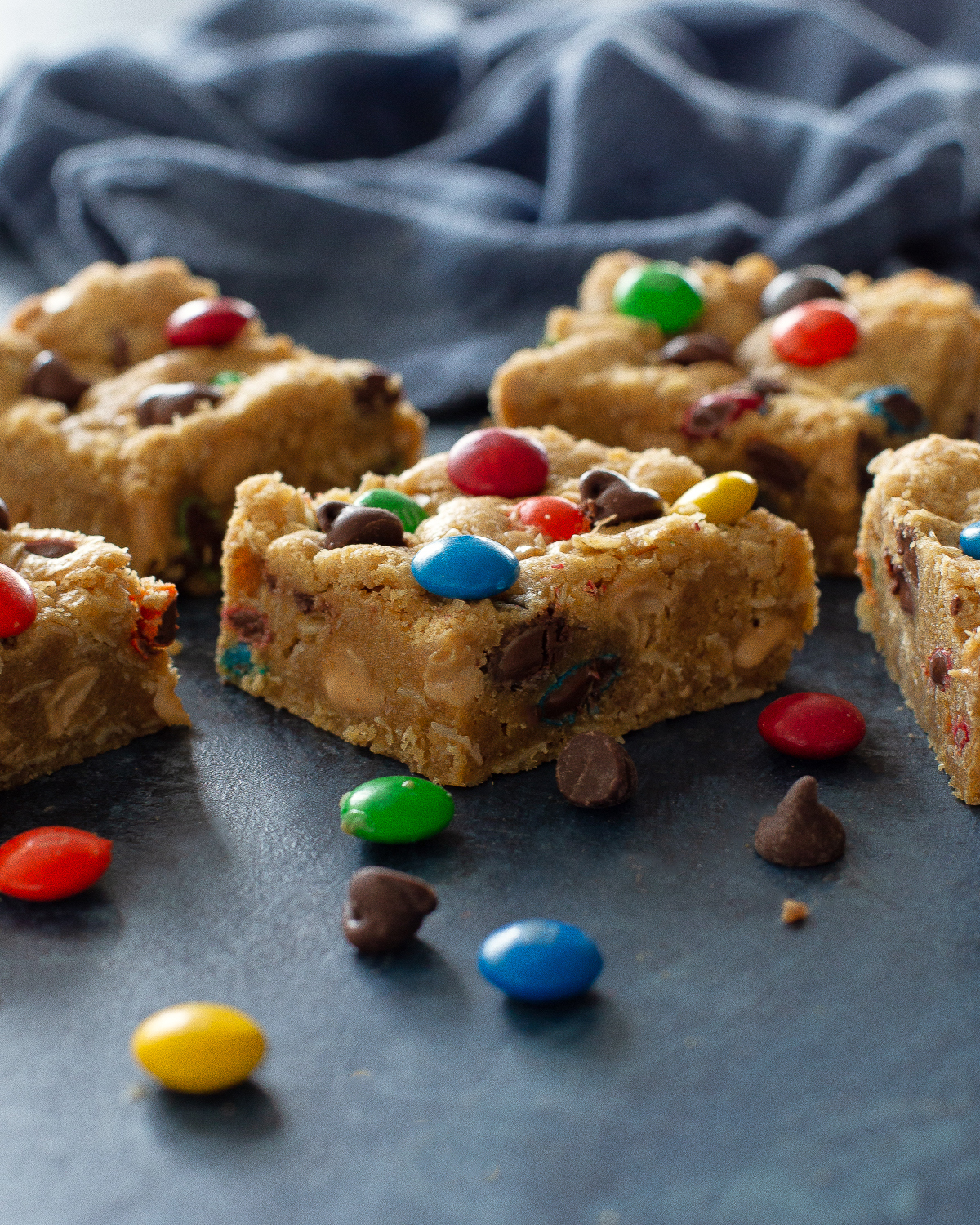
While these bars are intended as a high-calorie, indulgent dessert, practitioners of the craft emphasize proper storage to maintain quality. Given the high peanut butter content, which contains natural oils, storage in an airtight container at room temperature is recommended for up to four days. For longer-term storage, the bars exhibit excellent stability when frozen. Individual wrapping allows for portion control and preserves the chewy texture, preventing the "staling" process that occurs when starches undergo retrogradation.
One notable caveat from professional kitchens involves the choice of ingredients: the use of commercial, shelf-stable creamy peanut butter is preferred over "natural" peanut butter. Natural varieties, which often contain only peanuts and salt, have a tendency to separate, leading to oil pools that can compromise the structural integrity of the bar, causing it to become crumbly and greasy rather than chewy and cohesive.
Broader Culinary Implications
The persistence of the Monster Cookie Bar in the American domestic repertoire underscores the enduring popularity of comfort-based, high-inclusion desserts. Unlike high-concept molecular gastronomy or minimalist desserts, the Monster Cookie Bar relies on the synergy of familiar, high-fat, high-sugar ingredients that satisfy broad palatability requirements.
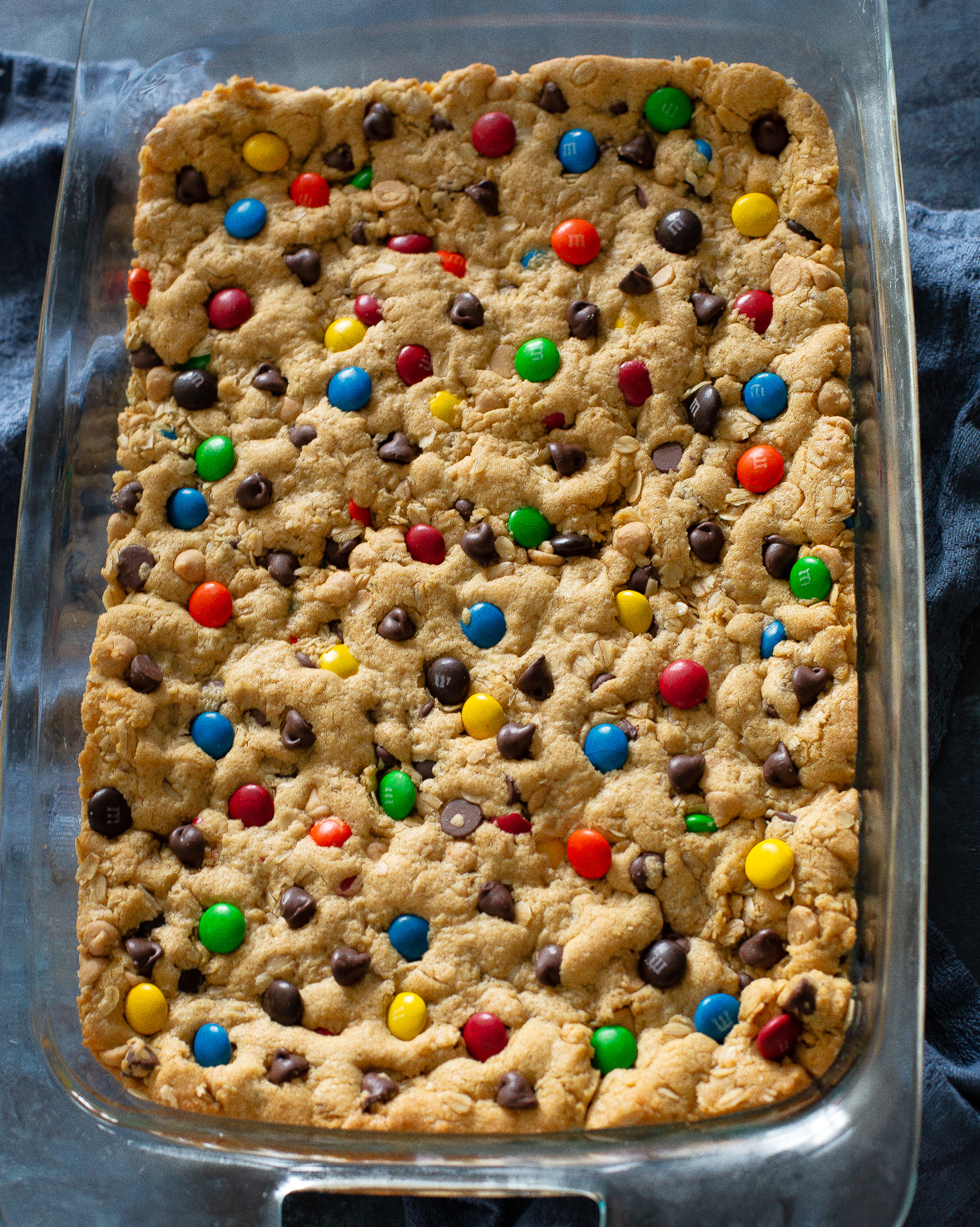
From a broader social perspective, the popularity of these bars reflects the "democratization" of baking. By simplifying the recipe to a single pan, the barrier to entry for novice bakers is lowered significantly. The success of the dish relies not on complex technique or expensive equipment, but on the quality of ingredients and the adherence to basic timing parameters. As a result, this recipe has cemented its position as a cornerstone of the modern American pantry, representing an intersection of tradition, convenience, and chemical precision.
Ultimately, the transformation of the traditional Monster Cookie into a bar is a testament to the ongoing evolution of home cooking. By adapting classic flavor profiles to fit the constraints and preferences of contemporary life, home bakers have ensured that these high-energy, flavor-dense desserts remain relevant. Whether for large-scale events or simple family consumption, the efficiency of the 9×13-inch pan ensures that this piece of Americana will continue to be a fixture in kitchens for years to come.
