
The Science of the Pork-Apple Pairing
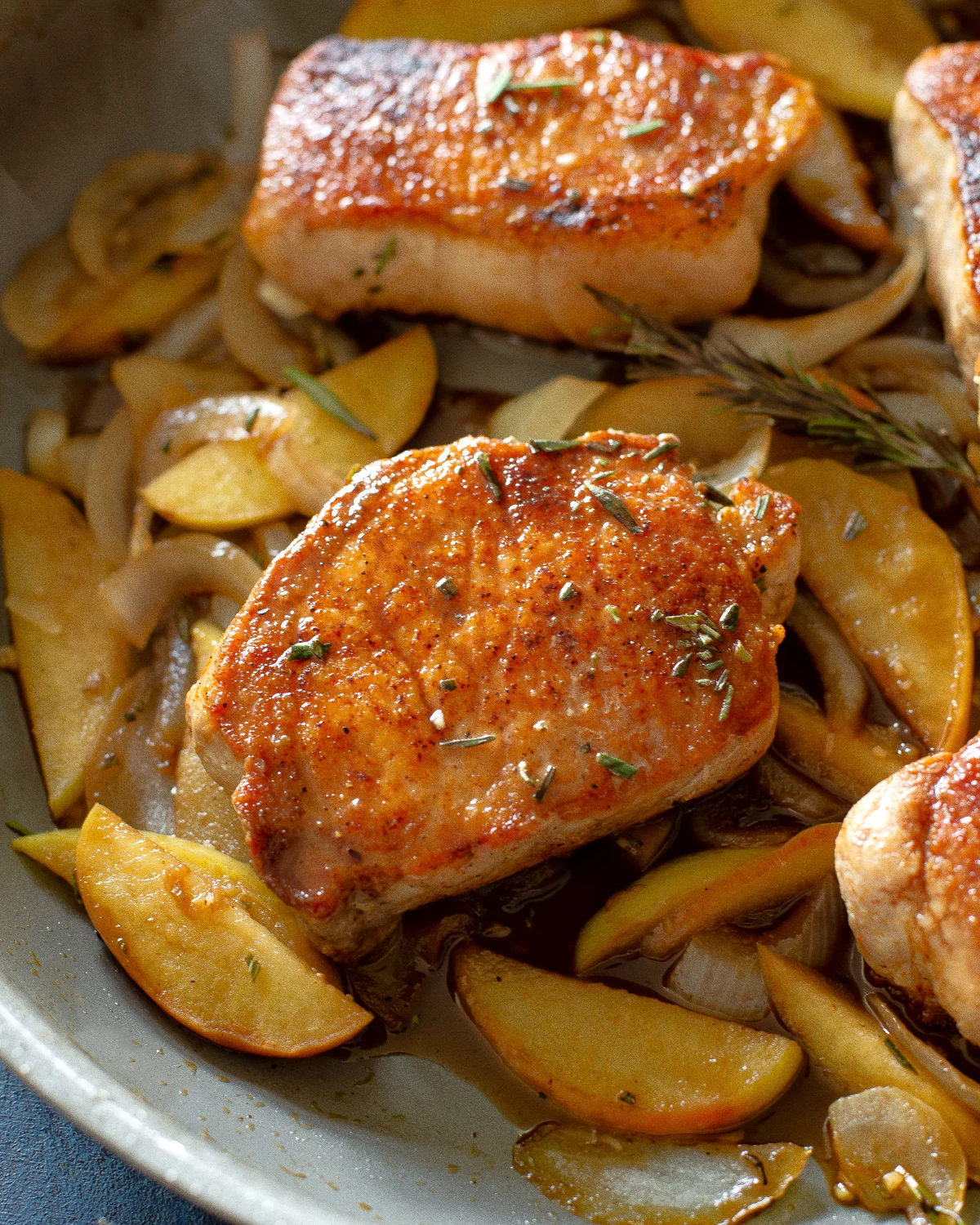
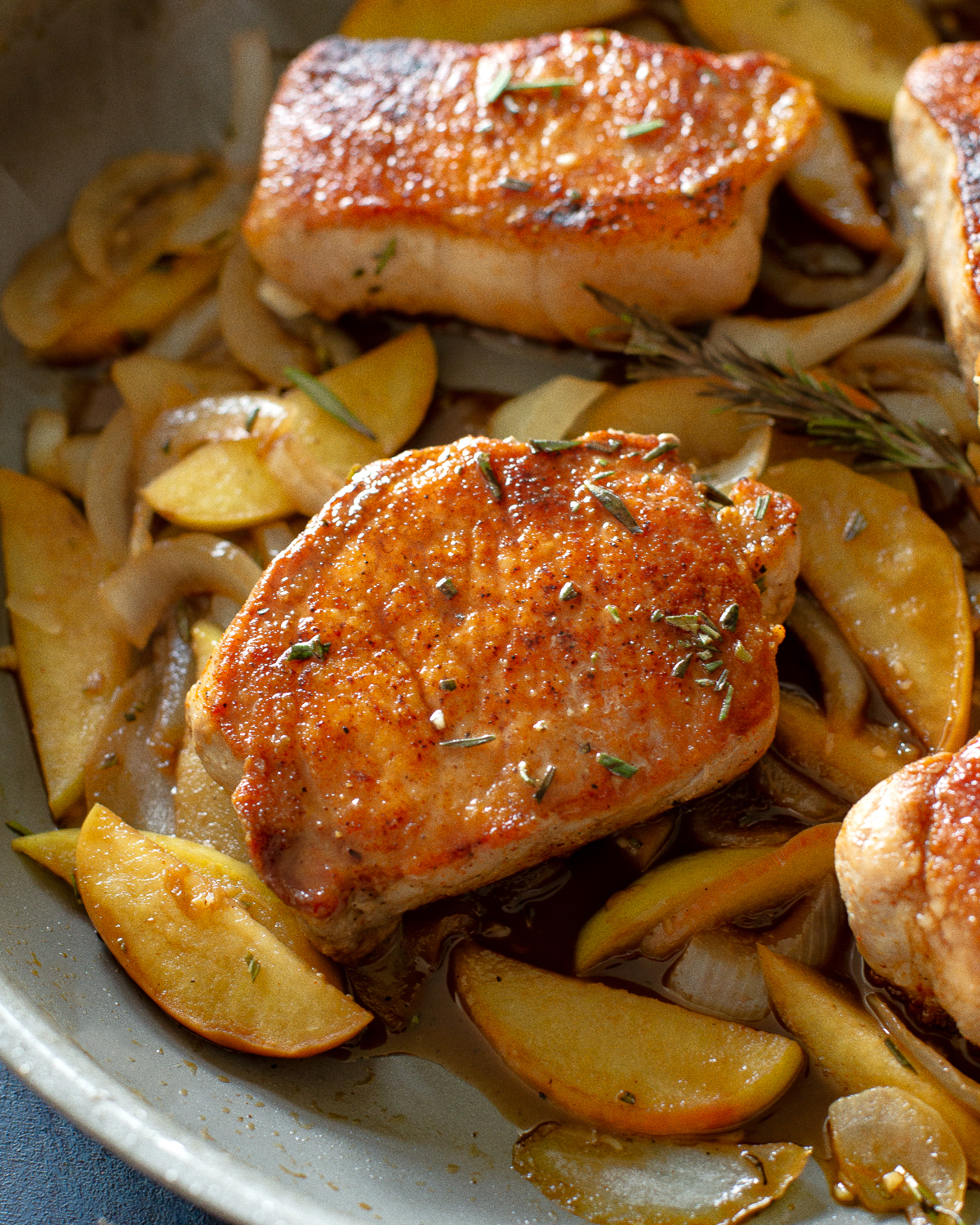
The culinary affinity between pork and apples is not merely a matter of personal preference but is rooted in chemical compatibility. Pork is a mild-flavored, relatively lean protein that benefits from the addition of fruit-based acidity. Apples, specifically those with high sugar-to-acid ratios like Honeycrisp or Pink Lady, provide a tartness that cuts through the savory fat profile of a pork chop. When cooked in apple cider, the pectin in the fruit thickens the pan sauce, while the residual sugars undergo a Maillard reaction—a chemical reaction between amino acids and reducing sugars that gives browned food its distinctive flavor. The addition of rosemary provides a resinous, pine-like aroma that bridges the gap between the fruit’s sweetness and the pork’s savory depth.
Chronology of Preparation and Culinary Technique
The preparation of this dish typically follows a rigid sequence to ensure optimal texture. The process begins with the selection of the protein. Culinary experts recommend bone-in, center-cut rib chops, ideally 1 to 1.5 inches in thickness. The bone serves as a heat conductor, helping the meat cook more evenly, while the extra fat content of the rib cut prevents the meat from drying out during the searing process.
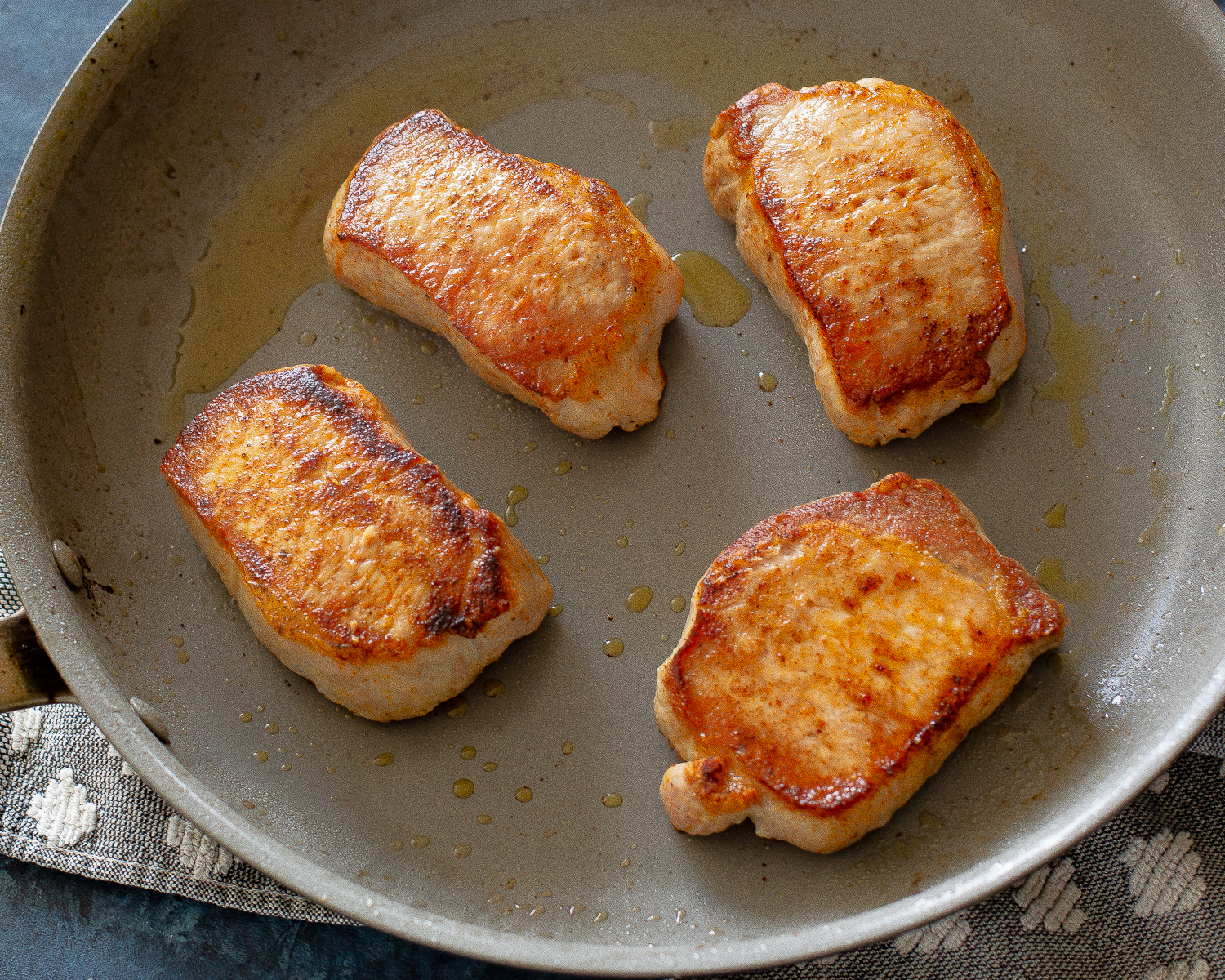
- Searing Phase: The chops are seasoned and placed in a hot skillet. The objective is to achieve a deep golden-brown crust without cooking the center to a state of over-doneness.
- Resting: After the initial sear, the chops are typically removed from the heat to rest. This allows the internal muscle fibers to reabsorb juices.
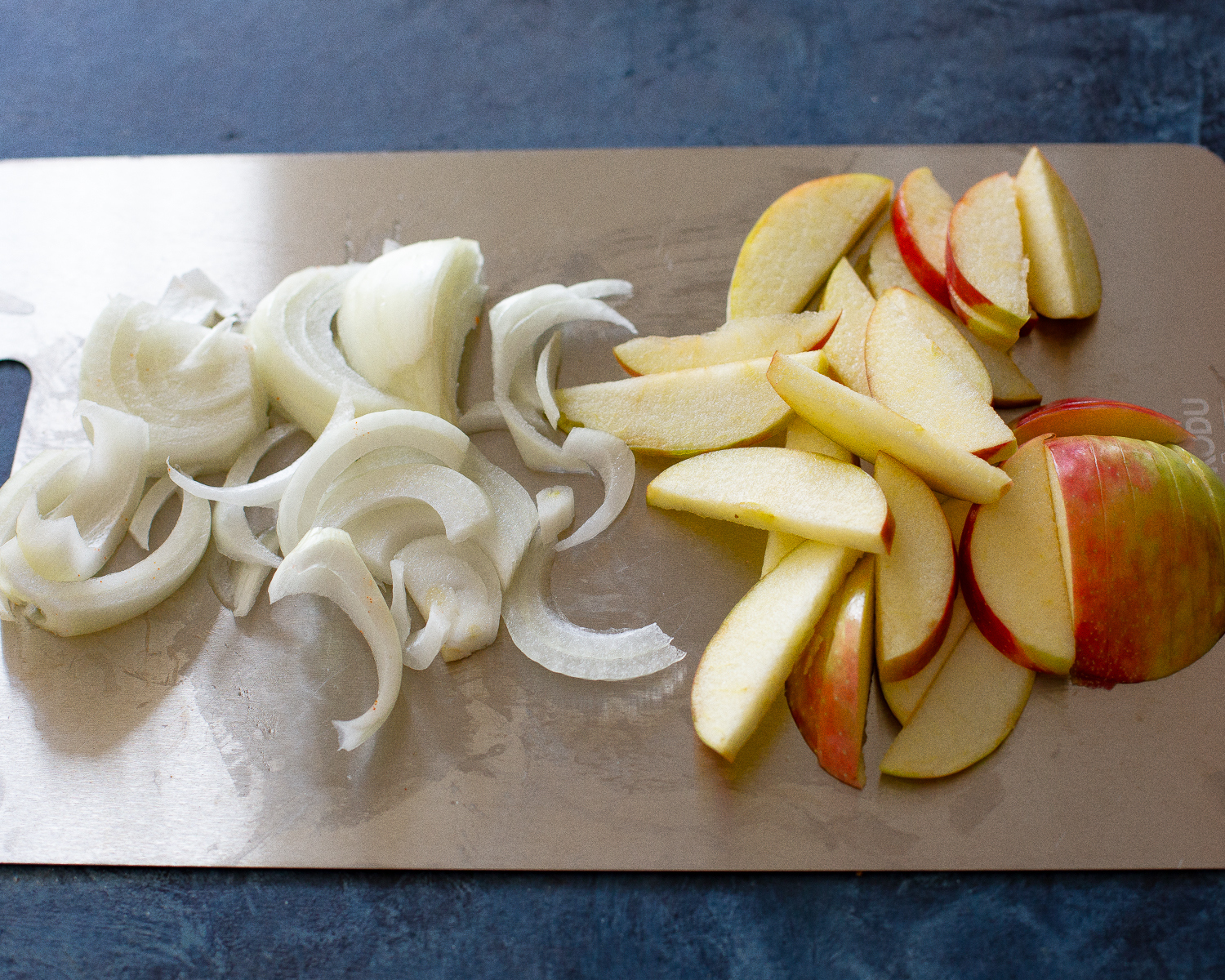
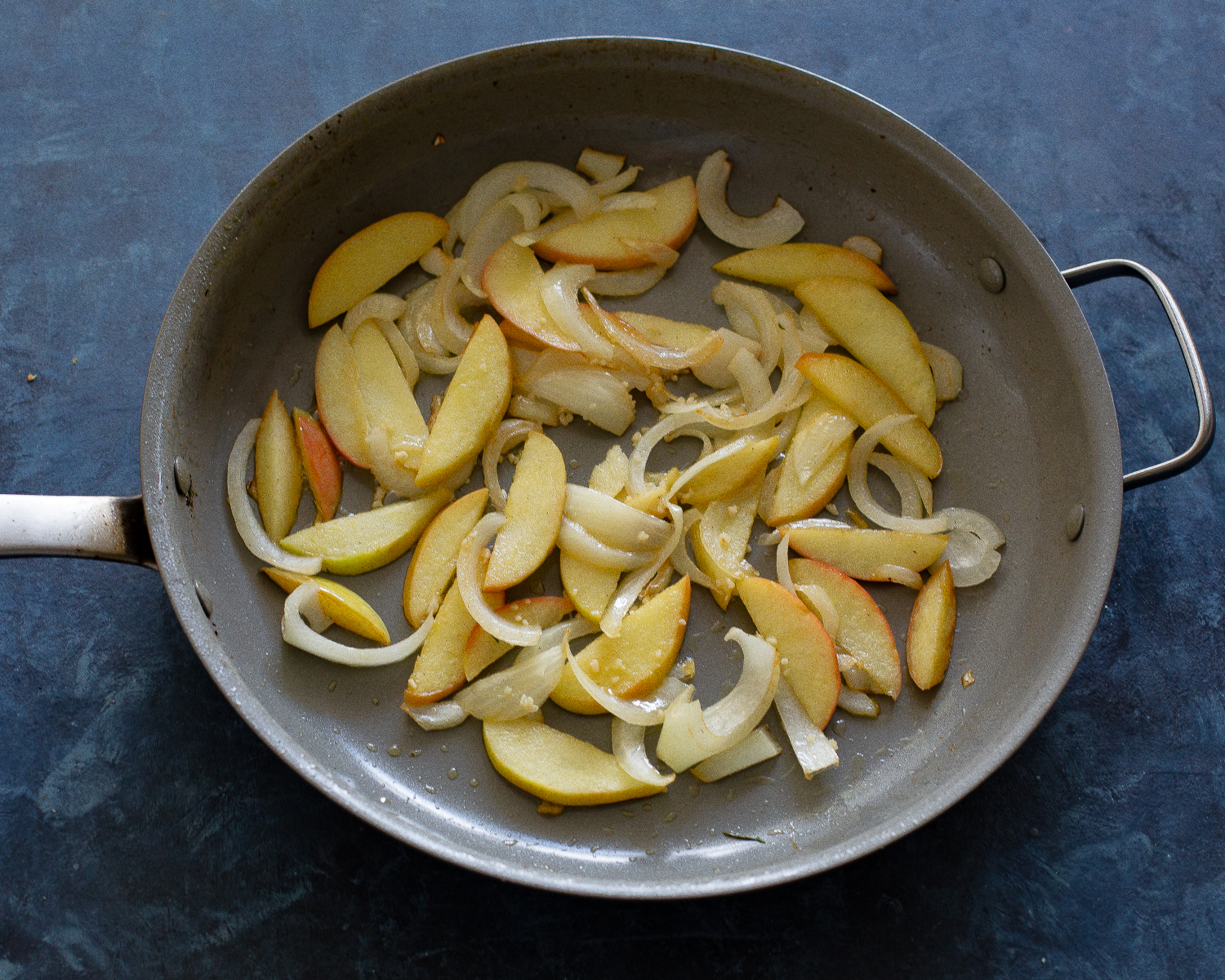
- Reduction Phase: While the meat rests, sliced onions are introduced to the residual rendered fat. Once translucent, firm apples are added. The pan is then deglazed with apple cider and a splash of balsamic vinegar.
- Integration: The meat is returned to the skillet to finish cooking in the simmering liquid, ensuring the flavors of the rosemary and cider infuse the protein.
This 30-minute window of preparation has made the dish a staple for weeknight family dining, where efficiency and nutrition are prioritized.
Market Trends and Nutritional Context
From a market perspective, the popularity of pork-and-apple pairings has seen a resurgence as home cooks gravitate toward "cozy" or "comfort" food trends during the autumn months. According to agricultural data, domestic apple production peaks in October, coinciding with a seasonal shift in consumer demand toward warmer, stovetop-prepared meals.
From a nutritional standpoint, this dish offers a balanced profile. Pork provides a significant source of B vitamins—specifically thiamine, niacin, and B6—along with high-quality protein. Apples contribute dietary fiber, particularly pectin, and vitamin C. By utilizing a cider-based sauce rather than a heavy cream reduction, the dish maintains a lower caloric density while maximizing flavor through natural fruit sugars.
Expert Recommendations for Quality Control
The primary technical challenge cited by culinary professionals regarding this dish is the tendency for pork to become desiccated. Dryness is almost exclusively a result of overcooking or improper meat selection. Thinly sliced, boneless pork chops are prone to rapid moisture loss, as they lack the insulating fat and connective tissue found in thicker, bone-in cuts.
Industry guidelines for food safety state that pork should reach an internal temperature of 145 degrees Fahrenheit (63 degrees Celsius), followed by a three-minute rest period. Cooking beyond this temperature leads to the coagulation of muscle proteins, resulting in a fibrous, tough texture. To avoid this, many chefs utilize an instant-read thermometer to ensure precision, rather than relying on visual cues.
The Evolution of the One-Skillet Method
The move toward "one-pan" meals represents a broader shift in modern domestic logistics. As households face increasing time constraints, the demand for recipes that minimize cleanup without compromising ingredient quality has surged. The Pork Chops with Apples and Onions recipe is emblematic of this shift. By using the same skillet for the sear and the sauce, the cook captures the "fond"—the browned bits of protein and fat left on the bottom of the pan—which acts as the foundational flavor profile for the entire dish. This technique, while simple, is a hallmark of classical French cooking methods, demonstrating that sophisticated flavor profiles can be achieved with minimal equipment.
Broader Culinary Implications and Seasonal Traditions
The practice of pairing fruit with pork dates back centuries, serving both functional and flavor-based purposes. In medieval European kitchens, acidic fruits were often used to "cut" the grease of heavier meats, improving both digestibility and flavor. Today, this tradition persists in various forms, from the German Schweinekotelett mit Äpfeln to the American cider-braised variations seen in the Midwest and Northeast.
The inclusion of balsamic vinegar in contemporary versions of this recipe introduces a level of complexity that reflects the modern consumer’s palate, which favors a blend of sweet, savory, and acidic notes. The balsamic adds a subtle depth and a dark, glossy aesthetic to the pan sauce, differentiating it from traditional, lighter-colored gravy preparations.
Storage and Re-heating Protocols
Proper storage is essential for maintaining the integrity of the dish if it is not consumed immediately. The pork and the apple-onion mixture should be stored in an airtight container. When reheating, the goal is to gently warm the protein without triggering further protein contraction. It is recommended to add a small amount of liquid—either chicken stock or a splash of fresh apple cider—to the pan before reheating to rehydrate the sauce. This prevents the sauce from becoming gummy or overly concentrated after refrigeration.
Conclusion: A Staple of Modern Home Cooking
The enduring appeal of Pork Chops with Apples and Onions lies in its structural simplicity and the high quality of its seasonal components. By focusing on the selection of high-quality, thick-cut pork and the use of crisp, structurally sound apples, the cook creates a dish that is both technically sound and aesthetically pleasing. As culinary preferences continue to favor fresh, local, and seasonal ingredients, this recipe serves as a prime example of how traditional techniques can be adapted to meet the needs of the contemporary kitchen. Whether served as a quick Tuesday night dinner or a planned weekend meal, the dish remains a reliable and nutritious option that highlights the versatility of the apple harvest. The combination of protein, fiber, and complex sugars provides a satiety that aligns with the nutritional demands of the cooler months, solidifying its place in the rotation of classic, reliable, and sophisticated home-cooked meals.
