
The Historical and Cultural Significance of Afternoon Tea
The custom of Afternoon Tea is widely attributed to Anna Maria Russell, the 7th Duchess of Bedford, who in the early 1840s began requesting a light meal of tea, bread, and butter in the late afternoon to bridge the gap between luncheon and dinner. What began as a private indulgence for the aristocracy rapidly evolved into a formal social ritual across Victorian society. At Sandringham—a residence synonymous with the British Royal Family since the mid-19th century—the tradition is treated with particular reverence.

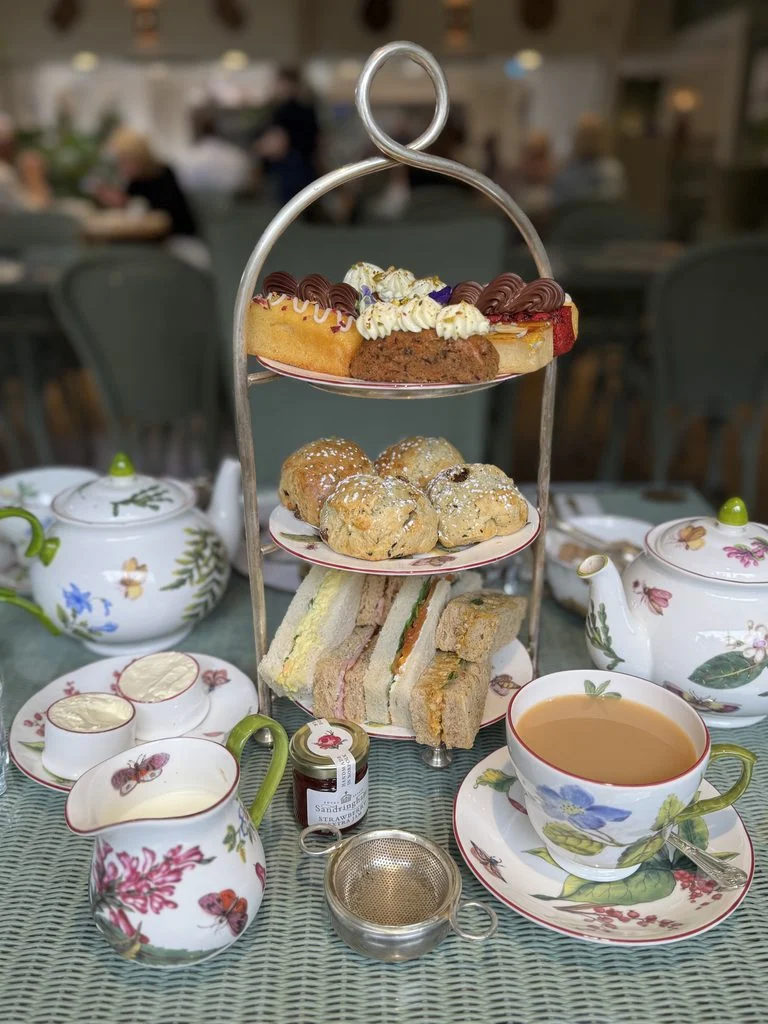
The Sandringham Courtyard Restaurant, operated in partnership with the renowned caterers Benugo, provides a setting that blends historical prestige with modern service standards. Guests are served on distinctive Chelsea botanical porcelain, a design choice directly inspired by the extensive collection originally curated by Queen Elizabeth The Queen Mother. This attention to detail reinforces the connection between the visitor experience and the personal history of the Royal Family.
A Detailed Look at the Culinary Offering
The Afternoon Tea service at Sandringham is characterized by a selection of savory and sweet items designed to balance traditional flavors with contemporary culinary techniques. The menu, which changes seasonally to reflect local produce, typically includes a tiered stand featuring finger sandwiches, warm freshly baked scones served with clotted cream and preserves, and a curated assortment of delicate pastries and cakes.

Central to the experience is the quality of the tea itself. The restaurant features a partnership with Birchall Tea, a company with a long-standing reputation for sourcing premium leaves. Specifically, the inclusion of the Great Rift Breakfast blend—a selection harvested from the finest tea estates across East Africa—has been noted for its full-bodied, bright profile. This specific blend is noted by tea sommeliers for its crisp finish, which serves as a necessary counterpoint to the richness of the accompanying pastries.
Chronology of the Estate’s Hospitality Developments
The evolution of the Sandringham Courtyard into a hub for visitors is part of a broader, decade-long strategy to enhance the accessibility of the estate.

- Early 2000s: The estate began significantly expanding its public-facing facilities to accommodate the growing interest in royal tourism.
- 2018–2020: The retail and dining area underwent a modernization process to streamline the visitor flow, including the integration of the Courtyard Restaurant as a premier dining destination.
- 2024–2026: Further refinements were made to the menu offerings, with a heightened focus on locally sourced ingredients and high-end tea partnerships, culminating in the current iteration of the afternoon tea service.
The restaurant is strategically located within the retail area of the estate, which acts as a multifunctional visitor center. This area includes a shop featuring estate-produced goods, a garden center, and extensive outdoor facilities, including an ice cream kiosk and picnic areas. These additions are designed to accommodate a diverse range of visitors, from those seeking a formal indoor dining experience to families preferring al fresco options.
Operational Excellence and Professional Standards
The success of the Afternoon Tea at Sandringham is not merely dependent on the quality of the food but also on the standards of service. Professionalism in this context involves a high degree of attentiveness, particularly regarding the replenishment of tea—a critical component of any successful service. The staff at the Courtyard are trained to maintain the flow of the experience, ensuring that teapots are topped up promptly and that guests feel adequately attended to throughout the duration of their sitting.

The logistical coordination required to manage this service is considerable. The restaurant must balance the high volume of daily visitors with the requirements of a boutique, high-end service. This is managed through a booking system that ensures each party receives a dedicated experience, reflecting the standards expected at a site of such national significance.
Broader Economic and Tourism Implications
The hospitality sector in Norfolk has seen a significant shift toward "experience-based" tourism, where dining is viewed as a primary cultural activity rather than a secondary necessity. The Sandringham Estate serves as a significant economic engine for the region, and the professionalization of its dining services has ripple effects across the local tourism industry.

Data from the regional tourism board indicates that visitors to heritage sites often extend their stay by several hours when premium dining options are available on-site. By providing a high-quality Afternoon Tea, the estate encourages longer dwell times, which in turn benefits the retail and garden center operations located in the same courtyard. This holistic approach to visitor management is a model increasingly adopted by other historical estates across the United Kingdom, as they seek to sustain the high maintenance costs associated with preserving heritage properties.
Analysis of the Afternoon Tea Market
The UK afternoon tea market is currently experiencing a renaissance, driven by a resurgence in interest among younger demographics who view the tradition as an "Instagrammable" lifestyle experience. Market analysis suggests that consumers are increasingly discerning, placing higher value on the provenance of ingredients and the historical narrative behind the venue.

Sandringham’s approach taps into this by emphasizing the provenance of its tea and the historical significance of its tableware. Unlike generic high-street offerings, the Sandringham service offers a "provenance narrative" that aligns with the expectations of modern consumers. The partnership with Benugo, a company that manages several high-profile public and heritage spaces, ensures that the operation remains commercially viable while adhering to the stringent aesthetic and service standards mandated by the estate management.
Future Prospects for Heritage Dining
As the Sandringham Estate continues to refine its public offering, it is likely that the Afternoon Tea service will remain a cornerstone of its commercial and cultural strategy. Future developments may include greater integration of produce grown directly on the estate, further reducing the carbon footprint of the menu and enhancing the "farm-to-table" appeal that is becoming increasingly critical in the hospitality industry.

The sustainability of such services rests on the balance between tradition and innovation. While the core elements of the tea—the sandwiches, scones, and tea blends—must remain true to the quintessential British experience, the delivery and the surrounding environment must evolve to meet the logistical and environmental demands of the mid-21st century.
For those planning to visit, the recommendation remains to book well in advance, particularly during peak holiday seasons and the summer months. The experience is not just a meal but an invitation to engage with the living history of the British monarchy, provided through the medium of one of its most enduring and beloved customs. The combination of the tranquil Norfolk setting, the professional service standards, and the high-quality refreshments makes it a standout example of how traditional heritage sites can successfully pivot to meet the needs of contemporary tourism.
