
The Nutritional and Culinary Context of the Pairing
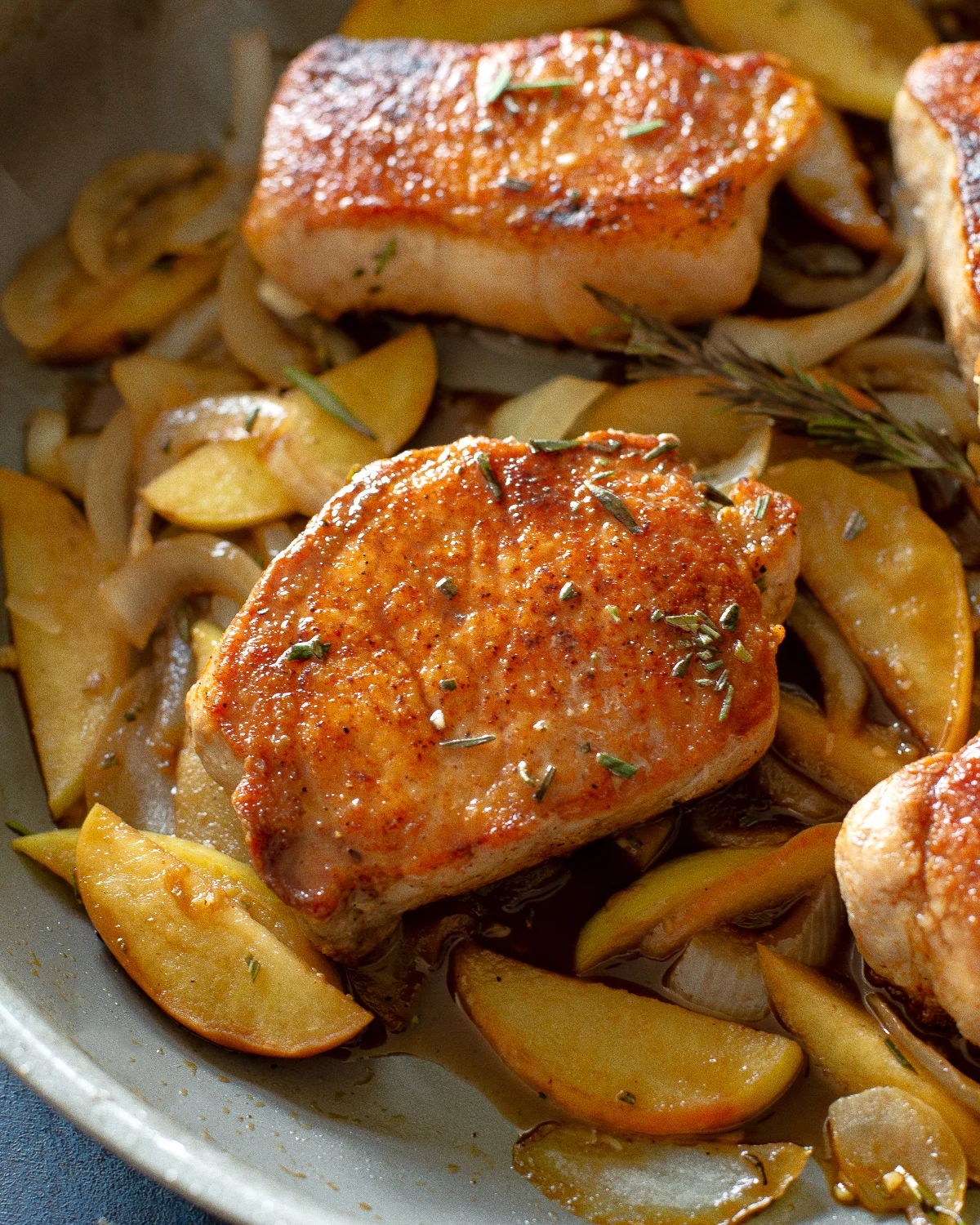
The combination of pork and apples is rooted in both flavor science and agricultural history. From a biochemical perspective, the natural sugars and organic acids—such as malic acid—found in apples act as a palate cleanser against the dense, high-protein structure of pork. When cooked together, the fats rendered from the meat emulsify with the fruit juices and the acidity of apple cider, creating a complex pan sauce that bridges the gap between sweet and savory.
Pork is a nutrient-dense protein source, providing essential B vitamins, specifically thiamine, as well as selenium and zinc. When prepared with apples, the dish gains dietary fiber and polyphenols. Chefs and home cooks alike emphasize that the success of this preparation relies heavily on the quality of the raw ingredients. The selection of thick, bone-in rib or center-cut chops, typically between 1 and 1.5 inches in thickness, is essential to maintaining internal moisture during the high-heat searing process.
Chronology of Preparation and Culinary Methodology
The standard preparation of this dish follows a refined 30-minute timeline designed for efficiency in a professional or domestic kitchen environment.
- Preparation and Seasoning (0–5 minutes): The process begins by tempering the pork chops to room temperature. This is a critical step to ensure even heat distribution. During this window, seasoning with salt and pepper is applied to create the foundation of the crust.
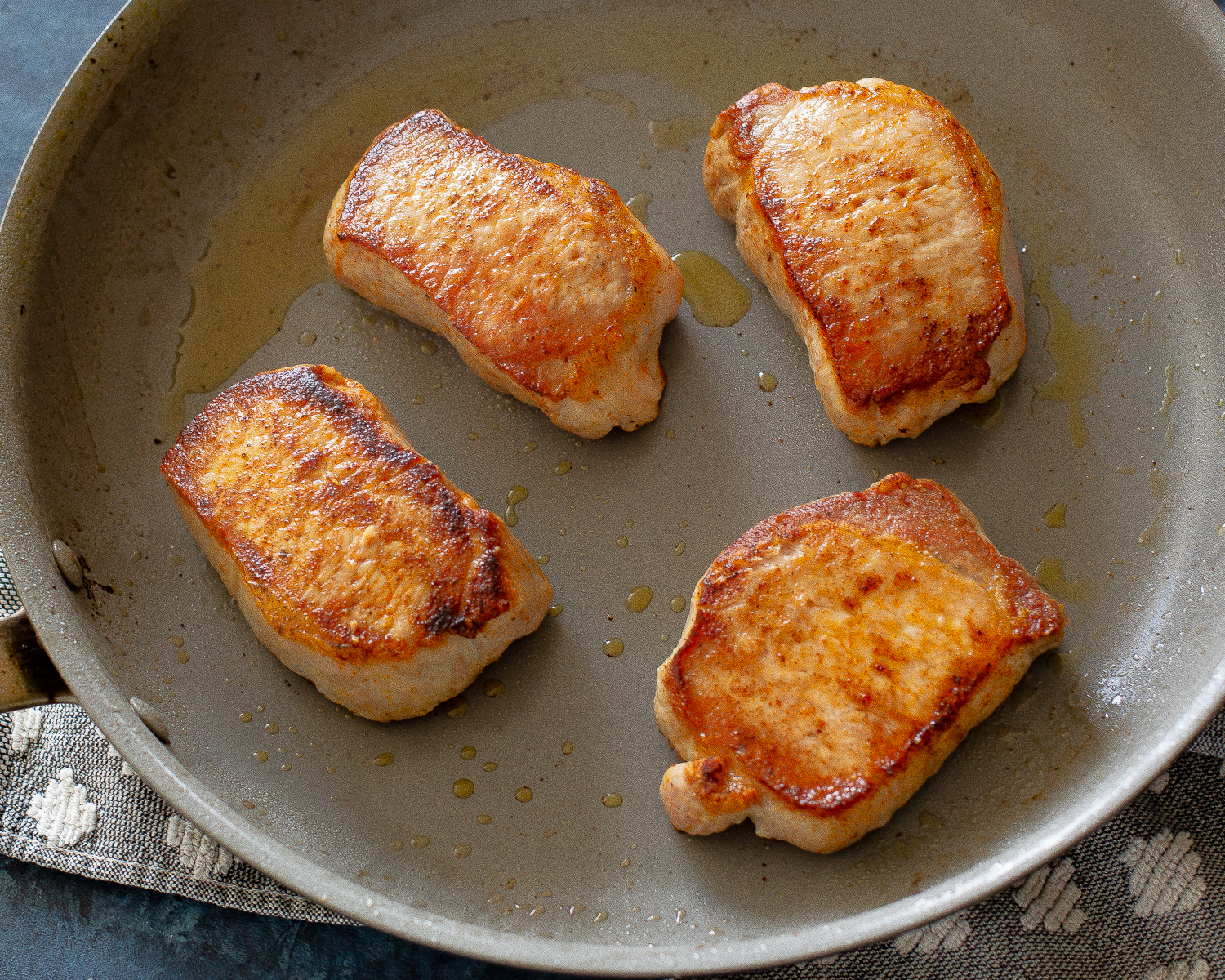
- The Maillard Reaction (5–12 minutes): The chops are seared in a hot, heavy-bottomed skillet. This stage facilitates the Maillard reaction—a chemical interaction between amino acids and reducing sugars that produces the characteristic browned, flavorful crust on the meat.
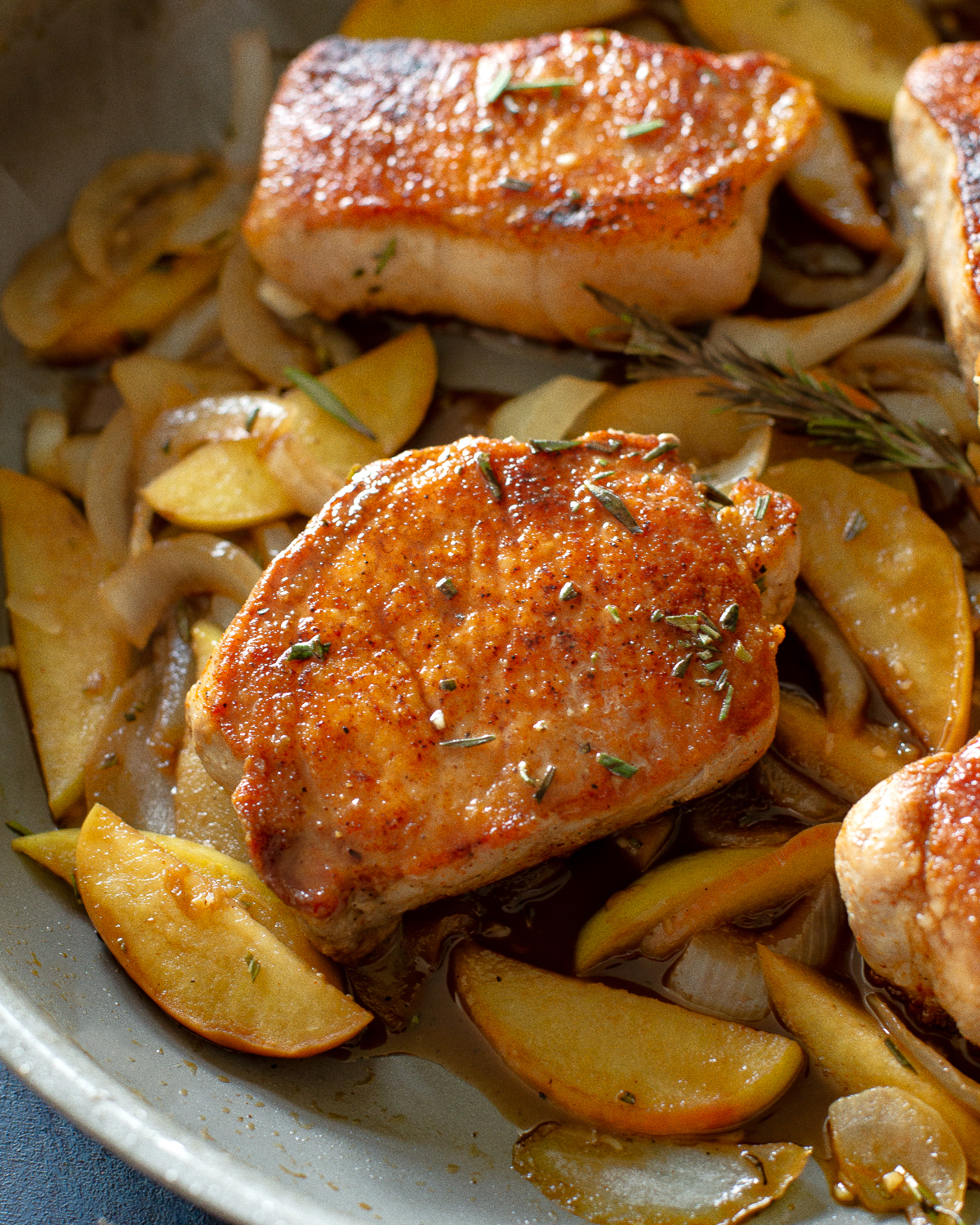
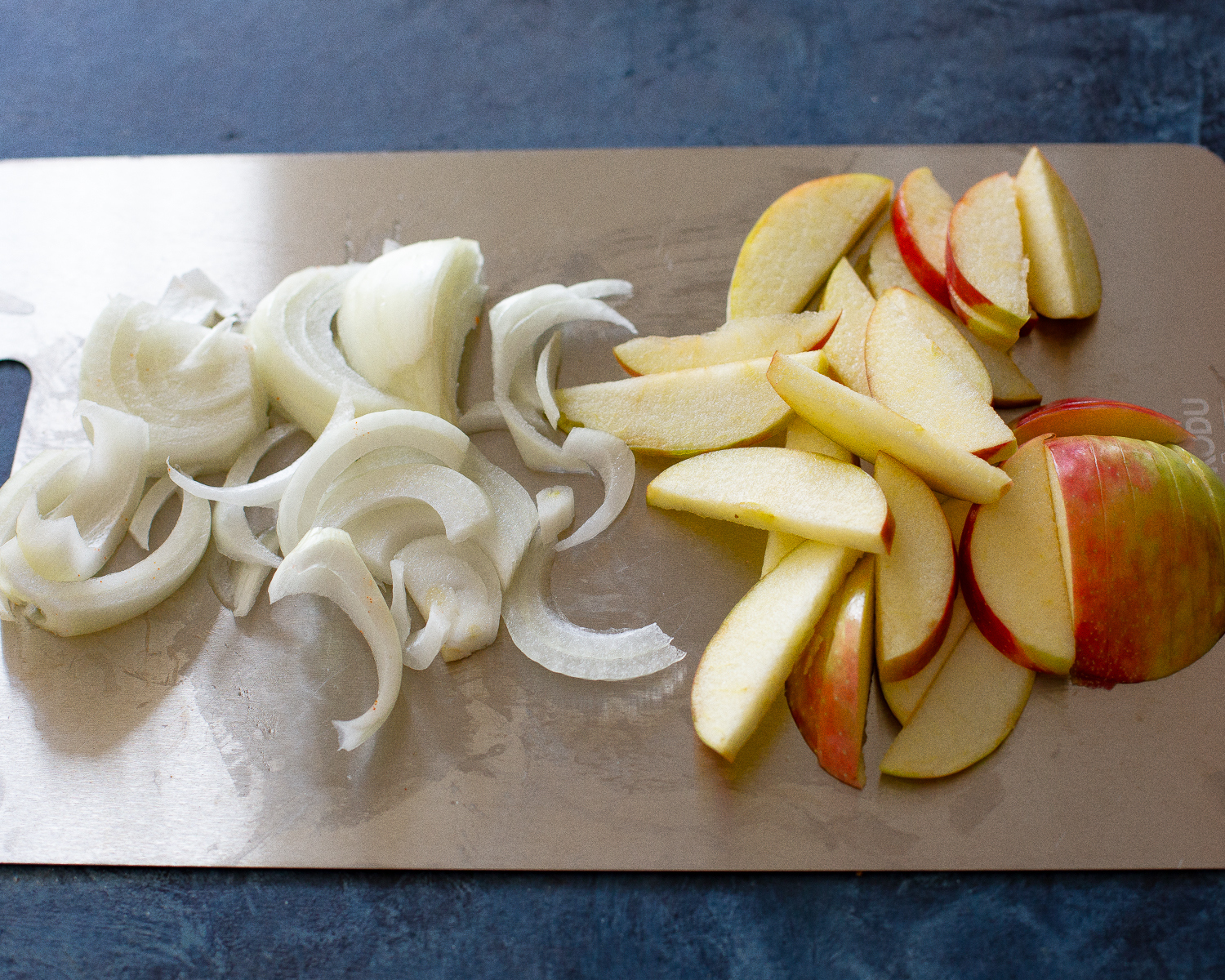
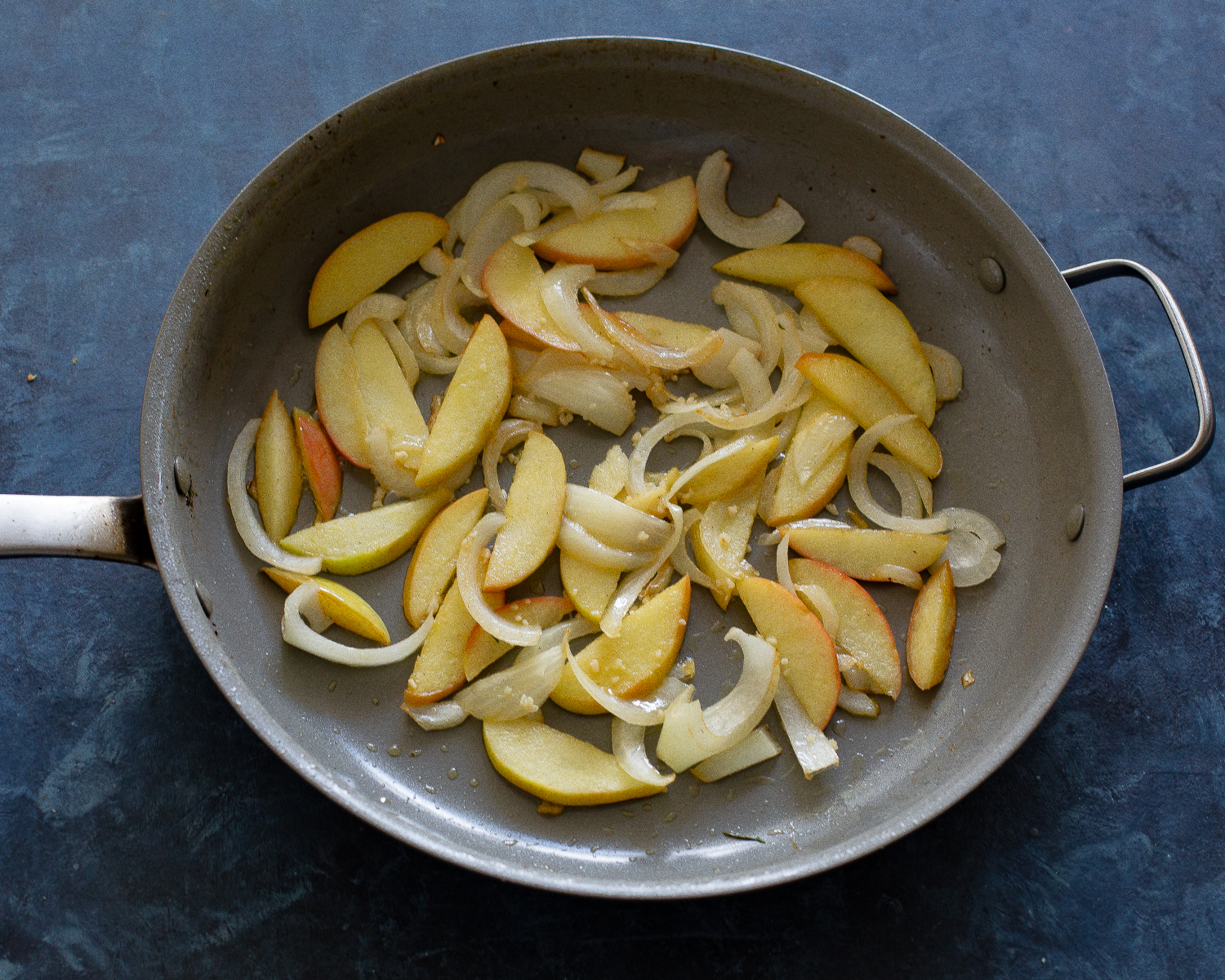
- The Aromatics and Fruit (12–25 minutes): Once the pork is removed from the pan to rest, sliced onions and firm apples—such as Honeycrisp or Pink Lady varieties—are introduced to the rendered fat. The high-heat environment allows the onions to caramelize, while the apples soften without losing their structural integrity.
- Deglazing and Reduction (25–30 minutes): The pan is deglazed using apple cider and a splash of balsamic vinegar. This step is vital for scraping up the fond—the browned bits of protein left on the pan floor. Incorporating fresh rosemary adds an herbaceous note that grounds the sweetness of the fruit.
Market Standards for Ingredient Selection
Culinary experts maintain that the choice of apple variety is the most critical variable in this recipe. Soft-fleshed apples, such as McIntosh, are generally avoided because they break down into a puree under heat. Instead, high-density, crisp-fleshed cultivars like Honeycrisp, Pink Lady, or Braeburn are preferred for their ability to withstand 10 to 15 minutes of direct heat while retaining their shape.
Regarding the protein, food safety standards mandate an internal temperature of 145°F (63°C) for pork, followed by a three-minute rest period. Historically, concerns regarding Trichinella necessitated overcooking pork, but modern agricultural practices have shifted these safety guidelines, allowing for a medium-degree of doneness that retains significantly more juice and tenderness.
Economic and Practical Implications
The rise in the popularity of one-skillet meals like Pork Chops with Apples is often attributed to broader socioeconomic trends. With consumers increasingly prioritizing time-efficient cooking methods that minimize cleanup, the "one-pan" model has seen a resurgence in home dining. Furthermore, the reliance on seasonal produce—specifically apples, which are harvested in the Northern Hemisphere between August and November—aligns with broader movements toward farm-to-table consumption and reduced food miles.
Industry analysts note that pork remains one of the most accessible proteins in terms of price-per-pound, especially when compared to beef or lamb. By utilizing orchard-fresh produce, families can produce a restaurant-quality meal at a fraction of the cost of dining out.
Broader Culinary Impact
The integration of balsamic vinegar into the apple-cider reduction is a modern refinement that highlights a shift in home cooking toward more complex flavor profiles. The balsamic vinegar provides a dark, syrupy depth that balances the sharp acidity of the apple cider. This technique, often borrowed from professional kitchens, has become more accessible to the average home cook through increased digital access to culinary education.
Furthermore, the practice of serving these chops with a side of root vegetables or roasted potatoes completes a balanced, nutritionally dense meal. The combination serves as a primary example of how basic, pantry-staple ingredients can be elevated through proper technique.
Official Guidelines and Safety Precautions
When preparing this dish, several industry-standard practices are recommended to ensure consistent results:
- Marbling Matters: Consumers should look for meat with white flecks of intramuscular fat. This marbling prevents the meat from drying out during the cooking process.
- Resting Period: Allowing the pork to rest for at least 3 to 5 minutes after cooking allows the muscle fibers to reabsorb the juices that were pushed to the center by the heat. Cutting into a chop immediately upon removal from the skillet results in a loss of moisture.
- Temperature Control: Using an instant-read meat thermometer is the only objective way to ensure the meat is safe to eat while preventing the texture degradation caused by overcooking.
Sustainability and Seasonal Sourcing
The reliance on apples as a primary component highlights the sustainability of this dish during the harvest months. By sourcing apples from regional orchards, the environmental impact of shipping is reduced. Additionally, pork production has seen significant improvements in carbon-footprint reduction over the last decade, with many producers adopting more efficient feed-to-weight ratios.
As consumer interest in heritage pork breeds—such as Berkshire or Duroc—grows, the quality of the primary ingredient in this dish continues to improve. These breeds often possess a higher fat content, which, when paired with the acidity of an apple-cider reduction, creates an optimal culinary experience.
Conclusion
Pork Chops with Apples represents a perfect intersection of traditional comfort food and modern culinary technique. By prioritizing high-quality, bone-in pork, selecting apples with the appropriate structural integrity, and mastering the science of the pan reduction, home cooks can achieve a result that is both technically sound and highly palatable. As the culinary landscape continues to favor efficient, one-pan solutions that emphasize seasonal produce, this dish remains an enduring and essential component of the contemporary kitchen repertoire. Whether served on a busy weeknight or as a centerpiece for an autumn gathering, the dish’s reliance on the balance of sweet, savory, and acidic notes ensures its continued relevance in modern gastronomy.
