
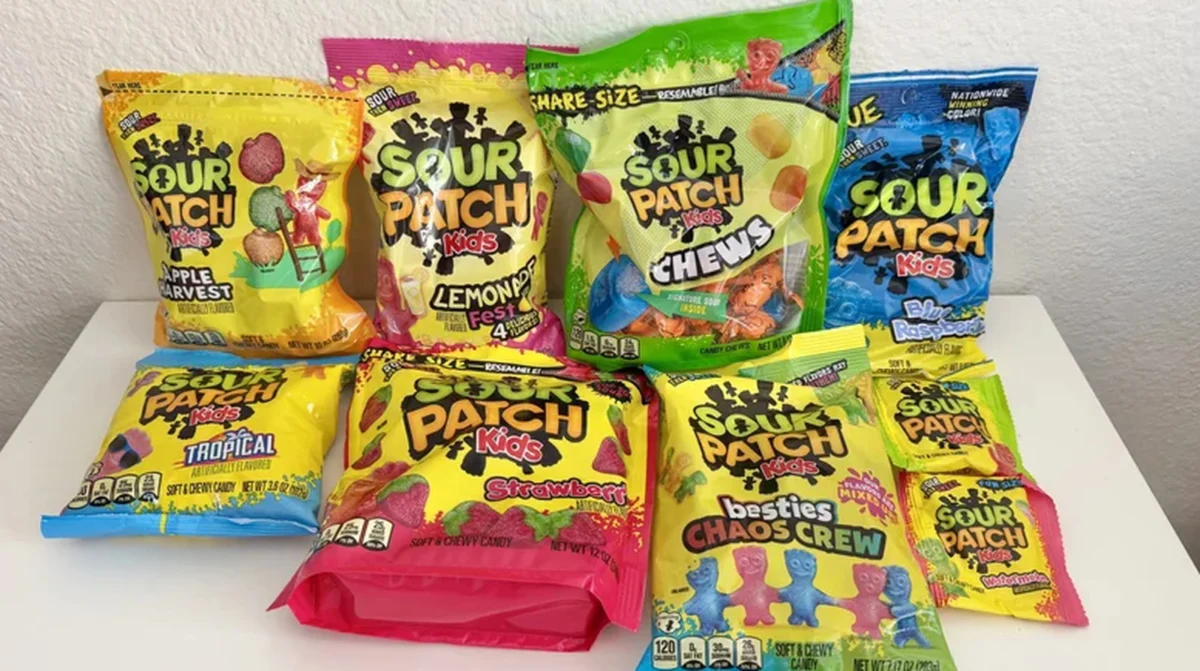
Sour Patch Kids have long occupied a central position in the global confectionery market, evolving from their humble origins as "Mars Men" in the 1970s to a pop-culture staple found in nearly every cinema and convenience store across North America. While the brand is synonymous with its multi-colored, anthropomorphic gummy figures, recent market analysis and consumer taste testing have identified a specific outlier that consistently outperforms the classic assortment: the Strawberry Sour Patch Kids. This specific iteration has emerged as a leader in brand loyalty, balancing the signature "sour-then-sweet" profile with a more refined, authentic fruit profile that appeals to a broader demographic than the traditional mix.
A Historical Context of the Sour Patch Brand
The history of Sour Patch Kids is a study in successful marketing pivots. Originally developed by Frank Galatolie for the Jaret International company, the candies were introduced in the late 1970s as "Mars Men," capitalizing on the era’s fascination with space exploration. It was not until the mid-1980s that the brand underwent a strategic rebranding to "Sour Patch Kids," a move designed to align with the growing popularity of "Cabbage Patch Kids" dolls, which were then a massive cultural phenomenon.
Throughout the 1990s and 2000s, the brand—now under the stewardship of Mondelēz International—expanded its reach through aggressive marketing, targeting teenagers and young adults with campaigns that emphasized the "mischievous" nature of the candy. However, the product’s core identity remained rooted in its dual-texture experience: a granular, citric-acid-heavy exterior coating followed by a soft, gelatin-based center. The introduction of specific fruit-flavored varieties, such as the Strawberry edition, represented a departure from the generic "fruit punch" or citrus-heavy profiles that characterized the original bags.
Methodology of Recent Flavor Evaluations
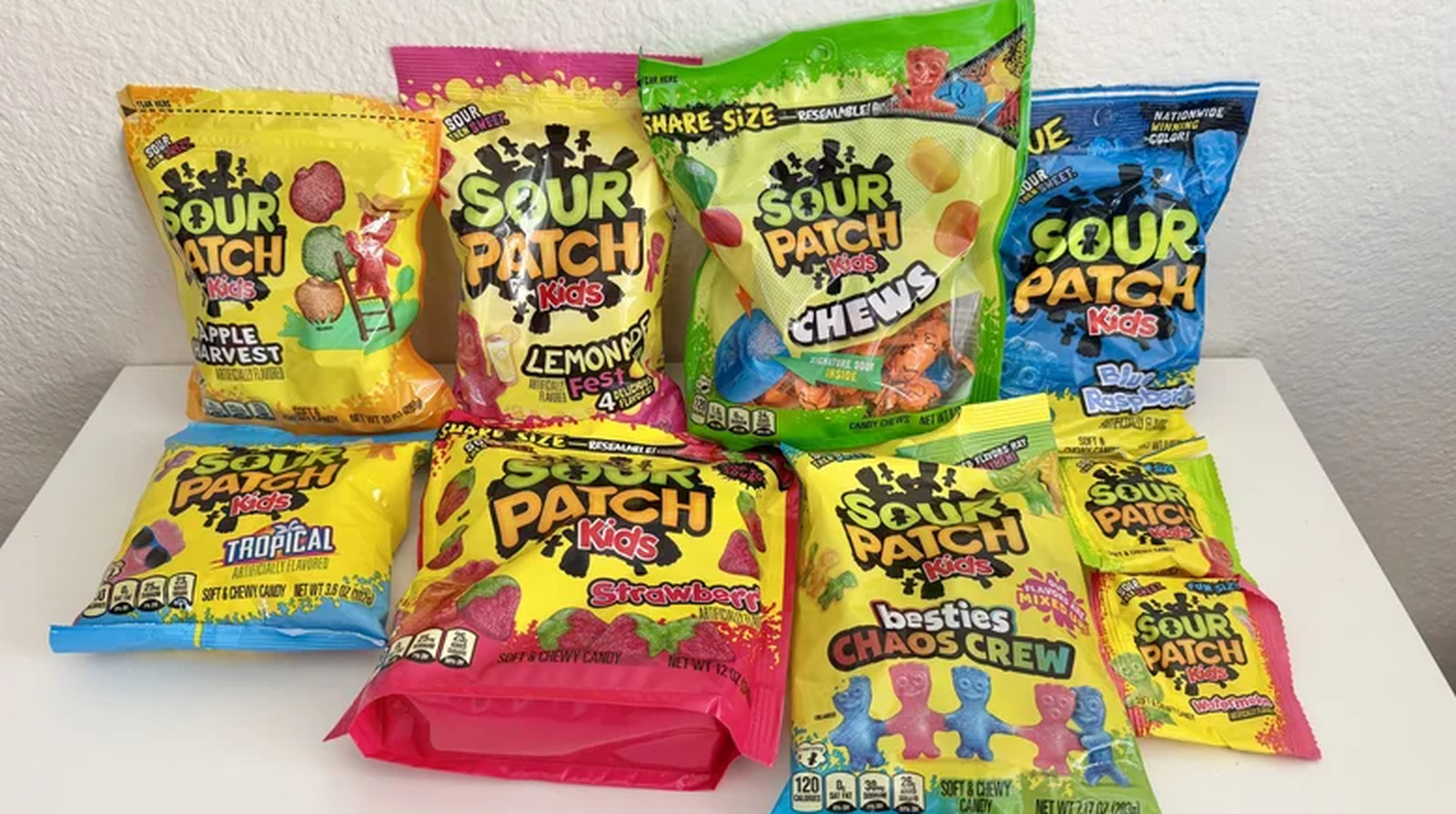
To determine the efficacy of the Strawberry variant, industry analysts and sensory panels recently conducted a comprehensive study of nine different Sour Patch Kids products. The evaluation criteria were strict, focusing on three primary metrics: flavor authenticity, the balance of the sour-to-sweet transition, and overall "snackability."
The results indicated that while the original mix remains a volume seller, the Strawberry Sour Patch Kids scored significantly higher in terms of flavor profile recognition. Unlike the standard assortment, which often relies on a uniform acidity that can mask individual fruit notes, the strawberry variety employs a more delicate sour application. This choice allows the inherent sweetness of the strawberry flavor to emerge more prominently, satisfying consumers who typically find standard sour gummies to be overly aggressive or one-dimensional.
Consumer Sentiment and Data Analysis
Market data aggregated from major retailers, including Target, provides a quantitative look at consumer reception. The Strawberry Sour Patch Kids currently maintain a high performance rating of 4.7 out of 5 stars based on thousands of verified customer reviews.
The data suggests a strong correlation between the specific flavor profile and repeat purchase behavior. Consumers frequently cite the "nostalgia factor" of strawberry as a primary driver, noting that the candy achieves a level of "authenticity" that synthetic fruit flavors often miss. However, the data also highlights the subjectivity of the "sour" experience. A segment of the consumer base—approximately 10% to 15% of reviewers—expressed dissatisfaction, noting that the intensity of the sour coating in this specific version is lower than in the standard Sour Patch Kids. This feedback indicates a potential divide in the target market: those seeking a purely "tart" experience versus those seeking a "fruit-forward" candy that happens to have a sour finish.
The Evolution of the Sour Confectionery Market
The success of the Strawberry Sour Patch Kids must be viewed within the broader context of the confectionery industry’s shift toward flavor-specific, premium-positioned products. Over the last decade, the global sour candy market has seen a compound annual growth rate (CAGR) that exceeds the standard sugar-confectionery category. Consumers are increasingly demanding more sophisticated flavor profiles that go beyond simple acid-induced shock.
Industry reports indicate that manufacturers are responding by recalibrating their formulas. The move toward "fruit-authentic" flavors is a direct response to the "clean label" and "natural flavor" trends, even within the non-health-conscious candy sector. By narrowing the focus to a single, high-performing fruit, brands can better control the quality of the flavor profile, which explains why the Strawberry Sour Patch Kids are often preferred by adult consumers who might otherwise view the traditional bags as too juvenile.
Comparative Analysis: Sour Patch Kids vs. The Market
When benchmarking against the wider field of sour candies, Sour Patch Kids occupy a middle-ground position. In comprehensive taste tests of over 12 popular sour brands, Sour Patch Kids as a brand typically place in the middle of the pack. This ranking is often attributed to the "standardization" of the brand—the original product is so ubiquitous that it lacks the "novelty" or "extreme" factor that some sour-candy enthusiasts seek.
However, the Strawberry variety acts as a bridge product. By softening the sour intensity, the product expands the brand’s reach to include consumers who enjoy the gummy texture but do not necessarily seek a painful or overwhelming sour sensation. This strategic positioning allows the brand to remain competitive against both entry-level gummy manufacturers and boutique, high-acidity competitors that dominate the "extreme sour" niche.
Operational Implications and Future Trends
The implications of this flavor preference are significant for retail inventory management. As data continues to favor targeted, fruit-specific SKUs, retailers are likely to dedicate more shelf space to single-flavor bags rather than the traditional "variety" mixes. For Mondelēz International, the success of the strawberry variant serves as a roadmap for future product development. We can expect to see an expansion of the "single-flavor" product line, potentially exploring other classic profiles like cherry, watermelon, or green apple, treated with the same "delicate sour" methodology that rendered the strawberry version a success.
Furthermore, the brand’s ability to maintain a consistent 4.7-star rating despite the inherent subjectivity of taste suggests that the "soft-chew" texture—a trademark of the Sour Patch line—is just as important as the flavor itself. The balance of a stable, long-lasting chew against a rapid-dissolve sugar coating creates a repeatable experience that is difficult for competitors to replicate.
Conclusion: The Persistence of the Classic
While the candy market is notoriously fickle, the sustained popularity of the Strawberry Sour Patch Kids confirms a fundamental truth in the industry: the most successful products are often those that master a classic flavor profile while maintaining a consistent, reliable sensory experience. Whether consumed at a movie theater or purchased as a quick snack, the strawberry variant demonstrates that innovation in the confectionery space does not always require radical flavor combinations. Instead, it requires the refinement of established tastes to meet the evolving expectations of the modern consumer.
As the industry moves forward, the "tried-and-true" classic is likely to remain the anchor of the Sour Patch portfolio. The data from consumer reviews and sales performance consistently points toward a preference for flavors that bridge the gap between childhood nostalgia and adult flavor expectations. For now, the Strawberry Sour Patch Kid stands as a testament to the fact that, in the world of sour sweets, sometimes less is truly more.
