
While Chick-fil-A has cemented its status as a titan of the American quick-service industry with over 3,000 locations spanning the nation, a select group of specialized sister restaurants remains hidden from the average consumer’s radar. These unique concepts serve as a living museum of the company’s history, rooted deeply in the Southern heritage of founder S. Truett Cathy. Among these, Truett’s Grill stands out not merely as a restaurant, but as a nostalgic homage to the 1950s diner experience, offering a distinct departure from the standard drive-thru efficiency that defines the modern Chick-fil-A empire.
The origins of this concept date back to the early career of S. Truett Cathy. Before the global phenomenon of Chick-fil-A was born, Cathy operated the Dwarf Grill—later renamed the Dwarf House—in Hapeville, Georgia, in 1946. It was within this humble establishment that the iconic Chick-fil-A sandwich was perfected. Decades later, as the company celebrated the 50th anniversary of that initial business pivot, the executive team sought to honor those roots by launching a concept that merged the efficiency of their chicken chain with the atmospheric charm of mid-century American dining.
A Chronology of the Truett’s Grill Concept
The evolution of these specialty locations reflects a deliberate strategy to preserve the brand’s legacy while maintaining operational excellence. The inaugural Truett’s Grill opened in 1996 in Morrow, Georgia. The decision to adopt a retro ’50s aesthetic was intentional, designed to evoke a sense of familiarity and comfort that mirrored the era when Cathy first entered the culinary industry.
Following the success of the Morrow location, the company expanded the concept to two additional sites: Griffin and McDonough. Each location maintains a consistent design language characterized by "retro-futurism," a style that highlights the optimism of mid-century architecture. Key design elements include curving walls made of glass window blocks, polished chrome accents, and classic diner booths. The interiors are curated with artifacts that pay tribute to the founder’s personal interests, including vintage motorcycles, model trains, and scale-model automobiles. In one location, patrons can even dine within a structure designed to replicate the aesthetic of a classic trolley car, a nod to the urban transportation hubs of the early 20th century.
The Hybrid Service Model
Unlike the standard Chick-fil-A model, which prioritizes throughput and rapid service, Truett’s Grill operates as a hybrid entity. While these locations do maintain the essential infrastructure of a modern fast-food restaurant—including drive-thru lanes and efficient counter service—they are differentiated by the presence of full-service, sit-down dining. This allows for a higher level of hospitality, as staff manage tables, provide refills, and cater to the specific needs of guests who prefer a more traditional dining experience.
This shift in service model is significant, as it tests the company’s ability to scale "Southern hospitality" beyond the constraints of the standard service counter. By integrating table service, the brand effectively bridges the gap between the speed of the quick-service sector and the comfort of a casual family restaurant.
Menu Diversification and Culinary Expansion
The menu at Truett’s Grill is arguably its most compelling feature for long-time enthusiasts of the brand. While the core ingredients remain consistent—utilizing the same high-quality chicken that Chick-fil-A is known for—the preparation and presentation are elevated.
At these locations, the classic chicken sandwich and nuggets are served as part of comprehensive platters. These meals allow customers to customize their experience with side dishes that are entirely absent from standard menus. Offerings such as sweet potato soufflé, fried okra, and house-made cornbread are staples, reflecting the culinary traditions of the American South.
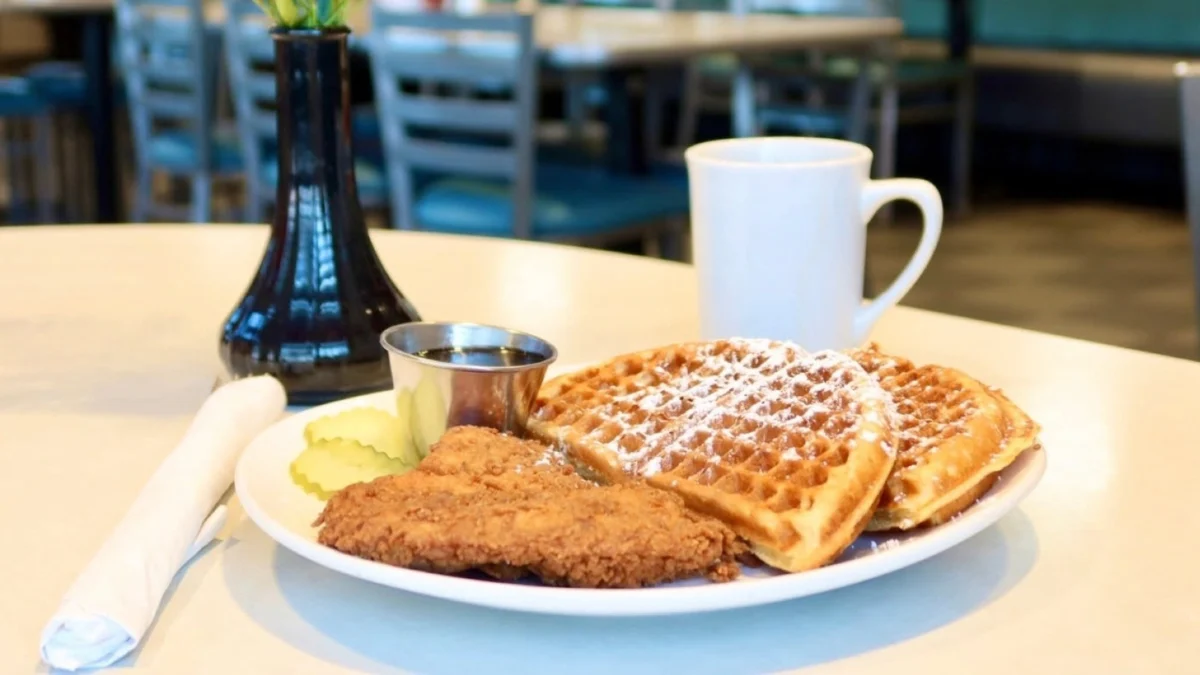
Furthermore, the restaurant distinguishes itself through an extensive, all-day breakfast program. While Chick-fil-A has recently introduced chicken and waffle items across its broader network, Truett’s Grill provides a more traditional diner breakfast menu. Patrons can order items like custom omelets, two-egg breakfasts, and a variety of sides including stone-ground grits. The inclusion of biscuits and gravy, alongside standard breakfast sandwiches, creates an atmosphere of a traditional diner that happens to specialize in the brand’s signature chicken products.
Strategic Implications and Industry Positioning
From a business perspective, the existence of Truett’s Grill serves several strategic purposes. Firstly, it functions as a brand laboratory. By operating these locations, the company can experiment with new menu items, different service styles, and varied interior design aesthetics before deciding whether to roll out successful elements to the wider chain.
Secondly, these locations act as a physical manifestation of the brand’s heritage. In an industry often criticized for homogenization, the ability to maintain "concept" restaurants that feel authentic and grounded in history provides a competitive advantage. It reinforces the narrative of the founder’s journey, which is a key component of the Chick-fil-A brand identity.
Industry analysts note that while these locations are not designed for massive scalability, they are highly effective at driving brand loyalty. For the dedicated enthusiast, a trip to a Truett’s Grill is considered a pilgrimage, transforming the restaurant into a tourist destination within the state of Georgia. This builds a deeper emotional connection with the consumer base that a standard, high-volume franchise simply cannot replicate.
Official Stance and Corporate Philosophy
Though the company rarely publicizes these specialized locations in its national marketing campaigns, the commitment to their maintenance remains clear. Corporate representatives have historically framed these restaurants as a way to honor S. Truett Cathy’s vision of a community-focused establishment. The philosophy is simple: if the brand’s core product is strong, the environment in which it is served can be adapted to suit different needs without compromising the brand’s integrity.
The operational success of these locations is tied to the company’s stringent franchise model. Even at these hybrid diners, the rigorous training and professional standards that Chick-fil-A is famous for remain in full effect. This ensures that even though the environment feels like a nostalgic diner, the quality of service and food consistency remains at the high level expected by the modern customer.
The Future of Specialized Concepts
As the quick-service industry faces increasing pressure to innovate in the face of labor shortages and rising ingredient costs, the "diner" model offered by Truett’s Grill provides an interesting counter-narrative. While many chains are moving toward smaller footprints and automated ordering kiosks, these locations prioritize the human element. The presence of a server, the availability of non-standard side dishes, and the tactile nature of the decor all contribute to an experience that feels "analog" in an increasingly digital world.
Looking forward, it is unlikely that the company will pivot toward a mass-market diner rollout. The strength of these locations lies in their scarcity. They represent a specialized niche that celebrates the origins of a corporate giant. By keeping the number of locations low—limited to the Griffin, McDonough, and Morrow area—the brand ensures that these restaurants remain unique, preserved, and highly valued by those who seek them out.
Ultimately, Truett’s Grill serves as a reminder that even the most successful global brands must stay connected to their origins. Whether it is through the inclusion of Southern-style sides or the preservation of 1950s-era architecture, these restaurants provide a bridge between the humble beginnings of a small Georgia diner and the massive, data-driven enterprise that Chick-fil-A has become today. For the culinary traveler, they offer a unique glimpse into the past, proving that while the industry moves forward, there is still a significant place for the charm of a traditional American diner.
