

Thanksgiving is traditionally defined by the marathon preparation of the evening turkey dinner. For many households, the hours leading up to the main event are consumed by kitchen logistics, leaving little time or energy for a proper morning meal. However, a growing culinary trend suggests that beginning the holiday with a thoughtful, festive breakfast not only sustains families through the busy day but also enhances the overall celebration. By incorporating iconic autumn ingredients—such as pumpkin, cranberries, cinnamon, and sweet potatoes—into early-day menus, hosts can set a celebratory tone that lasts from sunrise until the final slice of pie.

The Evolution of Thanksgiving Morning Traditions
While the historical focus of Thanksgiving remains rooted in the evening feast, the cultural significance of the entire day has shifted. With the advent of televised parades, morning sporting events, and the rise of the "Turkey Trot" 5K race, the morning hours have become a period of significant activity. As family members gather early, the demand for high-quality, convenient breakfast solutions has increased. Culinary experts note that a well-planned breakfast serves as a strategic "appetizer" for the day, preventing over-indulgence at the dinner table by managing hunger levels throughout the morning.
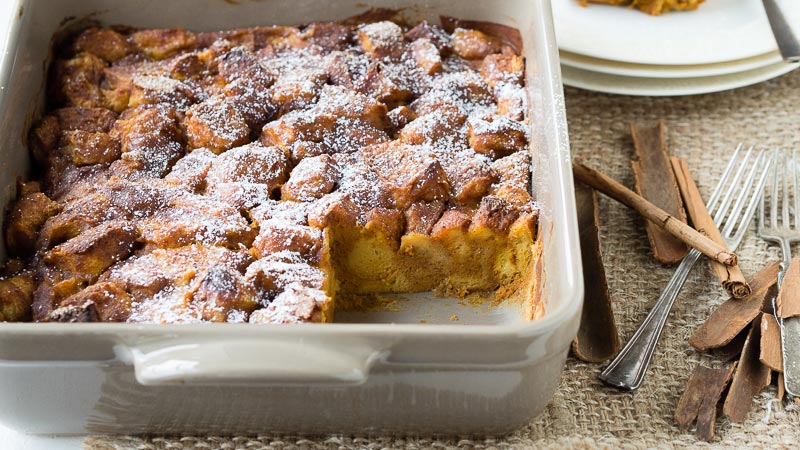
Strategic Planning: The Benefits of Make-Ahead Casseroles
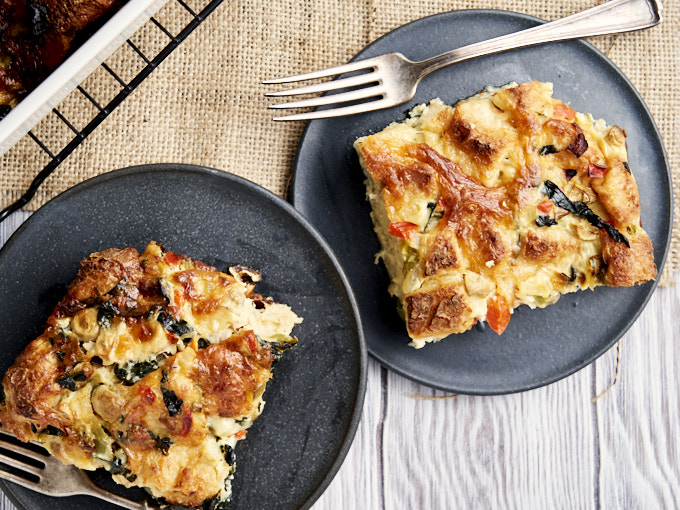
Efficiency is the cornerstone of a successful Thanksgiving morning. Because the kitchen is often fully occupied with roasting the turkey and preparing sides by mid-day, professional chefs and home economists recommend utilizing "make-ahead" strategies. Breakfast casseroles, in particular, have emerged as the gold standard for holiday mornings. These dishes allow for the majority of the preparation to occur the night before, requiring only a brief stint in the oven the following morning.
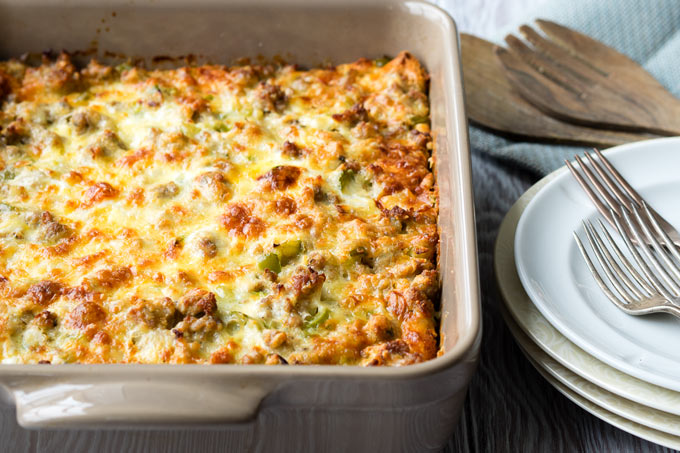
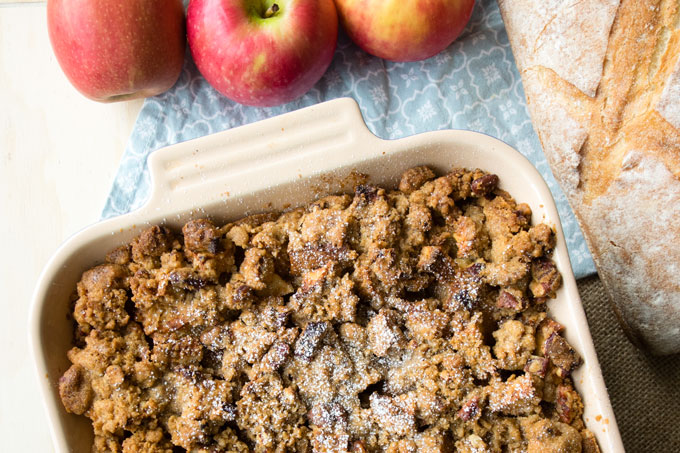
Casseroles provide the dual benefit of scalability and versatility. Whether feeding a household of four or a multi-generational gathering of twenty, these dishes ensure that guests are fed with minimal stress. Common iterations include savory egg-and-sausage bakes, which offer essential protein, or sweet, bread-based French toast casseroles that utilize seasonal fruits like apples and pears. By delegating the morning meal to the oven, hosts gain the freedom to enjoy time with family or focus on the intricate steps of the primary Thanksgiving feast.
Culinary Trends: Incorporating Seasonal Flavors
The integration of seasonal produce into breakfast menus has become a hallmark of modern Thanksgiving planning. Pumpkin, which is traditionally relegated to dessert, is increasingly finding its way into savory breakfast casseroles and morning smoothies. This shift reflects a broader interest in "farm-to-table" dining, where the ingredients available at the height of the harvest are maximized across all meals of the day.

- Pumpkin Integration: From pumpkin-infused French toast casseroles to protein-rich Greek yogurt bowls topped with pumpkin puree and toasted pecans, the squash offers a nutritional boost high in Vitamin A and fiber.
- Cranberry and Citrus Profiles: Utilizing fresh cranberries in scones or as a compote for oatmeal provides a necessary tartness that balances the heavier, richer flavors expected later in the day.
- Sweet Potato Versatility: Sweet potatoes are proving to be a highly effective substitute for traditional breakfast starches. Sweet potato hash browns, when crisped in a skillet with bacon and maple glaze, offer a complex flavor profile that bridges the gap between savory and sweet.
Skillet Cooking for Immediate Energy
For those who prefer a stovetop approach, the breakfast skillet has regained popularity. Skillet meals allow for a "one-pan" preparation, which is ideal for kitchens with limited oven space. A traditional farmer’s skillet—comprised of diced potatoes, sausage, peppers, and eggs—provides the dense energy required for families engaged in outdoor activities or travel. Recent culinary data suggests that skillet-based breakfasts reduce cleanup time by approximately 30 percent, a significant factor when considering the impending mountain of dishes the Thanksgiving feast will inevitably produce.
Meeting Diverse Dietary Requirements
The modern host must account for an increasingly diverse range of dietary needs, including gluten intolerance and plant-based diets. Creating a breakfast menu that accommodates these preferences early in the day is essential for inclusive hospitality.

- Gluten-Free Innovations: The substitution of bread for potatoes in breakfast casseroles has been a game-changer for gluten-sensitive guests. Potato-based bakes provide a hearty, satisfying texture without the need for wheat-based products.
- Vegan Options: The rise of plant-based baking has made it easier than ever to prepare festive muffins, breads, and cookies. Ingredients such as flax eggs, coconut milk, and oat flour are now staples in vegan holiday recipes, ensuring that plant-based guests do not feel excluded from the holiday brunch experience.
- Nutritional Density: The focus on "functional" breakfasts—those containing healthy fats, fiber, and protein—is a response to the heavy carbohydrate load of the traditional Thanksgiving dinner. Smoothies and nutrient-packed energy balls are becoming popular choices for those looking to maintain energy without feeling sluggish.
The Role of Beverages in Holiday Hospitality
A festive breakfast is incomplete without accompanying beverages that mirror the season’s flavor profiles. The "coffee house at home" trend has seen a surge in popularity, with families crafting their own versions of popular seasonal drinks. Maple pecan lattes, hot spiced pumpkin beverages, and even festive brunch cocktails like hibiscus-infused gin drinks are becoming standard offerings. These beverages not only serve as a refreshment but also contribute to the sensory experience of the holiday, filling the home with the scents of cinnamon, nutmeg, and cloves.
Economic and Logistical Implications
From a logistical standpoint, serving a deliberate breakfast can be a cost-effective measure for hosts. By utilizing leftovers or pantry staples—such as canned cream corn, oats, and frozen cranberries—hosts can create high-end breakfast items with minimal financial investment. Furthermore, the practice of using ingredients already purchased for the Thanksgiving feast—such as extra heavy cream, eggs, and fruit—reduces food waste, a growing priority for environmentally conscious consumers.

Conclusion: A Foundation for Celebration
The adoption of a formal Thanksgiving breakfast is more than a culinary preference; it is a structural improvement to the holiday experience. By alleviating the pressure of the mid-day hunger gap and providing an opportunity for family bonding before the intensity of the dinner service, the breakfast hour becomes a protected time for connection. Whether through the simplicity of toast topped with seasonal spreads or the complexity of an overnight strata, these morning recipes provide a foundational start to a day dedicated to gratitude. As the holiday continues to evolve, the focus on shared meals—beginning from the moment the house wakes up—ensures that the spirit of Thanksgiving is felt in every room, at every hour.
