
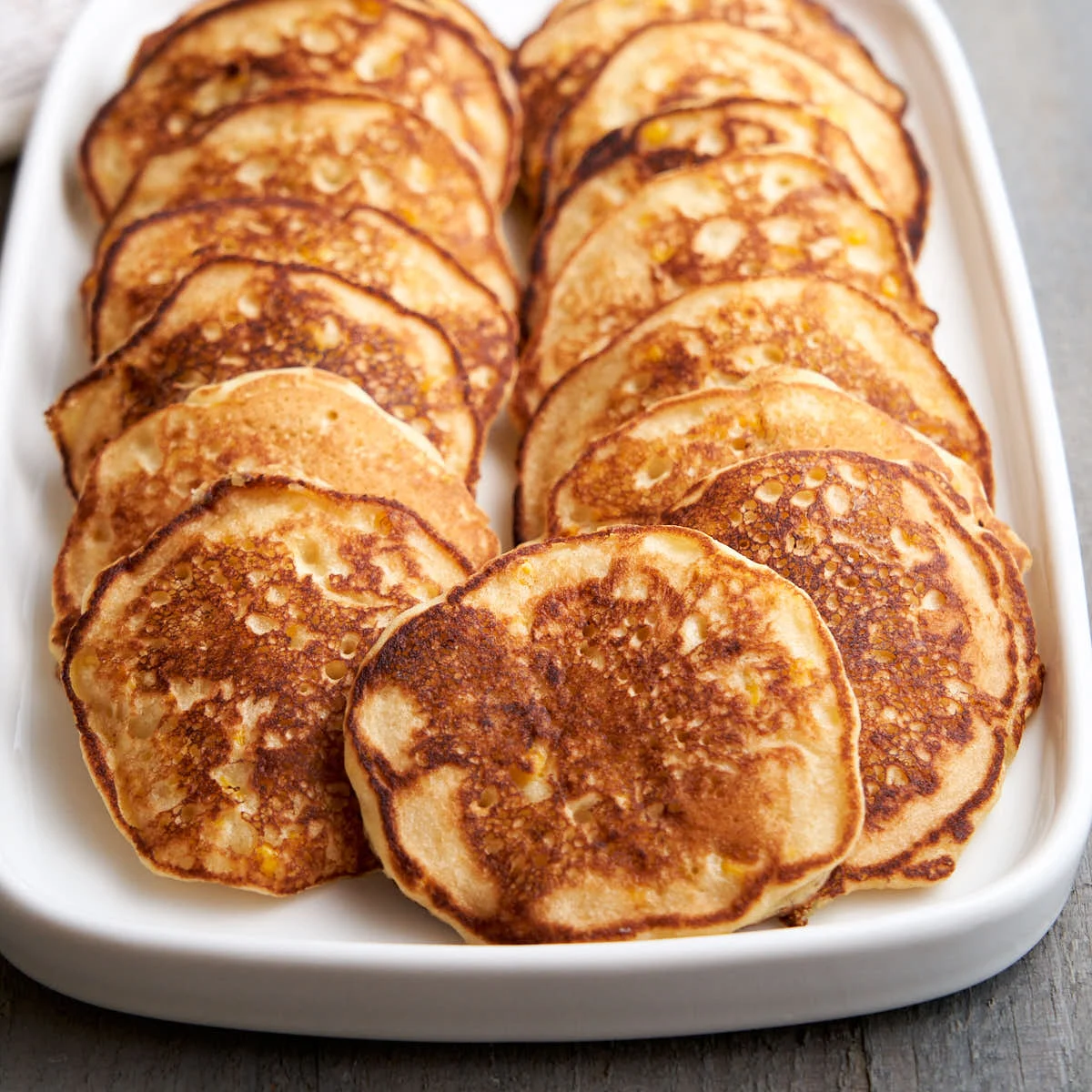
The landscape of modern breakfast cuisine has seen a resurgence of traditional, pantry-friendly ingredients, with a notable shift toward utilizing canned staples to achieve sophisticated textures in home cooking. Among these developments is the refinement of the corn pancake, a dish that bridges the gap between classic American griddle cakes and the rich, custard-like consistency of Southern-style corn pudding. By incorporating canned cream-style corn, culinary enthusiasts have effectively transformed a standard morning meal into a dish that offers a nuanced profile of sweetness, texture, and technical precision.
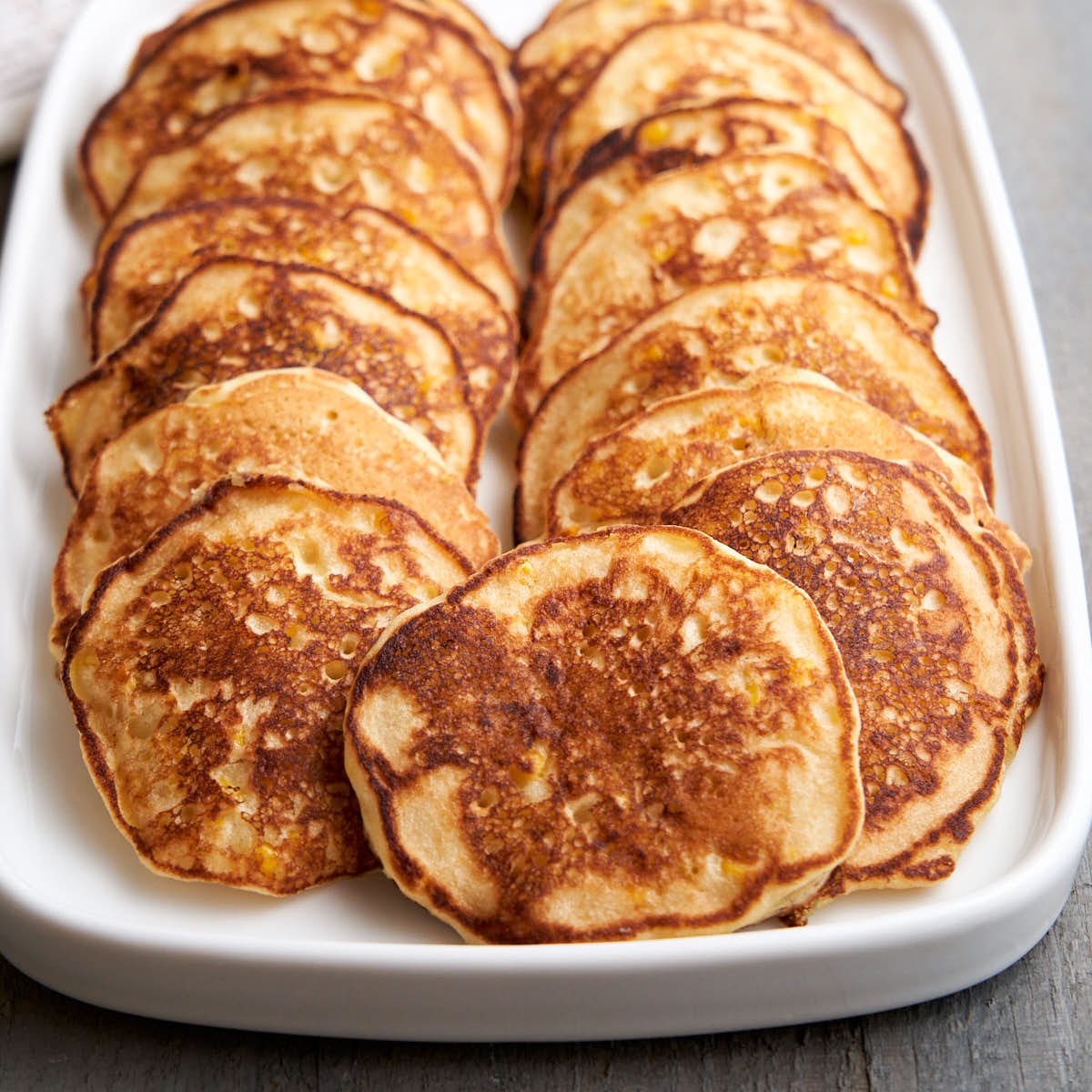
The Technical Evolution of Corn-Based Griddle Cakes
Historically, corn-based breakfast items—such as johnnycakes or hoecakes—relied on cornmeal as the primary structural component. While these iterations offered a distinctively rustic, coarse texture, they often lacked the moisture content desired by contemporary palates. The integration of cream-style corn marks a significant departure from these traditional recipes. Unlike standard corn kernels, which provide a distinct "pop," cream-style corn consists of kernels suspended in a starchy, milky liquid derived from the cob.
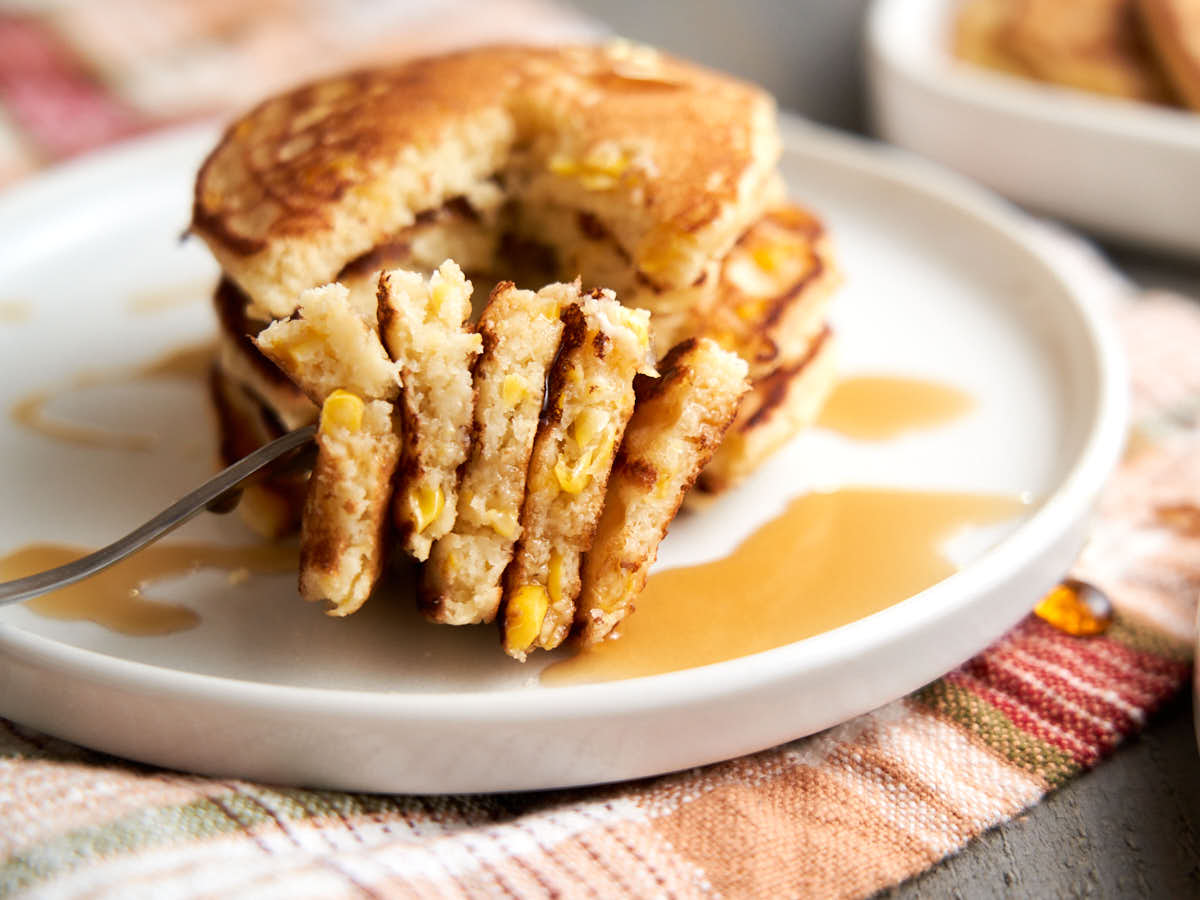
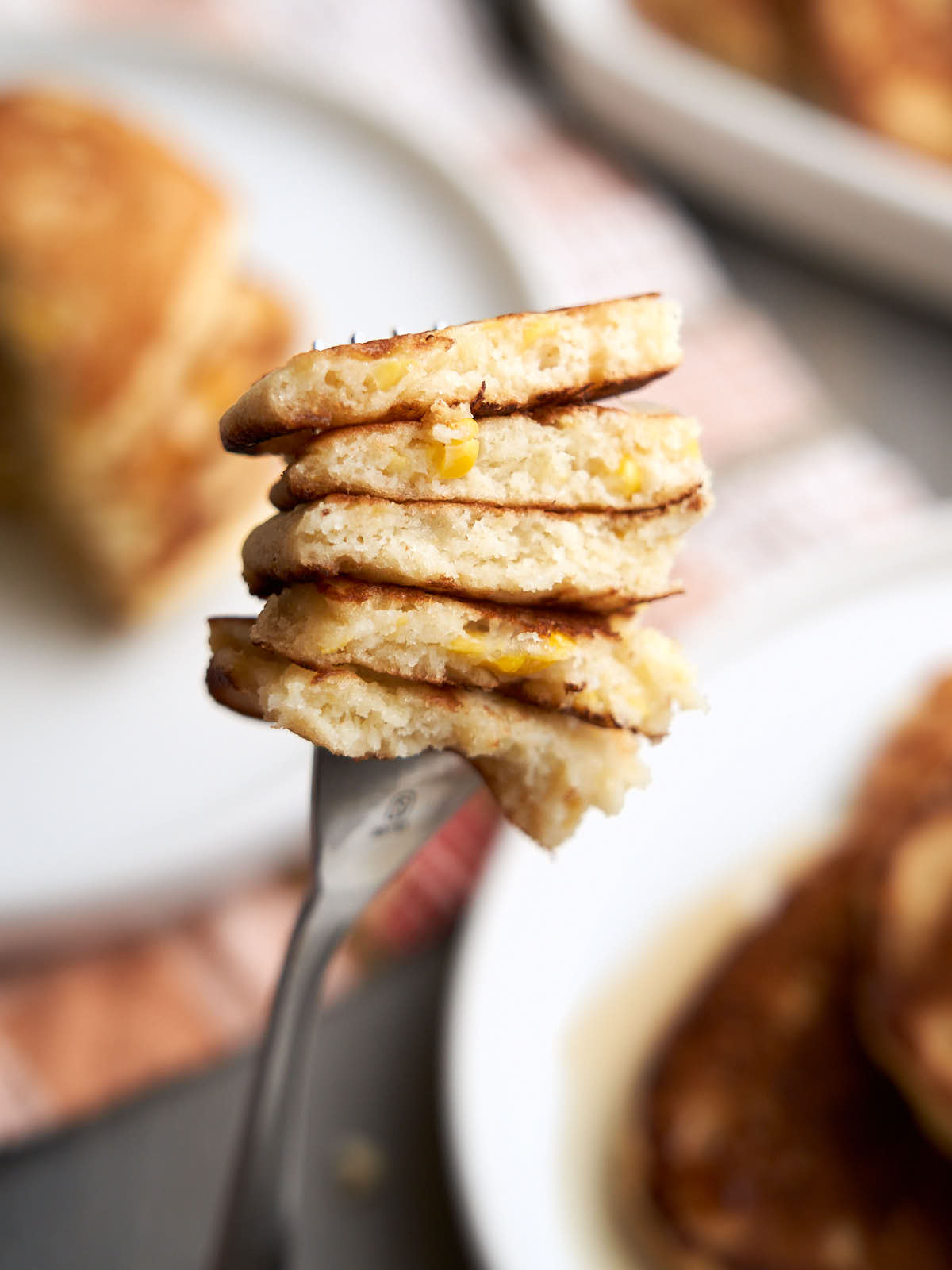
When this ingredient is introduced to a standard pancake batter, it acts as a hydrating agent that significantly alters the crumb of the finished product. The high moisture content, combined with the natural sugars present in the corn, creates a result that is inherently more tender than a flour-based pancake. Food scientists note that the starches in creamed corn undergo gelatinization during the cooking process, resulting in the "custard-like" interior that has become a hallmark of this modern breakfast preparation.
Chronology of the Ingredient’s Rise
The widespread adoption of canned cream corn in home breakfast recipes can be traced to the mid-20th-century expansion of the American pantry, where convenience items became the cornerstone of domestic efficiency. However, it was not until the early 2000s that culinary blogs and digital archives began documenting the specific technique of using creamed corn to mimic the profile of corn pudding.
In recent years, the trend has been bolstered by a broader interest in "pantry cooking," a movement that gained significant momentum during the 2020 global supply chain shifts. During this period, consumers prioritized shelf-stable goods, leading to a renewed interest in recipes that could transform basic cans into gourmet-style meals. The corn pancake emerged as a favorite among home cooks due to its accessibility and the relatively low cost of ingredients compared to more traditional, fruit-laden breakfast options.
Analysis of Nutritional and Culinary Implications
From a nutritional standpoint, corn-based pancakes offer a different profile than traditional buttermilk or flour-based pancakes. While they remain a carbohydrate-heavy breakfast option, the inclusion of corn adds a modest amount of dietary fiber and essential minerals such as magnesium and phosphorus.
Culinary experts often emphasize the importance of balancing the high water content of creamed corn with appropriate leavening agents. Because the batter is heavier than standard pancake mix, a precise ratio of baking powder is required to ensure the pancake maintains its structural integrity without becoming dense. The "two-bowl process"—mixing wet and dry ingredients separately before combining—is a standard practice in professional baking, ensuring that the leavening agents are evenly distributed and that gluten development is kept to a minimum, thereby preserving the desired tenderness.
Best Practices for Professional-Grade Execution
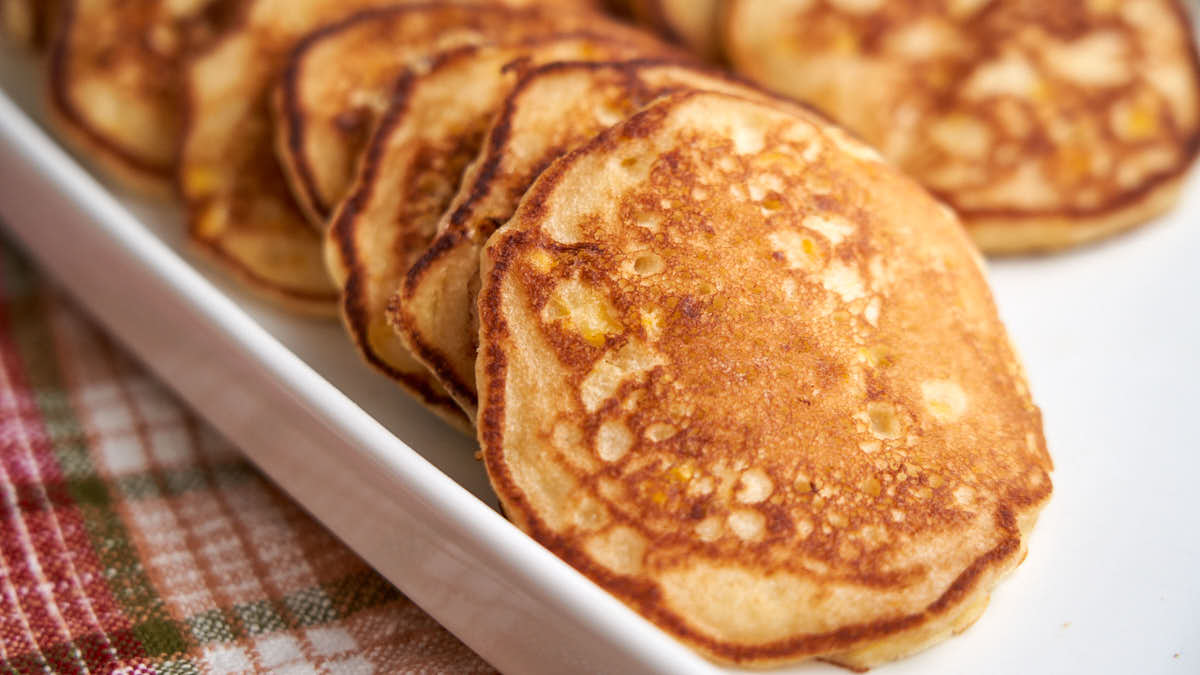
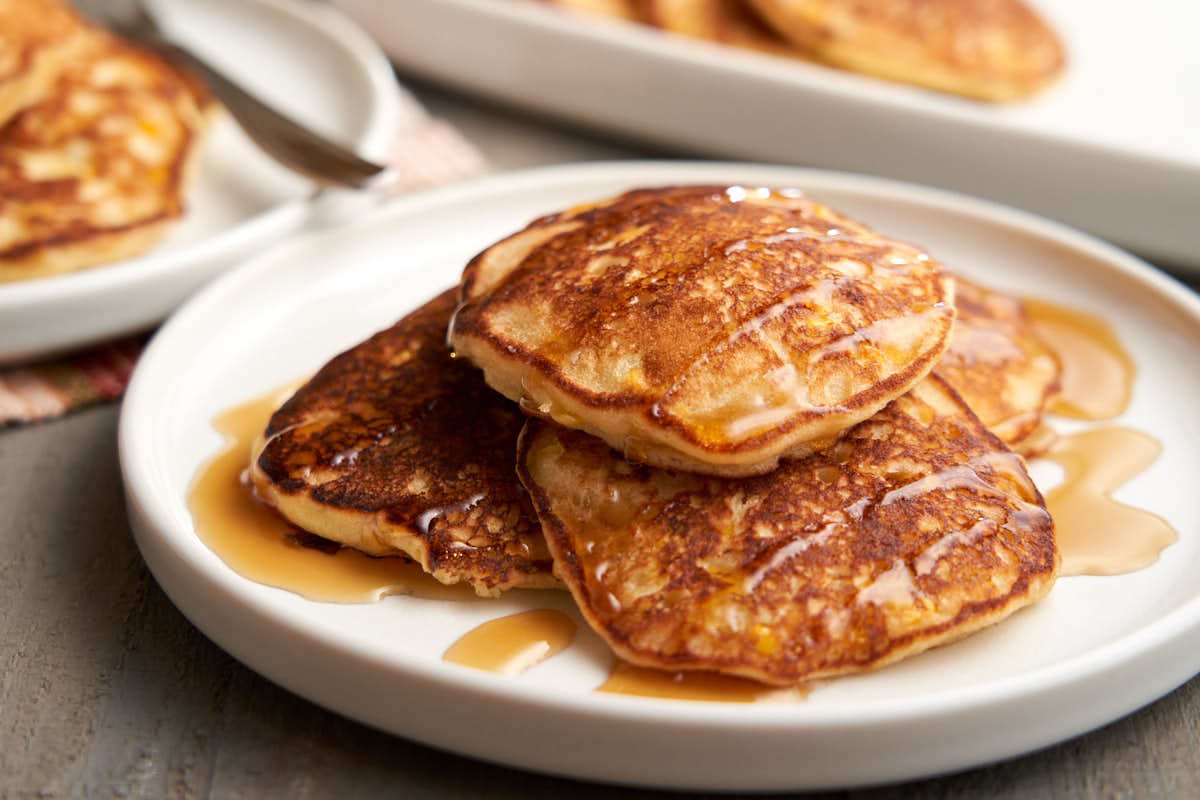
Achieving the perfect corn pancake requires more than just mixing the batter; it demands careful attention to heat management and fat selection. Using a silicone brush to apply melted butter to a griddle prior to pouring the batter is a technique favored by professional chefs to ensure an even, lacy crust. This thin layer of butter fries the edges of the batter as it hits the hot surface, providing a contrast in texture between the crispy exterior and the soft, pudding-like center.
Regarding heat control, the volatility of natural sugars in the corn creates a risk of rapid browning. Experts suggest maintaining a consistent medium-low heat. This allows the pancake to cook through the center before the exterior sugars reach the point of caramelization or burning. Signs of readiness for flipping—the appearance of bubbles on the surface and a slightly dried edge—are critical indicators that the interior has achieved the necessary structural set.
Economic and Market Impact
The shift toward incorporating canned cream corn into breakfast menus has not gone unnoticed by food manufacturers. Data from the grocery sector suggests that demand for canned creamed corn remains consistent, with periodic spikes during holiday seasons and mid-autumn, reflecting its dual use as both a side dish for savory dinners and a breakfast component.
This versatility is a key driver in the ingredient’s longevity. By positioning the product as a multi-purpose pantry staple, manufacturers have successfully insulated the product from the decline seen in other canned goods. Furthermore, the economic accessibility of these ingredients ensures that this style of cooking remains inclusive, allowing for high-quality breakfast preparation regardless of the consumer’s budget.

Broader Culinary Implications and Future Trends
The rise of the corn pancake is emblematic of a larger trend in gastronomy: the re-evaluation of regional, comfort-oriented dishes through a lens of technical refinement. As home cooks become more comfortable with the science of baking, we can expect to see further experimentation with texture. The integration of savory elements—such as scallions, cheddar cheese, or even cured meats—into the corn pancake batter is already gaining traction in brunch establishments across North America.
The enduring popularity of this dish suggests that it is more than a passing fad. Its success lies in its ability to satisfy a desire for familiar, comforting flavors while providing a superior texture that is difficult to replicate with standard ingredients. Whether served with a simple drizzle of maple syrup or a dollop of salted butter, the corn pancake stands as a testament to the potential for innovation within the home kitchen.
Conclusion
The evolution of the corn pancake serves as a case study in how simple, shelf-stable ingredients can be elevated through proper technique. By focusing on the interplay between the moisture of the creamed corn and the structural chemistry of the batter, home cooks can achieve a level of quality that rivals traditional breakfast fare. As the culinary landscape continues to prioritize both convenience and artisanal quality, the corn pancake will undoubtedly remain a staple of the modern breakfast table, serving as a reminder that sophisticated results can often be found in the most unassuming of kitchen cabinets.
