
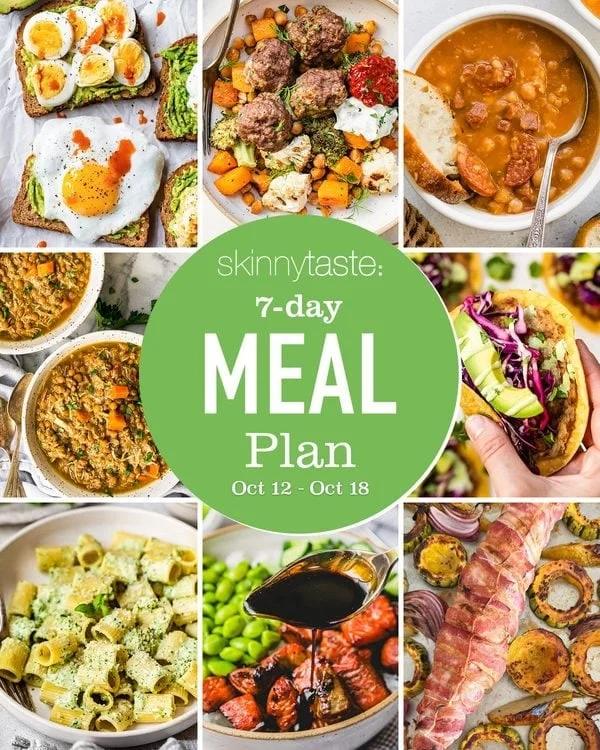
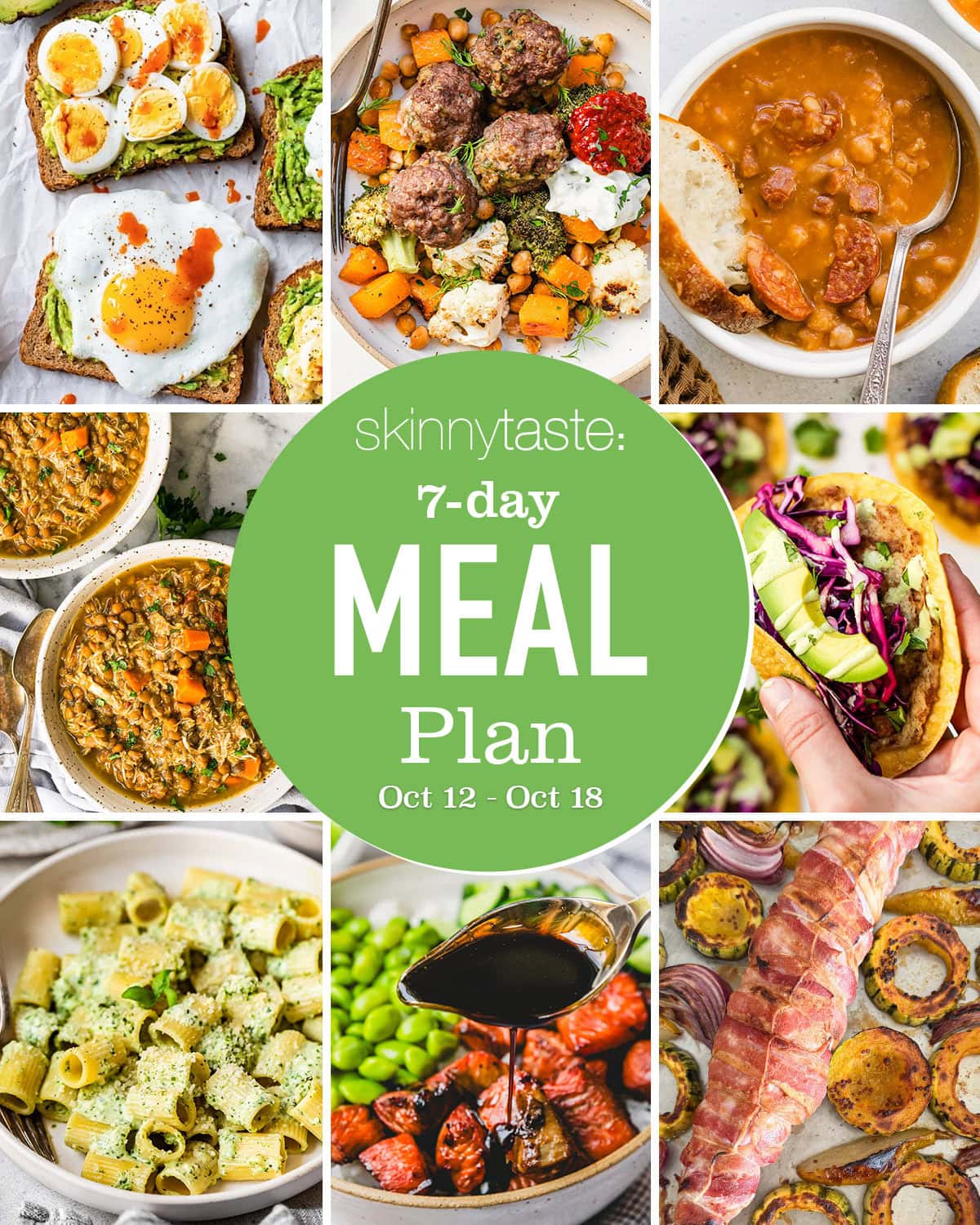
The challenge of maintaining nutritional consistency amidst rising food costs and shifting seasonal availability has become a central concern for many households. As October progresses, consumers are increasingly seeking structured, budget-conscious strategies to manage their health goals while navigating the complexities of grocery inflation. This week’s meal plan, spanning October 12 to October 18, serves as a framework designed to balance nutrient density with economic efficiency, incorporating seasonal staples like pumpkin to provide a high-fiber, vitamin-rich dietary approach.
The Role of Strategic Meal Planning in Modern Nutrition
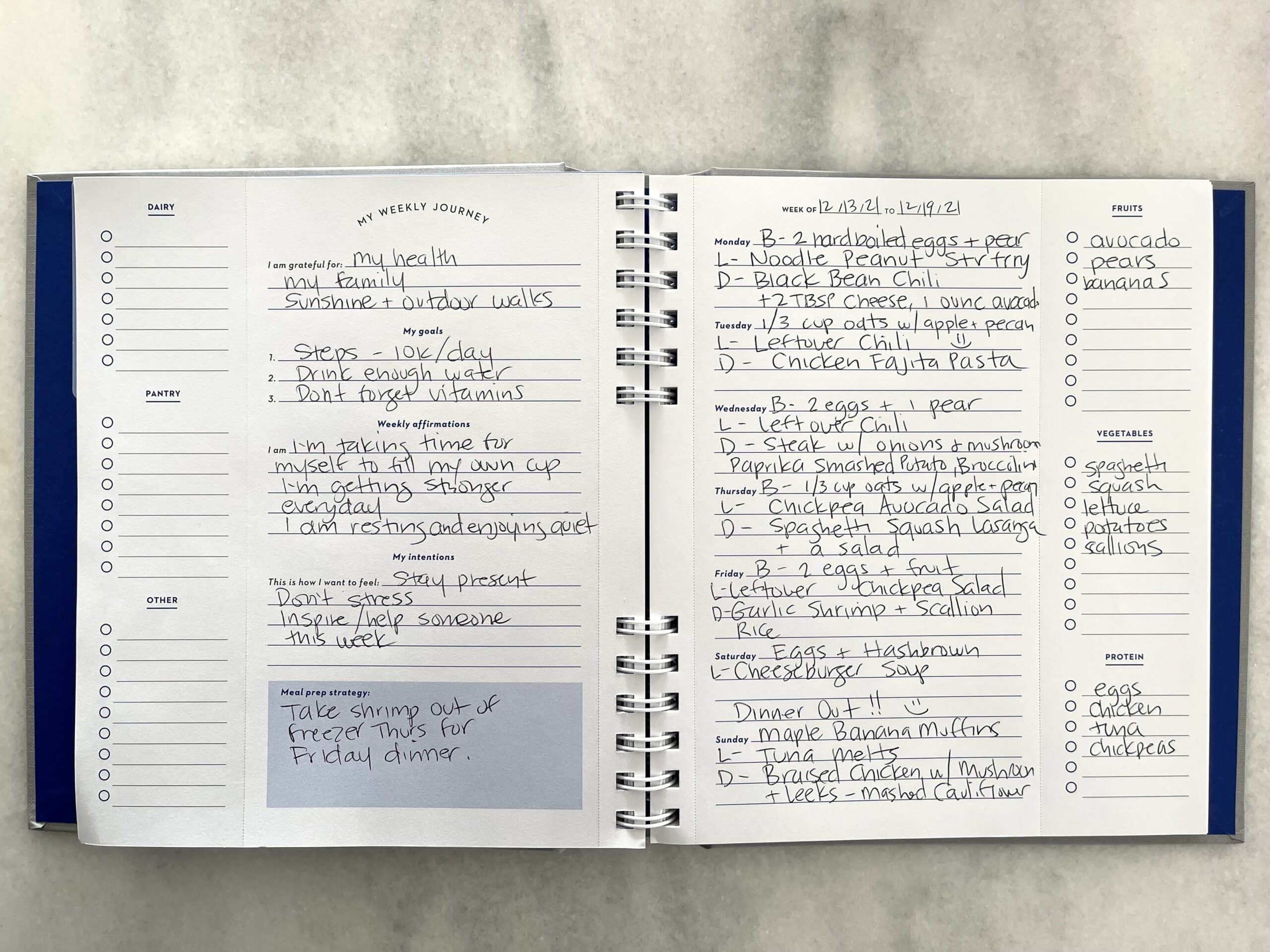
Nutritional science consistently emphasizes that long-term adherence to a healthy diet is bolstered by environmental control—specifically, the ability to predict and prepare meals in advance. By utilizing a structured 7-day guide, individuals can reduce the cognitive load associated with daily decision-making, which is a primary driver of impulse purchases and suboptimal nutritional choices.
This week’s plan is built on a foundation of flexibility, acknowledging that caloric requirements are not monolithic. While the provided menu targets a baseline, it is designed to be augmented based on individual metabolic needs, activity levels, and personal preferences. The integration of Weight Watchers point values and detailed macronutrient tracking provides a quantifiable method for users to monitor their intake, ensuring that the plan remains a tool for empowerment rather than a rigid restriction.
Seasonal Nutrition and the Pumpkin Paradigm
October brings with it a specific seasonal bounty, most notably the pumpkin. Beyond its role as a cultural symbol of autumn, the pumpkin is a nutritionally dense food source. According to the U.S. Department of Agriculture (USDA), pumpkin is a significant source of beta-carotene, which the body converts into vitamin A, an essential nutrient for immune function and vision.
Furthermore, the high fiber content in pumpkin assists in satiety, a critical component of weight management. By incorporating pumpkin into diverse applications—ranging from savory soups and beef stews to fiber-rich breakfast muffins—this week’s menu highlights how seasonal produce can be leveraged to maintain dietary variety without increasing the complexity of the cooking process. The inclusion of these items is intended to encourage the use of whole foods, which generally offer higher micronutrient density than processed alternatives.
Chronological Menu Overview (October 12–18)
The schedule for the week is structured to maximize ingredient utilization and minimize food waste, a cornerstone of budget-friendly culinary management.
- Monday, October 12: The week begins with a focus on high-protein, plant-forward breakfasts and lunches. The evening meal shifts to a pesto-based pasta dish paired with zucchini, focusing on controlled portion sizes.
- Tuesday, October 13: Innovation in the kitchen is encouraged through the use of air-fryer technology, featuring a breakfast banana split. The dinner service introduces "Chicken Smash Tacos," an example of utilizing lean proteins paired with low-calorie cauliflower rice to manage the overall glycemic index of the meal.
- Wednesday, October 14: The plan incorporates the Instant Pot for a Spanish Garbanzo Stew, emphasizing the efficiency of pressure cooking for legumes, which are a cost-effective source of plant-based protein.
- Thursday, October 15: To optimize resources, the lunch period utilizes leftovers from the previous evening’s stew. The dinner features a sheet-pan preparation of meatballs, chickpeas, and butternut squash, reducing active cooking time and cleanup.
- Friday, October 16: The focus transitions to omega-3 fatty acids with a Teriyaki Salmon bowl, providing a heart-healthy conclusion to the work week.
- Saturday, October 17: The weekend schedule shifts to accommodate more flexible social dining, with a focus on pumpkin-based breakfast options and a planned evening meal outside the home.
- Sunday, October 18: The final day emphasizes preparation for the upcoming week, utilizing slow-cooker chicken and lentil soup, followed by a protein-rich bacon-wrapped pork tenderloin.
Economic Implications of Systematic Grocery Management
Data from the Bureau of Labor Statistics (BLS) indicates that food-at-home prices remain a volatile variable in the average consumer’s budget. The implementation of an organized, comprehensive shopping list—as featured in this weekly plan—is a proven method for mitigating unnecessary expenditure. By cross-referencing meal requirements with existing pantry inventory, individuals can significantly decrease the incidence of "food spoilage waste," which, according to the Environmental Protection Agency (EPA), accounts for a substantial percentage of household financial loss.

The transition toward home-based meal preparation is often identified by financial analysts as a necessary adjustment to current inflationary trends. By prioritizing bulk staples such as grains, legumes, and seasonal produce, the provided menu aims to lower the average cost per serving while maintaining the nutritional integrity of the daily intake.
Community Engagement and Expert Support
The rise of digital communities has transformed how individuals approach weight loss and health maintenance. Peer-to-peer accountability, facilitated through platforms like the Skinnytaste Facebook Community, serves as a social reinforcement mechanism. The sharing of success stories, recipe modifications, and troubleshooting common meal-prep hurdles provides a psychological support structure that is often missing from traditional, solitary diet plans.
Experts in behavioral psychology note that the "community effect" is a significant predictor of long-term success in health-related lifestyle changes. When individuals share their progress in a public or semi-public forum, they are more likely to adhere to their stated goals due to the social commitment involved.
Analysis of Health Guidelines
The provided plan acknowledges that a "one-size-fits-all" approach to nutrition is inherently flawed. While the plan suggests a daily target, it encourages users to utilize reputable calculators, such as those provided by MyPlate.gov, to determine their specific caloric needs based on age, sex, height, weight, and activity level.
For the average adult woman, a baseline of 1,500 calories is often cited as a sustainable starting point for weight loss; however, this is subject to significant variance. The "wiggle room" mentioned in the plan—which allows for the inclusion of coffee, fruit, and modest indulgences—is a critical component of the "flexible dieting" philosophy. This approach avoids the "all-or-nothing" mindset that frequently leads to the abandonment of health protocols. By allowing for minor deviations, the plan maintains a level of psychological sustainability that is often absent in restrictive fad diets.
Conclusion and Future Outlook
As we navigate the latter half of October, the synthesis of seasonal ingredient availability and structured logistical planning remains the most effective path toward sustainable health. By reducing the complexity of the grocery store experience and providing a roadmap for the week, this meal plan acts as a practical instrument for those seeking to regain control over their dietary habits.
The ongoing evolution of these meal plans—incorporating everything from high-protein cookbook resources to digital tools like the Ultimate Meal Planner—reflects a broader trend in the wellness industry toward actionable, data-driven, and community-supported solutions. Whether the goal is weight loss, budget optimization, or simply improved nutritional awareness, the combination of planning, preparation, and community support provides a robust framework for success in the modern food environment.
For those looking to sustain these habits beyond the current seven-day period, the continued use of standardized grocery lists and the rotation of seasonal, whole-food recipes will remain essential strategies. As the industry continues to provide more sophisticated tools, the barrier to entry for healthy living is steadily decreasing, allowing for greater accessibility to high-quality, balanced nutrition regardless of one’s initial experience level in the kitchen.
