
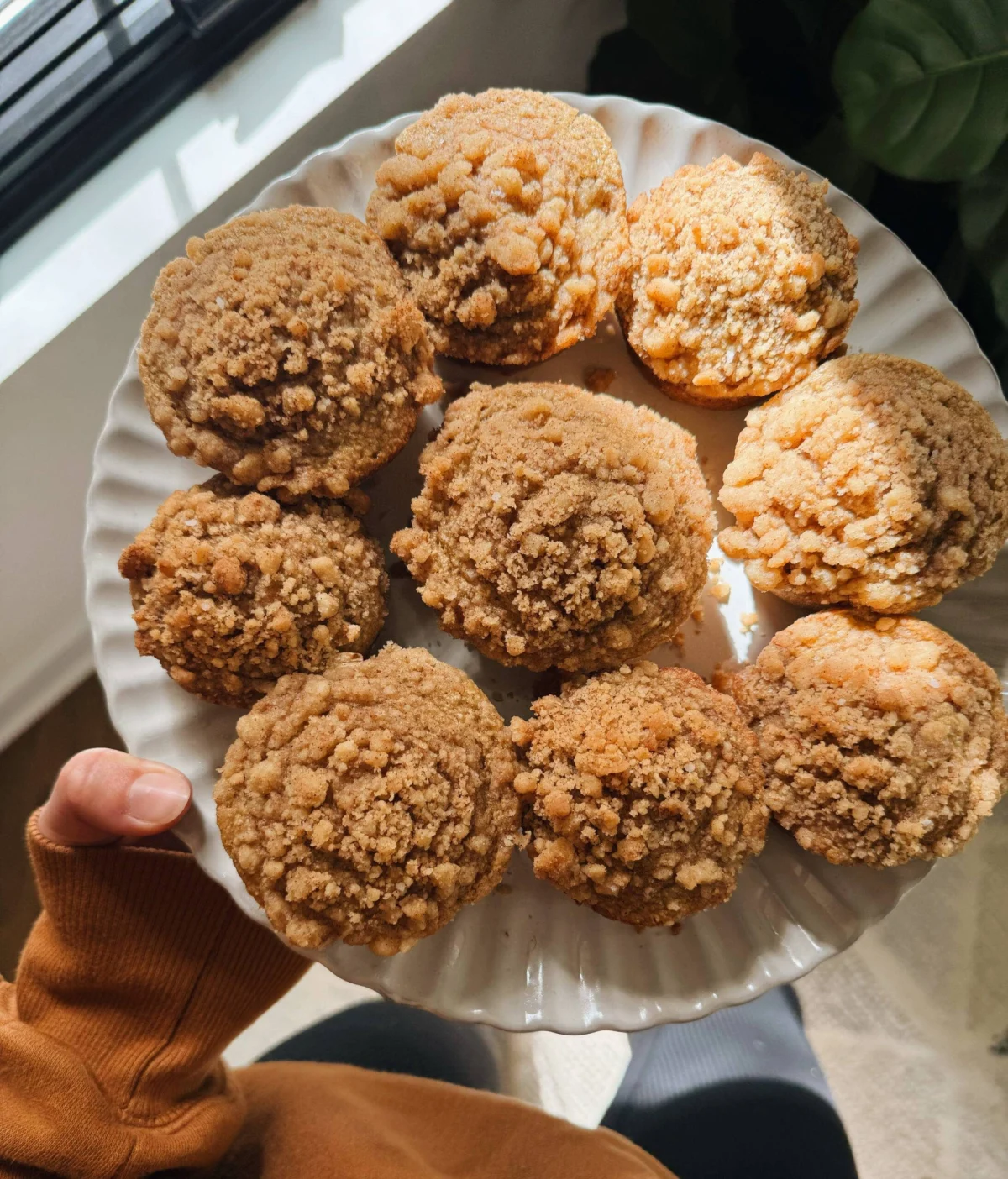
The intersection of nutritional efficiency and seasonal culinary trends has reached a new peak this autumn, characterized by the widespread adoption of meal-prepped apple streusel muffins. As the temperature drops and the demand for convenient, nutrient-dense breakfast options rises, home cooks and culinary professionals alike are turning toward batch-prepared baked goods that emphasize seasonal produce. This shift reflects a broader consumer trend toward home-based meal planning, driven by both economic considerations and a growing desire for transparent, wholesome ingredients in daily dietary regimens.
The Evolution of Meal Prep Culture
Meal preparation, once a niche practice reserved for professional athletes or strict dieting protocols, has evolved into a staple of modern household management. The rise of the "meal prep muffin" is symptomatic of this transition. Data from consumer behavior analysts suggests that interest in "batch cooking" has increased by approximately 22% over the last three years, largely fueled by the post-pandemic normalization of hybrid work environments.
The apple streusel muffin, specifically, serves as a bridge between comfort food and nutritional utility. By incorporating fiber-rich fruits and complex carbohydrates, these items offer a practical solution for busy mornings. The inclusion of a streusel topping—typically a mixture of flour, sugar, and fat—provides a textural contrast that has helped maintain the popularity of this specific recipe across diverse demographics, from school-aged children requiring portable lunches to professionals seeking quick morning sustenance.
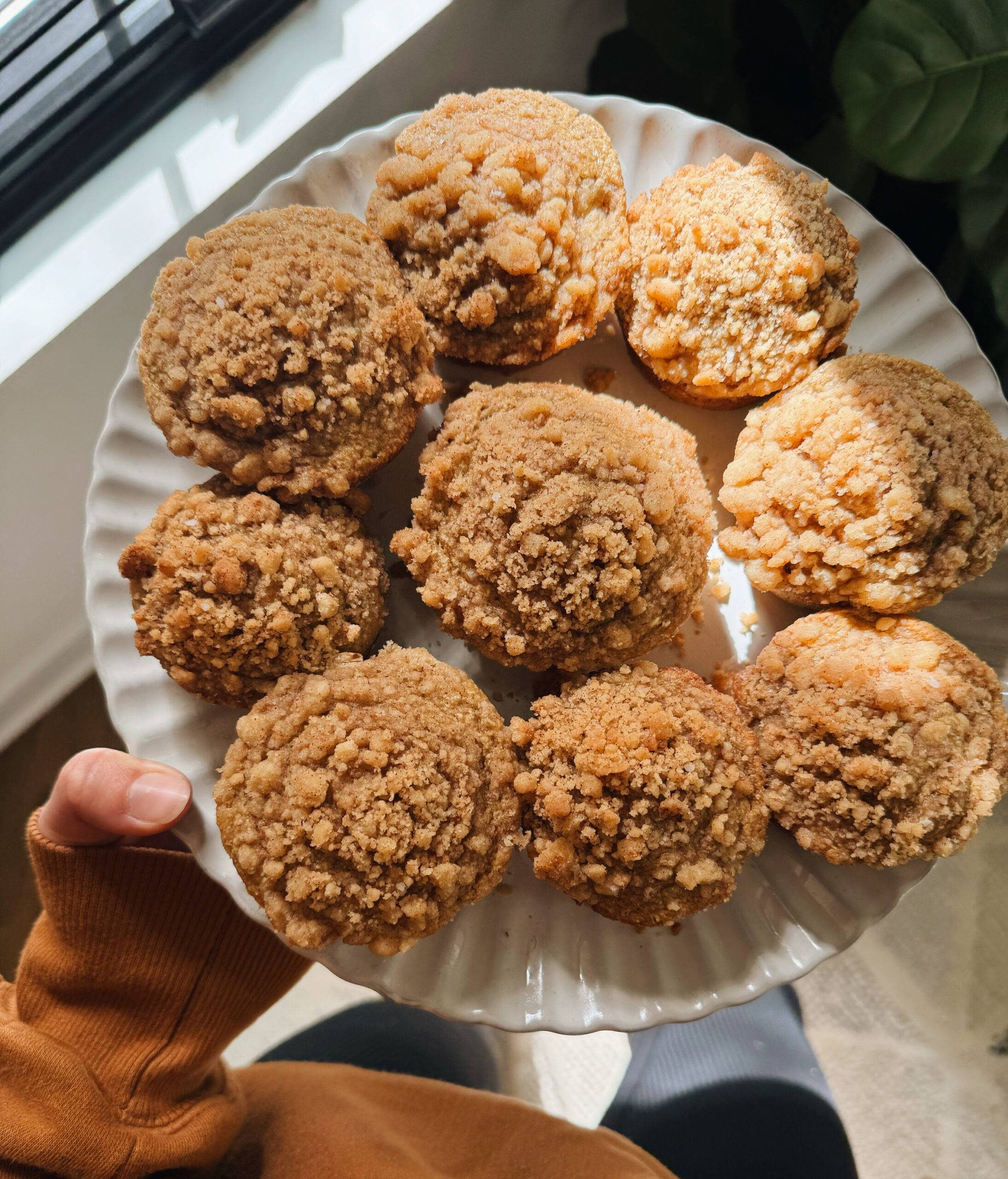
Nutritional Composition and Ingredient Analysis
The foundational appeal of the current trend lies in the simplicity of the ingredient list. Nutritional experts note that muffins prepared in a home environment allow for the reduction of preservatives and high-fructose corn syrup commonly found in commercial alternatives. Standardized versions of these muffins generally rely on:
- Complex Carbohydrates: Often sourced from whole-wheat flour or oat blends to ensure sustained energy release.
- Seasonal Produce: Fresh apples, which provide natural sweetness, moisture, and essential dietary fiber.
- Healthy Fats: The utilization of fats such as Greek yogurt or butter in moderation, which aids in the structural integrity of the muffin without relying on heavy oils.
- Natural Aromatics: Cinnamon and nutmeg, which provide flavor profiles associated with autumn while also offering potential antioxidant benefits.
When compared to conventional store-bought breakfast pastries, which can contain upwards of 30 grams of sugar per serving, homemade meal-prep variants allow for a significant reduction in refined sugar intake. The ability to control the fat-to-sugar ratio remains a primary driver for health-conscious households that prioritize long-term dietary wellness over immediate convenience.
The Economic and Logistical Impact
The decision to transition to a daily meal-prep routine for breakfast carries significant economic implications. According to retail food price indices, the cost of an individual coffee shop breakfast—often including a muffin and a beverage—can exceed $8.00 to $12.00 per day. By comparison, bulk-purchasing staple ingredients such as flour, apples, and bulk spices reduces the cost per unit to approximately $0.40 to $0.70 per serving.
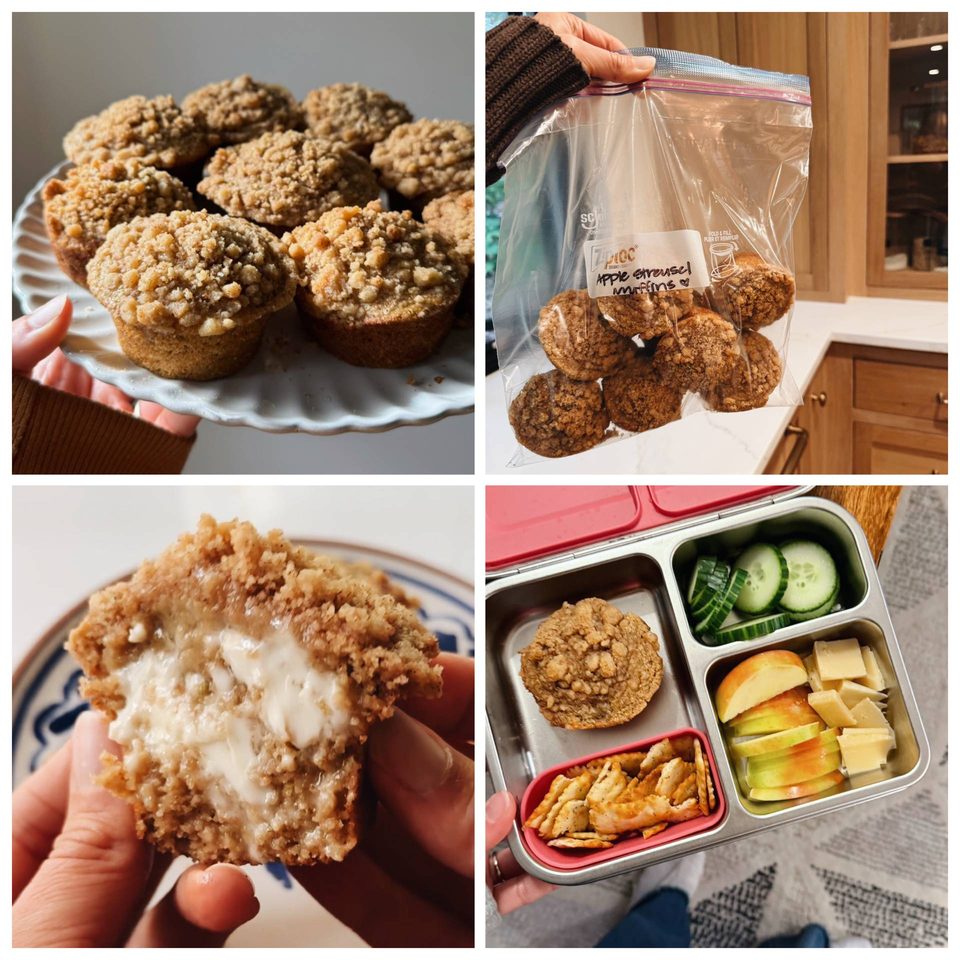
From a logistics standpoint, the "bake-and-freeze" method has revolutionized home food storage. Modern household appliances, particularly high-efficiency chest freezers and vacuum-seal technology, have made it possible to maintain the freshness of baked goods for up to three months. This longevity minimizes food waste—a critical objective for sustainability-minded consumers—and ensures that a nutritional breakfast is available regardless of the constraints of a busy morning schedule.

Consumer Behavior and Behavioral Psychology
The preference for these muffins is not merely a matter of caloric intake but also reflects the psychological importance of routine. Psychologists often emphasize that established morning rituals are essential for maintaining mental clarity throughout the work or school day. The tactile experience of consuming a warm, freshly prepared item, especially during the colder months, provides a sensory anchor that many find beneficial for mood regulation and stress management.
Furthermore, the integration of these muffins into children’s lunchboxes highlights a shift in parental strategies regarding "stealth health." By incorporating nutrient-dense ingredients into items that possess the palatability of a dessert, parents are better able to ensure that children meet daily nutritional requirements without the resistance often associated with more traditional "healthy" lunch options.
Industry Perspectives on Homemade Trends
Culinary influencers and recipe developers have noted a sharp increase in search traffic for "meal prep" content as autumn approaches. While the industry has historically focused on elaborate dinner recipes, the current focus on breakfast highlights a demand for "functional food."
"There is a palpable shift in the way people view their first meal of the day," says a spokesperson for a leading food-data consultancy. "The consumer no longer views breakfast as a luxury or a nuisance; it is viewed as a foundational pillar of their daily performance. The move toward meal-prepping indicates that people are willing to trade an hour of their Sunday evening for a week of reliable, high-quality, and cost-effective breakfasts."
Future Outlook and Sustainability
As the trend continues to mature, the focus is likely to shift toward further increasing the nutritional density of these baked goods. Future iterations of the meal-prep muffin are expected to include higher protein concentrations, potentially through the addition of seeds, nuts, or protein-enriched flours. Additionally, as supply chain awareness grows, there is an increasing emphasis on sourcing apples and grains from local agricultural hubs, further reducing the carbon footprint of the average breakfast.
The durability of this trend is supported by its inherent flexibility. The underlying chemistry of the muffin—a standard emulsion of wet and dry ingredients—allows for endless customization. Whether a household opts for apple, pumpkin, or zucchini-based recipes, the methodology remains the same: create a balanced, shelf-stable, and emotionally satisfying product that can be prepared in large quantities.
Conclusion: The Lasting Appeal of Wholesome Staples
The enduring popularity of the apple streusel muffin is a testament to the power of balancing simplicity, taste, and nutrition. In an era of rapid technological advancement and often overwhelming culinary choices, the return to a basic, homemade, and reliable breakfast represents a form of consumer autonomy. By embracing the principles of meal preparation, individuals are reclaiming control over their nutritional intake, managing their household budgets more effectively, and establishing consistent morning routines that serve them throughout the busy work and school week.
As this trend progresses into the late autumn and winter months, it is clear that the focus on "wholesome, batch-prepped comfort" will remain a central theme in domestic culinary life. Whether driven by the economic necessity of cost-savings or the psychological benefits of a consistent, warm breakfast, the meal-prepped muffin has secured its place as a staple of the modern, health-conscious household.
