

The preparation of a classic beef chili, characterized by a robust combination of kidney and pinto beans, seasoned ground beef, and a deeply flavored tomato-based sauce, remains a staple of North American culinary tradition. As a versatile dish, chili serves as a cornerstone of seasonal comfort food, suitable for both large-scale social gatherings and domestic meal preparation. While regional variations of the dish—often categorized by the inclusion or exclusion of beans and the specific selection of chili peppers—spark frequent debate, the foundational recipe relies on the slow integration of proteins and complex spices to achieve a balanced flavor profile.
Historical Context and Evolution of the Dish
The origins of chili, or chili con carne (chili with meat), are deeply rooted in the American Southwest, with historical documentation dating back to the mid-19th century. Many historians trace its development to the "chili queens" of San Antonio, Texas, who began selling the dish in the city’s plazas during the 1880s. Initially a working-class food designed to be both affordable and filling, the dish evolved as it spread across the United States.
By the early 20th century, chili parlors had become a fixture of American urban centers. During the Great Depression, the affordability of beans and dried spices made chili a essential food source for many families. This historical accessibility solidified the dish’s status as a quintessential American "homestyle" meal. Today, the dish is recognized as the official state dish of Texas, though contemporary preparations often diverge from the original "no-bean" strictures of the Texas standard to include kidney and pinto beans, as well as a variety of vegetables and aromatics.
The Mechanics of Flavor: Ingredients and Preparation
The efficacy of a classic chili recipe hinges on the ratio of ingredients and the thermal process applied during cooking. Standard preparation involves the browning of ground beef, which provides the necessary fat and protein structure. The addition of beans—typically red kidney beans and pinto beans—serves as the primary source of dietary fiber and texture.
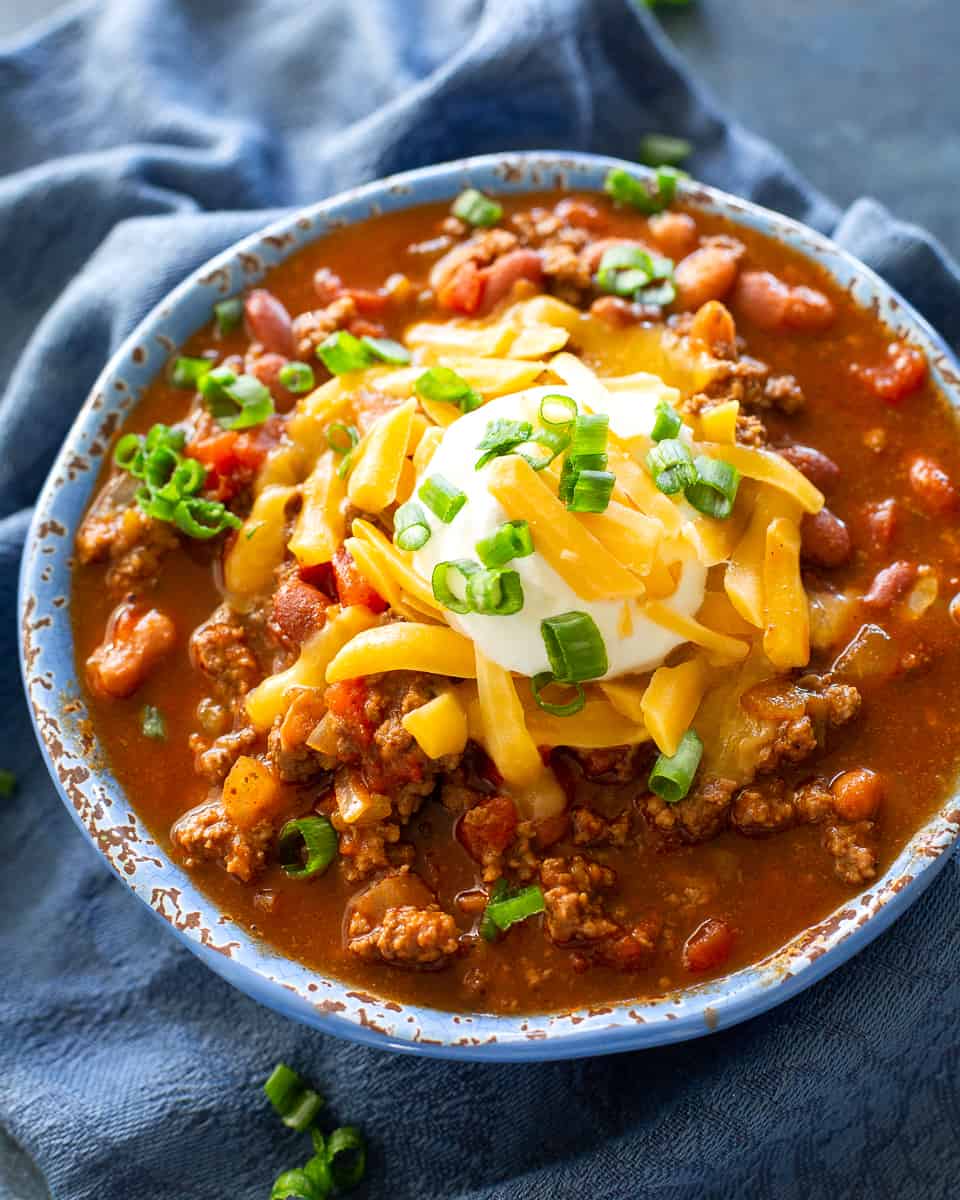
Professional culinary techniques emphasize the importance of the simmering phase. This period of sustained, low-heat cooking allows for the denaturation of proteins and the infusion of aromatic compounds from spices, such as cumin, chili powder, paprika, and oregano. When cooked in a slow cooker, this process can span several hours, facilitating a more thorough extraction of flavors from the base aromatics.
A significant point of contention in culinary circles involves the handling of canned beans. Conventional wisdom has long suggested that rinsing beans is necessary to reduce sodium content and improve digestibility. However, recent analysis, including findings from institutions such as America’s Test Kitchen, suggests that the viscous liquid found in canned beans—often composed of starch and water—serves as an effective natural thickening agent. Retaining this liquid during the cooking process allows for a more cohesive, velvety sauce consistency without the need for additional artificial starches or reduction time.
Nutritional Profile and Dietary Implications
A standard serving of homemade beef chili provides a dense nutrient profile. Based on typical home preparations, a single serving of approximately 12 ounces offers approximately 147 kilocalories, characterized by a significant protein content of 16 grams per serving. This makes it a popular choice for individuals seeking to balance macro-nutrient intake.
From a nutritional standpoint, the integration of legumes (beans) contributes to the total fiber count, which is essential for digestive health. The use of lean beef reduces the overall saturated fat content, while the inclusion of various vegetables—such as bell peppers and onions—supplies essential micronutrients, including Vitamin A and C, as well as trace minerals like iron and potassium. The moderate sodium content is largely dependent on the quality of the broth and the specific canned goods utilized in the recipe.
Logistical Considerations: Storage and Scalability
The logistical nature of chili makes it a highly effective dish for batch cooking and institutional catering. Due to its stable chemical composition, chili is considered a highly freezer-friendly meal. When stored in airtight containers at temperatures below 0°F (-18°C), the dish maintains its integrity for up to three months.

Reheating protocols require careful temperature management to ensure food safety. When thawing frozen chili, it is recommended to utilize the refrigerator method to maintain a consistent temperature below 40°F (4°C) to prevent bacterial proliferation. Once thawed, the chili can be reheated on a stovetop or in a slow cooker until it reaches an internal temperature of at least 165°F (74°C). This stability allows for mass production and distribution, contributing to its prevalence in community events and food service environments.
The Role of Accompaniments and Presentation
The presentation of chili is often viewed as an extension of the preparation process itself, with the addition of garnishes designed to balance the acidity and heat of the sauce. Common accompaniments include:
- Dairy: Sour cream or shredded cheddar cheese, which provide a cooling effect to counteract the capsaicin present in chili peppers.
- Aromatics: Diced green onions, cilantro, and jalapeños, which add fresh, volatile flavor compounds.
- Acidity: Fresh lime wedges, which can brighten the flavor profile and cut through the richness of the beef.
- Carbohydrates: Traditional accompaniments like cornbread provide a textural contrast, absorbing the liquid component of the chili and acting as a palate cleanser.
The selection of these toppings is often dictated by regional preferences, yet they serve a consistent functional purpose in the culinary experience of the dish.
Broader Economic and Cultural Implications
The enduring popularity of the classic chili recipe reflects a broader shift toward "comfort" foods in the American diet. Economic data consistently indicates that demand for staples like ground beef and canned legumes increases during periods of economic volatility, as consumers prioritize high-protein, cost-effective meals.
Furthermore, the adaptability of the recipe allows for significant individualization, which has fueled a vast cottage industry of "award-winning" chili competitions and cookbooks. These events, while recreational, serve as a vehicle for the preservation of culinary techniques and the transmission of domestic skills across generations.

The integration of technology into the kitchen—specifically the proliferation of slow cookers and programmable multicookers—has further democratized the preparation of the dish. By allowing for "set-and-forget" cooking, these appliances have reduced the barriers to entry for home cooks, ensuring that traditional recipes remain relevant in a modern, fast-paced society.
Summary of Scientific and Culinary Standards
In conclusion, the classic chili recipe is a scientifically sound and culturally significant dish that bridges the gap between historical tradition and modern nutritional requirements. The reliance on slow-simmering techniques, the strategic use of bean liquid for thickening, and the versatility of ingredient pairings ensure that it remains a fixture in the culinary landscape. As food science continues to evolve, the fundamental principles of chili preparation remain remarkably consistent, proving the efficacy of traditional methods in achieving a balanced, nutrient-dense, and widely appealing final product. Whether served in a professional setting or a domestic kitchen, the dish continues to function as a primary example of how simple, accessible ingredients can be transformed through technique into a standard-bearing meal.
