
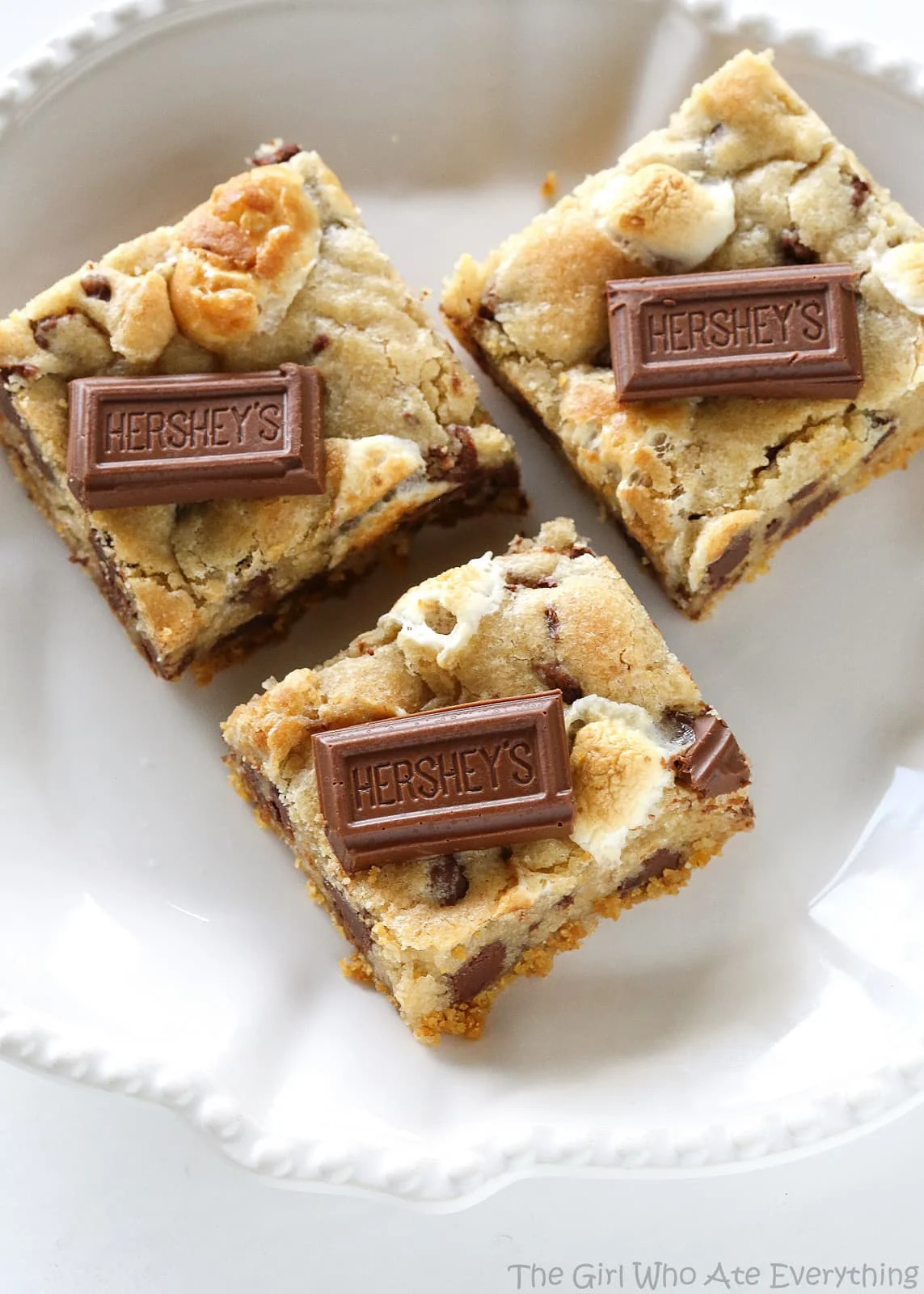
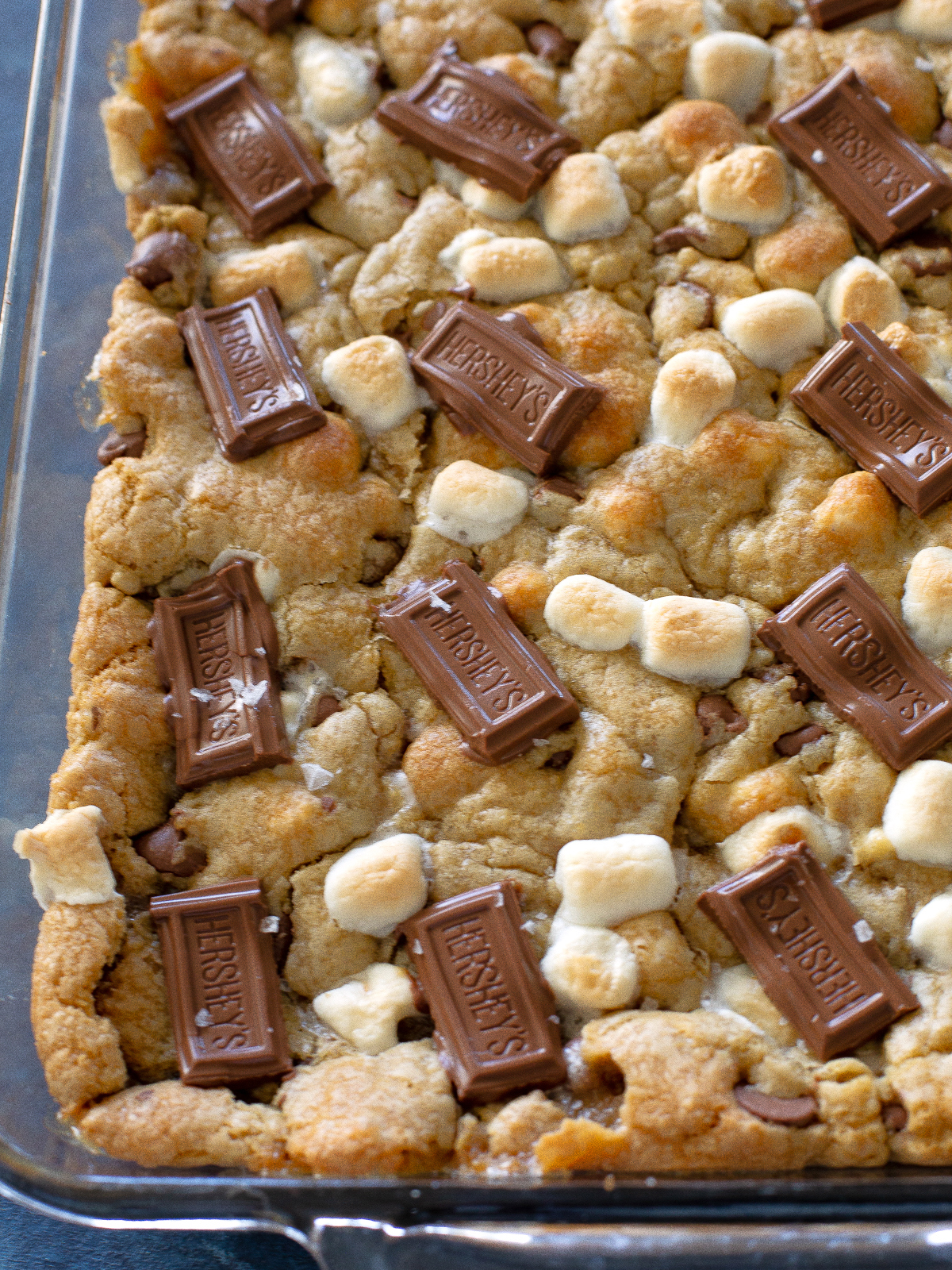
The S’mores Cookie Bar represents a significant evolution in American confectionery, blending the nostalgic elements of the traditional campfire snack with the structural convenience of modern bar-style desserts. By layering a buttery graham cracker crust with a robust cookie dough embedded with marshmallows and finished with iconic milk chocolate squares, this confection has transitioned from a niche home-baking project to a staple of the contemporary dessert landscape. Beyond its ingredients, the dish serves as a compelling case study in the interconnected nature of the digital food blogging community, illustrating how personal narratives and shared recipes foster long-term culinary legacies.
The Anatomy and Culinary Composition of the Dessert
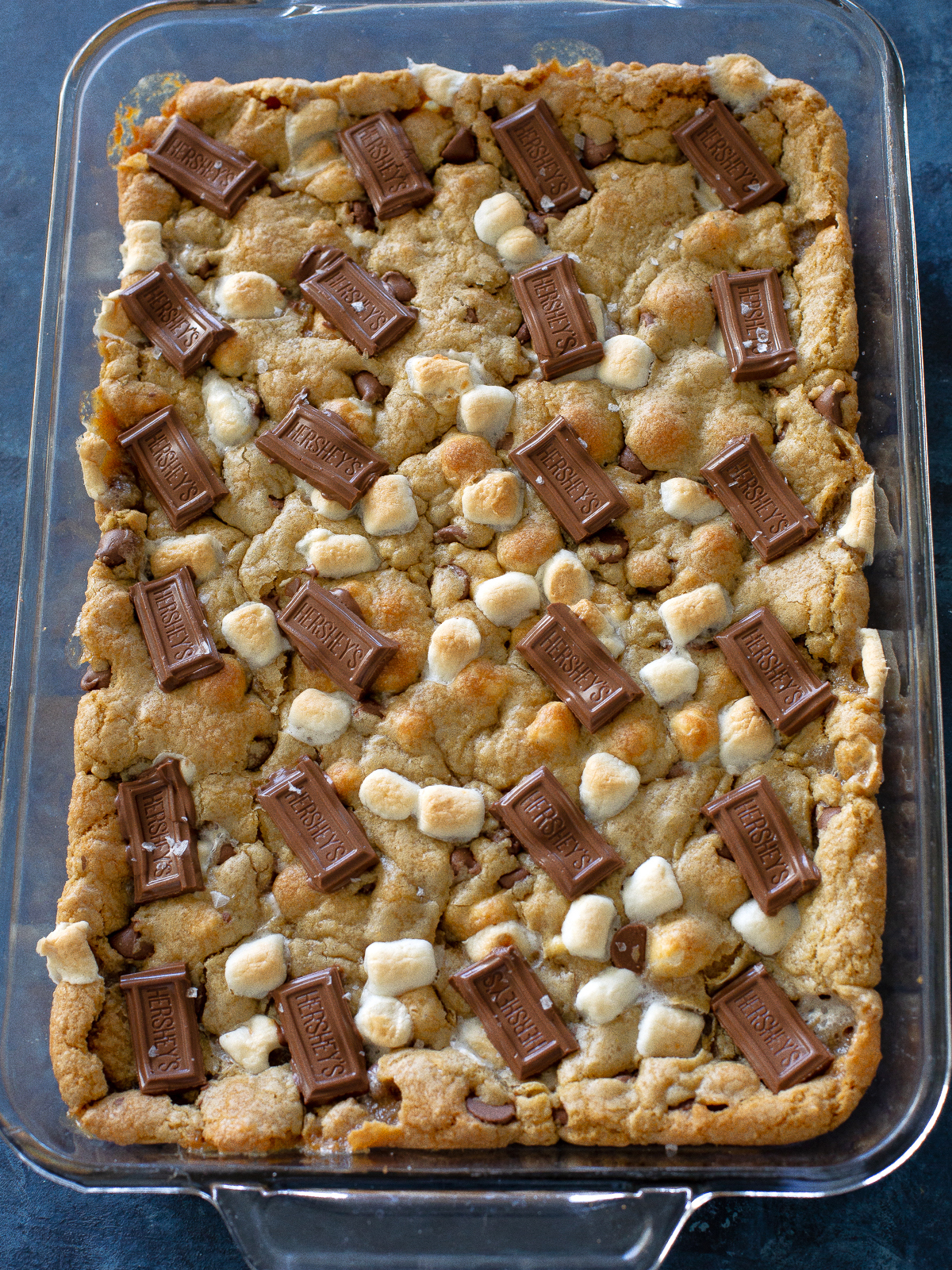
At its core, the S’mores Cookie Bar is an exercise in textural contrast. The base, typically composed of crushed graham crackers, butter, and sugar, provides a structural foundation that mimics the crunch of a traditional campfire s’more. The central layer—the cookie dough—acts as the primary binding agent. Unlike standard cookie recipes, the inclusion of marshmallows necessitates specific temperature controls during the baking process to prevent the sugars from liquefying excessively or burning.
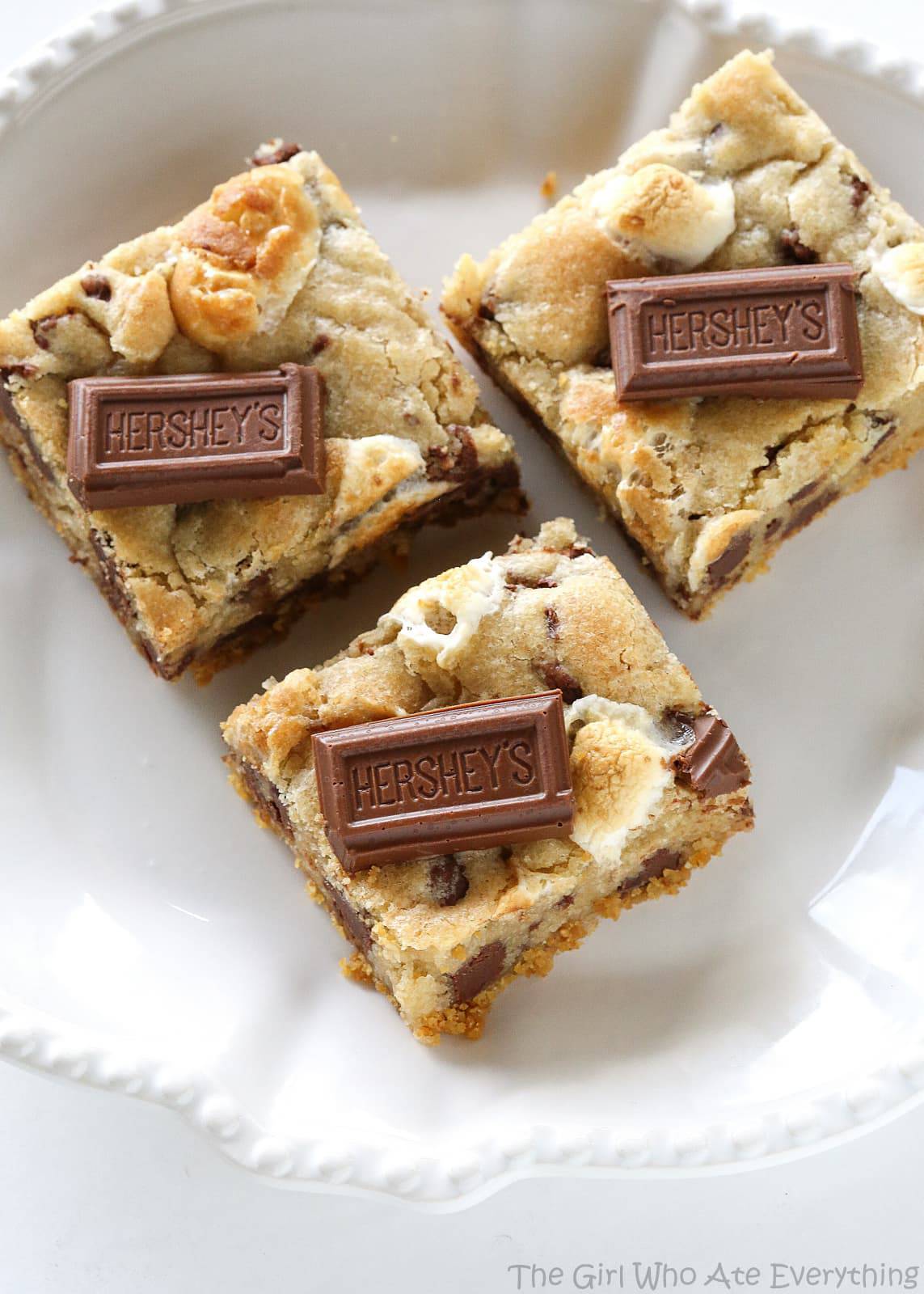
The final layer, the application of Hershey’s milk chocolate squares, is a deliberate homage to the classic recipe that emerged in the early 20th century. The Hershey Company, which popularized the combination of graham crackers, chocolate, and roasted marshmallows, remains the industry standard for this flavor profile. By utilizing these specific components in a bar format, bakers have effectively created a shelf-stable, portable iteration of a treat that historically required an open flame and immediate consumption.
Chronology of a Digital Culinary Exchange
The history of the S’mores Cookie Bar as a digital entity began to take shape in the early 2010s, as food bloggers began experimenting with hybridizing traditional treats. The progression of this specific recipe highlights the collaborative nature of online recipe development:
- 2010–2012: Early iterations of "bar-style" s’mores begin appearing on independent food blogs as creators sought to simplify the labor-intensive process of individual assembly.
- 2013: The recipe gains traction across Pinterest and social media platforms, with influential bloggers sharing individual interpretations of the crust-to-dough ratio.
- 2015: The tragic passing of Joan, a prominent figure in the food blogging community and founder of Chocolate, Chocolate, and More, brings a somber focus to the collaborative nature of the industry.
- 2016–Present: Subsequent adaptations, including those by Christy Denney of The Girl Who Ate Everything, cement the dish as a perennial favorite, often accompanied by reflections on the community members who helped standardize the recipe.
The realization by many contributors that their work was mutually inspired—often discovered through reading the footnotes and "story" sections of fellow creators’ websites—has turned the S’mores Cookie Bar into a symbolic gesture of professional respect.
Supporting Data and Market Trends
The popularity of the S’mores flavor profile has remained consistent for decades. According to data from the National Confectioners Association, seasonal flavor trends often lean heavily into "comfort" profiles, with s’mores consistently ranking in the top tier of nostalgic flavor preferences among American consumers.
The transition to "bar" formats for cookies is a broader market trend driven by consumer demand for portion control and convenience. The global snack bar market, which includes dessert bars, was valued at approximately $18 billion in 2022 and is projected to continue growing. Dessert bars, as opposed to traditional round cookies, offer logistical advantages for commercial bakeries and home bakers alike, including easier packaging, stacking for transport, and the ability to feed larger groups without the need for individual plating.
Professional Perspectives on Culinary Evolution
Food historians suggest that the rise of the S’mores Cookie Bar is indicative of a "fusion" era in domestic baking. By taking a dish defined by its "DIY" (do-it-yourself) nature and formalizing it into a baked bar, chefs and bloggers have successfully decoupled the flavor profile from its restrictive environmental requirements.
"The movement of s’mores into the oven represents a shift in how we perceive comfort food," notes a food industry analyst. "It is no longer about the ritual of the fire pit; it is about the accessibility of the taste. The cookie bar format allows the consumer to enjoy a complex, multi-textured experience in a format that fits into a modern, fast-paced lifestyle."
Furthermore, the digital documentation of this recipe serves as a modern archive. Unlike traditional cookbooks, which often undergo heavy editing and removal of personal anecdotes, blog-based recipes preserve the social history of the creators. The recurring mention of mutual inspiration between bloggers is a testament to the informal peer-review process that defines the internet-age food industry.
Broader Impact and Social Implications
The enduring nature of the S’mores Cookie Bar offers more than just a culinary experience; it provides a tangible link between generations of home cooks. When creators like Christy Denney revisit a recipe previously explored by a peer, they are engaging in a form of digital preservation. This practice ensures that specific flavor profiles and techniques are not lost but rather iterated upon, refined, and passed down to a wider audience.
From a technical standpoint, the recipe has evolved from a simple "dump and bake" method to a sophisticated assembly process that prioritizes the structural integrity of the marshmallow layer. Modern advancements in food science—specifically regarding the melting points of various chocolate compounds and the stability of gelatin-based marshmallows—have allowed these recipes to become more reliable for the average home baker.
Final Analysis
The S’mores Cookie Bar occupies a unique space in the American culinary canon. It is a synthesis of nostalgia, commercial convenience, and community spirit. By examining the recipe, one can observe the trajectory of food media: from the early days of personal, narrative-driven blog posts to the current standard of highly technical, visually oriented recipe development.
The success of the dish is not merely a matter of its ingredients, but rather its versatility. Whether served at large-scale events, sold in boutique bakeries, or prepared in a home kitchen, the S’mores Cookie Bar provides a consistent, high-satisfaction result that is deeply rooted in American culinary tradition. As the landscape of digital food content continues to expand, it is likely that this dish will remain a foundational element, serving as a template for future innovations in dessert preparation. The story of its development—marked by both professional camaraderie and the quiet, persistent influence of one creator upon another—stands as a microcosm of the modern digital era, where recipes serve as more than instructions; they are, in many ways, an enduring social currency.
