
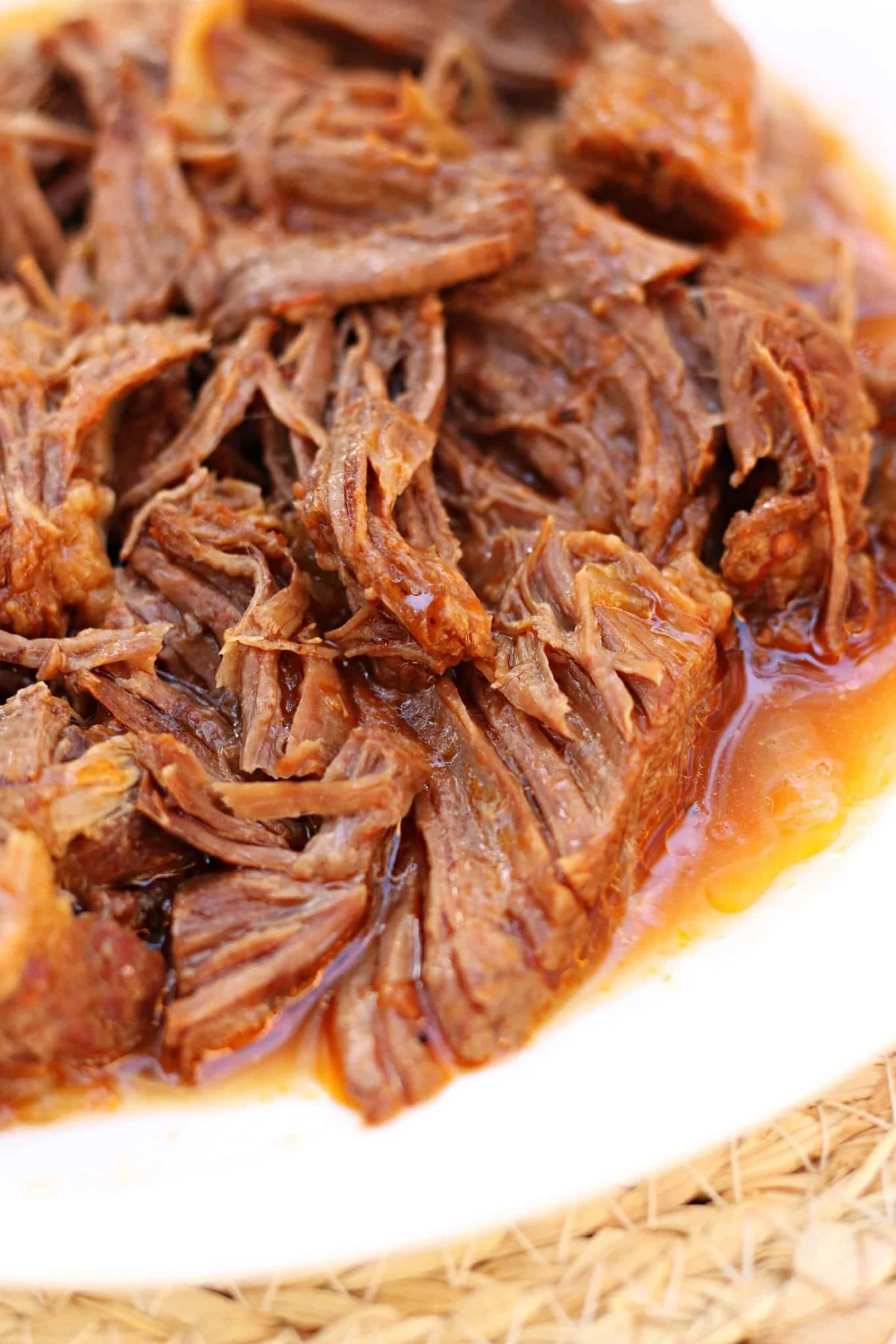
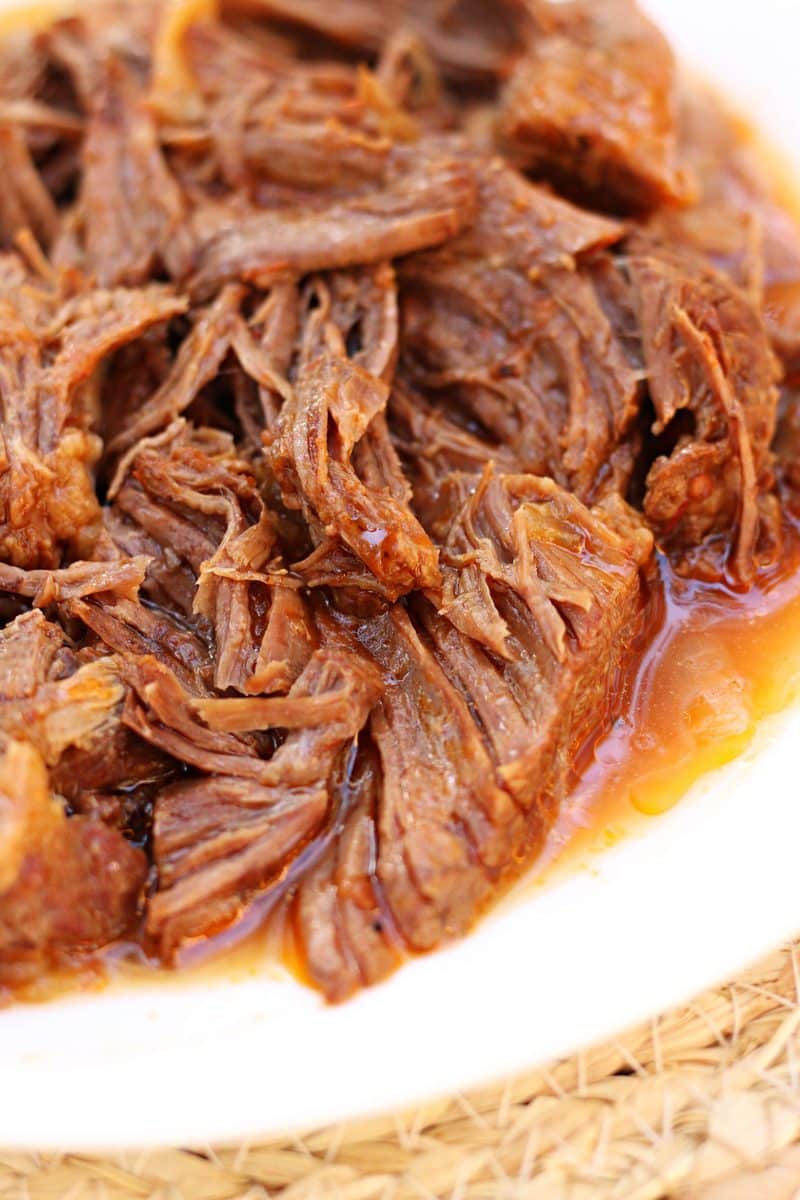
The enduring fascination with the personal life and culinary preferences of Elvis Presley has transcended his legendary musical career, cementing his status as a cultural icon whose influence extends even into the American kitchen. Among the many recipes attributed to the "King of Rock and Roll," few have garnered as much domestic interest as his signature pot roast. While the historical provenance of the recipe—often circulating through digital archives like Recipe Zazz—remains a subject of casual debate among food historians, the dish has become a quintessential example of mid-century American comfort food. Characterized by a tender, slow-cooked beef chuck roast infused with the acidity of crushed tomatoes and the depth of savory beef broth, the meal serves as a bridge between the nostalgic home cooking of the 1950s and modern, time-efficient culinary techniques.
Historical Context and Culinary Evolution
Elvis Presley, born in Tupelo, Mississippi, and later based in Memphis, Tennessee, was famously raised on Southern staples. His diet, particularly during his rise to fame and his later years at Graceland, was a well-documented subject of public curiosity. The association of this specific pot roast with Presley aligns with the post-war era’s reliance on convenience cooking and hearty, resource-efficient meals.
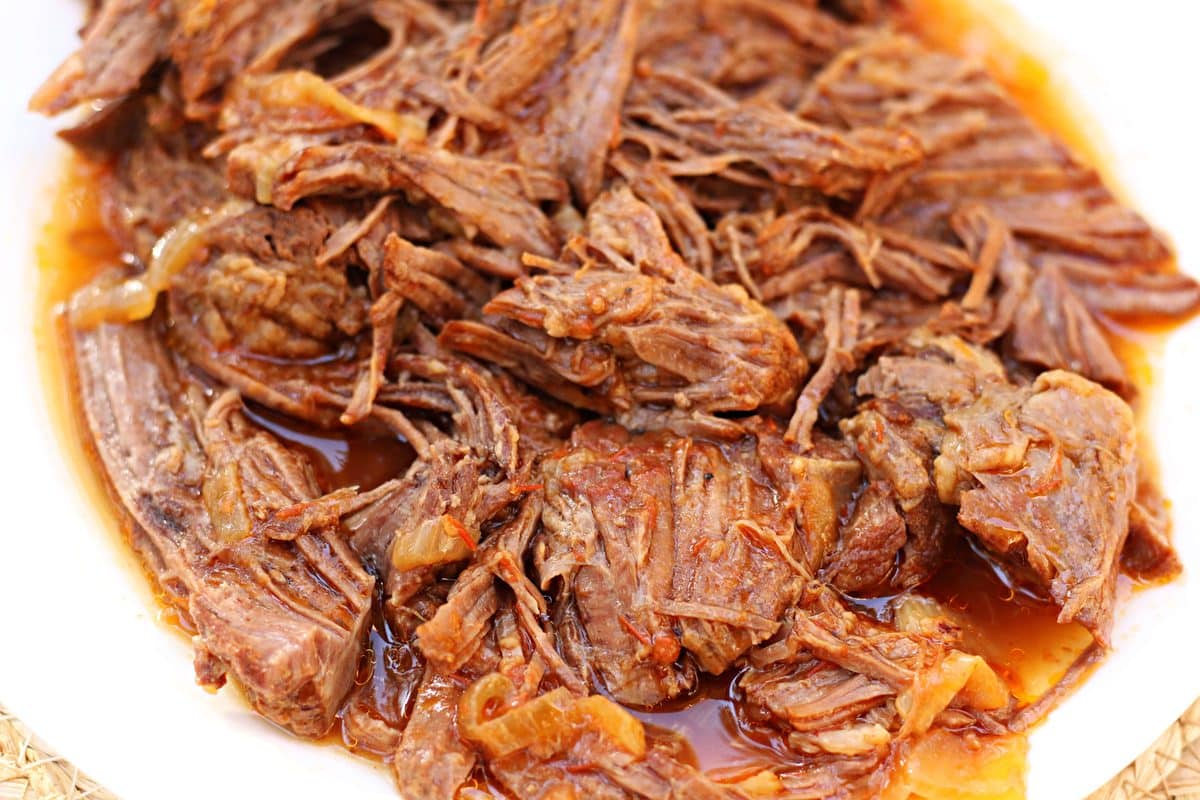
Traditionally, a pot roast is a "low and slow" preparation method designed to break down the connective tissues in tougher, more flavorful cuts of meat like beef chuck. The inclusion of crushed tomatoes in this particular iteration represents a slight departure from the standard mirepoix-and-stock braise, providing a brightness that cuts through the richness of the beef fat. Over the decades, as kitchen technology has shifted from the cast-iron dutch oven to the programmable slow cooker and, more recently, the high-pressure Instant Pot, the preparation of such classic recipes has been streamlined without sacrificing the desired "fall-apart" texture.
Chronology of Preparation: A Modern Adaptation
The evolution of the recipe highlights the intersection of tradition and innovation. While the core ingredients—beef chuck, onions, broth, and tomatoes—remain consistent with traditional regional recipes, the methodology has been adapted to accommodate contemporary lifestyles.
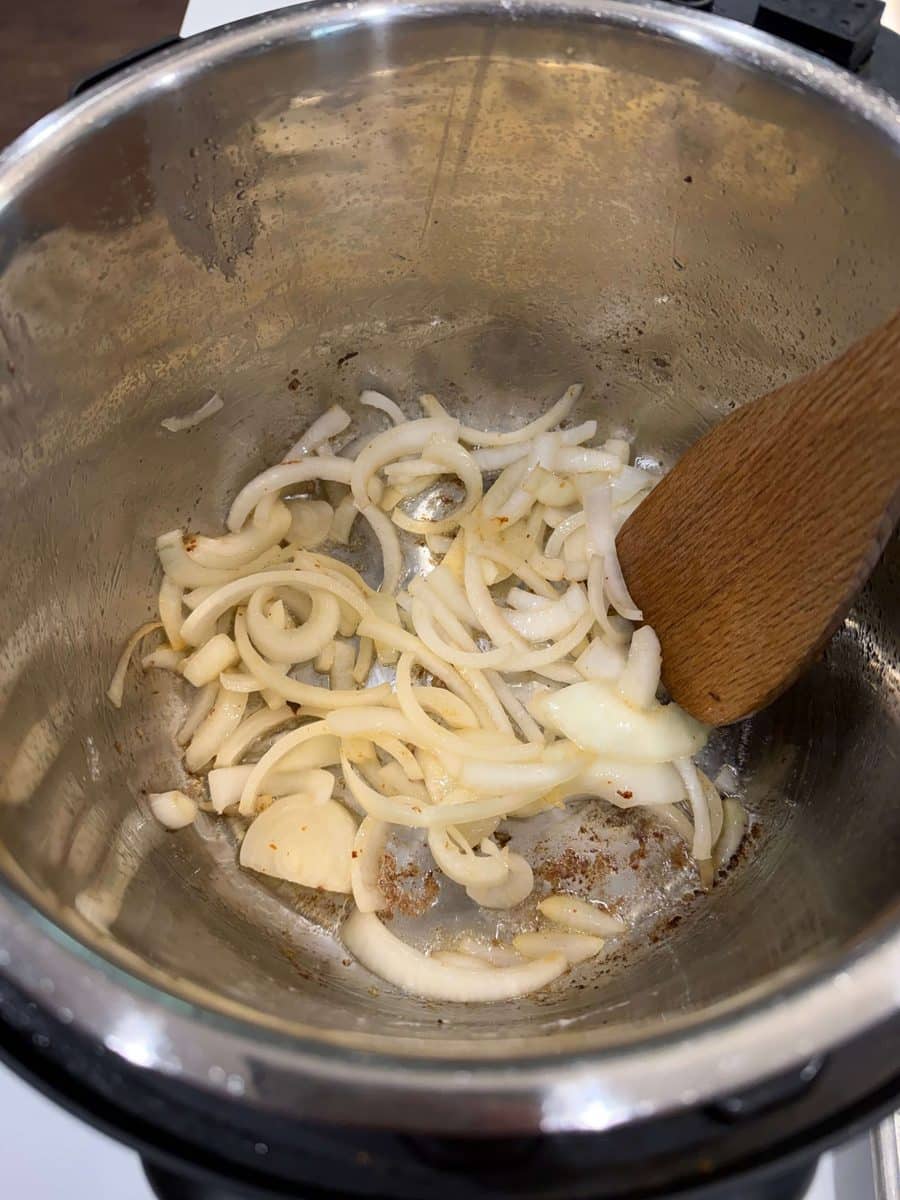
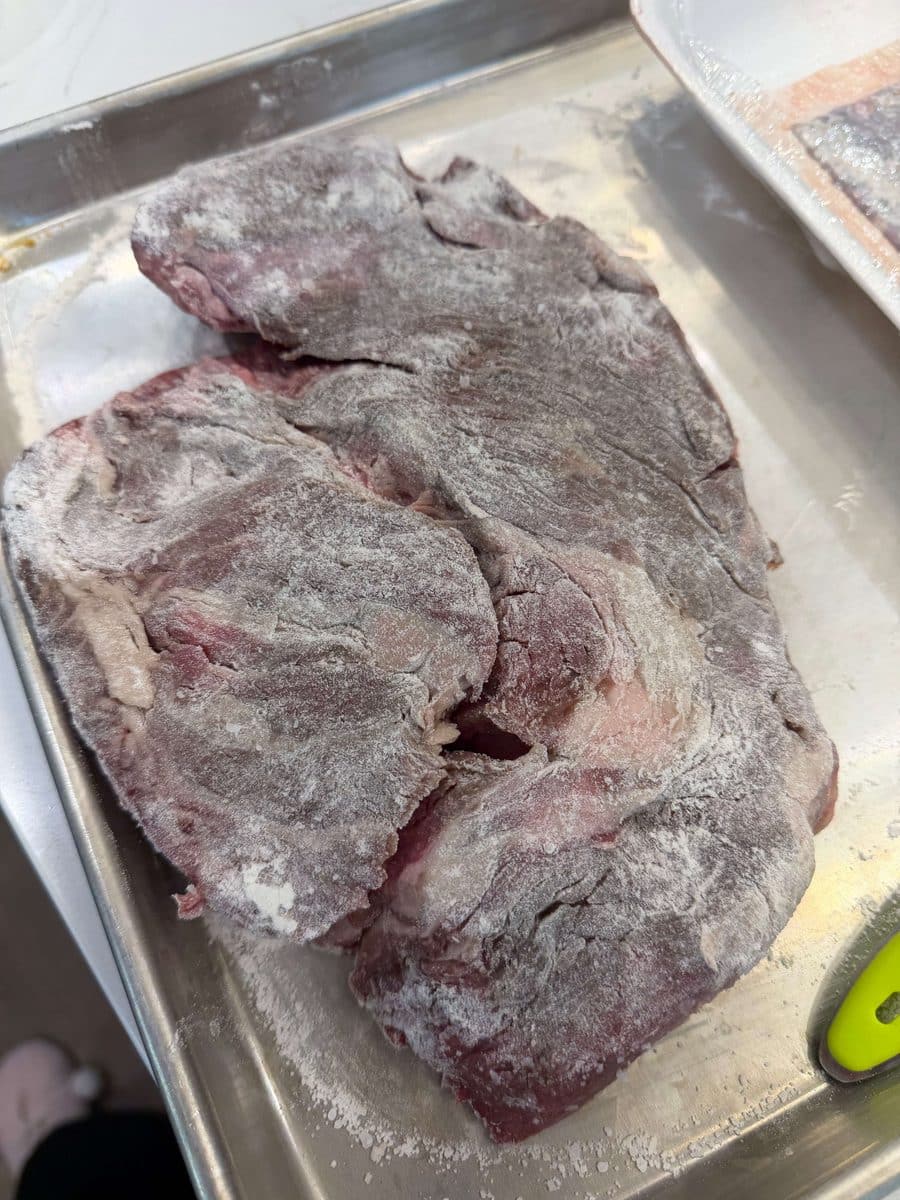
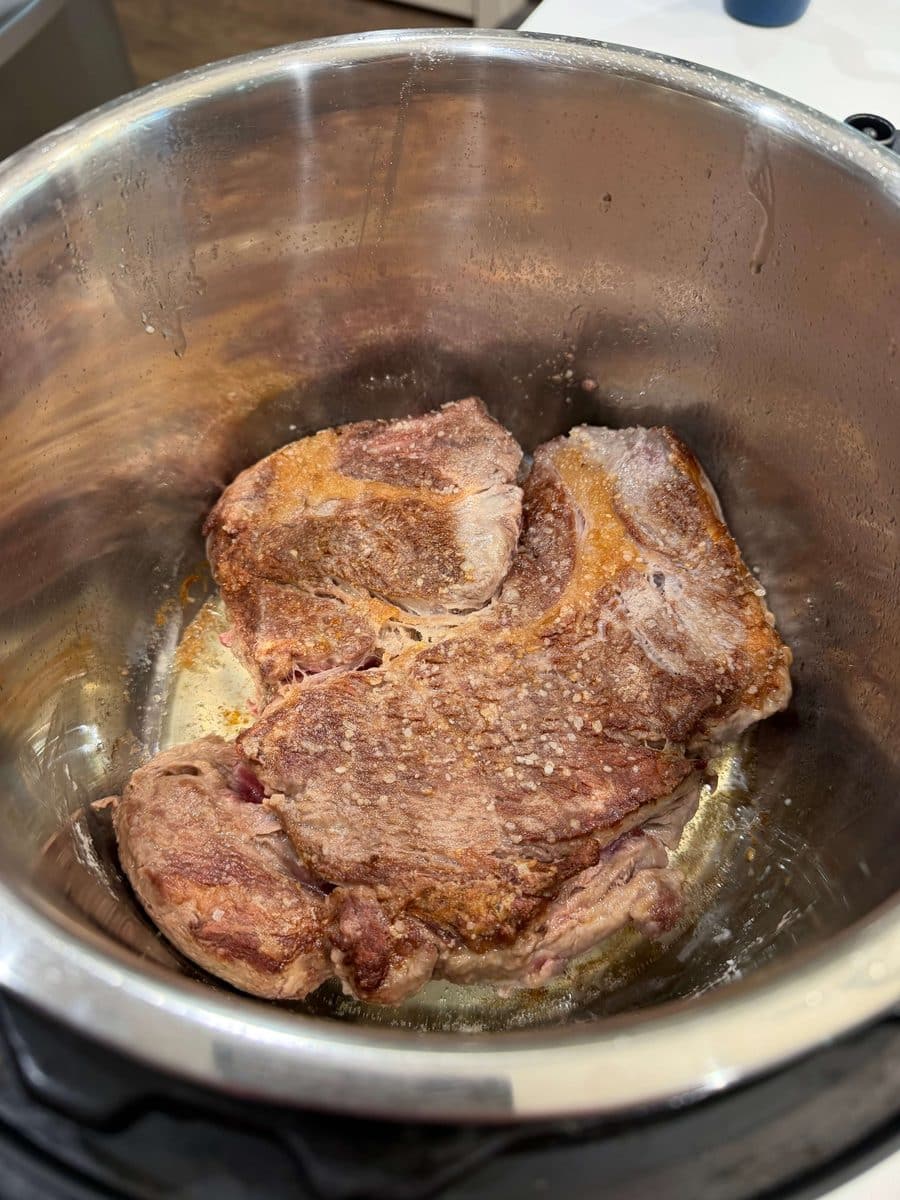
In the modern preparation, the process begins with the structural integrity of the meat. Patting the roast dry and searing it serves a vital chemical function known as the Maillard reaction, which develops deep flavor compounds on the surface of the protein. The use of a flour and salt dusting acts as a thickening agent, ensuring that the final braising liquid achieves a naturally silky, cohesive texture.

The transition from a manual stovetop braise to the Instant Pot involves a precise 90-minute pressure-cook cycle. This temporal reduction is perhaps the most significant change in the recipe’s history. Whereas a traditional oven-braised roast might require four to six hours to reach the optimal level of tenderness, the pressurized environment of an electric multicooker accomplishes this in a fraction of the time by forcing moisture into the meat fibers. The subsequent natural pressure release is a critical step, allowing the internal juices to redistribute, which prevents the meat from becoming stringy or dry upon slicing.

Supporting Data: Nutritional and Economic Factors
From a nutritional and economic standpoint, the chuck roast remains a staple of the American meat market due to its high ratio of intramuscular fat (marbling), which renders during the long cooking process. A typical three-pound chuck roast provides a dense source of protein, iron, and B-vitamins.

When analyzed against the broader landscape of home-cooked meals, this specific recipe occupies a unique "value-added" space. By utilizing affordable cuts of beef and shelf-stable pantry items like crushed tomatoes and bouillon, the dish remains accessible across various socioeconomic demographics. Data from home-cooking trends suggest that recipes requiring minimal active prep time but providing high "comfort value" saw a 22% increase in search volume during the late 2020s, mirroring a broader societal shift toward prioritizing homemade dinners as a means of household stability and cost management.
Official and Community Perspectives
While there is no verifiable documentation from the Graceland estate confirming this exact recipe as a nightly staple of the Presley household, the attribution functions as a form of cultural shorthand. It represents the "Southern hospitality" archetype that Presley embodied. Culinary commentators often note that the recipe’s reliance on simple, pantry-ready ingredients is consistent with the era’s "meat and three" dining culture.

The community reaction, often documented on recipe-sharing platforms, emphasizes the adaptability of the dish. Modern home chefs frequently report modifications, such as the inclusion of root vegetables—potatoes, carrots, and celery—which were historically added to such roasts to create a complete, one-pot meal. The addition of a cornstarch slurry at the end of the cooking process to thicken the remaining braising liquid into a robust gravy is widely considered the standard "finishing touch" that elevates the dish from a simple stew to a formal Sunday dinner.

Broader Impact and Implications for Home Cooking
The persistence of the Elvis-attributed pot roast serves as a case study in the longevity of "nostalgia branding" in the culinary world. By attaching a legendary figure to a foundational recipe, the dish gains a narrative layer that transforms it from a generic meal into a piece of cultural history.

Furthermore, the recipe’s success in the age of the Instant Pot underscores a significant shift in how domestic labor is perceived. The ability to achieve "slow-cooked" results in under two hours allows busy households to maintain traditional dietary habits without the time investment previously required. As food technology continues to evolve, the core components of this recipe—the interplay of acid, salt, and fat—ensure that it will likely remain a fixture in the American culinary canon.

In conclusion, whether or not the recipe was served in the kitchens of Graceland, it captures the essence of a time and place that continues to resonate with millions. It serves as a reminder that the most enduring legacies are often not the most complex, but the ones that provide sustenance, comfort, and a connection to the past. As we move further into the 21st century, the ability of such classic recipes to thrive in both traditional and modern cooking environments is a testament to their fundamental excellence and their role as a cornerstone of the American family table.
