
As the autumn season descends and ambient temperatures drop, home cooks increasingly turn toward time-honored techniques of slow-cooking and stewing to provide sustenance and warmth. While traditional beef stews often rely on expensive cuts of chuck or round that require hours of braising to achieve tenderness, a modern, efficient approach utilizes ground beef to achieve a similarly robust flavor profile in a fraction of the time. This shift toward "quick-stewing" represents a significant evolution in home cooking, driven by the dual pressures of busy modern schedules and rising food costs.
The Anatomy of the Quick Stew
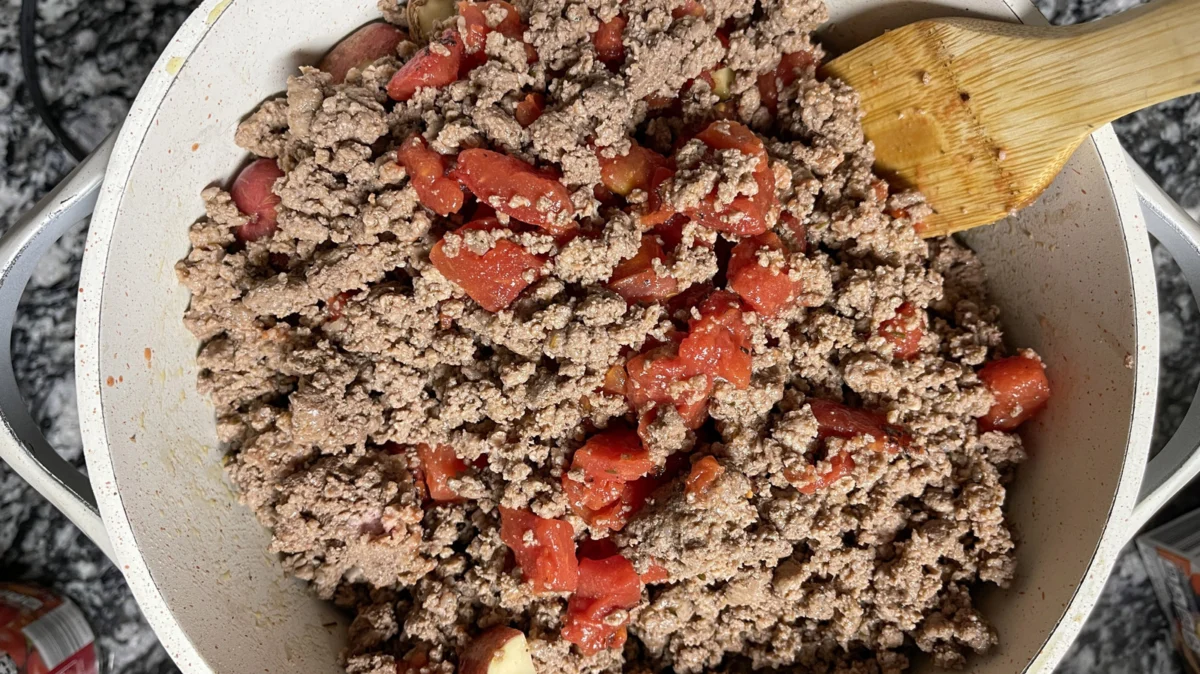
The foundation of a successful ground beef stew relies on balancing protein, aromatics, and liquid-to-solid ratios. A standard base, such as the one developed by Tasting Table, utilizes two pounds of ground beef—a quantity sufficient to serve eight people—combined with leeks, baby potatoes, canned diced tomatoes, and chicken stock.
The process is notably abbreviated compared to traditional methods. Preparation typically requires only 15 minutes, with a total cooking time of approximately 25 to 30 minutes. This efficiency is achieved by eliminating the long breakdown of connective tissue required for tougher cuts of beef. By using ground meat, the protein is essentially pre-tenderized, allowing the cook to focus on building depth of flavor through the caramelization of aromatics like leeks and the blooming of spices.
Chronology of Preparation
To ensure a high-quality outcome, the cooking sequence should follow a disciplined timeline:
- The Aromatic Foundation (0–5 minutes): Begin by sweating the leeks in a Dutch oven or heavy-bottomed pot. Leeks, a member of the allium family, offer a milder, sweeter profile than onions, which pairs exceptionally well with the savory notes of beef.
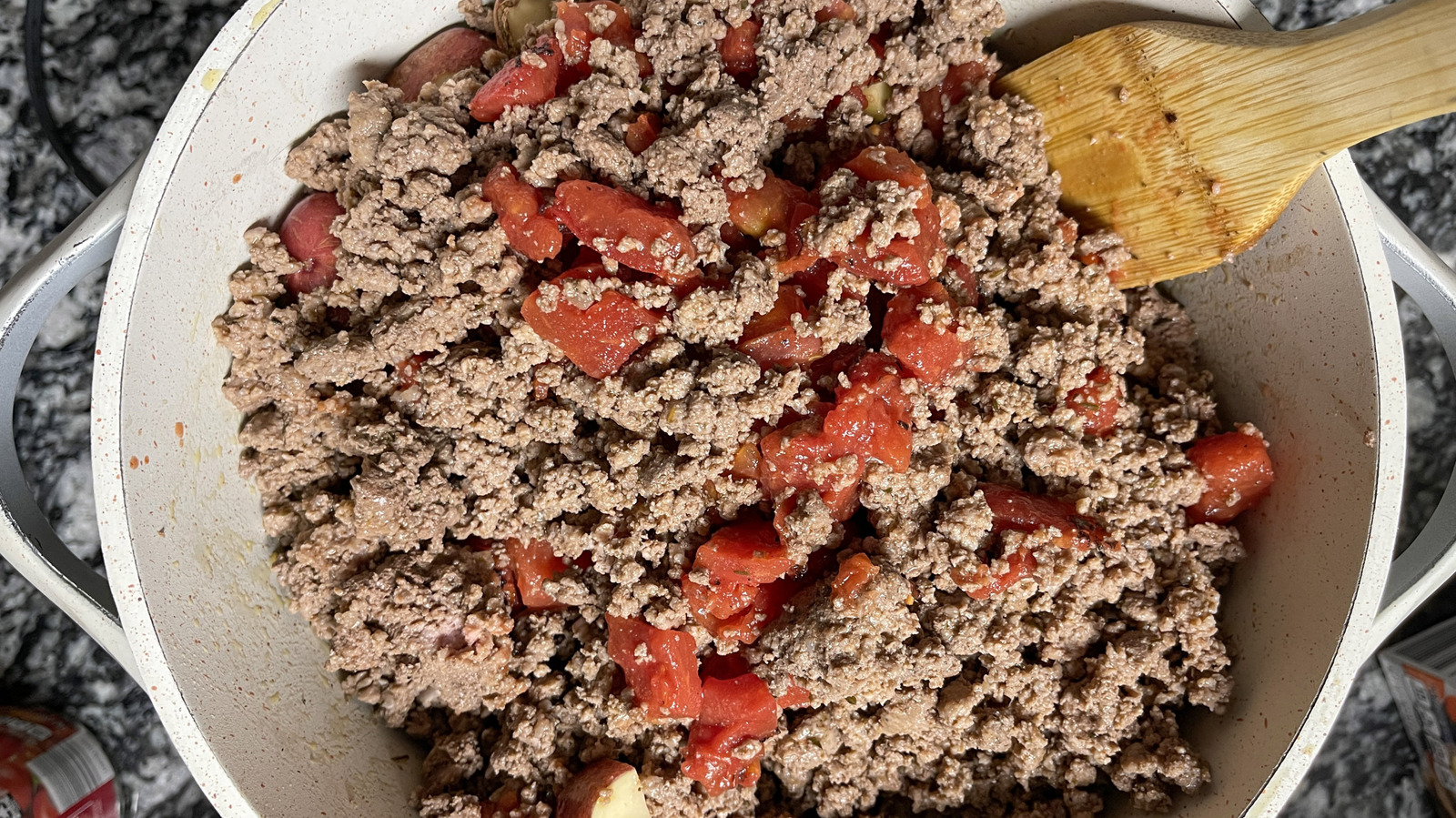
- Protein Browning (5–12 minutes): Introduce the ground beef to the pot. It is essential to brown the meat thoroughly to trigger the Maillard reaction, a chemical reaction between amino acids and reducing sugars that gives browned food its distinctive flavor.
- Seasoning and Deglazing (12–15 minutes): Incorporate dried herbs—such as thyme—and smoked paprika. This stage allows the oils in the spices to release their fat-soluble flavor compounds.
- Simmering (15–40 minutes): Add the stock, potatoes, and tomatoes. The liquid should reach a gentle simmer. This duration is sufficient for the potatoes to soften and the flavors of the tomatoes and stock to harmonize.
- Final Integration (40–45 minutes): The final stage involves adjusting the acidity—often with a squeeze of fresh lemon juice—and verifying the consistency of the broth.
Supporting Data and Nutritional Considerations
The nutritional profile of such a meal can be tailored to meet various dietary guidelines. Ground beef, particularly if a leaner variety (such as 90/10 or 95/5) is selected, provides a high-quality source of protein, Vitamin B12, and zinc.
Data from the United States Department of Agriculture (USDA) suggests that incorporating a variety of vegetables into meat-based dishes is a primary strategy for increasing dietary fiber intake. By adding leeks—which are rich in flavonoids and kaempferol—and potatoes—which provide potassium and Vitamin C—the stew transforms from a simple protein dish into a well-rounded meal. Furthermore, the inclusion of canned tomatoes provides a concentrated source of lycopene, an antioxidant that has been linked to heart health benefits.
Strategic Customization and Culinary Evolution
The versatility of the ground beef stew lies in its capacity for adaptation. In professional culinary circles, this is known as "modular cooking," where a base recipe serves as a platform for secondary ingredients.
- Protein Diversification: For those seeking to reduce red meat intake, ground turkey or chicken can be substituted. However, because poultry is naturally leaner, cooks may need to supplement with a higher-quality fat source, such as olive oil or clarified butter, to maintain the mouthfeel of the stew.
- Thickening Agents: To achieve a restaurant-quality texture without long reduction times, chefs often look to legumes. Pureed white beans or chickpeas not only serve as a natural thickener but also significantly increase the protein and fiber content of the dish.
- The Vegetarian Pivot: The rise of plant-based diets has necessitated a reimagining of classic stews. By replacing chicken stock with a high-umami vegetable bouillon and substituting meat with textured vegetable protein (TVP) or mushrooms (specifically cremini or shiitake), the dish retains its savory integrity. Mushrooms, in particular, provide a natural source of glutamates, which mimic the savory "meatiness" of beef.
Broader Economic and Social Implications
The shift toward ground-beef-centric stews reflects a broader trend in food consumption. With the cost of living indices fluctuating, households are seeking ways to optimize their grocery budgets. Ground beef remains one of the most cost-effective protein sources available in retail markets.
Furthermore, the "one-pot" methodology addresses the social desire for communal dining. By serving eight people with a single, manageable effort, the home cook is able to facilitate family gatherings or social events without the stress associated with complex, multi-course preparations. The ability to "stretch" the meal—by serving it over grains like rice or with crusty bread—further enhances the economic viability of the dish.
Expert Perspectives on Flavor Enhancement
Culinary professionals emphasize that the secret to a high-end stew often lies in the "finish." While the recipe calls for salt, pepper, thyme, and paprika, the addition of fresh herbs at the very end of the cooking process—such as parsley, chives, or tarragon—can provide a "bright" contrast to the heavy, savory base.
Regarding the use of dairy, the suggestion of Parmesan cheese is not merely a garnish; it acts as a flavor enhancer. The salt and umami in aged cheeses function similarly to a seasoning, heightening the perception of the beef’s natural flavors. For those adhering to dairy-free requirements, nutritional yeast or a high-quality aged nut-based cheese can provide a comparable effect, ensuring that dietary restrictions do not compromise the final result.
Conclusion: A Staple for the Modern Kitchen
As home cooking continues to be redefined by efficiency and health consciousness, recipes like the ground beef and leek stew stand out as essential templates. They provide a reliable, scalable, and highly customizable framework that accommodates both the constraints of a busy lifestyle and the demands of varied palates.
By understanding the fundamental chemistry of the dish—the importance of browning, the role of aromatics, and the strategic use of thickeners—the home cook is empowered to move beyond the recipe card and into the realm of creative culinary exploration. Whether served on a cold Tuesday evening or as part of a weekend gathering, this stew remains a testament to the fact that sophisticated, satisfying meals do not require excessive time or expense—only a solid understanding of ingredients and a willingness to experiment. As the season progresses, the utility of such a recipe only grows, cementing its place as a staple of the modern, home-centered kitchen.
