
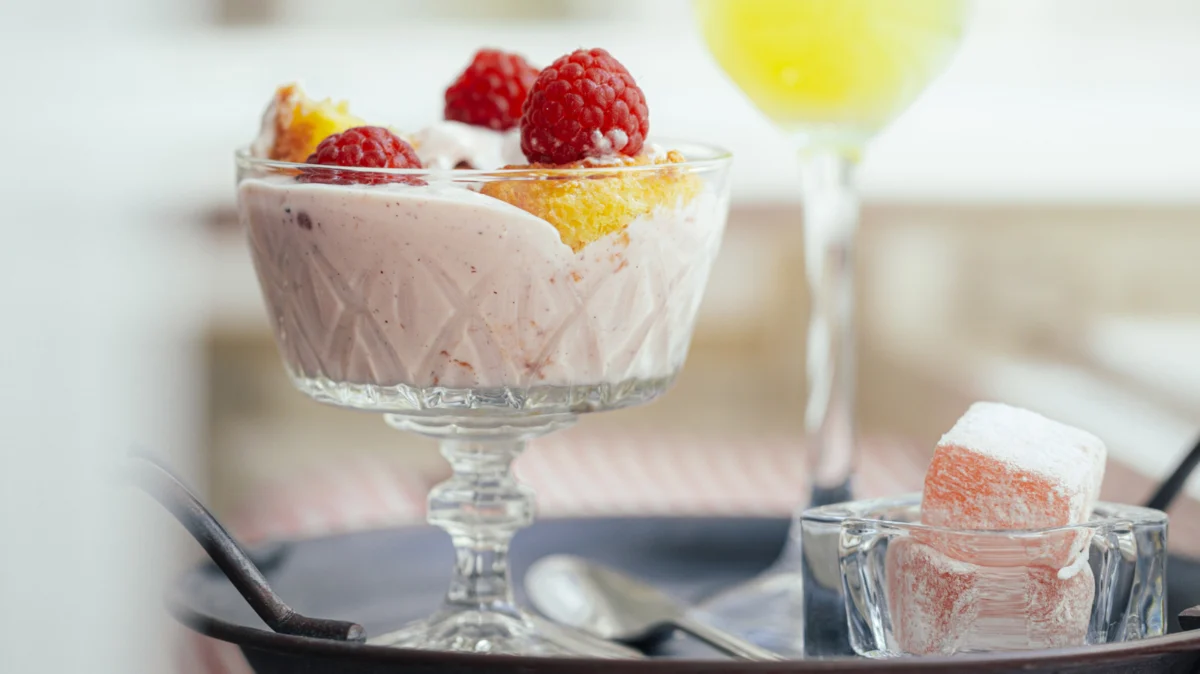
The term "salad" has long functioned as a culinary catch-all in American domestic history, frequently encompassing dishes that bear little resemblance to the traditional definition of raw leafy greens tossed in vinaigrette. Among the most enduring, albeit unconventional, specimens of this genre is the Pink Lady salad—a mid-century staple that relies on the unconventional chemistry of cottage cheese, flavored gelatin, and synthetic whipped topping. While contemporary food culture has shifted toward hyper-processed "candy bar salads" featuring crushed chocolate bars and heavy cream, the Pink Lady salad represents a specific era of post-war convenience cooking that fundamentally altered the American palate.
A Chronology of Mid-Century Convenience
The emergence of the Pink Lady salad, often referred to as "Pink Fluff," is inextricably linked to the technological advancements of the 1950s and 1960s. During this period, the American food industry underwent a radical transformation, shifting from scratch-based cooking to reliance on shelf-stable, pre-packaged ingredients.
In 1966, the Bird’s Eye division of General Foods introduced Cool Whip, a frozen whipped topping that did not require whipping heavy cream or the refrigeration constraints of dairy-based alternatives. Simultaneously, Jell-O—a brand that had been aggressively marketed since the early 20th century—sought new ways to integrate its powdered gelatin into the main course rotation of the American household.
By the late 1960s, home economics publications and recipe booklets distributed by these companies began promoting "gelatin salads" as a sophisticated, time-saving solution for dinner parties. The Pink Lady salad served as a nexus for these marketing efforts. It required no cooking, minimal preparation time, and offered a visual aesthetic—vivid, neon-hued pink—that fit the era’s penchant for bright, artificial colors. By the 1970s, the dish had firmly cemented itself as a regional staple in the Midwest and the Southern United States, appearing regularly at church potlucks, family reunions, and holiday gatherings.
Culinary Composition and Chemical Interaction
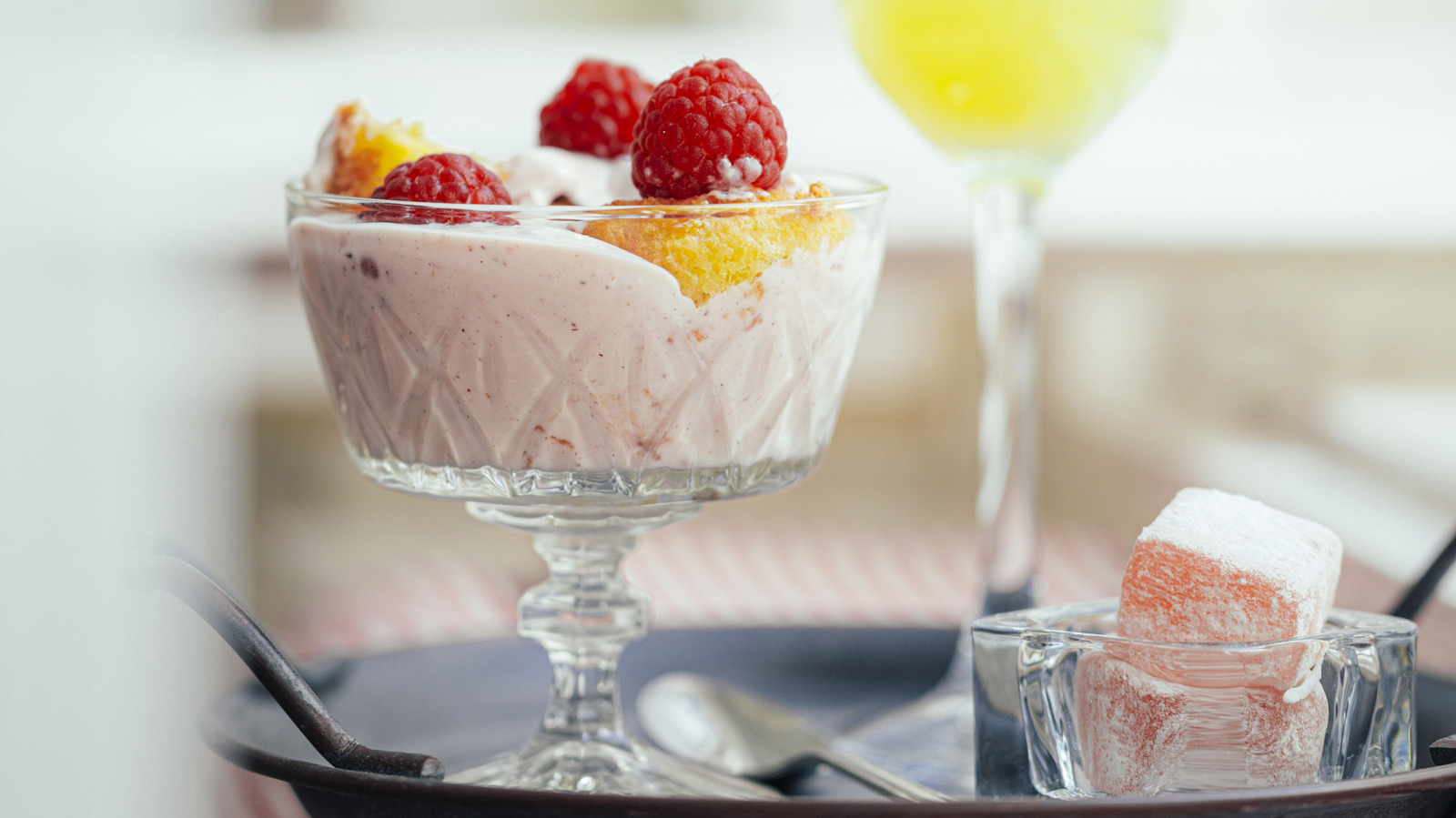
From a food science perspective, the Pink Lady salad is an exercise in texture and suspension. The base, cottage cheese, provides a high-protein, acidic curd structure. When dry, powdered strawberry Jell-O is introduced, the gelatin partially hydrates, binding with the moisture of the cottage cheese. The addition of Cool Whip introduces an emulsion of vegetable oil, sugar, and stabilizers that provides the "fluff" factor.
The resulting dish is a stabilized foam. When refrigerated for one to two hours, the gelatin sets just enough to hold the structure of the whipped topping, while the cottage cheese curds remain suspended, creating a unique mouthfeel that alternates between creamy, airy, and textured.
Customization and Regional Variations
While the foundational recipe remains constant, the dish has evolved through decades of localized experimentation. Culinary historians note that the "fluff" category of salads is highly modular. Common additions include:
- Fruit inclusions: Canned, crushed pineapple is the most prevalent addition, though its high moisture content requires careful draining to prevent the salad from liquefying. Mandarin oranges, sliced bananas, and maraschino cherries are also frequent components.
- Texture modifiers: To counteract the uniformity of the base, many regional variations incorporate chopped pecans, walnuts, or miniature marshmallows.
- Flavor profiles: While strawberry remains the standard, the use of raspberry, cherry, or orange Jell-O shifts the salad’s identity entirely. During the winter months, cranberries are often folded in, transforming the dessert into a festive accompaniment for holiday roasts.
- Dairy substitutions: For those who find the texture of cottage cheese polarizing, cream cheese is often substituted. This results in a denser, more decadent "cheesecake-style" consistency, shifting the dish further toward the dessert category and away from the "salad" designation.
Socio-Economic Implications and Cultural Perception
The persistence of the Pink Lady salad in modern American households provides a case study in culinary nostalgia. In recent years, food critics and culinary anthropologists have observed a "vintage revival" movement. As younger generations encounter these recipes via social media platforms like TikTok and Instagram, the dish is being re-evaluated not as a relic of a time-constrained era, but as an accessible, "retro-chic" convenience meal.
However, the dish remains a point of contention among nutritionists. A standard serving of Pink Lady salad is high in refined sugars and saturated fats, with limited dietary fiber compared to traditional vegetable-based salads. Public health advocates often point to the popularity of such "fluff" salads as a reflection of the 20th-century American trend of equating convenience with dietary health.
Despite these criticisms, the cultural significance of the Pink Lady salad cannot be overstated. It represents a period when the American domestic kitchen was being redefined by industrial technology. For many families in the American heartland, these salads are not viewed through a critical nutritional lens, but rather as artifacts of communal history. The act of preparing the salad—often involving children in the mixing process—remains a tactile tradition passed down through generations.
Modern Best Practices for Preparation
For those attempting to replicate this vintage staple, food safety and preparation technique are paramount. Chefs often advise the following:
- Moisture Control: When utilizing canned fruits, thorough draining is essential. Excess syrup can degrade the structural integrity of the Cool Whip, leading to a watery, unappealing texture.
- Thawing Protocols: Cool Whip must be thawed in the refrigerator rather than at room temperature. A gradual thaw ensures that the air bubbles trapped in the emulsion remain stable, preventing the topping from collapsing into a liquid state.
- The "Resting" Period: The chemistry of the dish relies on the setting of the gelatin. A minimum of two hours in the refrigerator is recommended; however, preparation 24 hours in advance allows for the most consistent flavor distribution.
- Integration: When combining the components, a gentle "folding" technique is necessary. Over-mixing can deflate the whipped topping, resulting in a dense, heavy consistency rather than the signature light, airy mouthfeel.
Conclusion: The Enduring Legacy of the Fluff Salad
The Pink Lady salad continues to occupy a unique space in the American culinary landscape. It is neither a traditional salad nor a complex dessert; it is a hybrid creation born of mid-century industrial ingenuity. Whether considered a kitschy throwback or a comfort food staple, the dish continues to thrive in regional pockets across the United States.
As the food industry continues to emphasize "clean label" ingredients and natural, whole-food diets, the Pink Lady salad stands as a defiant monument to the era of convenience. Its survival in the digital age suggests that, regardless of nutritional trends, the human desire for colorful, accessible, and nostalgic comfort food remains a powerful driver of domestic culinary habits. It serves as a reminder that for many, the definition of a "salad" is as much about the memory of the meal as it is about the ingredients on the plate.
