
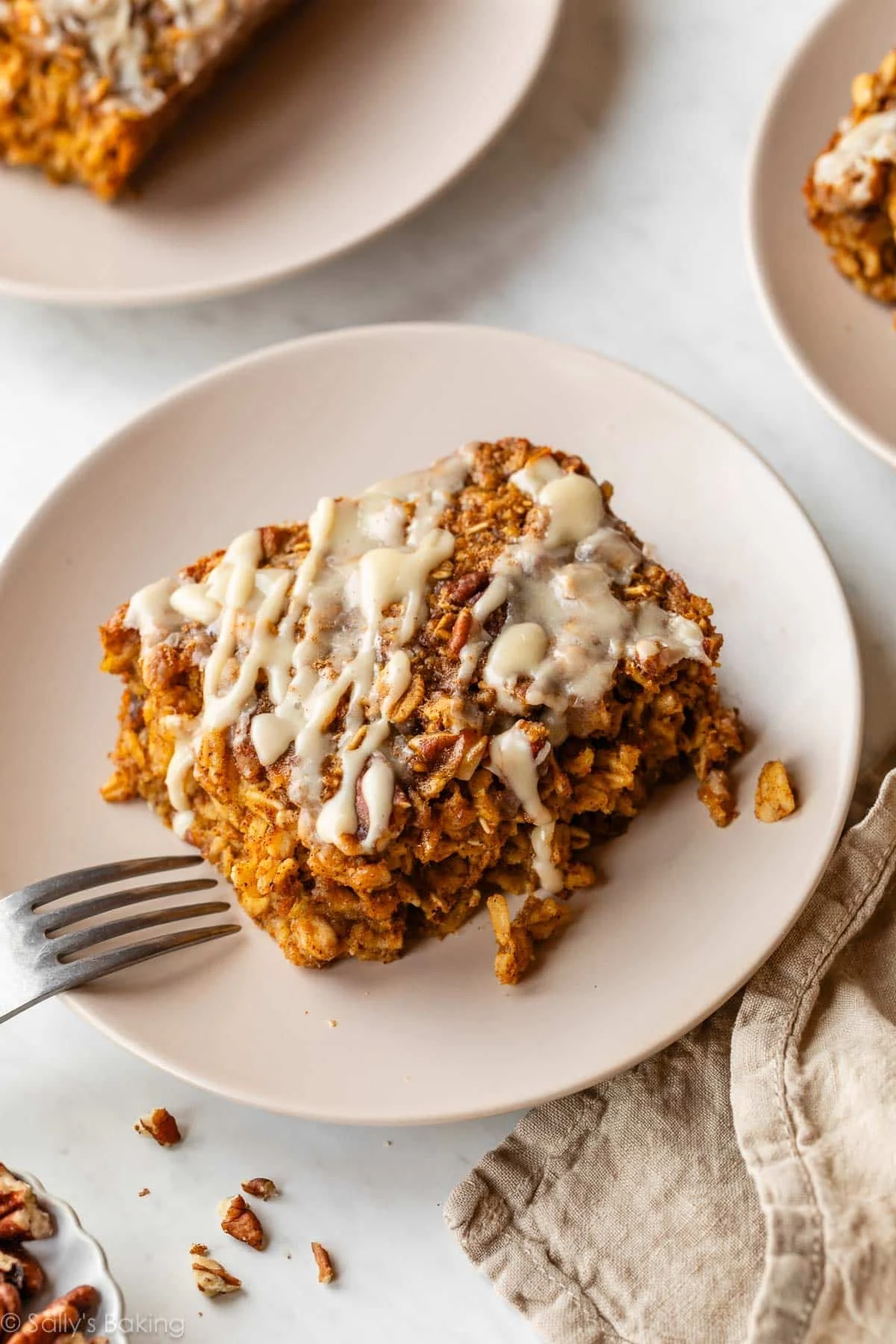
The transition of breakfast habits in the post-pandemic era has significantly favored home-prepared, nutrient-dense meals that prioritize convenience without sacrificing quality. Among the rising stars of this culinary trend is pumpkin baked oatmeal, a dish that bridges the gap between traditional stovetop porridge and artisanal baked goods. By combining the fibrous benefits of whole-grain oats with the seasonal versatility of pumpkin purée, this dish has become a staple for both health-conscious consumers and families seeking efficient meal-prep solutions.
The Nutritional Profile of Baked Oatmeal
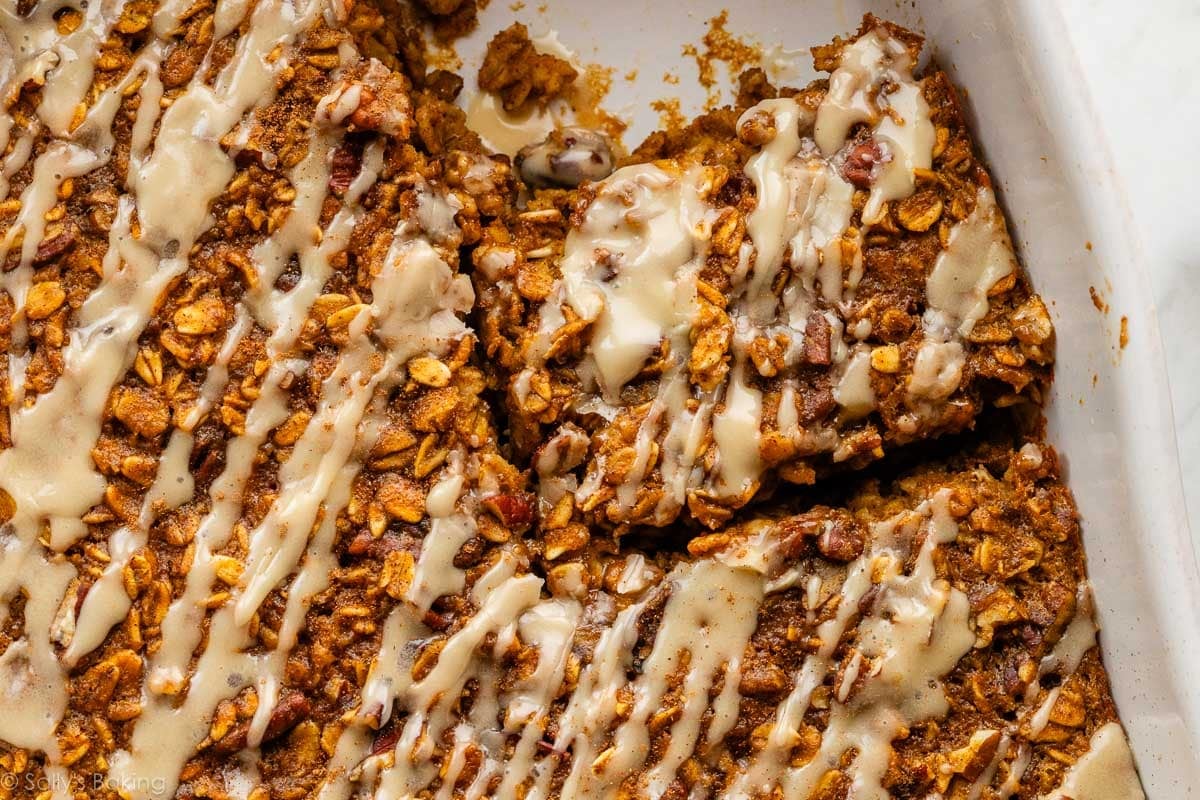
The surge in interest surrounding baked oatmeal is rooted in its nutritional composition. Unlike instant oatmeal packets, which are often criticized for high sodium and added sugar content, homemade baked oatmeal allows for total ingredient control. According to nutritional data from the United States Department of Agriculture (USDA), a standard serving of rolled oats provides approximately 5 grams of protein and 4 grams of dietary fiber, the latter being essential for glycemic control and digestive health.
When combined with pumpkin—a powerhouse of vitamin A, potassium, and antioxidants—the caloric density of the meal remains relatively low while providing sustained energy levels. The inclusion of fall-associated spices such as cinnamon, nutmeg, and ginger further enhances the profile, as these compounds have been studied for their potential anti-inflammatory properties. For many, this dish represents a "functional food" that provides physiological benefits beyond basic caloric intake.
Chronology of the Breakfast Shift
The shift toward "one-bowl" baking methods emerged prominently around 2020, as remote work became standard and households sought to minimize cleanup while maximizing food yield.
- Early 2020: The rise of home-based meal preparation leads to a 30% increase in searches for "make-ahead breakfast recipes" on major search engines.
- Late 2021: Culinary influencers and food science blogs begin standardizing the "baked oatmeal" ratio, shifting the focus from individual bowls to tray-baking techniques.
- 2023-2024: The normalization of seasonal specialty ingredients in year-round pantries, such as canned pumpkin, allows for the widespread adoption of pumpkin-based breakfasts outside of the traditional autumn harvest window.
- Present Day: The recipe has evolved into a customizable platform, with variations including vegan, gluten-free, and nut-inclusive iterations appearing across mainstream culinary publications.
Technical Methodology and Culinary Science
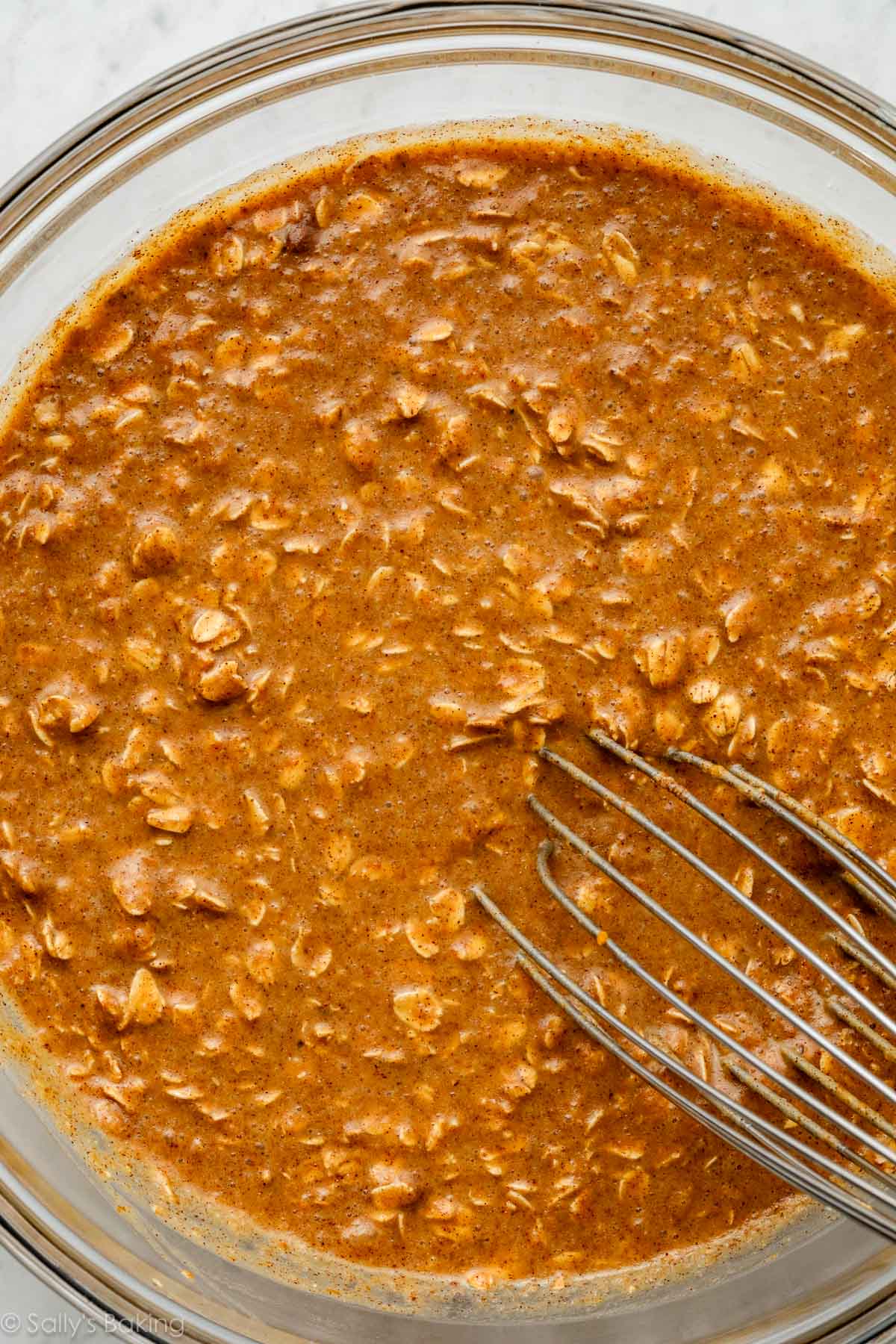
The mechanics of preparing pumpkin baked oatmeal involve a specific chemical reaction between the moisture in the pumpkin and the starch in the oats. Unlike stovetop cooking, which relies on the gelatinization of starch via direct heat and water absorption, the baking process utilizes the binding properties of eggs or flax-meal substitutes to create a structured "casserole" texture.
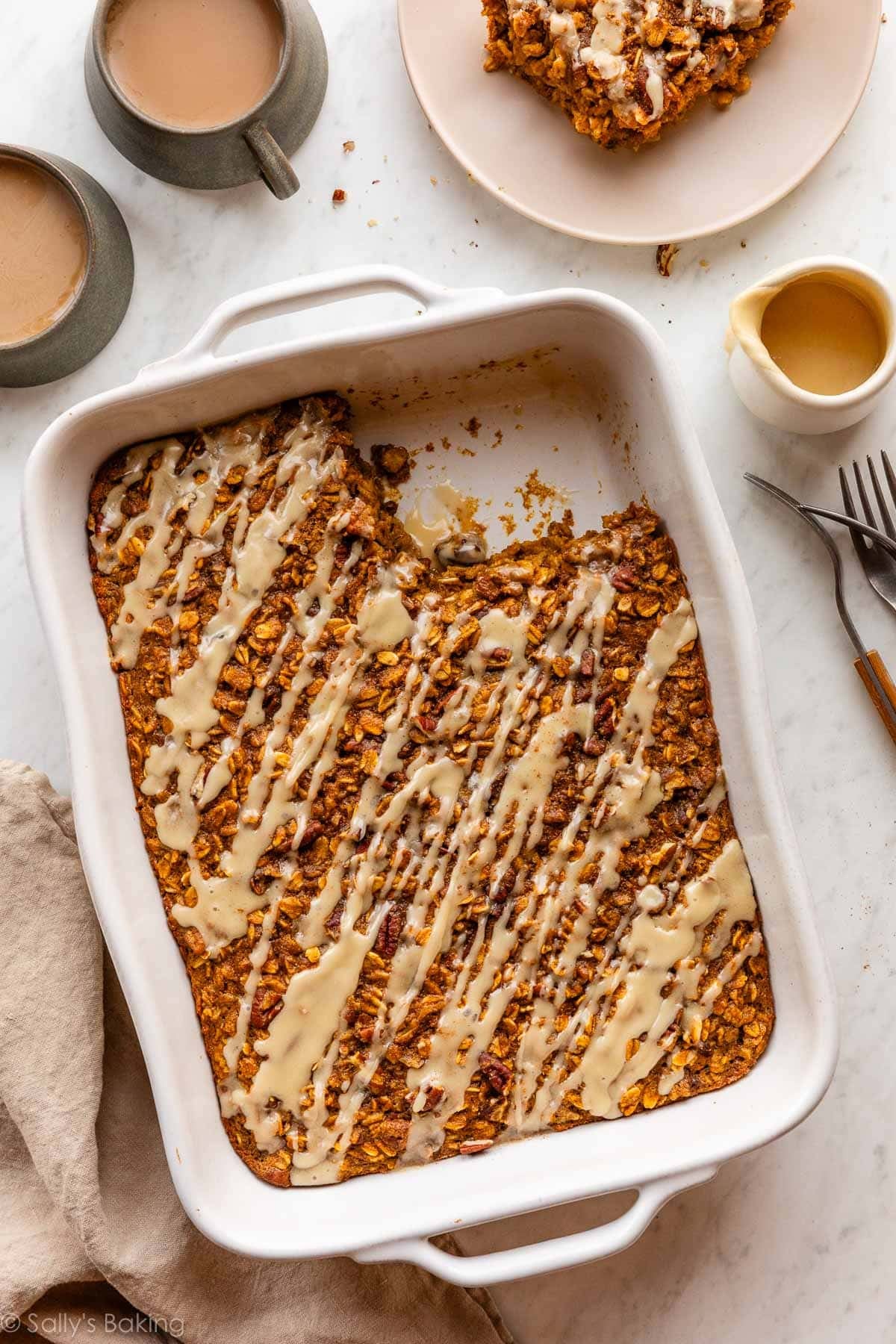
Professional chefs and food scientists emphasize the "carry-over cooking" principle when preparing this dish. Because the mixture is dense, it continues to cook for several minutes after being removed from the heat source. Experts advise pulling the baking dish from the oven when the center appears slightly under-set—usually when the internal temperature reaches approximately 165°F (74°C). If the dish is baked until completely firm, the final product often loses its characteristic creaminess, resulting in a dry, brittle texture.
Market Implications and Consumer Trends
Retail market analysts note that the popularity of baked oatmeal aligns with broader trends in the "prep-friendly" food sector. Companies specializing in oats and baking staples have seen a shift in consumer behavior, where buyers are increasingly opting for bulk, steel-cut, or rolled oat varieties over pre-packaged, processed options.
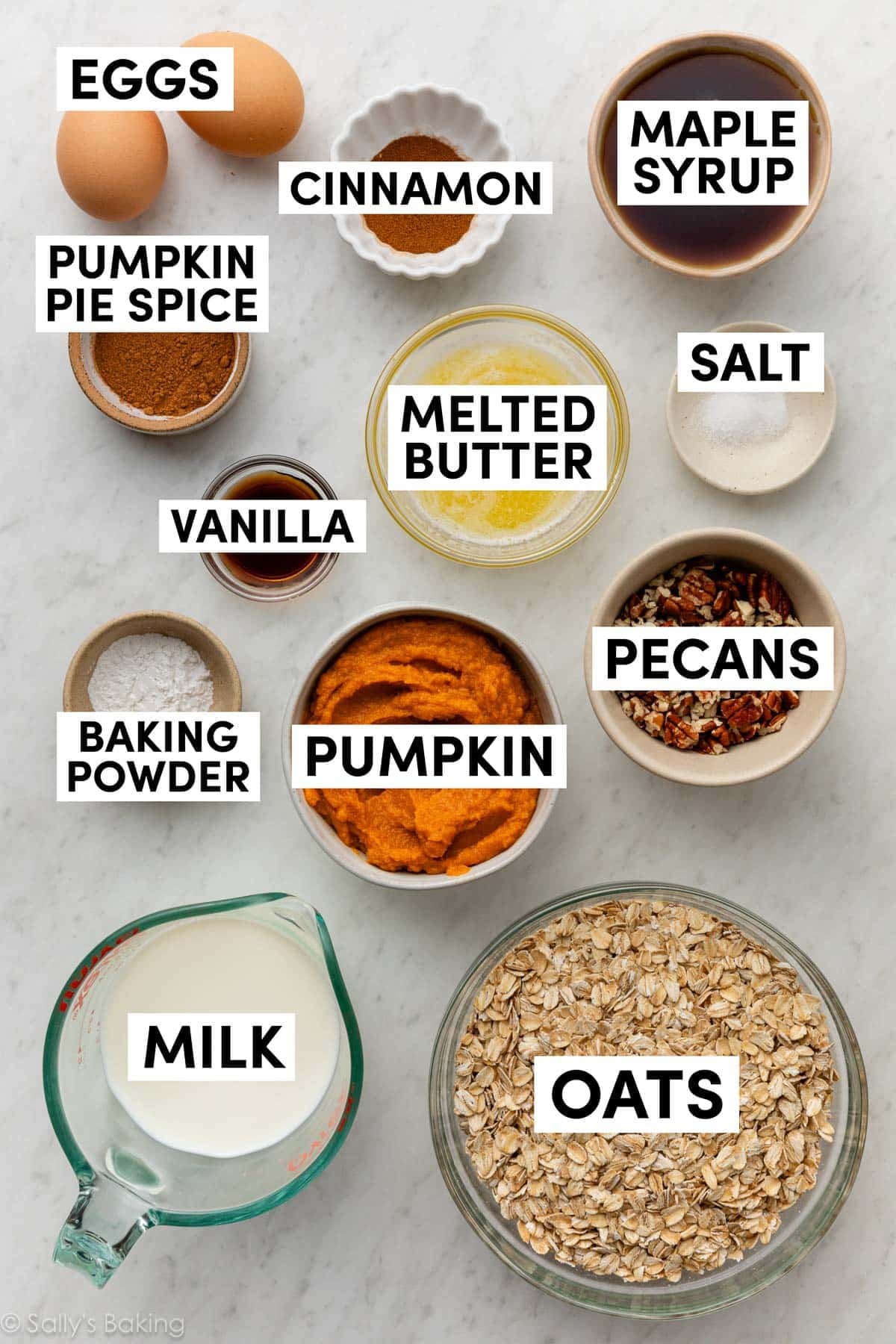
"The consumer is no longer just buying oats," says a representative for a national cereal grain cooperative. "They are buying the convenience of an entire week’s worth of breakfast in one pan. The labor-saving aspect of whisking ingredients in a single vessel and having a product that reheats without losing its structural integrity is a major driver of this trend."
Furthermore, the versatility of the recipe has turned it into a vehicle for waste reduction. Households frequently utilize overripe fruit or leftover pantry staples like nuts and seeds to customize their batches, effectively lowering the household food waste footprint.
Expert Perspectives on Meal Prepping
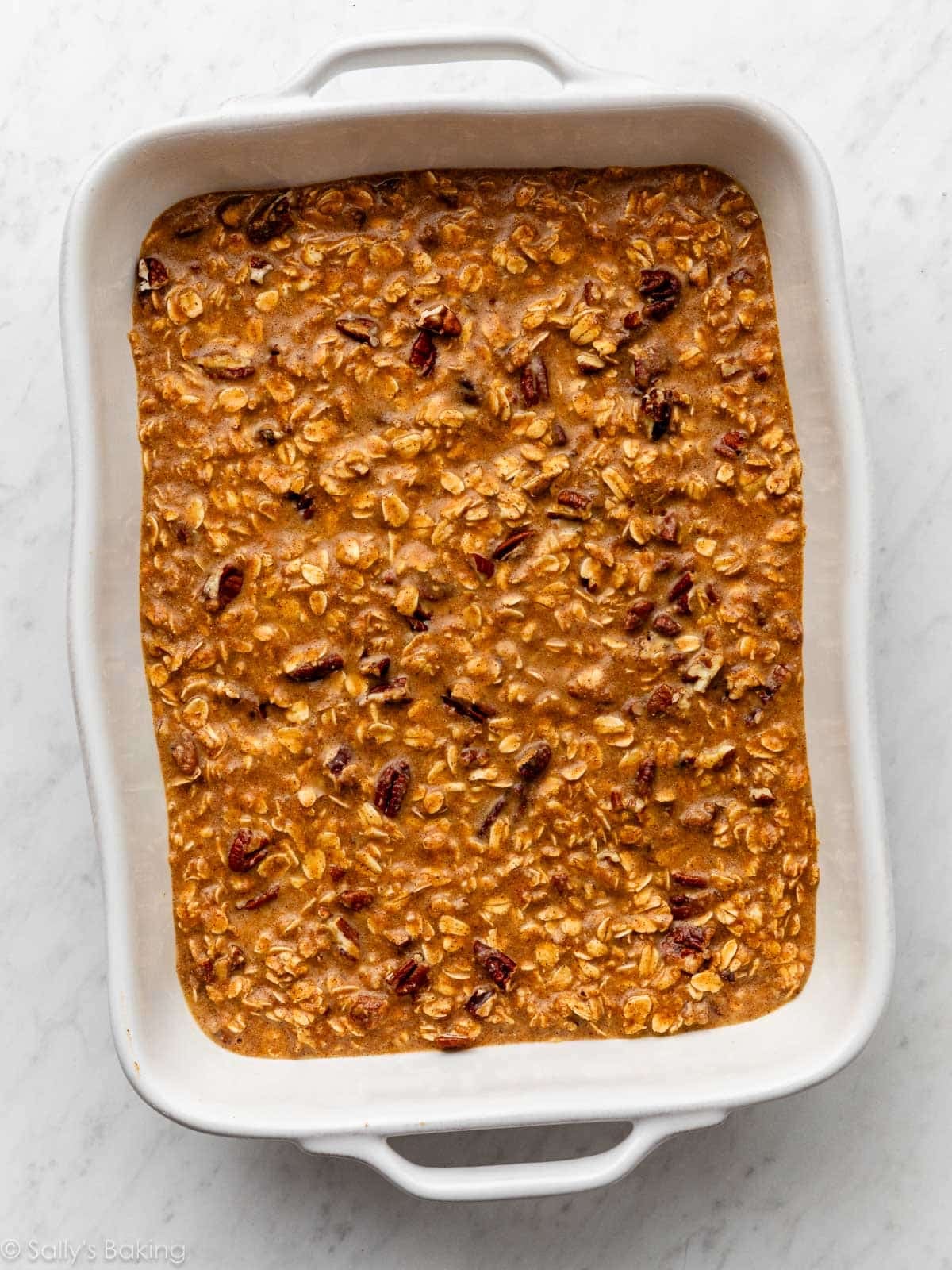
Nutritionists and time-management experts often cite the "batch-cook" method as a key strategy for maintaining healthy dietary patterns during a busy work week. By allocating time on a Sunday to bake a tray of pumpkin oatmeal, an individual can save approximately 15 to 20 minutes of daily morning prep time.
"The psychological benefit of having a pre-prepared, warm meal ready to go cannot be overstated," says Dr. Elena Vance, a nutritionist specializing in metabolic health. "When breakfast is already made, individuals are significantly less likely to rely on impulsive, high-sugar, or processed grab-and-go options on their way to work. It is a proactive approach to metabolic wellness."
Broader Impact and Future Outlook
As the culinary landscape continues to move toward personalization, pumpkin baked oatmeal stands as a case study for the success of "flexible recipes." The ability to substitute dairy milk for plant-based alternatives, or to swap brown sugar for maple syrup or honey, allows the dish to remain accessible to diverse dietary demographics, including those with lactose intolerance or those following plant-based diets.
Looking ahead, industry experts anticipate that the "tray-bake" trend will continue to influence breakfast menus, with potential innovations focusing on fortified versions of these bakes—perhaps incorporating protein powders or adaptogenic mushrooms. As long as consumers prioritize high-efficiency, nutrient-dense, and cost-effective meals, the pumpkin baked oatmeal will likely remain a fixture in the modern domestic kitchen.
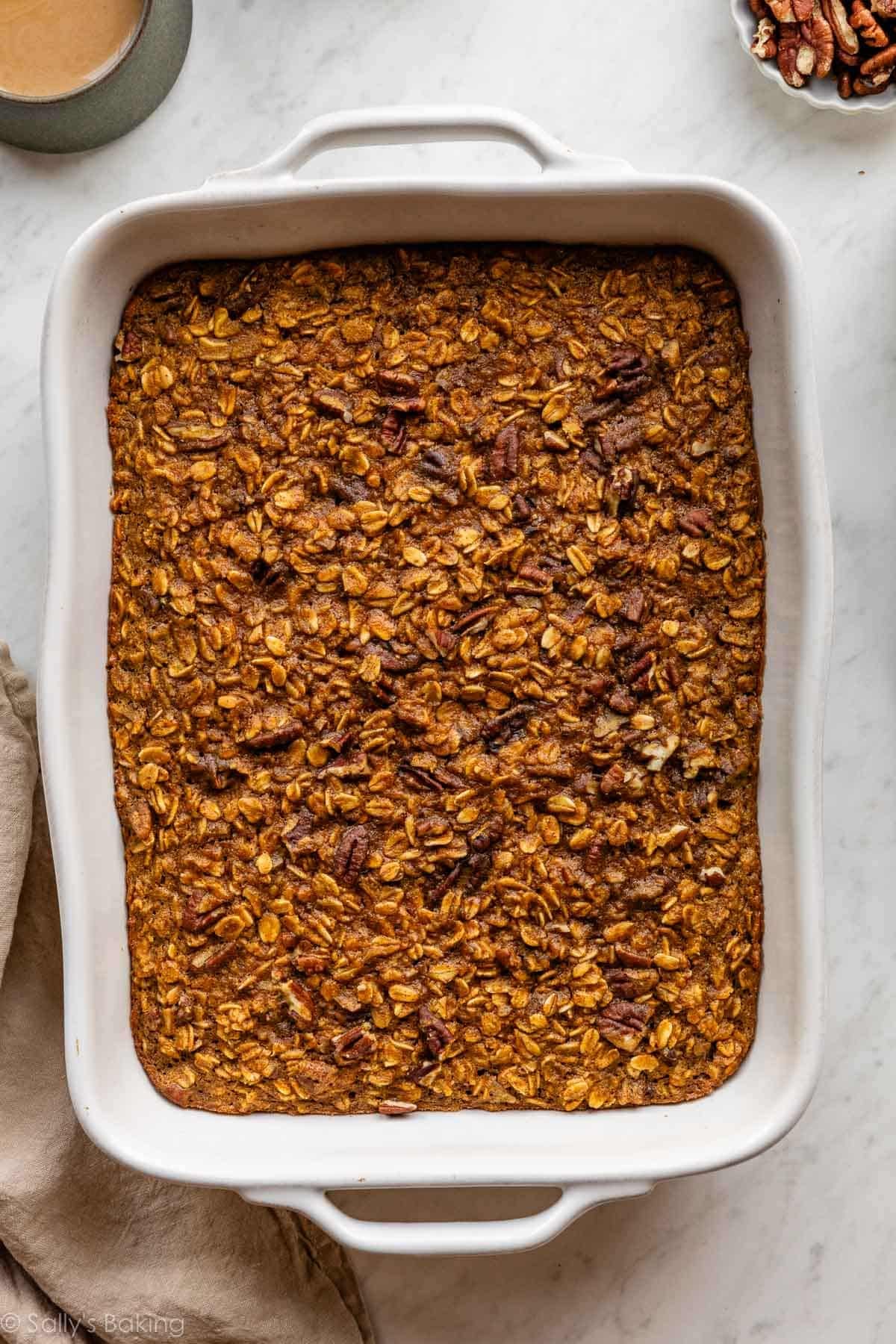
In conclusion, the rise of this dish is not merely a passing food trend, but a reflection of a society that values the intersection of traditional comfort and modern logistical efficiency. Whether served as a quick weekday breakfast or a leisurely weekend treat, its ability to remain fresh and palatable for up to seven days under refrigeration cements its position as a cornerstone of the contemporary breakfast repertoire.
