
As the autumn season descends, home bakers and culinary enthusiasts frequently engage in the ritual of pumpkin-based preparation. Whether utilizing fresh, roasted pumpkins or standard 15-ounce cans of store-bought puree, the common issue of surplus ingredients often arises. Because many traditional recipes require only a partial measurement of a standard container—typically leaving behind 1/4 to 1/2 cup—efficient management of this perishable produce has become a focal point for domestic waste reduction and culinary optimization.
Culinary Context and Waste Management Trends
The surge in pumpkin-based baking typically begins in late September and reaches its peak during the Thanksgiving holiday period. Industry data suggests that the sale of canned pumpkin puree experiences a significant spike during the fourth quarter of the year. This seasonal demand often leads to fragmented usage of ingredients, prompting food experts to seek methods for extending the shelf life of opened containers.

Proper storage is the primary factor in maintaining the integrity of pumpkin puree. Food safety guidelines dictate that once a can is opened, the puree should be transferred to an airtight container. Refrigeration is effective for short-term storage, with a maximum window of seven days before the quality degrades. For long-term preservation, freezing is the industry-recommended approach. Puree can be safely stored in the freezer for up to three months without significant loss of flavor or texture, provided it is sealed to minimize exposure to air.

Technical Data: Yield and Measurements
Understanding the volume-to-weight ratio of pumpkin puree is essential for precision in baking. A standard 15-ounce (425g) can contains approximately two cups of product. One cup of pureed pumpkin weighs approximately 8 ounces (226g). When a recipe demands a specific amount, bakers often find themselves with a remaining deficit or surplus.
Professional bakers note that if a recipe requires one cup and the cook has slightly less, the omission of one tablespoon of puree is generally acceptable and will not compromise the structural integrity of the final product. In such instances, the addition of a tablespoon of unsweetened applesauce can serve as an effective substitute to maintain the moisture balance of the dough or batter.
Strategic Utilization: High-Volume Recipes
For those looking to utilize larger quantities of leftover puree—specifically those exceeding one cup—several staple recipes are frequently cited by culinary experts. These include:
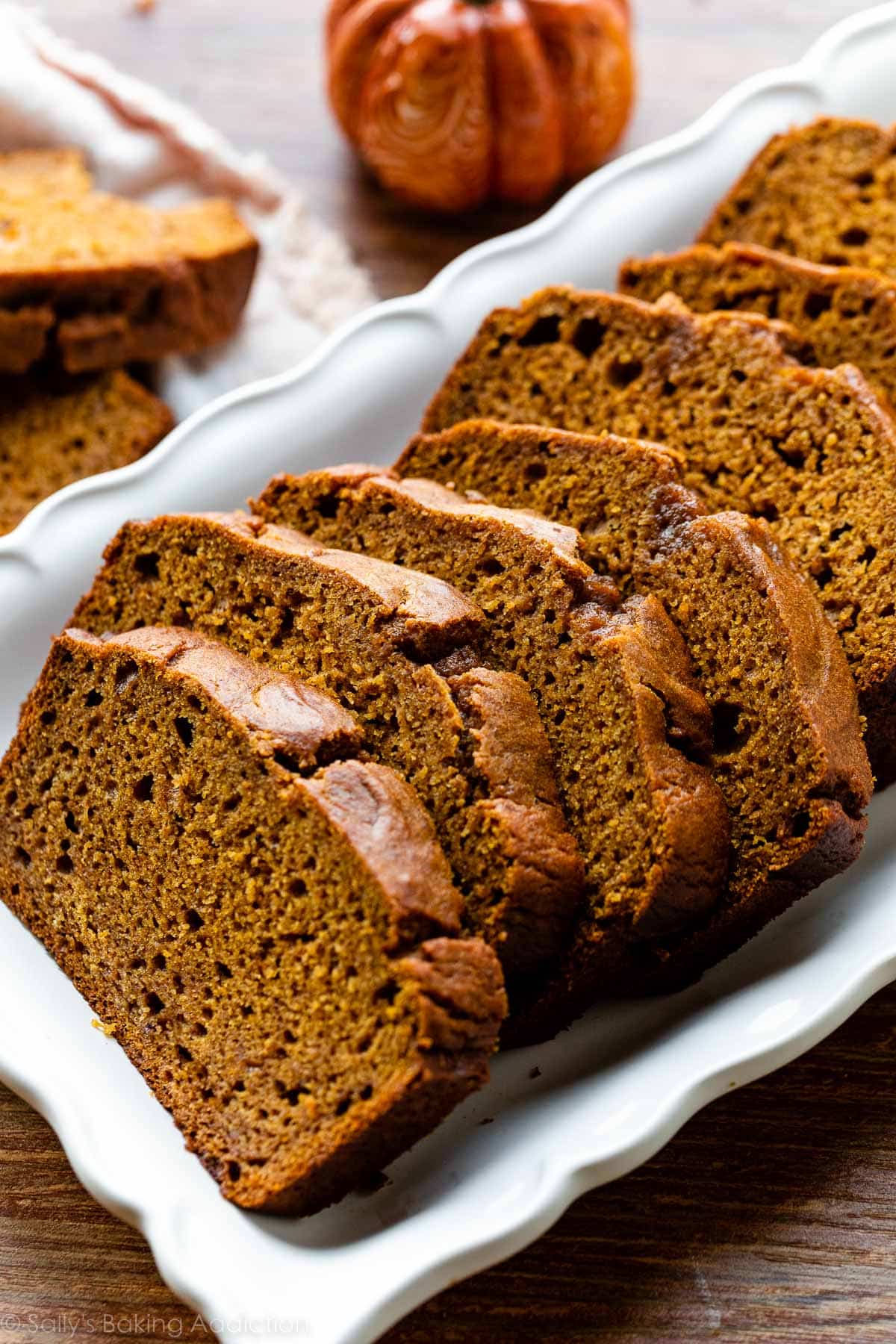
- Pumpkin Bread: This classic preparation typically requires 1.5 cups (340g) of puree. It remains a high-demand item due to its ease of preparation and the absence of complex mixing equipment.
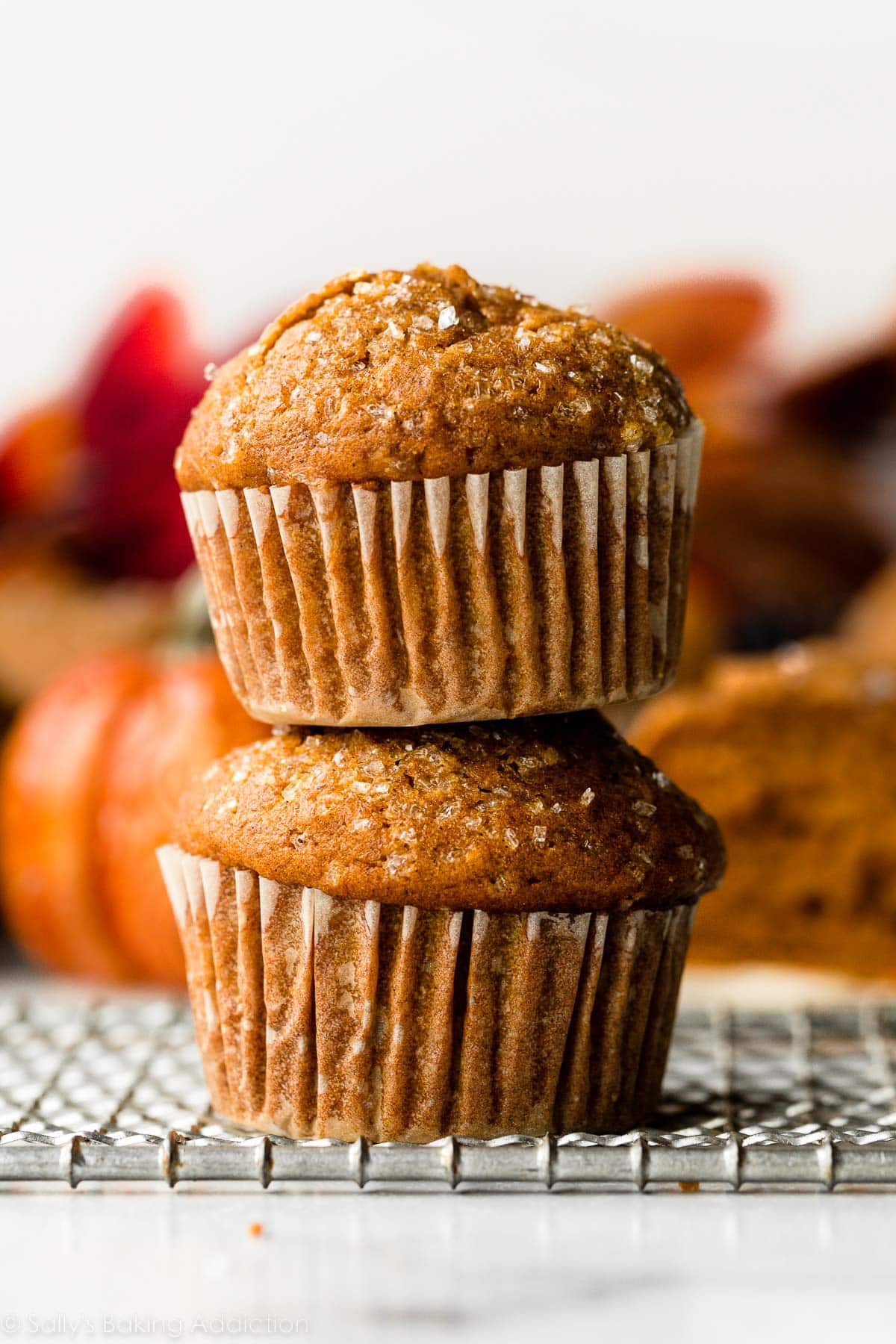
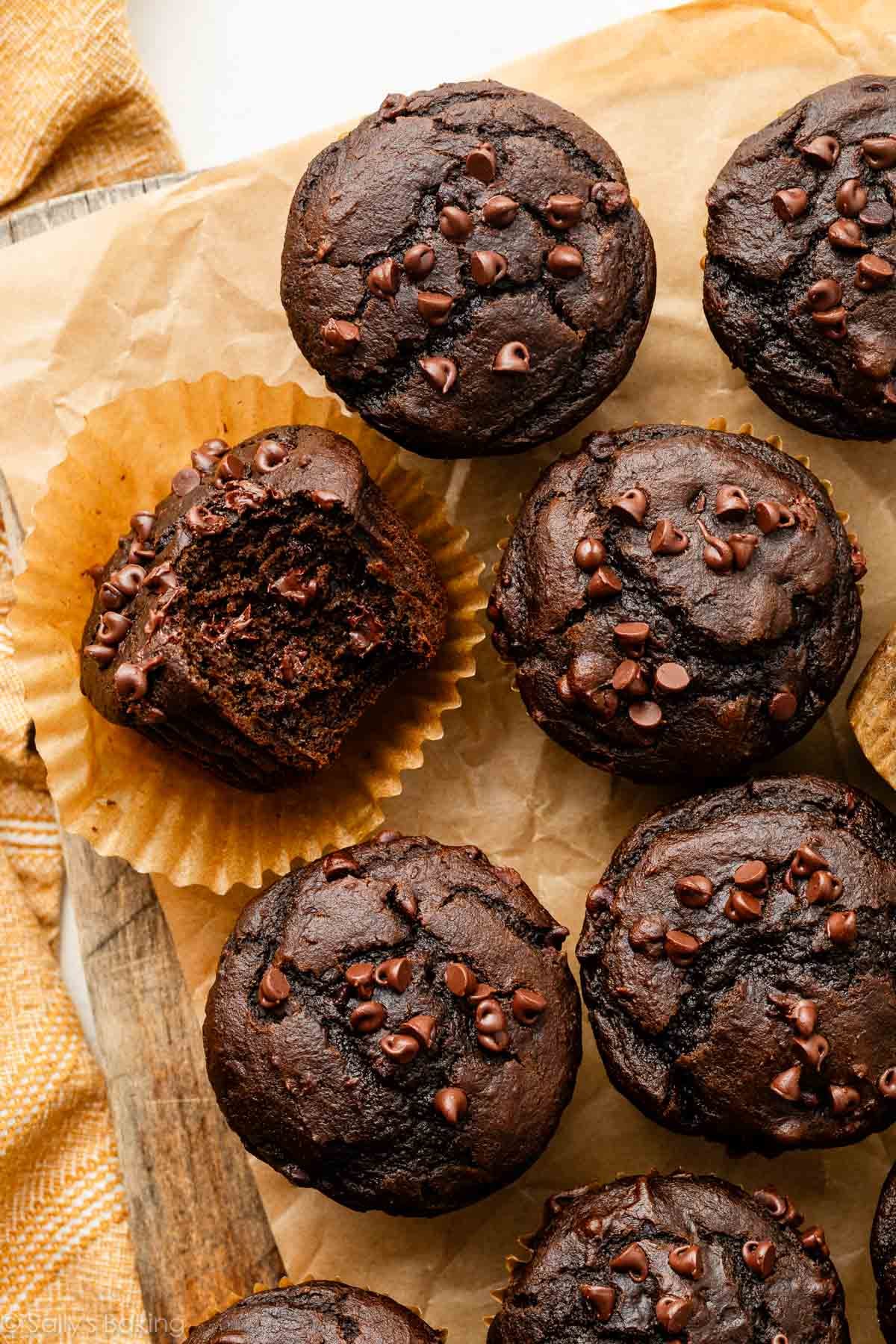
- Pumpkin Muffins: Similar to the bread, these require 1.5 cups (340g). They are often praised for their moisture retention, a quality directly attributed to the high fiber and water content of the squash.
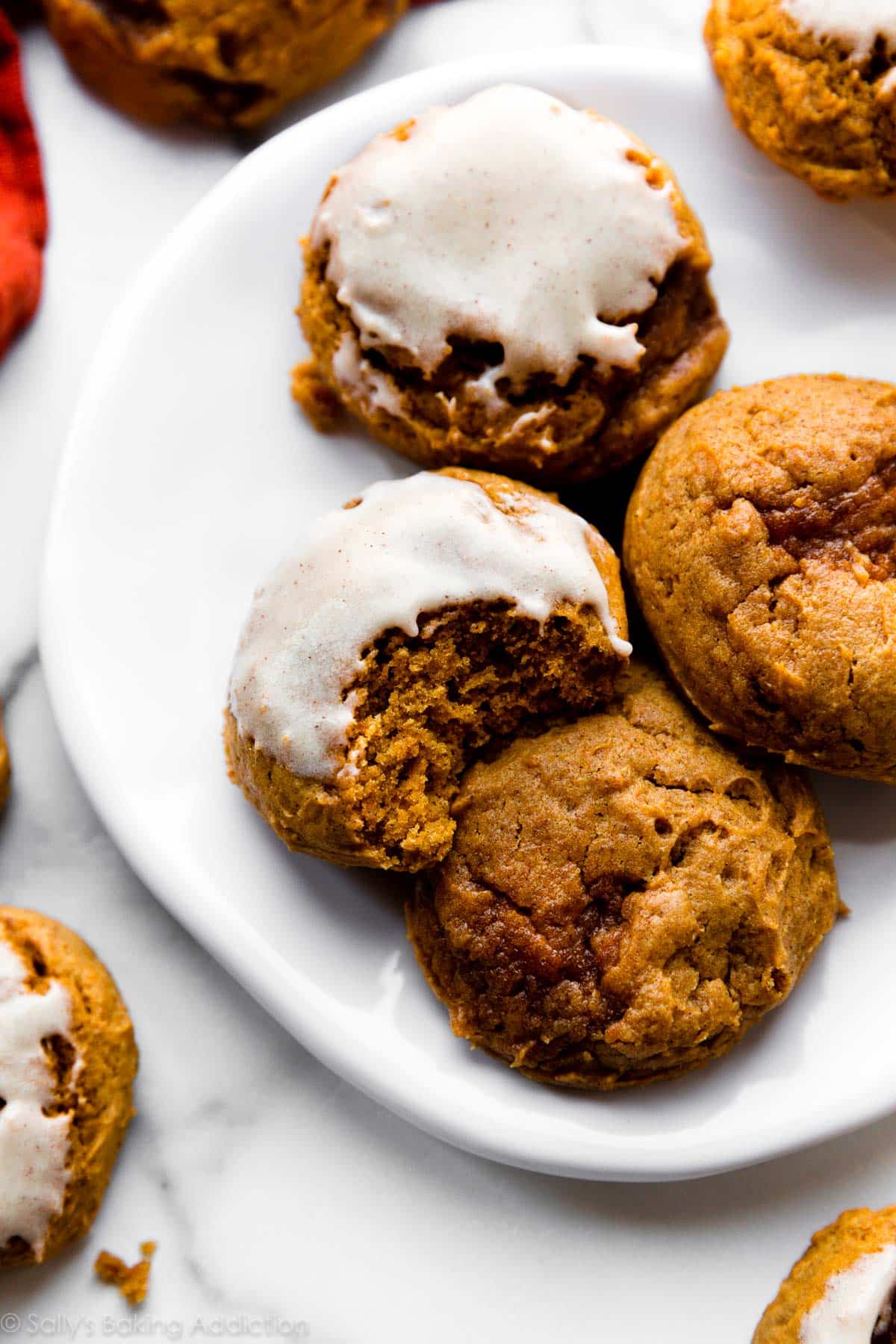
- Pumpkin Cookies: These baked goods, which also utilize 1.5 cups (340g), offer a softer, cake-like texture compared to traditional cookies, making them a unique category of autumn desserts.
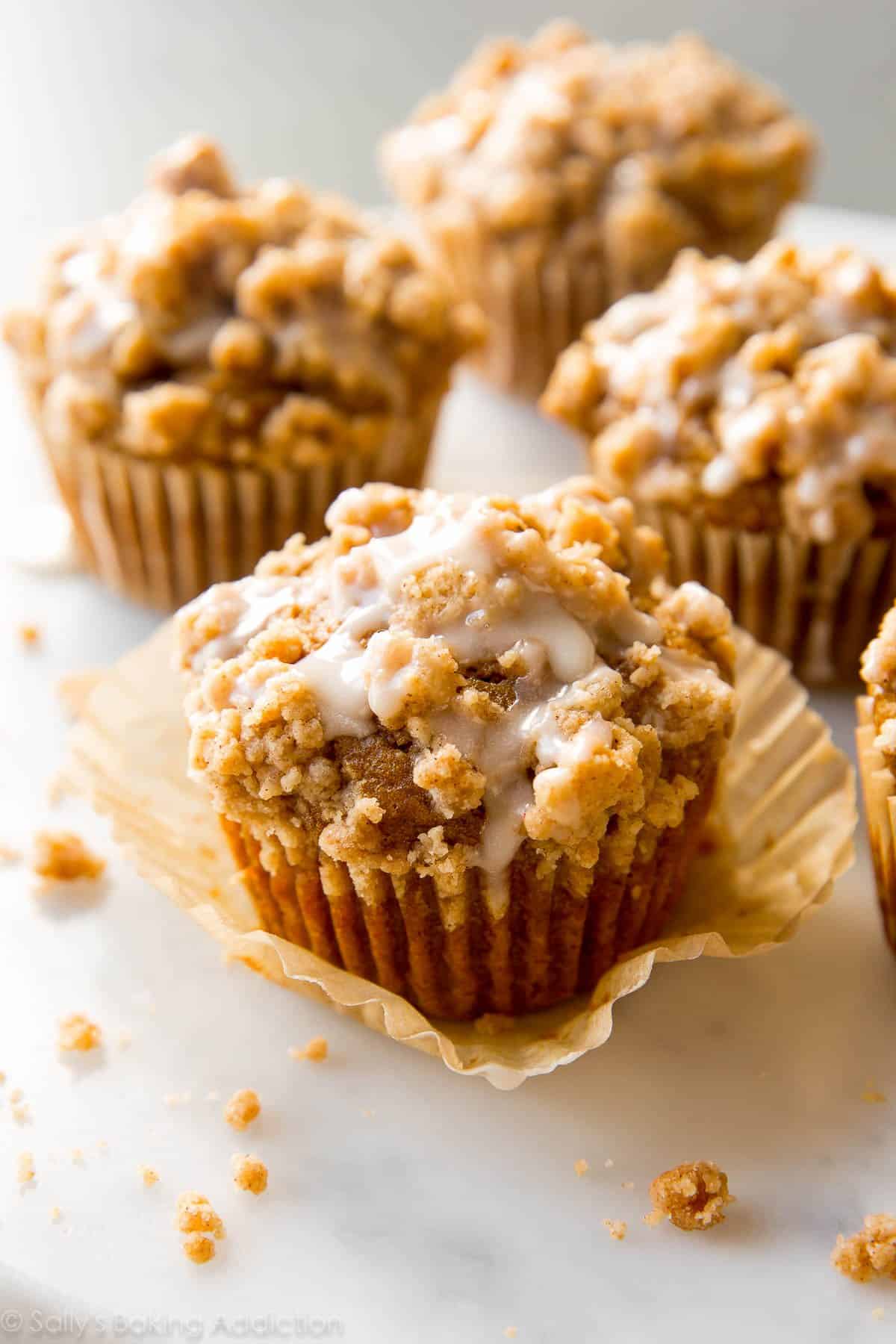
- Pumpkin Crumb Cake Muffins: A perennial favorite in professional and home kitchens, these utilize 1.5 cups of puree and are noted for their high sugar-to-spice profile.
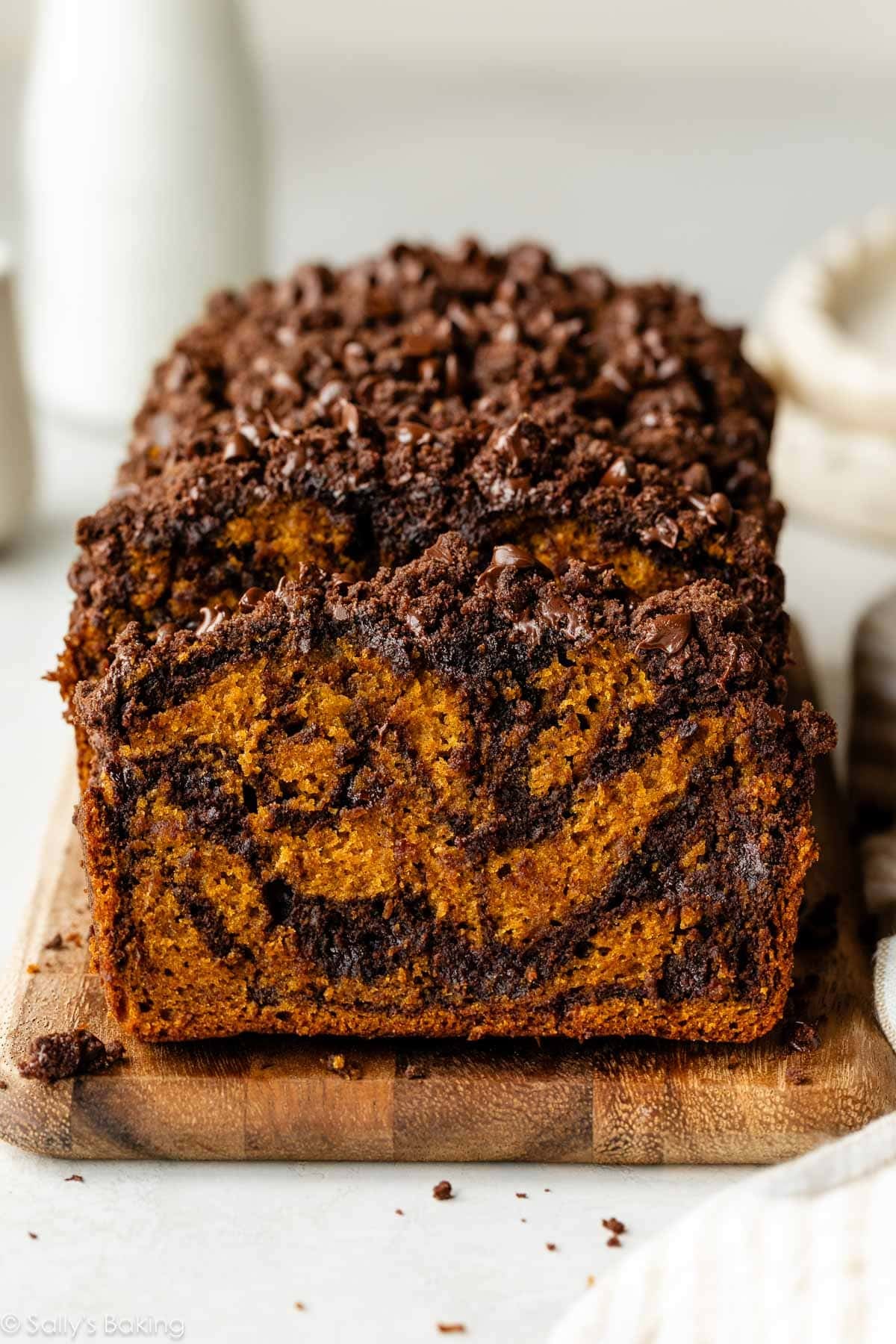
- Specialty Breads: Variations such as Chocolate Marble Pumpkin Bread have gained popularity, providing a complex flavor profile while still consuming the standard 1.5-cup requirement.
Mid-Range and Low-Volume Applications
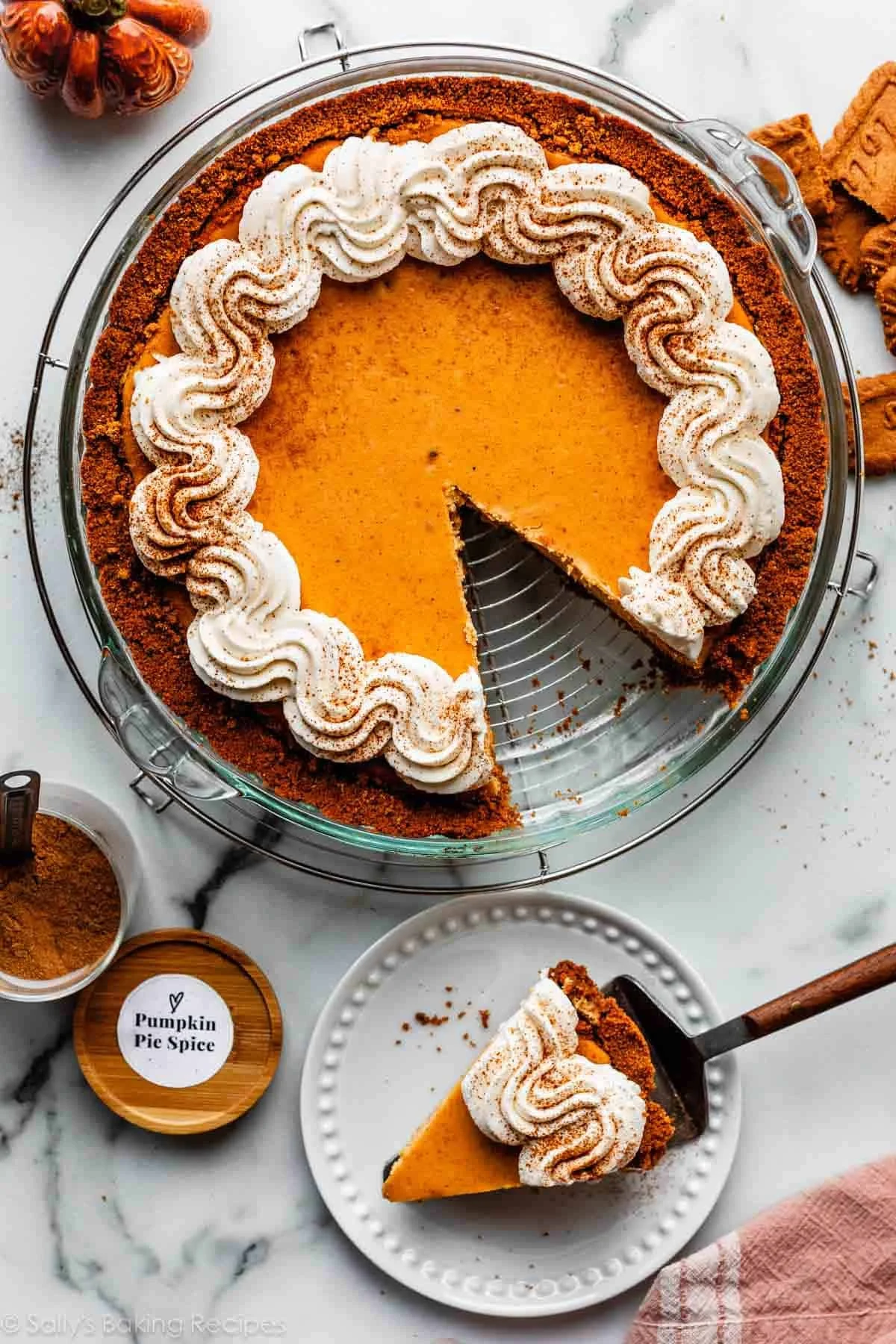
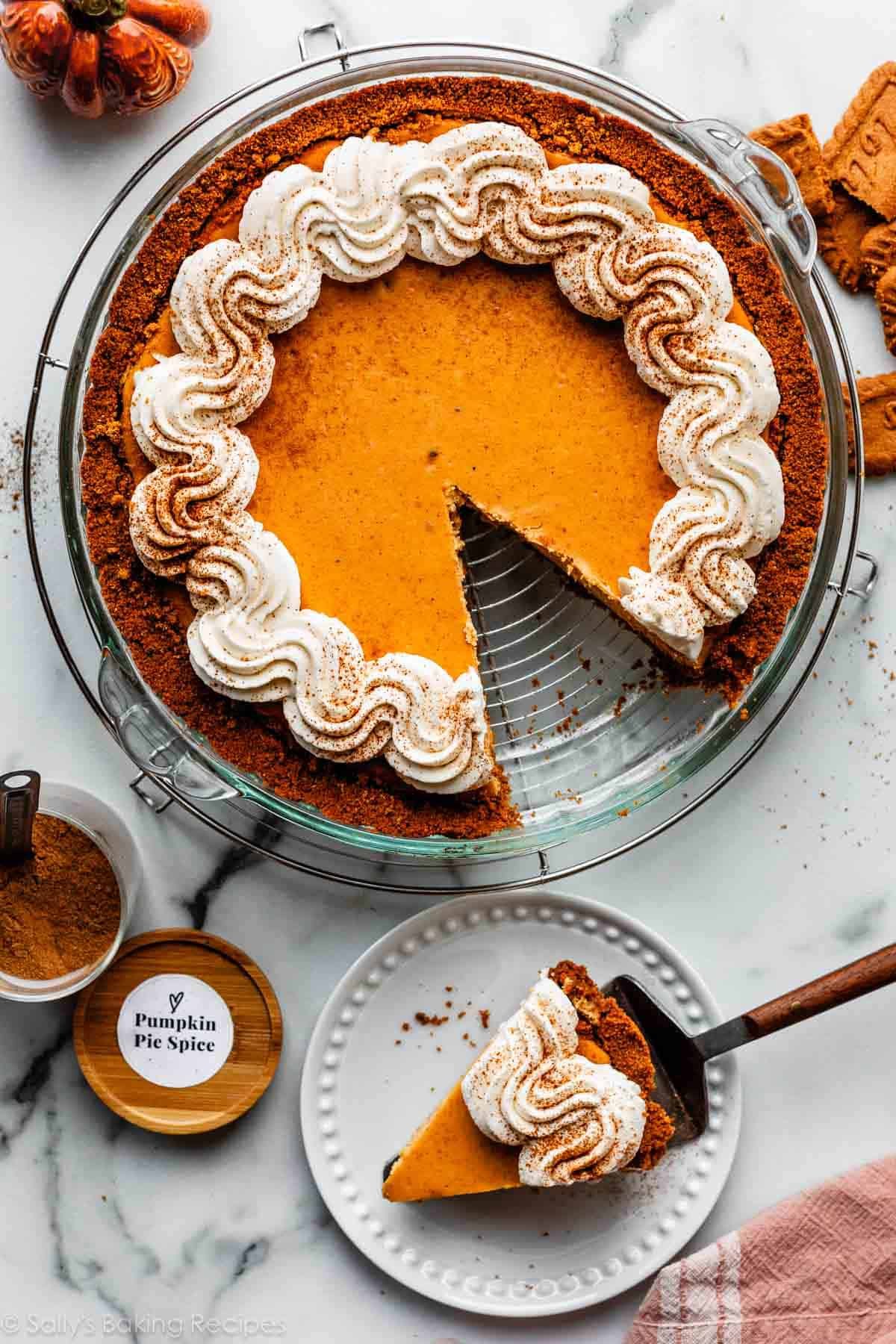
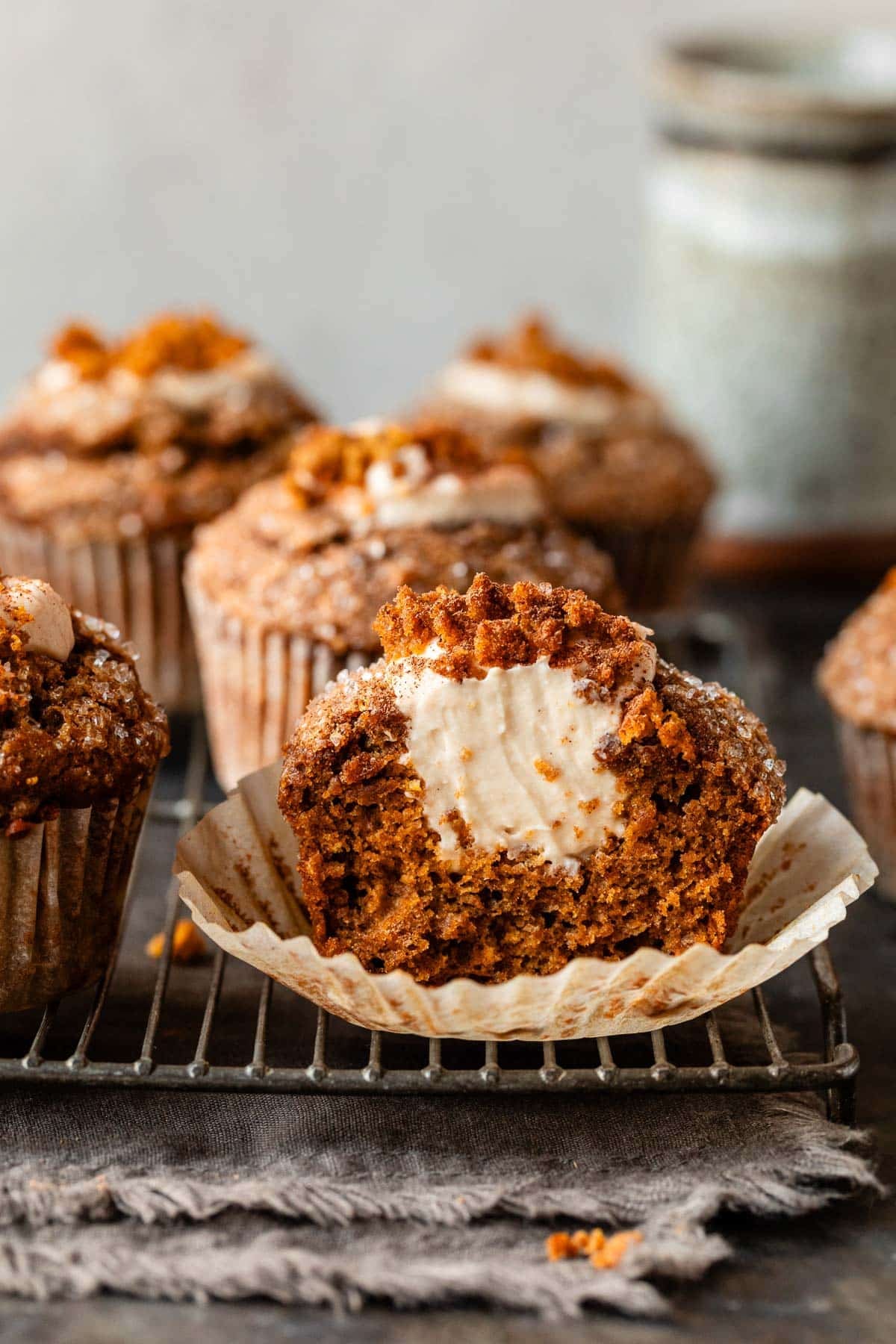
When the remaining inventory falls between 1/2 and 1 cup (115g to 226g), recipes such as pumpkin cheesecake pies, mini cinnamon sugar muffins, or savory-leaning options like pumpkin baked oatmeal cups become highly viable. These recipes allow for the absorption of smaller quantities without the need to open additional cans or source fresh produce.
For the smallest remainders—those measuring less than 1/2 cup—creative applications include pumpkin sugar cookies, snickerdoodles, or even the preparation of homemade pumpkin coffee creamer. The latter is an increasingly popular DIY project that requires only two tablespoons (30g) of puree, combined with milk or cream and warm spices.
The Role of Pumpkin Pie Spice
The culinary success of these recipes is largely dependent on the supporting spice blend, commonly known as pumpkin pie spice. This mixture typically consists of cinnamon, nutmeg, ginger, cloves, and sometimes allspice. Experts emphasize that the quality of the final bake is highly sensitive to the freshness of these spices. Preparing a homemade batch of this blend is often recommended for home cooks to ensure the potency of the flavors, as pre-mixed store versions may lose their aromatic oils over extended periods on the pantry shelf.
Institutional Perspectives on Food Preservation
Public health organizations and food scientists advocate for these "leftover" strategies as part of a broader effort to mitigate household food waste. According to the United Nations Environment Programme’s Food Waste Index, household waste remains a primary contributor to global food loss. By providing structured guides for the usage of partial ingredients, culinary platforms play a role in promoting sustainable consumption habits.

Freezing techniques, such as the use of ice cube trays to portion the puree into individual one-ounce segments, have been endorsed by food safety experts as a best practice. This method not only prevents spoilage but also allows for precise portion control in future recipes, such as adding a single cube to a morning smoothie or bowl of oatmeal.
Broader Economic and Seasonal Impact
The increased interest in "zero-waste" baking reflects a shift in consumer behavior, where efficiency in the kitchen is valued alongside traditional flavor. As the autumn season concludes, the demand for these resources remains high, suggesting that the trend of repurposing ingredients is not merely a passing interest but a core component of modern domestic management.
From a commercial standpoint, manufacturers of canned goods have noted the trend, with many now including "how-to-store" instructions on their labels. This institutional response demonstrates the alignment between consumer demand for practical, value-added information and corporate responsibility in addressing the food waste cycle.

Conclusion
Managing leftover pumpkin puree requires a combination of basic storage knowledge and a catalog of versatile recipes. By recognizing the measurement ratios and the potential for freezing, home bakers can extend the lifecycle of their ingredients well beyond the initial event of opening the can. Whether utilized in high-volume batches of bread and muffins or incorporated into smaller, secondary bakes, the systematic use of leftover pumpkin remains a hallmark of an organized and efficient kitchen. As the season progresses, the availability of diverse, adaptable recipes ensures that this versatile squash can be enjoyed in various forms, reinforcing its status as a staple of autumnal culinary culture.
