
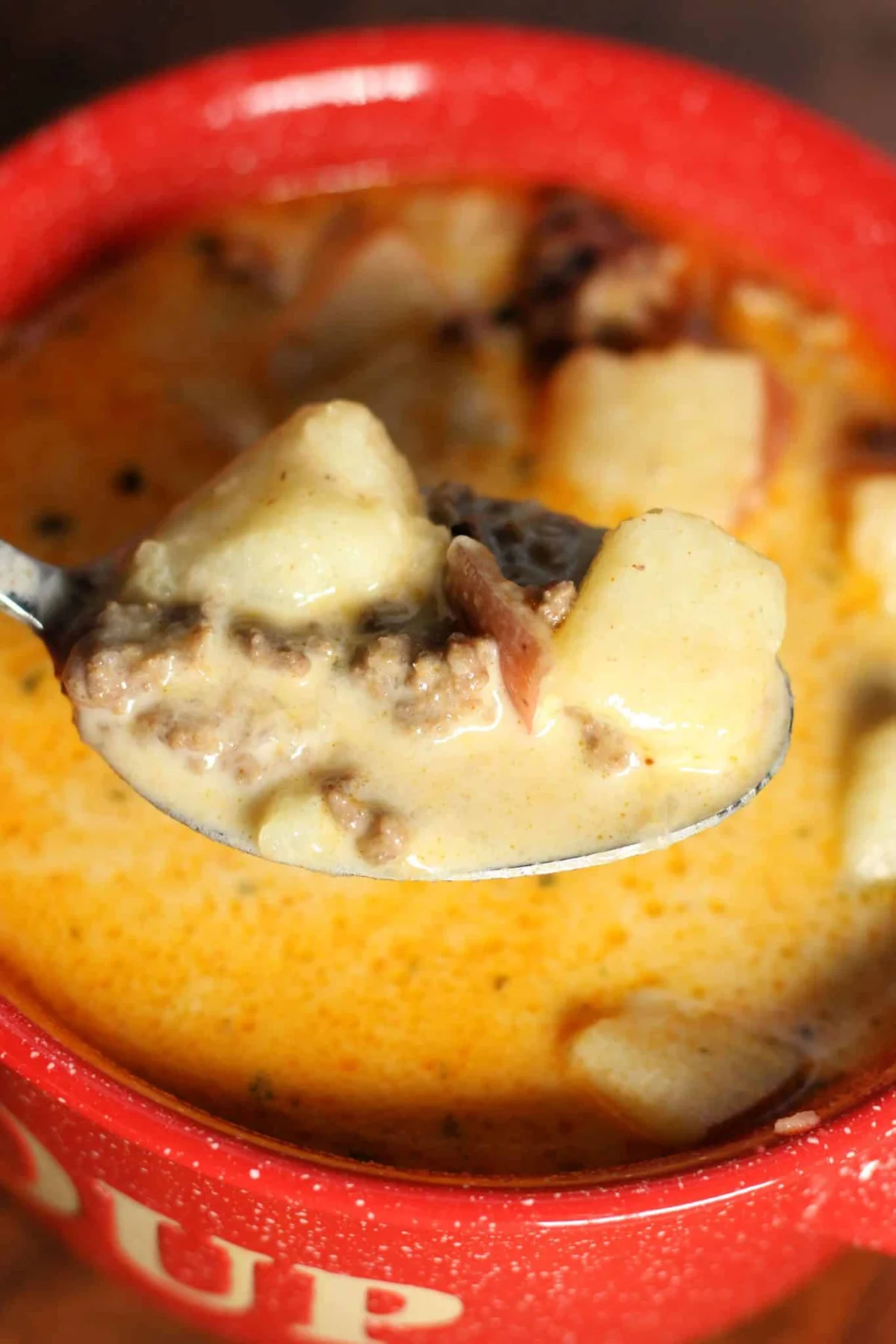
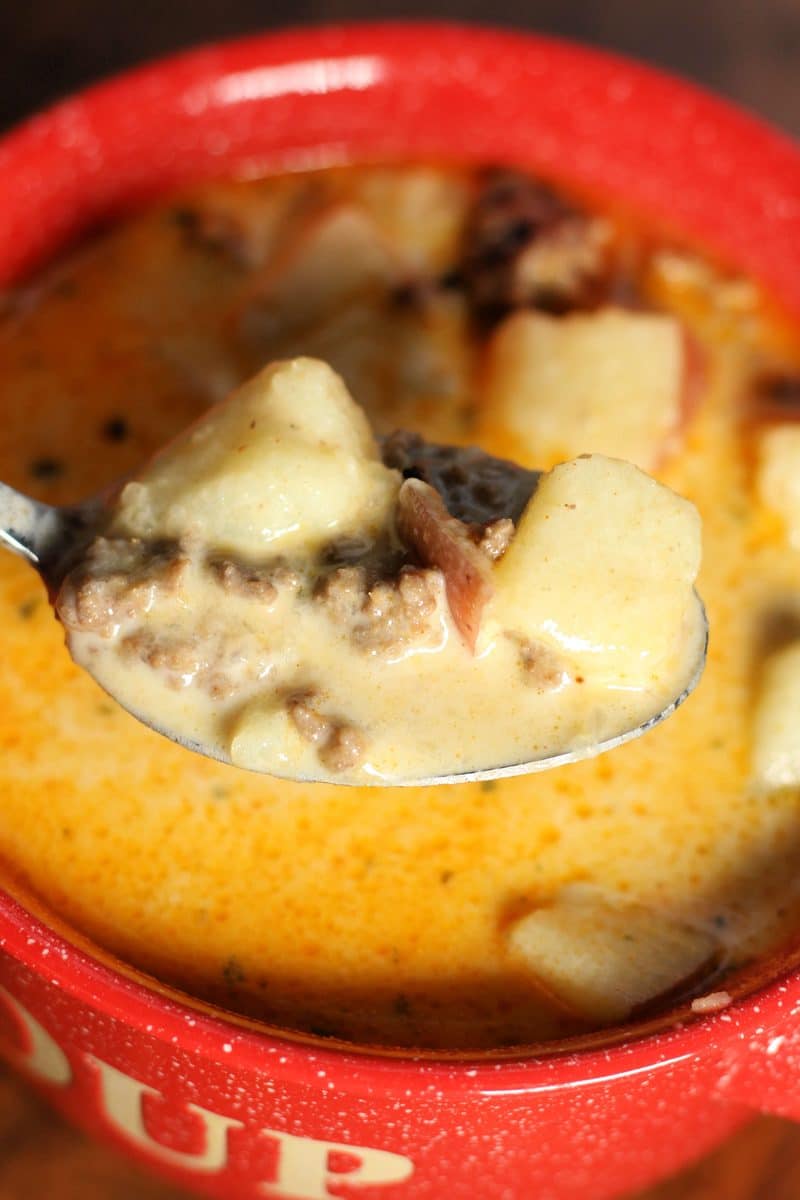
As home cooking trends continue to prioritize efficiency and cost-effectiveness, recipes that utilize pantry staples—specifically ground beef, potatoes, and aged cheddar—have emerged as a primary focus for culinary enthusiasts. This specific dish represents a modern evolution of the classic comfort food genre, balancing the need for quick preparation times with the demand for hearty, wholesome nutrition.
The Rise of Multi-Functional Cooking Appliances
The popularity of Cheesy Beef and Potato Soup is inextricably linked to the widespread adoption of multi-functional pressure cookers. According to kitchen appliance market data from the last decade, the surge in demand for programmable, high-pressure cooking devices has transformed how households approach meal planning. The ability to transition from a sauté function—essential for browning ground beef to achieve the Maillard reaction—to a high-pressure cook cycle allows for a significant reduction in total kitchen time.
For busy households, this transition represents a shift from traditional stovetop methods, which often require constant monitoring, to a "set-and-forget" model. In the case of this soup, the process involves a brief five-minute browning stage followed by a short pressure-cook cycle for the red potatoes. This method not only preserves the structural integrity of the potatoes but also ensures that the starch release remains controlled, contributing to a naturally thickened broth.
Nutritional Composition and Ingredient Versatility
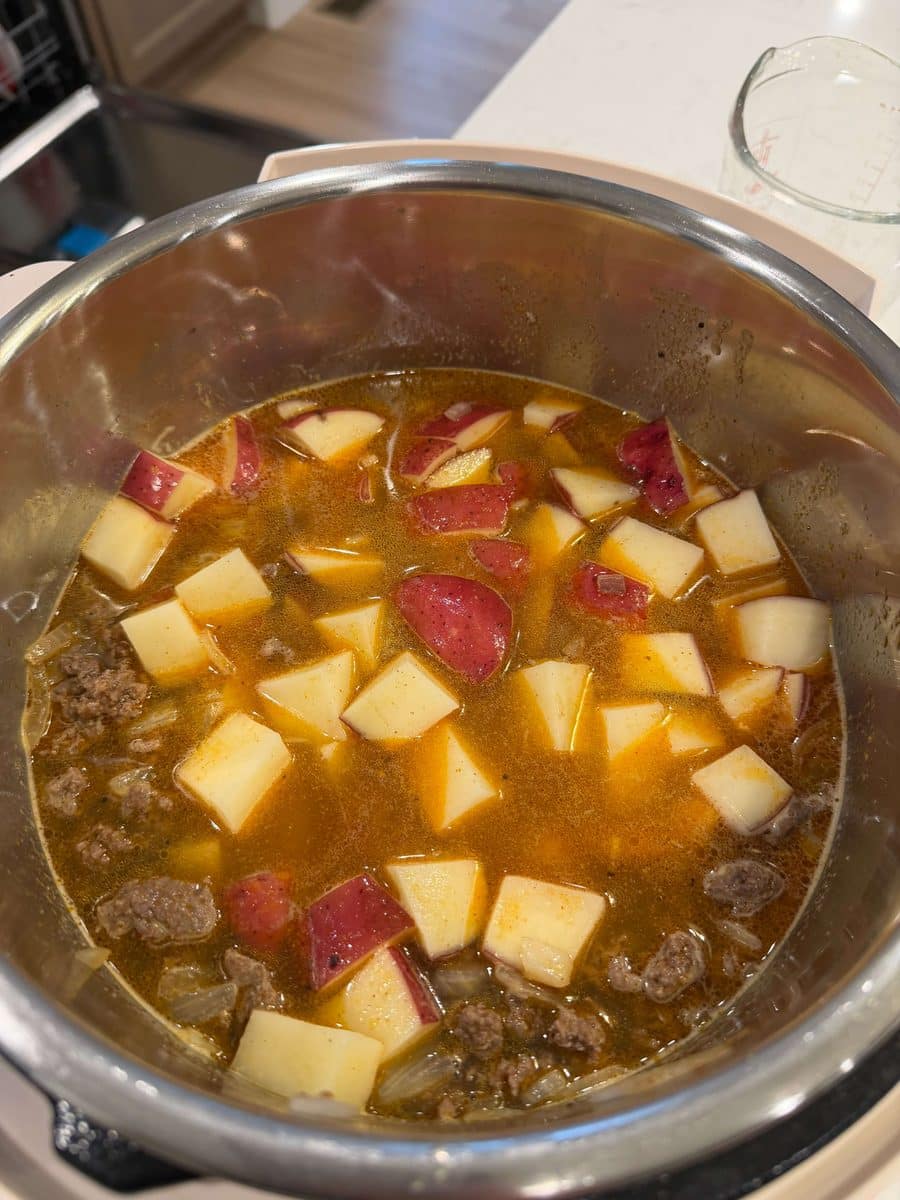
From a nutritional standpoint, the base of the soup provides a balanced profile of protein and complex carbohydrates. Red potatoes are favored in this recipe for their thin skin and waxy texture, which allows them to maintain their shape under pressure, preventing the "mushiness" often associated with starchy varieties like Russets.
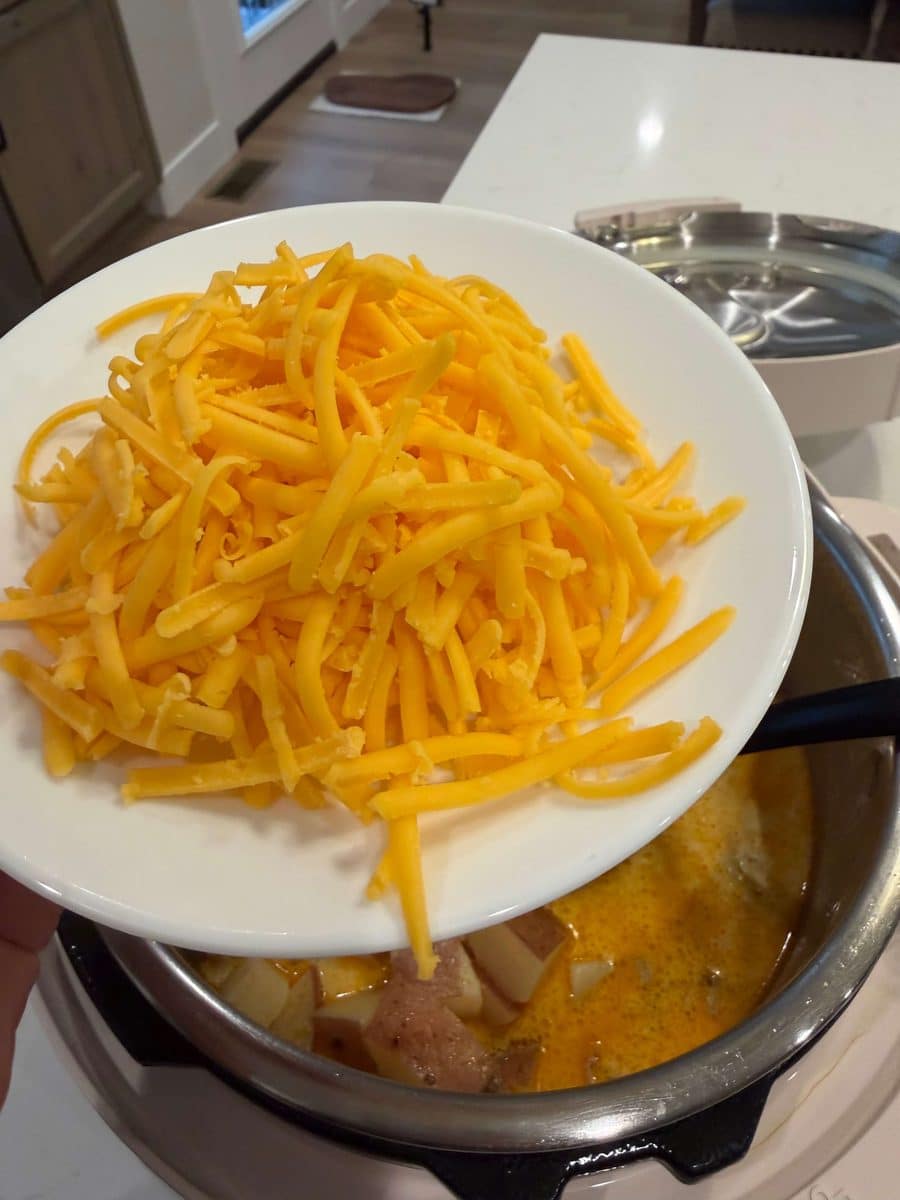
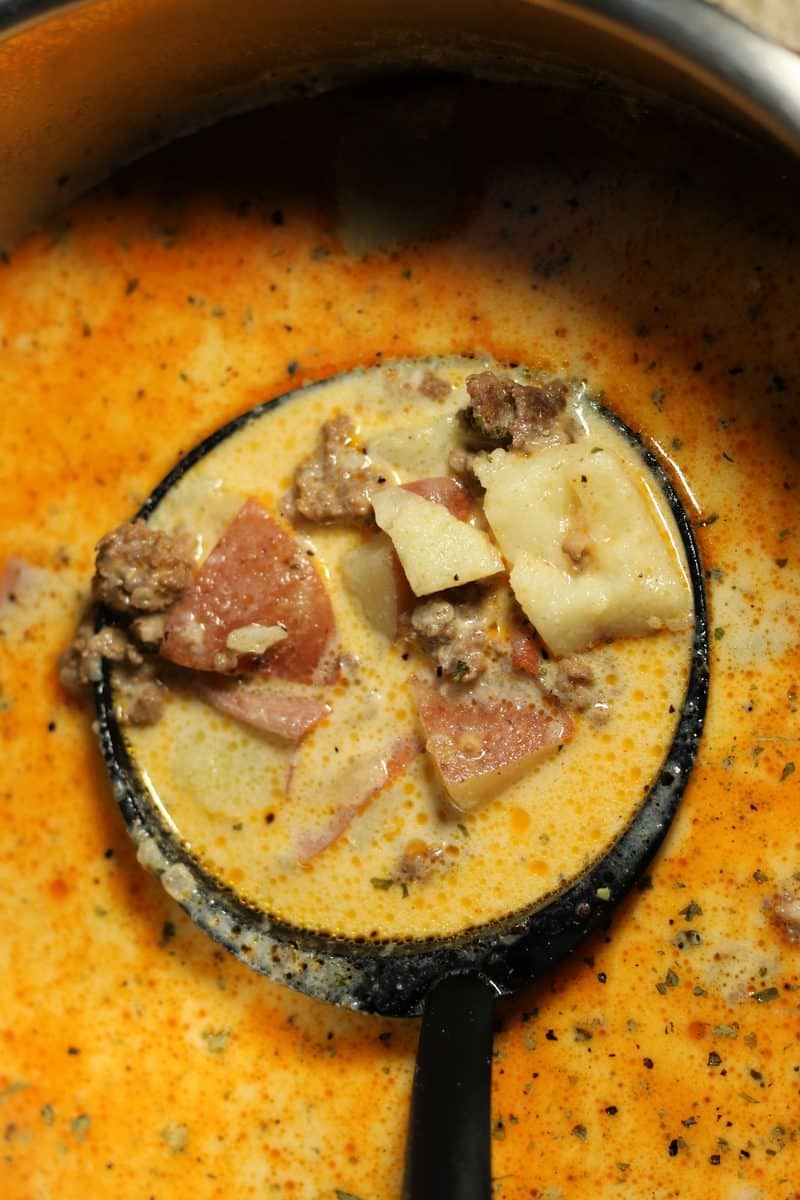
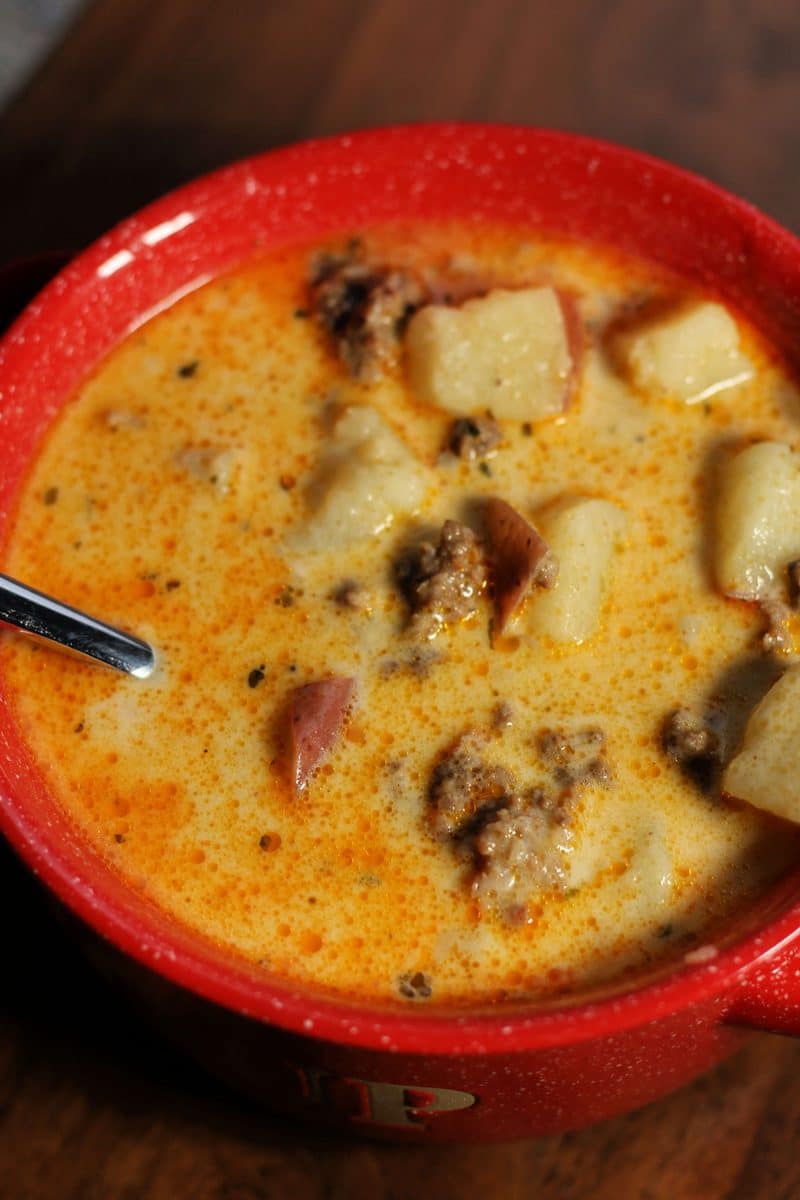
The inclusion of cheddar cheese serves as both a flavoring agent and a thickening component. When introduced at the final stage of the cooking process, the fats and proteins in the cheese emulsify with the broth, creating a velvety mouthfeel. Culinary experts often note that tempering the cream—a process of introducing hot broth to the dairy before fully incorporating it into the main vessel—is critical to preventing the proteins in the dairy from curdling under high heat.

Beyond the core components, the recipe functions as a "clean-out-the-fridge" vehicle. The addition of frozen peas or fresh spinach provides a boost of fiber and micronutrients without requiring extensive prep time. Similarly, the structural addition of carrots and celery creates a traditional mirepoix base, which adds depth of flavor through caramelized sugars and aromatics.
Chronological Preparation Guide
The preparation of this meal is structured into distinct phases, optimized for either rapid or extended cooking timelines:
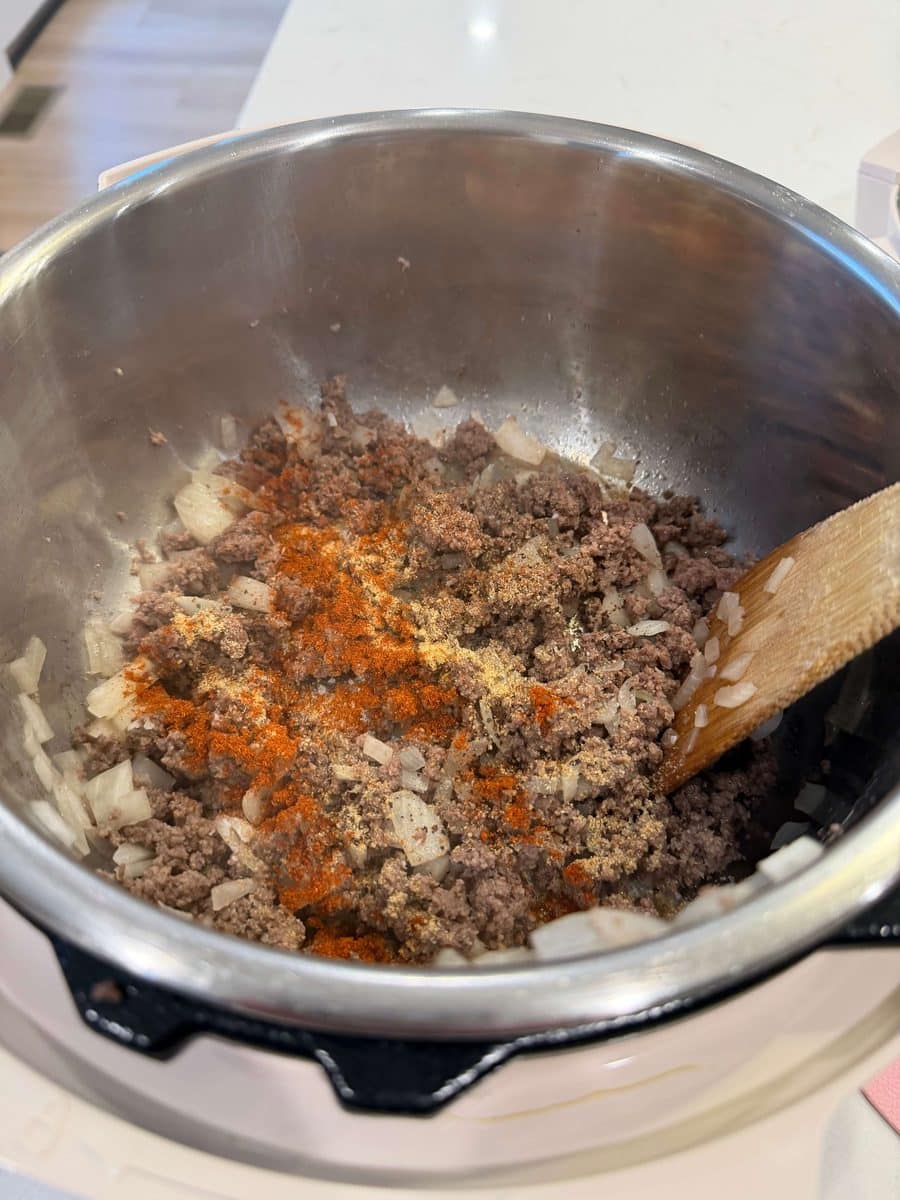
- Preparation and Sauté (0–10 minutes): The process begins by activating the sauté function. The ground beef is cooked until browned, at which point the excess fat is drained to maintain a balanced flavor profile. Aromatics, such as onions, are added to the beef, followed by a seasoning blend of salt, black pepper, garlic powder, and paprika.
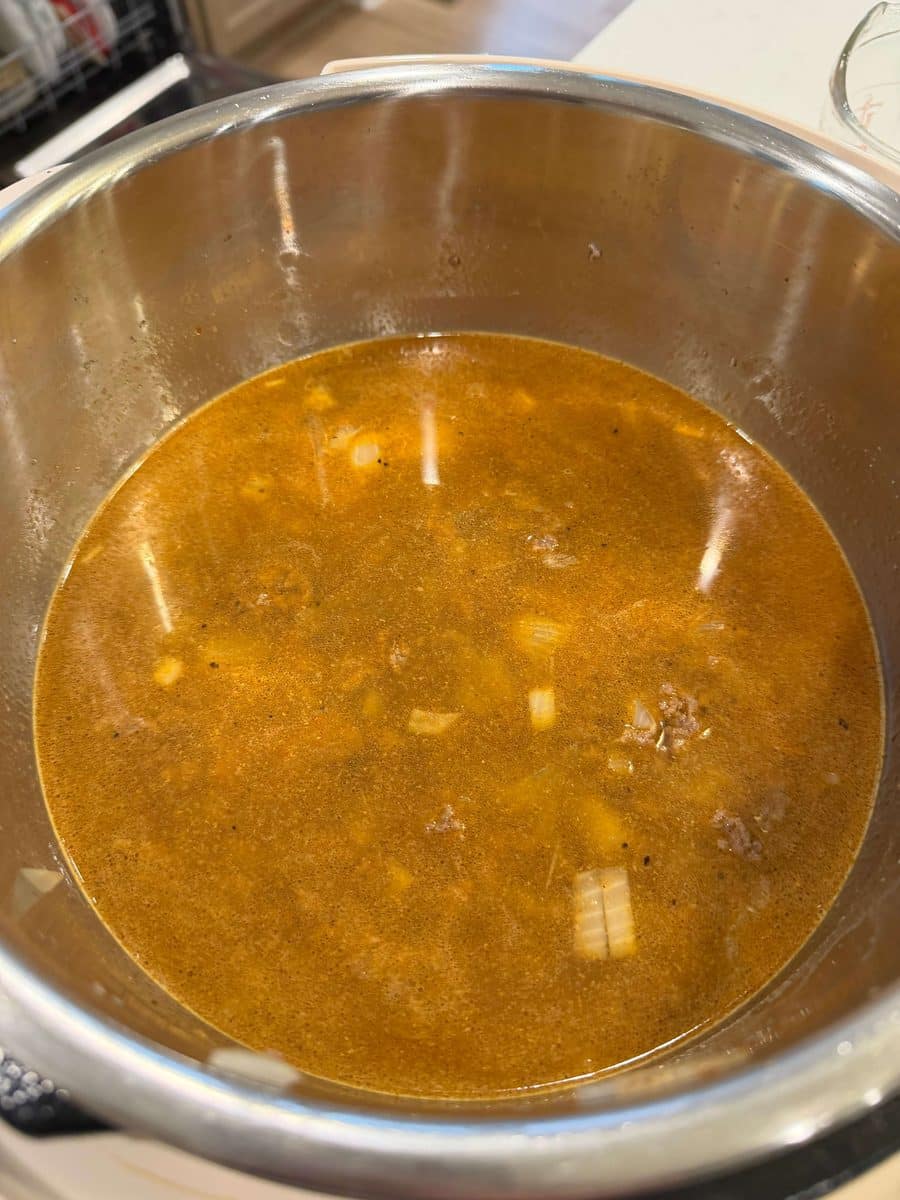
- Deglazing and Base Creation (10–15 minutes): The deglazing step is perhaps the most vital for flavor development. By pouring the broth into the pot while the surface is still hot, the cook can scrape up the fond—the caramelized brown bits of meat and spice—from the bottom of the pot. This is essential not only for flavor but for preventing a "burn" notice on modern digital pressure cookers.
- Pressure Cooking (15–25 minutes): Once the potatoes are added and the lid is secured, the device operates on a low-pressure setting. A four-minute cook time is sufficient to soften the potatoes without causing them to disintegrate. A five-minute natural pressure release period is recommended, allowing the internal temperature to equalize before the valve is moved to the venting position.
- Emulsification and Finishing (25–30 minutes): The final stage involves the thickening of the broth. By mixing cornstarch with water, the cook creates a slurry that, when added to the boiling liquid, provides a professional-grade viscosity. The cheese is then folded in once the heat is turned off, ensuring the cheese remains smooth and does not separate into oil and solids.
Broader Economic and Lifestyle Implications
The sustained popularity of potato-based soups reflects a broader trend in food inflation mitigation. Potatoes remain one of the most affordable and calorie-dense vegetables available, making them a cornerstone of budget-conscious meal planning. By combining them with ground beef—a more accessible protein compared to premium cuts of steak or poultry—families can produce a high-yield meal that serves multiple portions for a relatively low cost per serving.
Furthermore, the adaptability of this recipe for the slow cooker aligns with the "slow food" movement, which advocates for cooking methods that allow flavors to meld over several hours. While the Instant Pot caters to the time-poor consumer, the slow cooker instructions cater to those who prefer to prep ingredients in the morning and return to a completed meal. This flexibility is a significant selling point in a market where consumers value convenience without sacrificing the quality of a home-cooked meal.

Expert Culinary Perspectives
Food scientists emphasize that the key to a successful potato-based soup lies in the management of starch. When using a pressure cooker, the environment is sealed, meaning no liquid evaporates. This necessitates a careful ratio of liquid to solid to ensure the desired thickness. The use of cornstarch is a common industry standard for thickening soups, as it is flavor-neutral and creates a clear, glossy sheen.
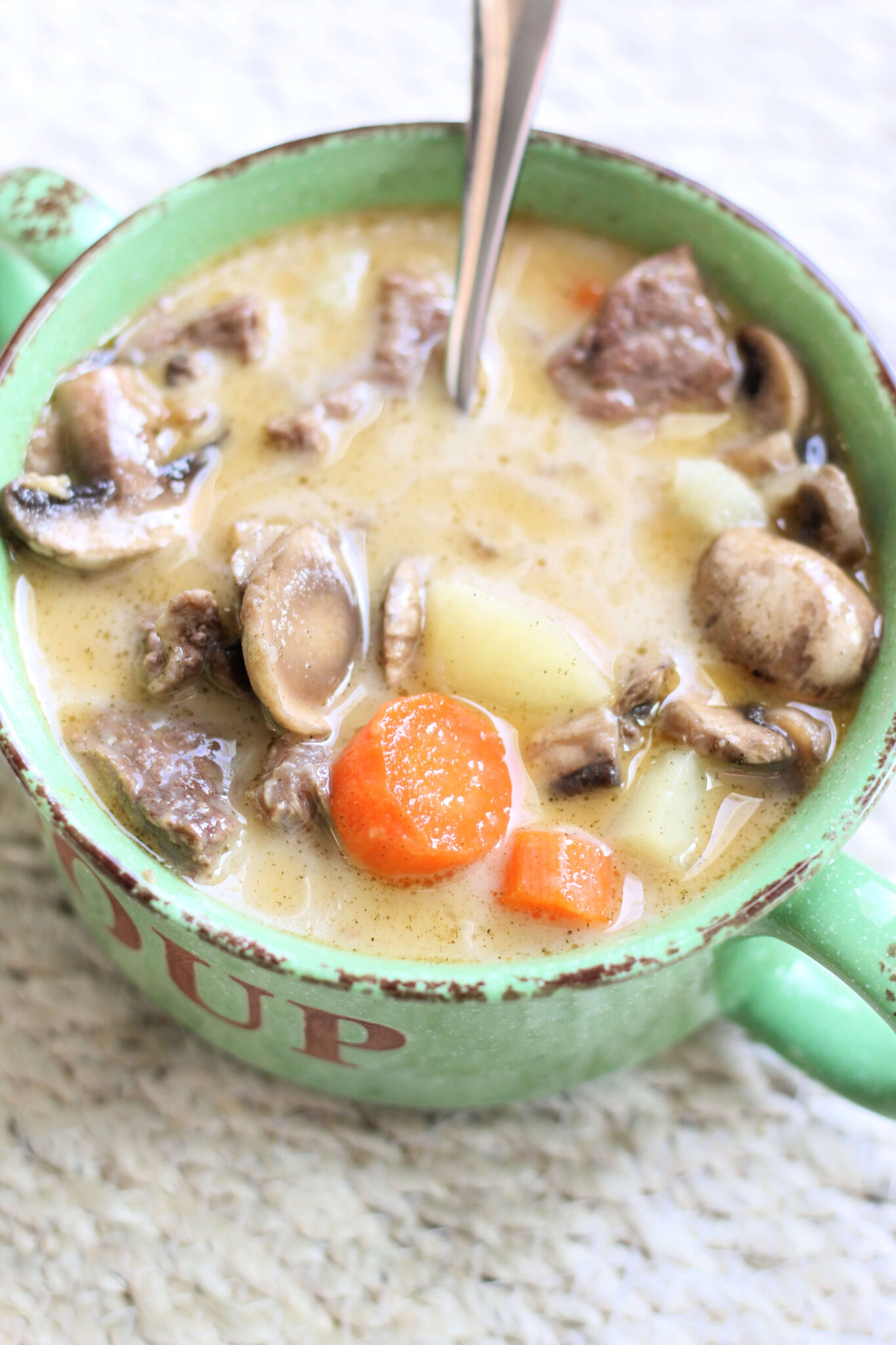
Chefs also suggest that the type of cheese utilized significantly impacts the final outcome. While mild cheddar is a standard choice for its accessibility, sharp or extra-sharp varieties can be used to add complexity and a more pronounced tangy profile to the soup. The integration of "tempering" techniques—gradually warming the dairy before adding it to the pot—is a professional practice that home cooks are increasingly adopting to improve the texture of their finished products.

Conclusion and Future Trends
As we look toward the future of home cooking, the emphasis on appliance-specific recipes will likely continue to grow. Recipes like the Cheesy Beef and Potato Soup serve as an anchor for this evolution, demonstrating how classic flavor combinations can be revitalized through modern technology.

By leveraging the efficiency of the Instant Pot and the classic appeal of comfort food, home cooks are able to maintain a high standard of nutrition and flavor, even amidst busy schedules. The ability to customize ingredients—whether through the addition of seasonal vegetables or the substitution of proteins—ensures that this recipe remains a staple for years to come. Whether served with crusty French bread or a simple garden salad, this soup remains a testament to the enduring appeal of accessible, hearty, and well-balanced home cooking.
