
Historical Context and Evolution
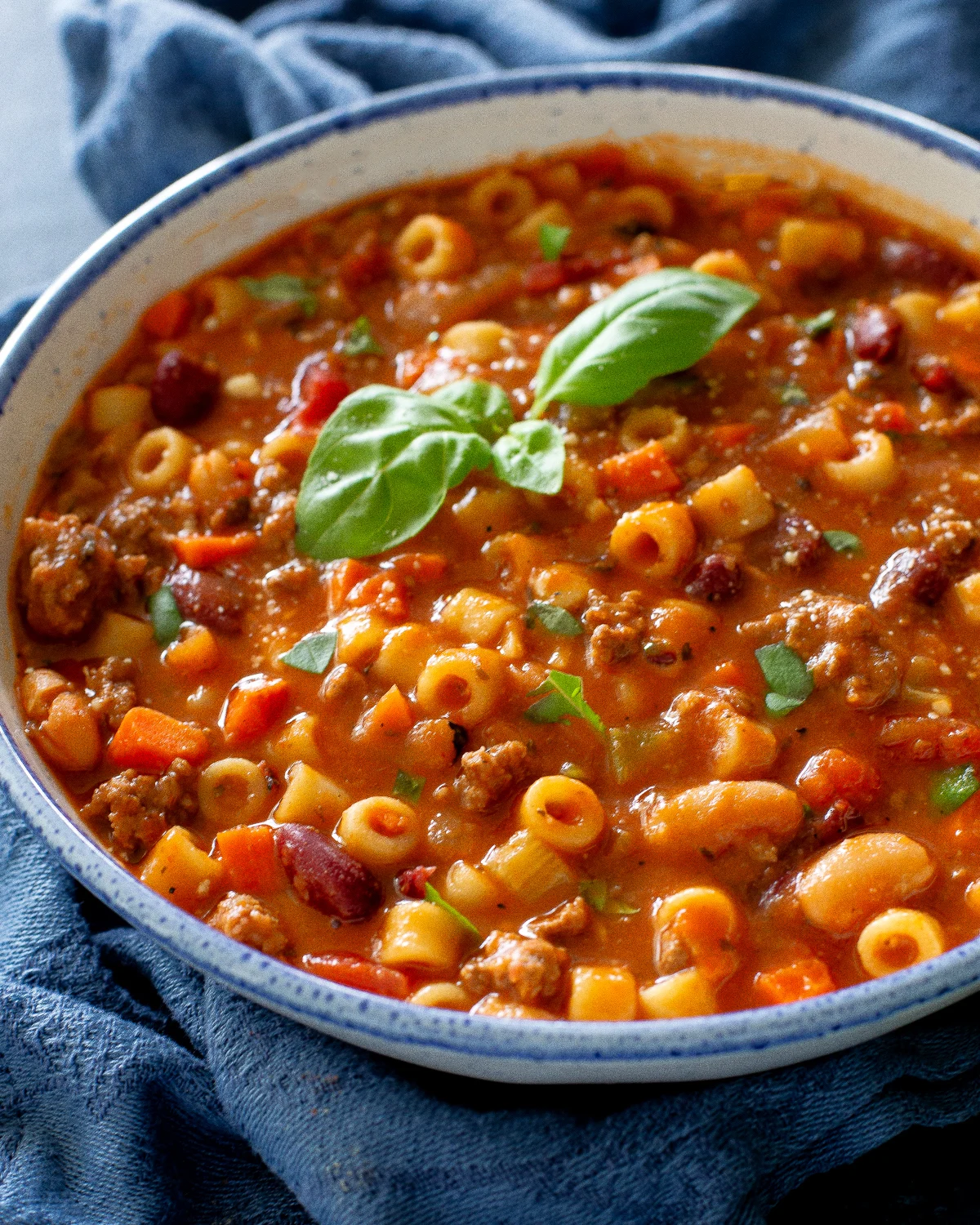
The term "Pasta e Fagioli" translates literally from Italian to "pasta and beans." Historically, the dish emerged from the cucina povera (poor kitchen) tradition of Italy, where ingredients were selected based on availability, affordability, and caloric density. In its earliest iterations, the dish was almost entirely plant-based, utilizing seasonal vegetables, legumes, and leftover pasta scraps to sustain rural populations. As the recipe migrated and adapted across different cultures and socio-economic demographics, it underwent significant modification. Modern interpretations, particularly those popular in North American culinary circles, have introduced animal proteins—most commonly ground beef—and a more aggressive use of tomato-based liquids. These additions have transitioned the dish from a simple, lean meal into a hearty, protein-rich entree that serves as a complete dinner when paired with crusty bread or salad.
Culinary Profile and Nutritional Breakdown
From a nutritional standpoint, Pasta e Fagioli offers a balanced profile that appeals to those seeking a substantial meal. A standard six-serving portion contains approximately 329 kilocalories, 21 grams of protein, and 27 grams of carbohydrates. The inclusion of kidney beans and Great Northern beans provides essential dietary fiber and plant-based protein, while the ground beef contributes iron and vitamin B12.
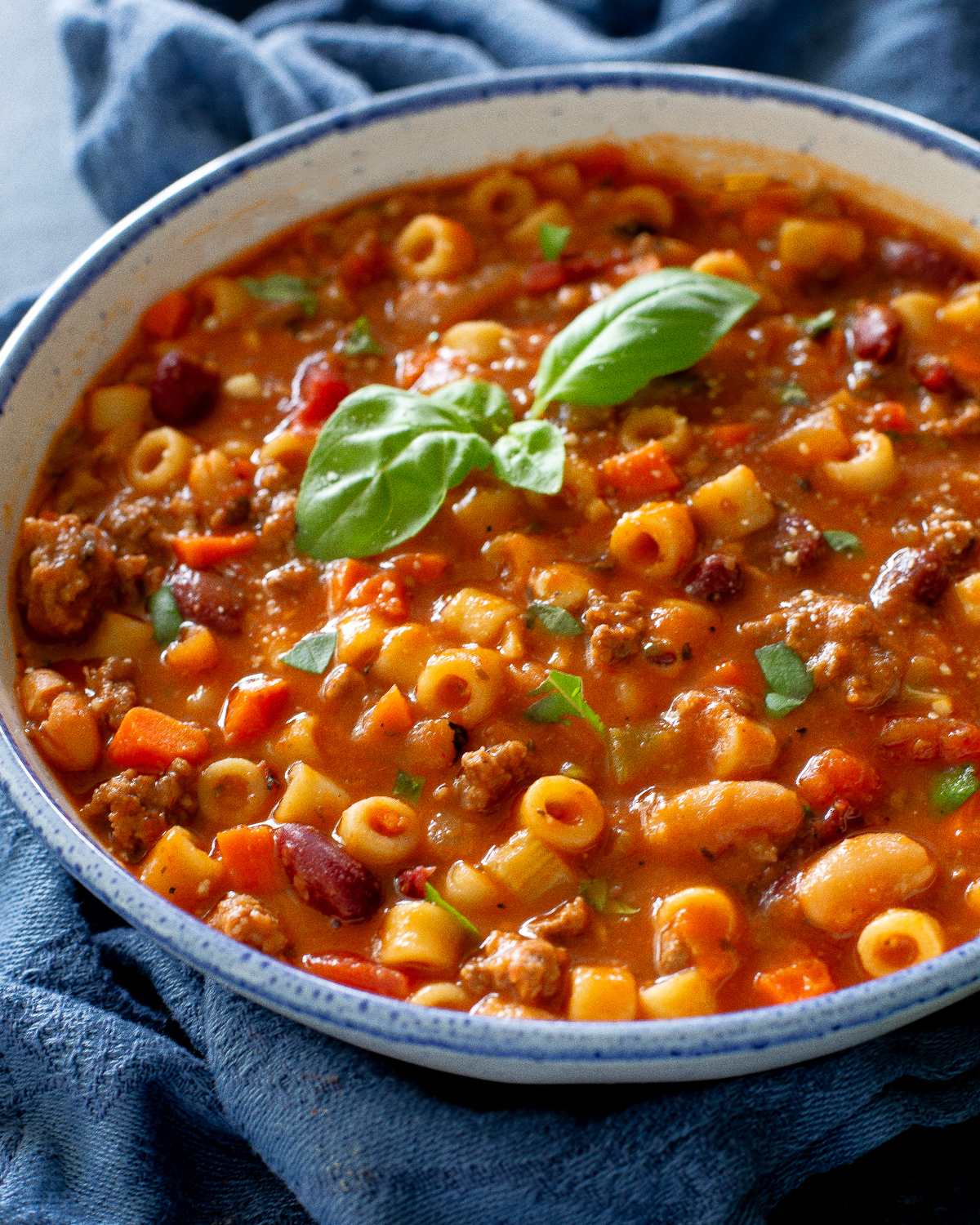
The structural integrity of the dish relies heavily on the "thick and hearty" composition. Unlike many soups that rely on thin vegetable or chicken stocks, this recipe utilizes a beef-based broth combined with tomato sauce. This base provides a deeper, savory flavor profile, or "umami," which is further enhanced by the inclusion of ditalini—a small, tubular pasta that absorbs the liquid, thickening the soup as it sits. The chemical interaction between the starch in the pasta and the tomato-based broth is a critical element in achieving the desired stew-like consistency.
Chronology of Preparation
For professional and home chefs alike, the preparation of this dish follows a standardized chronology designed to maximize flavor extraction. The process begins with the browning of the ground beef, which initiates the Maillard reaction, a chemical process that creates the complex flavor compounds necessary for the soup’s base. Once the protein is prepared, aromatics—typically onions, carrots, and celery—are sautéed to build the flavor profile. The liquids, including the beef broth and tomato-based elements, are then introduced, followed by the beans.
A critical technical consideration in the preparation involves the timing of the pasta. If the ditalini is added too early or cooked directly in the batch for an extended period, the starch over-saturates, causing the pasta to lose its structural integrity and the broth to become excessively thick. Culinary experts often recommend cooking the pasta separately and integrating it into individual servings to ensure quality control, particularly when the dish is intended for storage.
Storage, Preservation, and Safety Standards
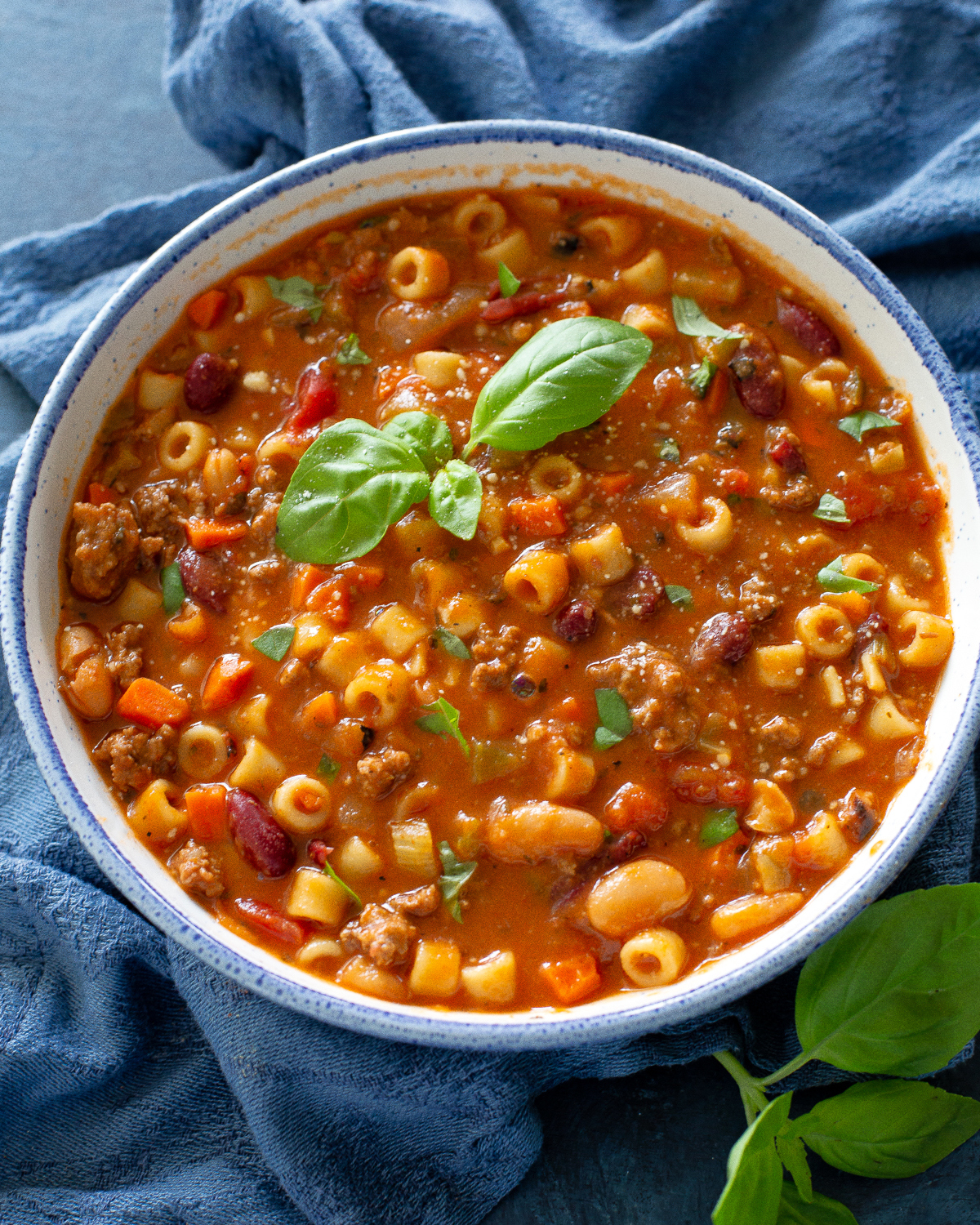
The shelf-life and food safety of Pasta e Fagioli are governed by the same principles as other meat-based stews. When stored in a sealed container, the soup is safe for consumption for up to four days under standard refrigeration (40°F or below). For long-term preservation, the dish is highly suitable for freezing, provided that specific precautions are taken.
The primary challenge in freezing this dish is the degradation of the pasta. If the soup is frozen with the pasta included, the reheating process often results in a mushy texture. To maintain professional quality during the freezing process, it is recommended that the base (beef, beans, and broth) be frozen separately from the starch. When properly stored in airtight, freezer-safe containers, the soup base can retain its flavor profile for up to three months. When reheating, it is often necessary to incorporate a small amount of additional broth or water, as the starches and proteins will continue to absorb liquid even after the initial cooking process.
Economic and Social Implications
The enduring popularity of Pasta e Fagioli in contemporary society can be attributed to its economic efficiency. As global food prices fluctuate, recipes that prioritize legumes and ground meat—ingredients that offer a high return on investment in terms of satiety and nutrition—remain in high demand. The dish acts as a social bridge, common in both high-end Italian eateries and domestic settings, representing a consistent standard of "comfort food."
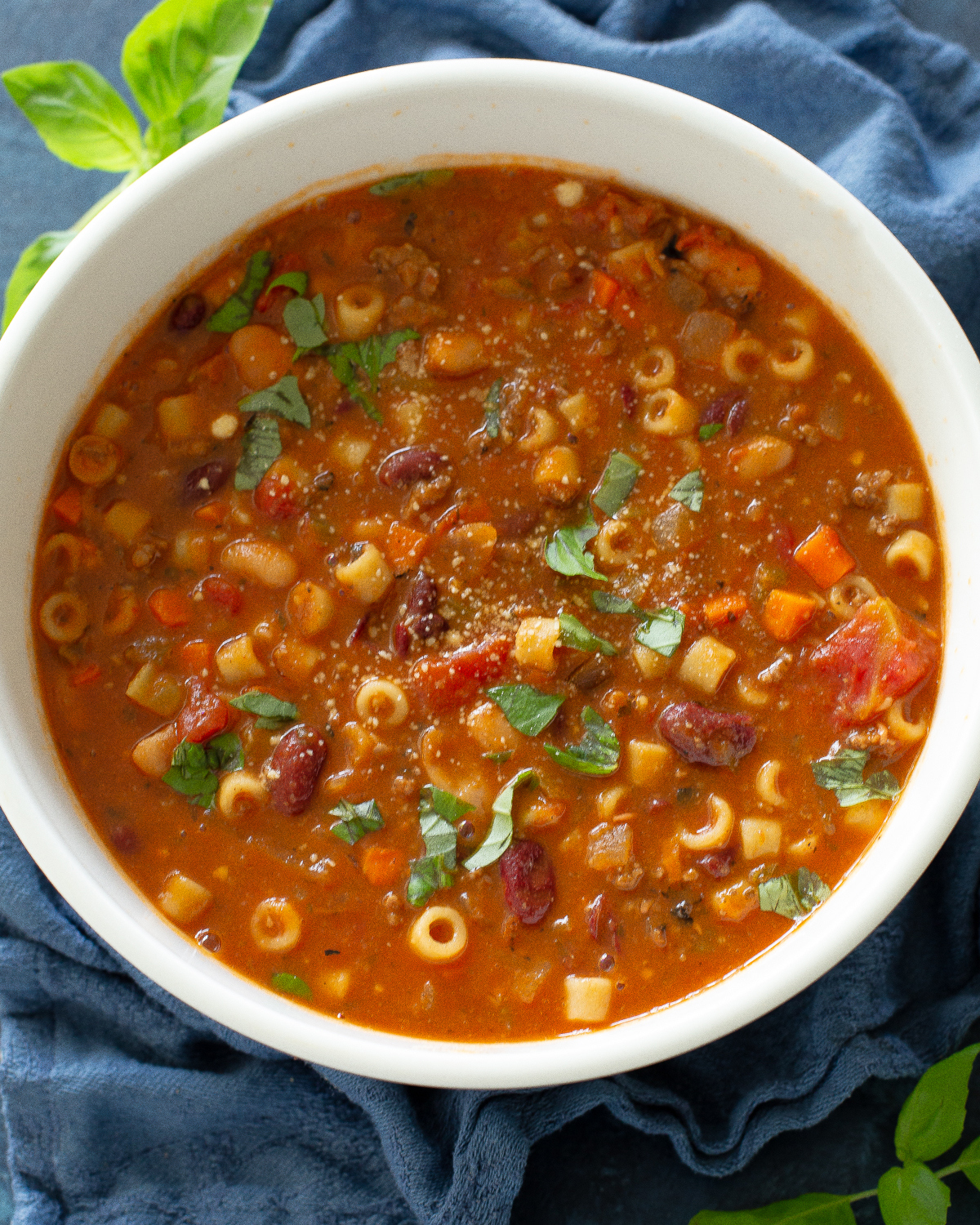
From a marketing perspective, food historians observe that the dish’s versatility allows it to remain a staple on menus throughout the autumn and winter months. The reliance on pantry-stable items, such as canned beans, dried or boxed pasta, and tomato sauce, ensures that the dish can be prepared without the need for fresh, seasonal produce, further cementing its status as a reliable "emergency" or "weeknight" meal.
Expert Analysis of Flavor Profiles
While the base recipe is consistent, the potential for variation is a key factor in its success. Chefs often experiment with the acidity of the tomato base by adjusting the volume of crushed tomatoes versus tomato paste. The inclusion of herbs—such as rosemary, thyme, or oregano—can significantly alter the regional character of the dish. Furthermore, the selection of the bean variety is not merely for aesthetics; the creamy texture of Great Northern beans provides a counterpoint to the firmer, earthier kidney bean, ensuring a varied mouthfeel in every spoonful.
As a case study in culinary evolution, Pasta e Fagioli highlights how traditional recipes retain relevance through adaptation. By shifting from a thin, peasant-style soup to a modern, meat-forward stew, the dish has successfully navigated the transition from a necessity-driven survival food to a beloved modern classic. Its continued presence in culinary literature and home kitchens underscores a fundamental truth about food culture: the most enduring recipes are those that offer both nutritional reliability and the flexibility to be tailored to individual tastes. Whether served as a standalone meal or as part of a larger banquet, the dish remains a testament to the sophistication of simple, ingredient-focused cooking.
