

Apples are a cornerstone of global culinary tradition, representing a multibillion-dollar agricultural industry that spans temperate climates across the Northern and Southern Hemispheres. While the fruit is a staple of raw consumption, the physics and chemistry of baking demand a more nuanced approach to selection. For professional and home bakers alike, the structural integrity, sugar-acid balance, and moisture content of an apple are the primary determinants of whether a recipe results in a balanced, structurally sound pastry or an unappetizing, overly moist failure.

The Science of Apple Selection: Texture and Heat Sensitivity
The fundamental challenge in baking with apples is the fruit’s response to thermal processing. Apples are composed largely of water and cellular structures held together by pectin, a complex polysaccharide that acts as a structural adhesive. When an apple is subjected to high heat, the pectin begins to break down, causing the cell walls to soften.
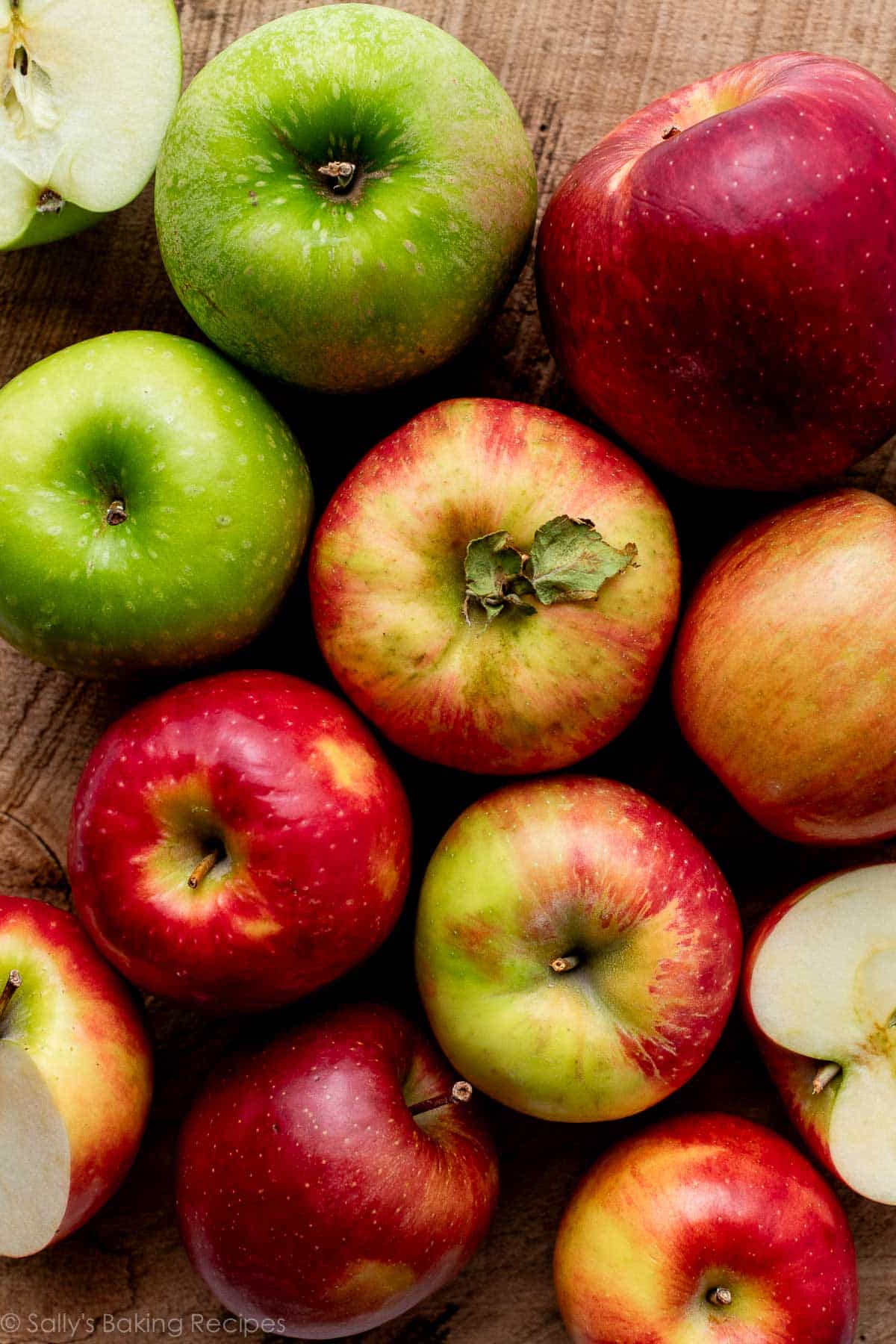
Certain varieties, such as the Red Delicious or McIntosh, possess a cellular structure that breaks down rapidly under heat, often resulting in a mealy, mushy texture. Conversely, varieties bred for density and firm cellular walls—most notably the Granny Smith—retain their shape during the baking process.
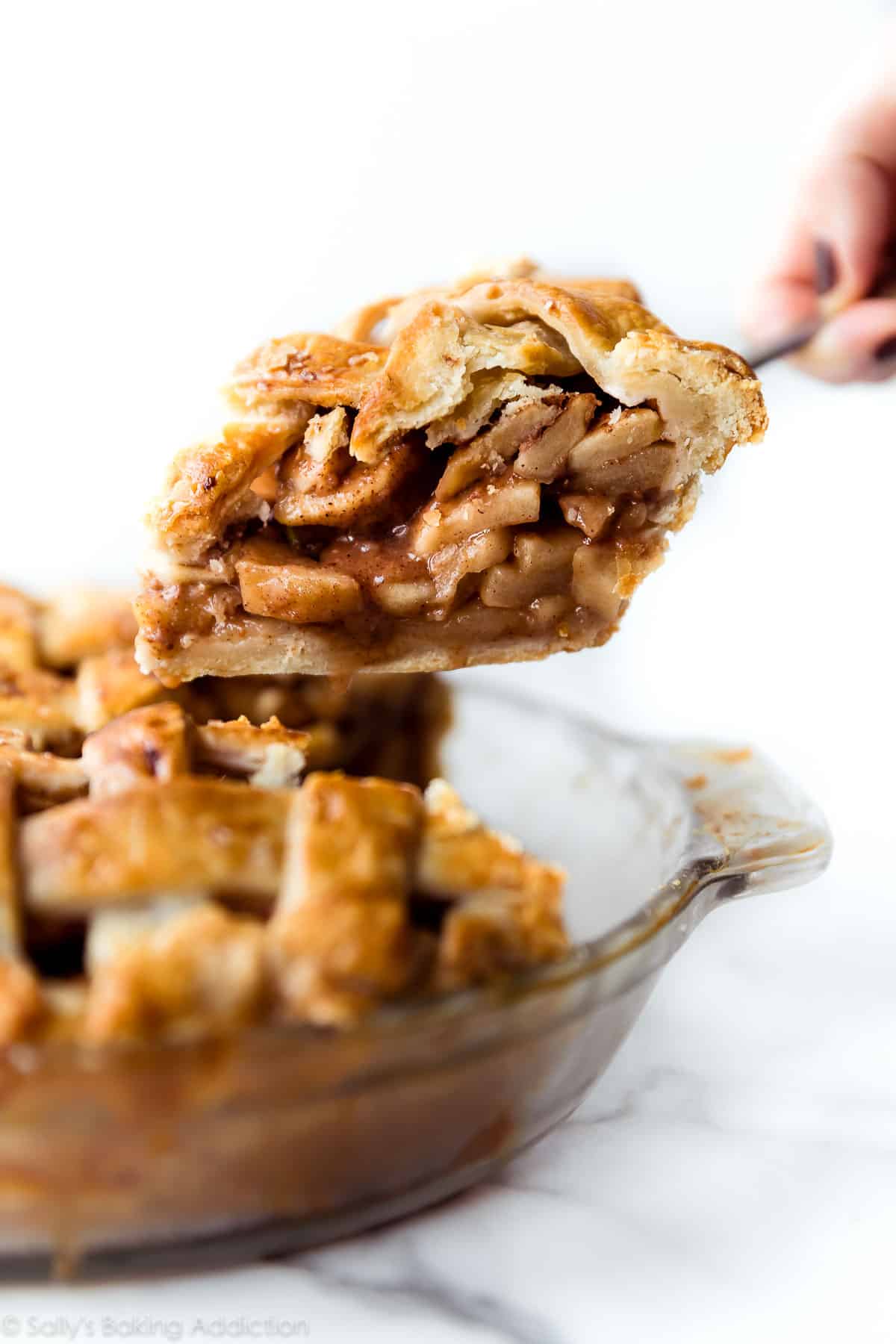
According to horticultural data, the ideal baking apple must possess a high acidity level to counteract the sugar added during the baking process. This prevents the final product from becoming cloying. Furthermore, the "crispness" of a raw apple is a strong indicator of its starch-to-sugar ratio and the thickness of its cell walls, both of which are critical for maintaining texture in a pie or cobbler.
Chronology of Culinary Adoption
The history of apple cultivation for baking dates back to the development of specific cultivars designed for culinary rather than fresh-eating purposes. Throughout the 19th and 20th centuries, agricultural scientists focused on breeding apples that could withstand long-term storage and high-temperature cooking.
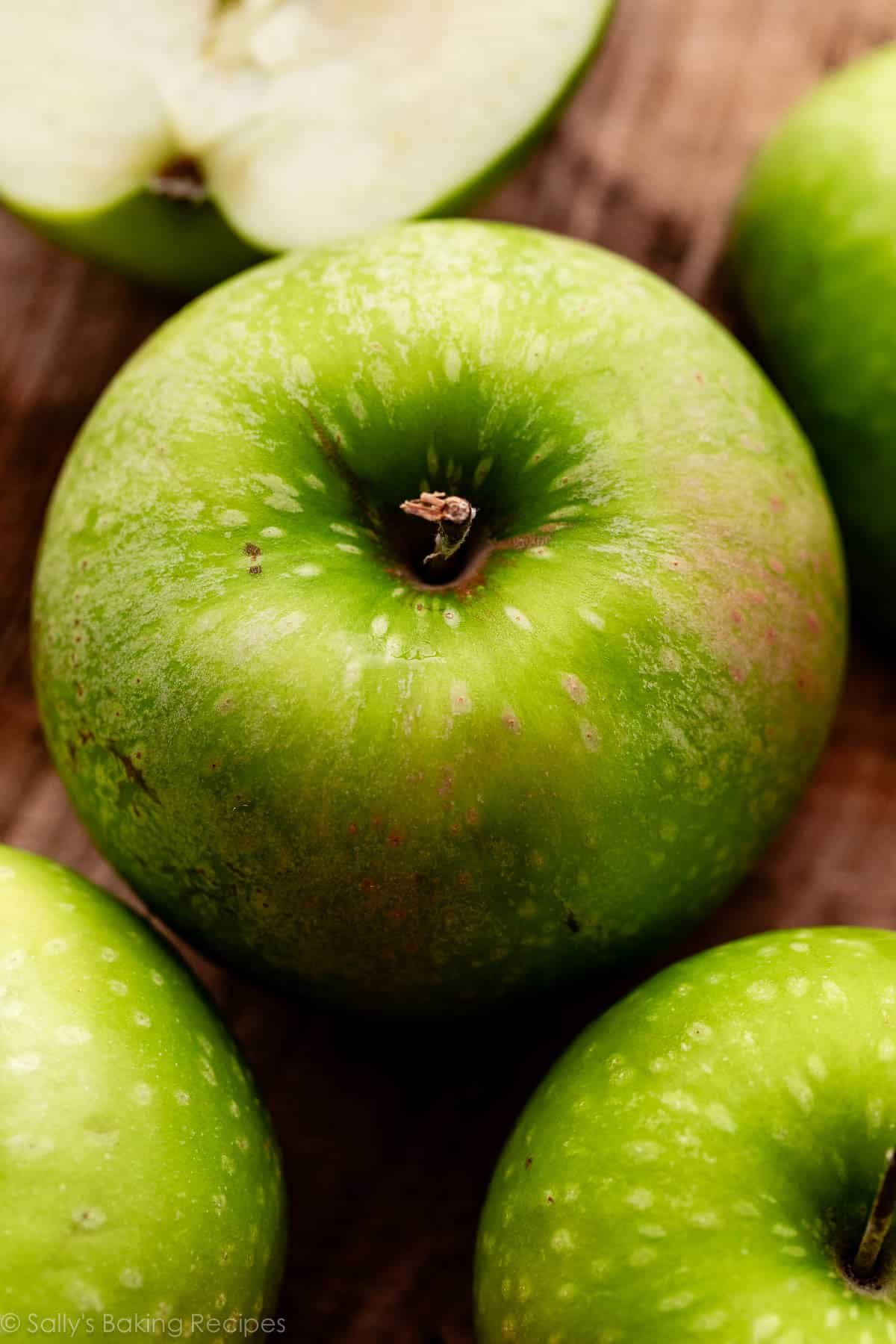
The Granny Smith, discovered in Australia in 1868, revolutionized the industry. Because of its high acidity and firm texture, it became the gold standard for pie baking by the mid-20th century. In more recent decades, the introduction of proprietary varieties like the Honeycrisp (developed by the University of Minnesota and released in 1991) has shifted consumer expectations. The Honeycrisp, characterized by larger, more fragile cells that rupture upon biting, has become a high-demand commodity, though bakers must balance its sweetness with more acidic counterparts.
Taxonomic Breakdown of Top Baking Varieties
Culinary experts and food scientists categorize apples into three functional groups based on their behavior in the oven:
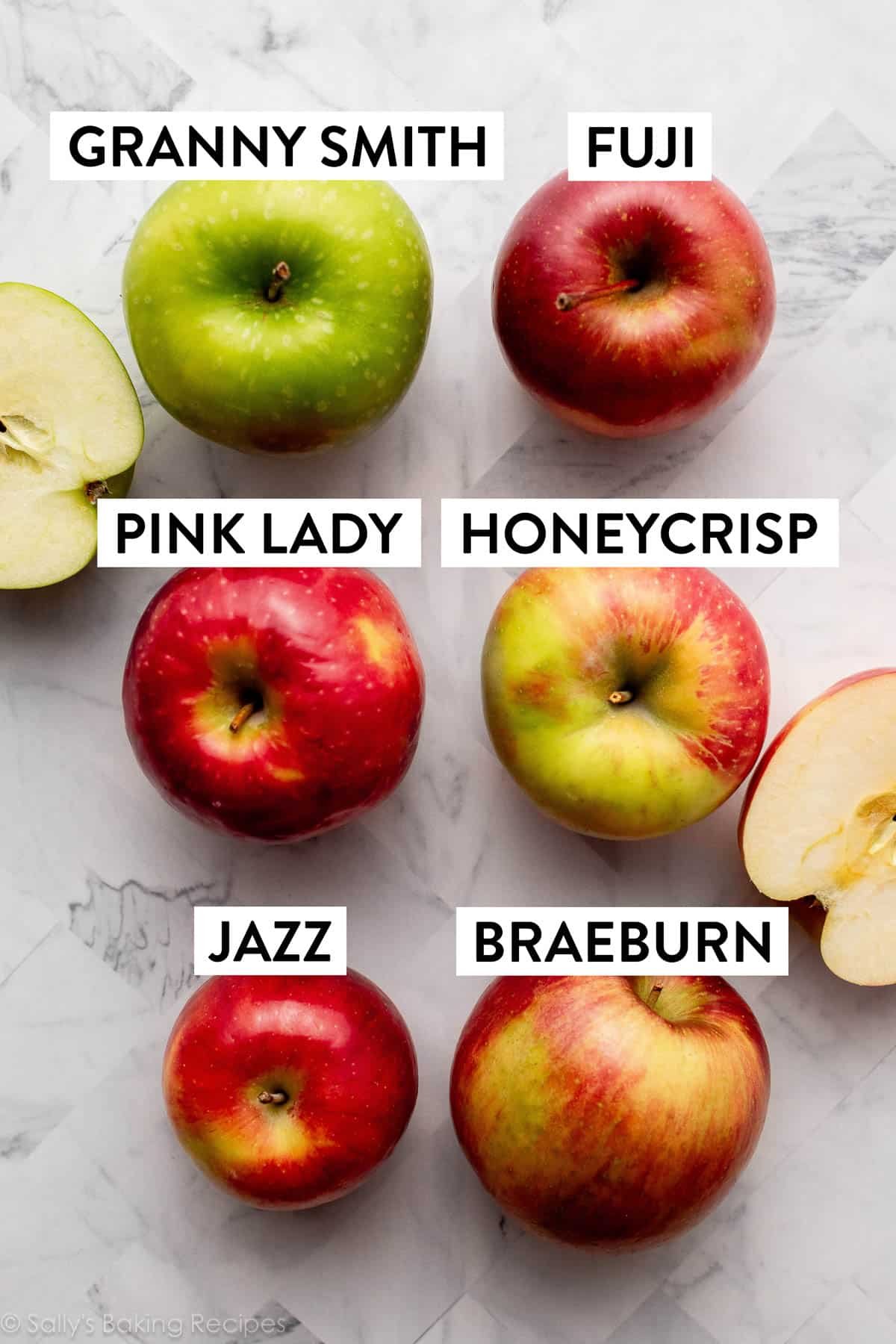
- The Structural Anchors: These are the workhorses of the bakery. Varieties like the Granny Smith and the Braeburn are renowned for their ability to maintain shape. They are high in acid, which provides the necessary "bite" to cut through fats in pastry crusts and heavy batters.
- The Sweet-Tart Balancers: Varieties such as the Pink Lady (Cripps Pink) and the Jazz apple provide a bridge between the sharp acidity of a Granny Smith and the mellow sweetness of a Gala. These are often used in combination with firmer apples to provide a more complex flavor profile.
- The Flavor Enhancers: These include varieties like the Honeycrisp or Fuji. While they can be soft if baked for too long, their high sugar content and aromatic properties add a depth of flavor that is essential for high-end desserts.
Data-Driven Approaches to Ingredient Blending
Industry professionals often advocate for a "blending strategy" to optimize flavor and texture. By combining a structural apple (e.g., Granny Smith) with a flavor-dense apple (e.g., Honeycrisp), bakers can achieve a consistent result.

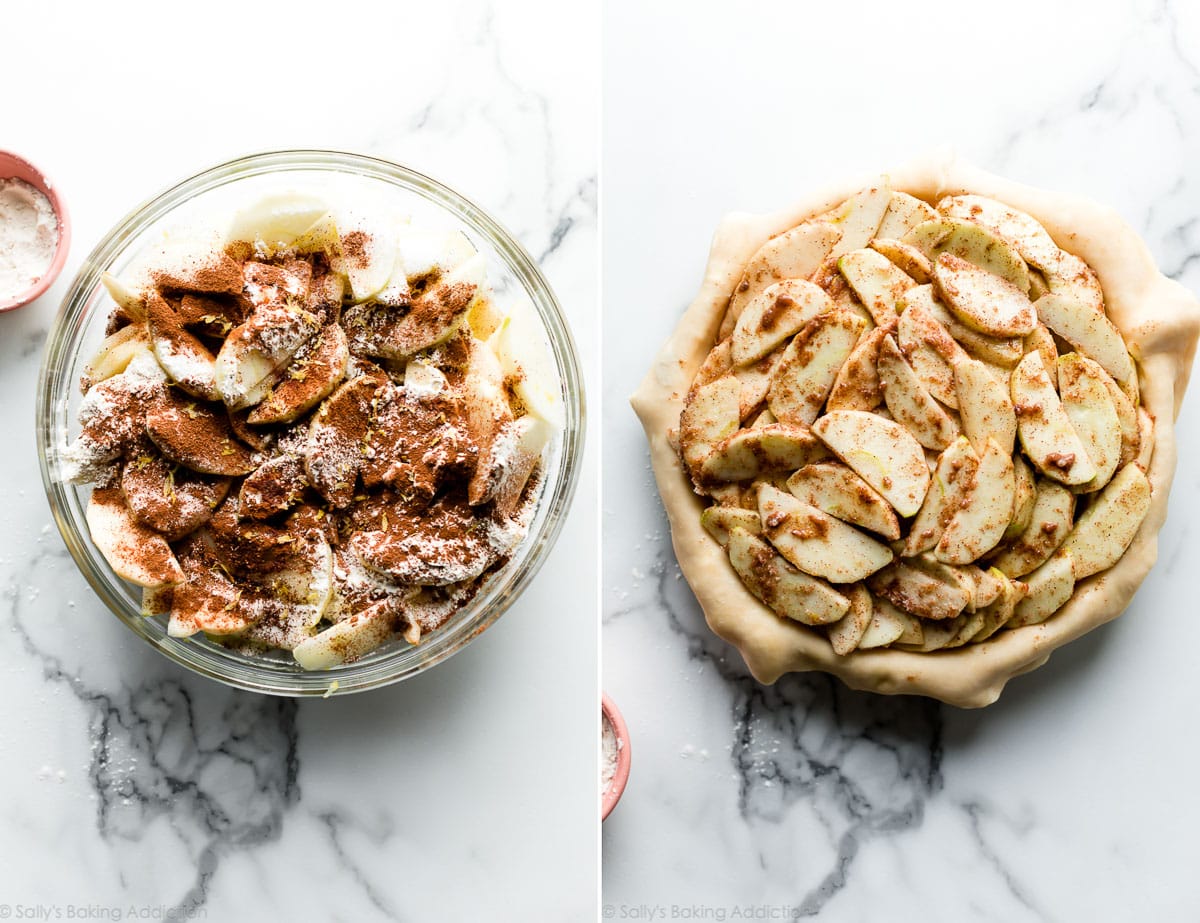
Data from professional test kitchens suggest that a 50/50 ratio by weight is the most effective way to ensure that a pie or cobbler does not collapse while still maintaining the nuanced sweetness expected by consumers. Furthermore, the preparation method—specifically the size of the cuts—is a critical variable. Slices approximately 1/4 inch thick are considered the standard for pies, as this thickness allows for even heat distribution, preventing the outer edges of the apple from turning to sauce before the center is cooked through.

Industry Implications and Market Trends
The demand for "baking-specific" apples has spurred new marketing efforts within the agricultural sector. Retailers have begun to group apples in stores not just by variety, but by "culinary use," labeling displays as "Best for Baking" or "Best for Snacking."
This shift in marketing reflects a broader trend toward consumer education in the food industry. As home cooking saw a significant resurgence during the early 2020s, the demand for high-quality, specialized ingredients increased. Growers have responded by investing in varieties that are specifically engineered for home baking, focusing on disease resistance, longer shelf life, and, most importantly, consistent performance in high-heat environments.
Technical Prep and Best Practices
Professional kitchens emphasize standardized preparation techniques to ensure consistency. The use of mechanical peelers is standard in commercial settings to ensure uniform removal of the skin, which can become tough if left on during long baking cycles.

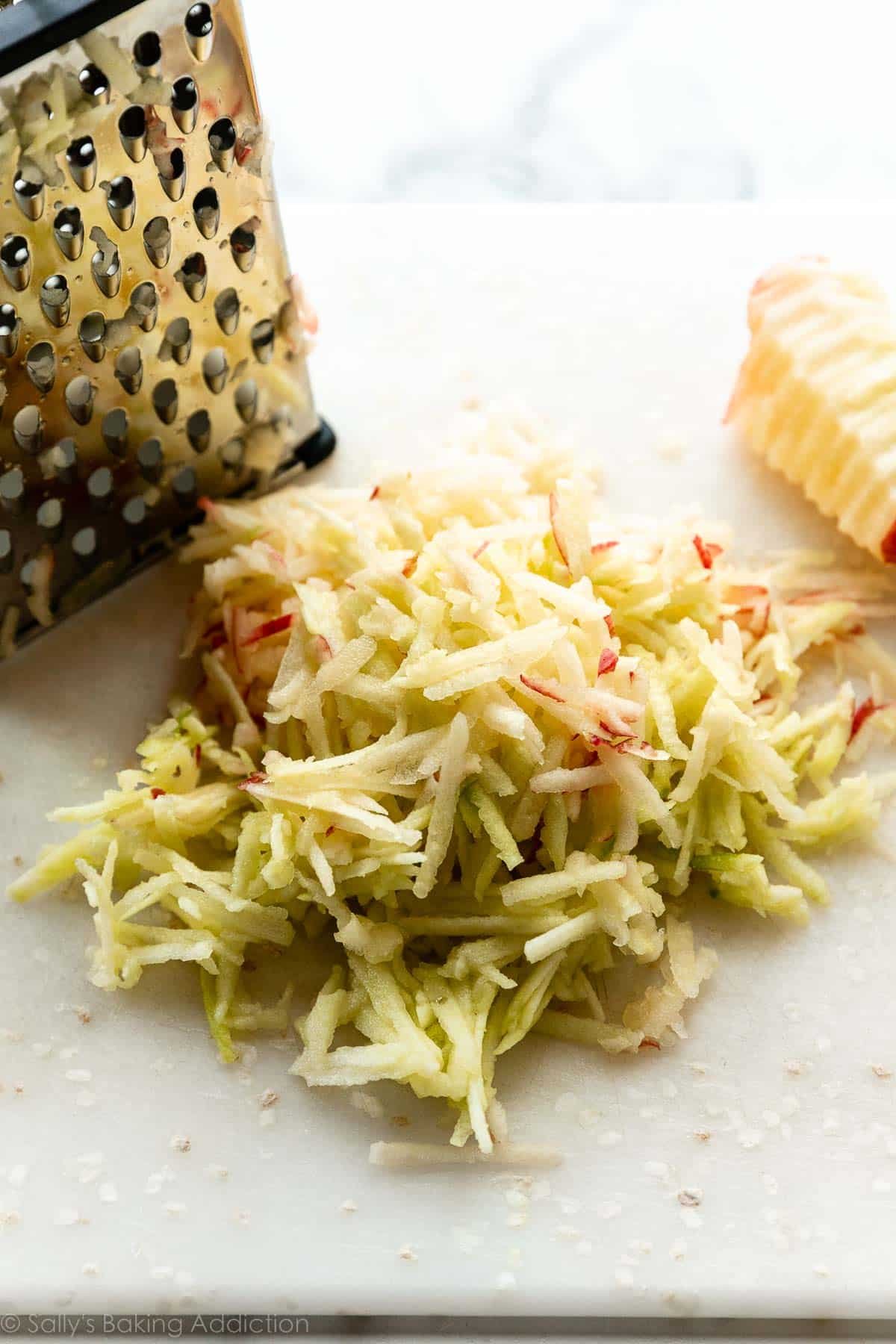
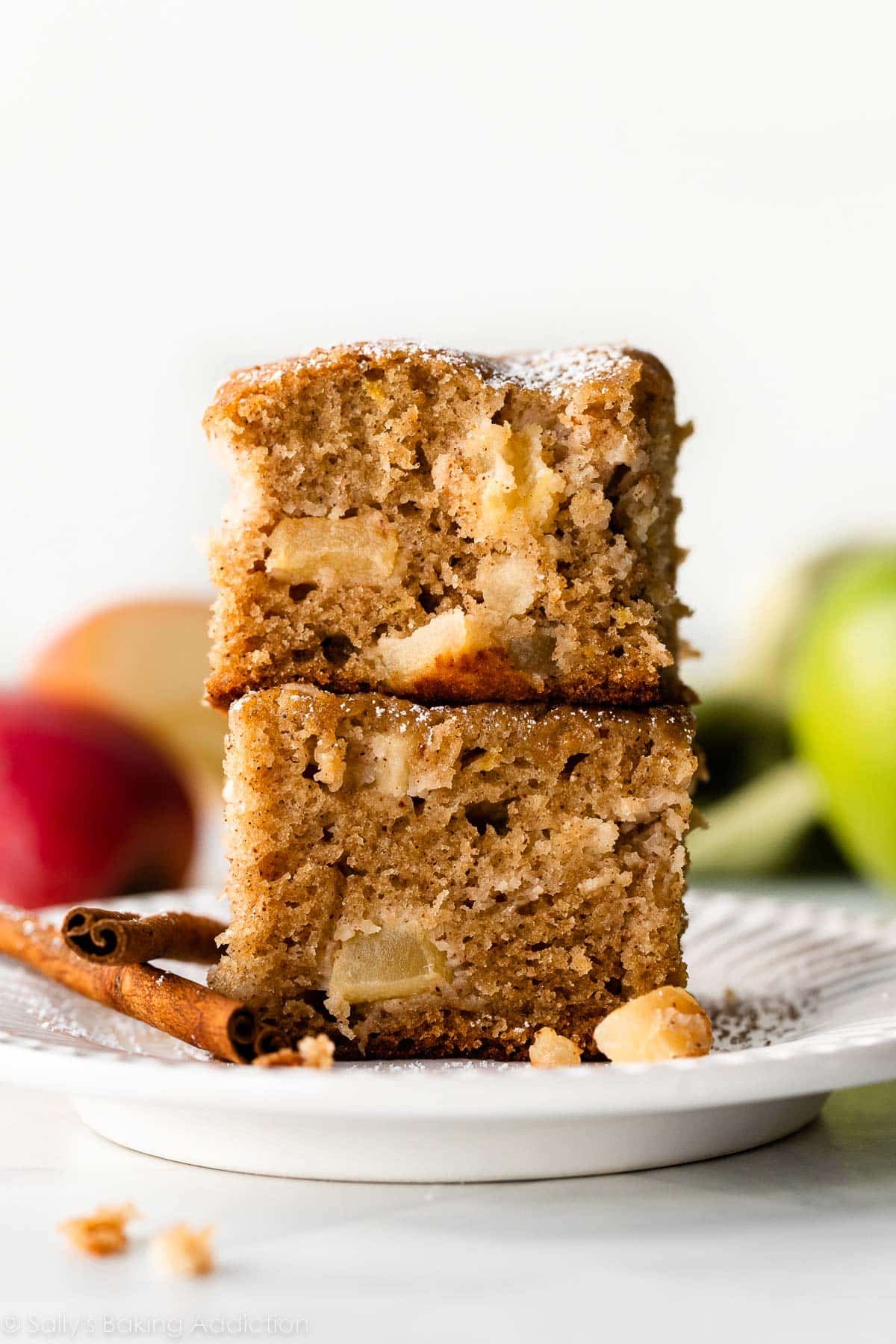
However, for recipes involving shredded apples—such as muffins or quick breads—the use of a box grater is preferred. Shredding increases the surface area of the apple, allowing its moisture to be evenly distributed throughout the batter. This is a critical factor in achieving the "moist" crumb characteristic of high-quality baked goods.
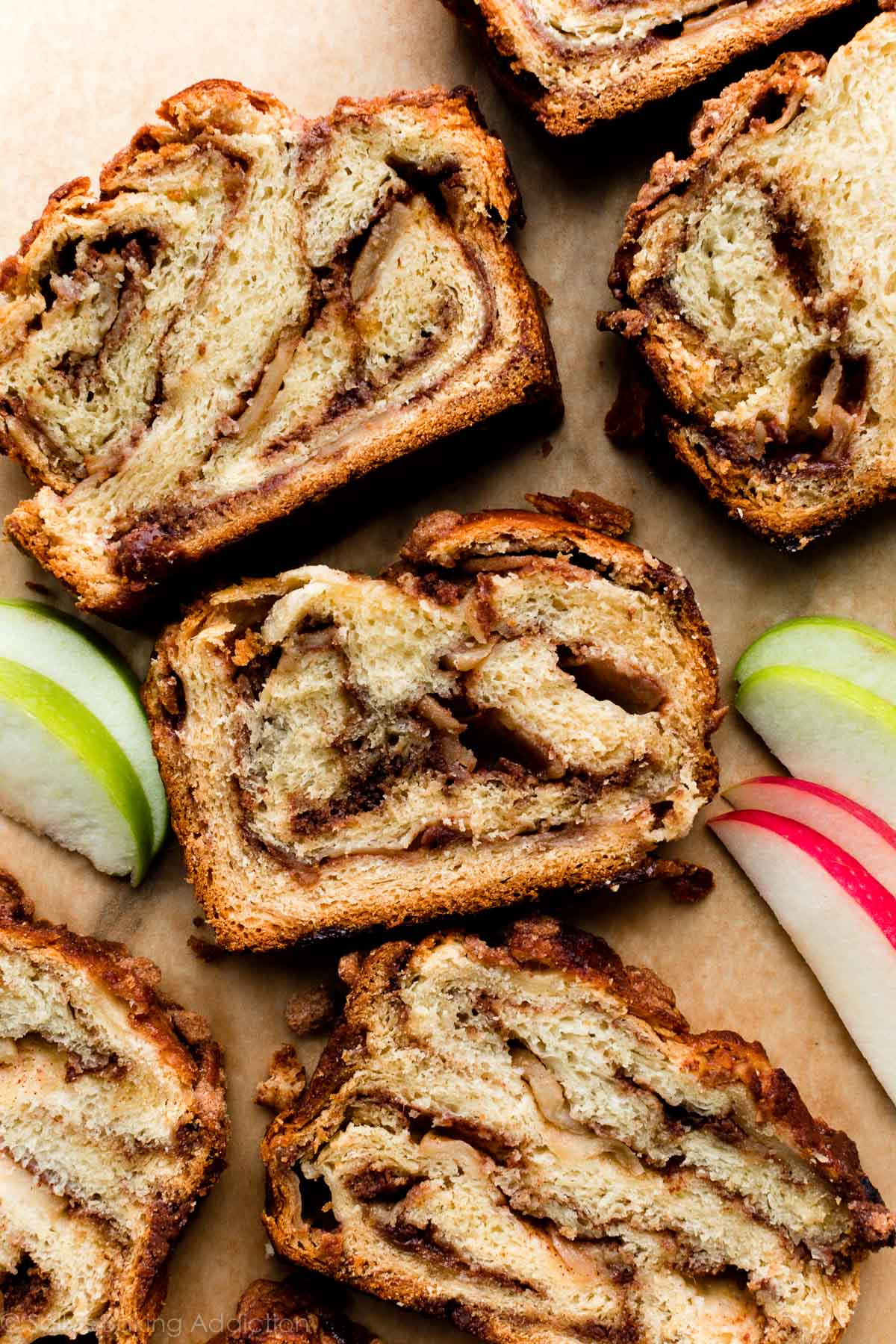
Furthermore, bakers are cautioned against using apples that are past their peak. While the sugar content might be higher in an over-ripe apple, the enzymatic degradation of the fruit’s structure means that it will inevitably turn to mush, regardless of the variety. Proper storage, typically in cool, dark, and humid conditions, is essential to maintaining the structural integrity of the fruit until it reaches the oven.
Conclusion: The Future of Apple Cultivation
As climate patterns shift, the agricultural sector is focusing on developing new cultivars that can maintain their firmness and acidity in warmer growing seasons. The future of apple baking will likely involve a wider variety of hybrid fruits that offer both the structural reliability of legacy apples and the complex flavor profiles of modern varieties.
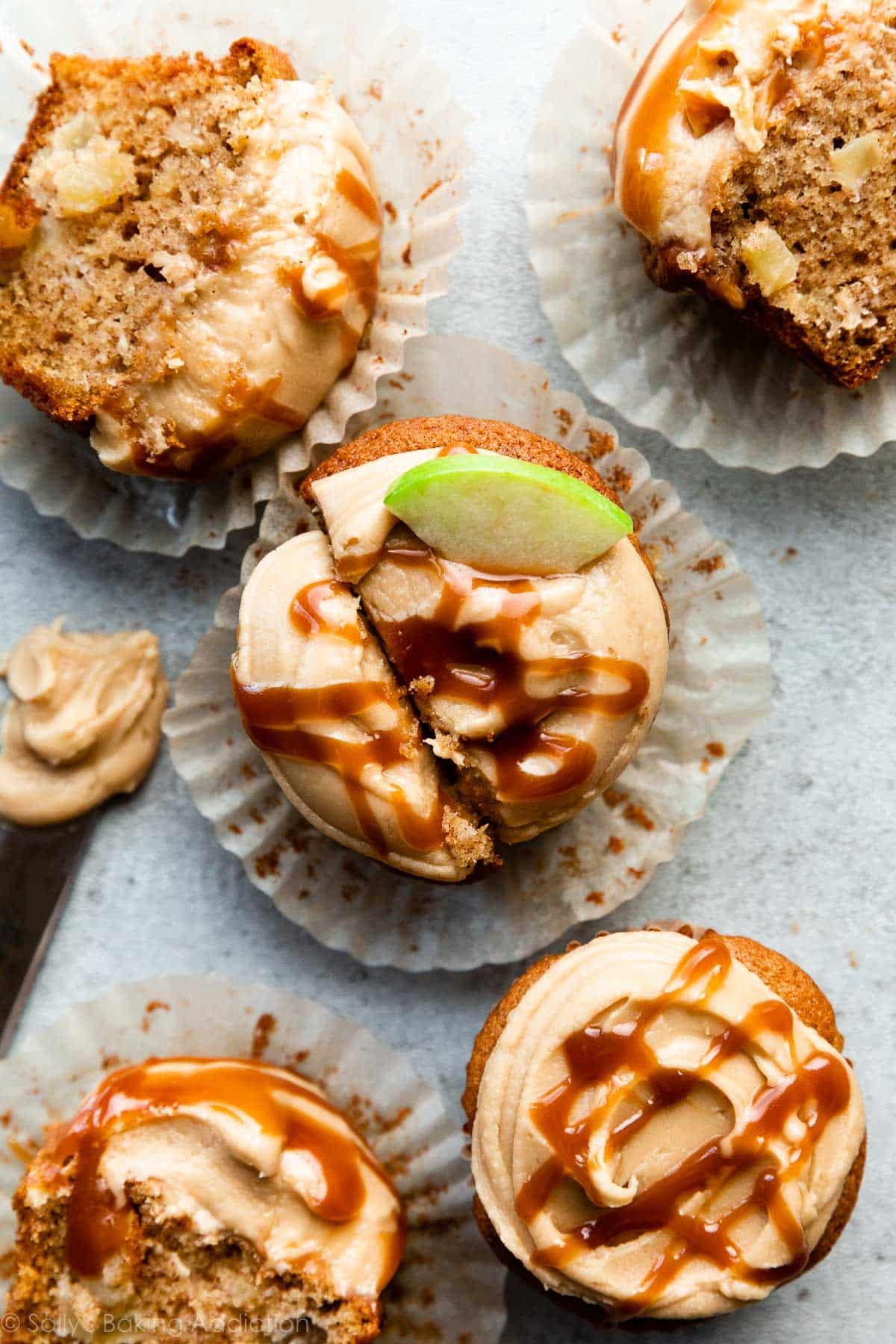
For the modern baker, the takeaway remains clear: success is rarely the result of a single, "magic" ingredient. Instead, it is the result of understanding the fundamental characteristics of the fruit, the physics of heat transfer, and the intentional selection of varieties that complement each other. By moving away from a single-variety approach and embracing a calculated mix of structural and flavor-forward apples, bakers can elevate their products, ensuring consistency, texture, and a superior flavor profile that stands up to the rigors of the oven. Whether producing small-batch muffins or large-scale pies, the underlying principles of chemistry and structural integrity remain the guiding light for successful results.
