
The Evolution of the Creamed Corn Culinary Tradition
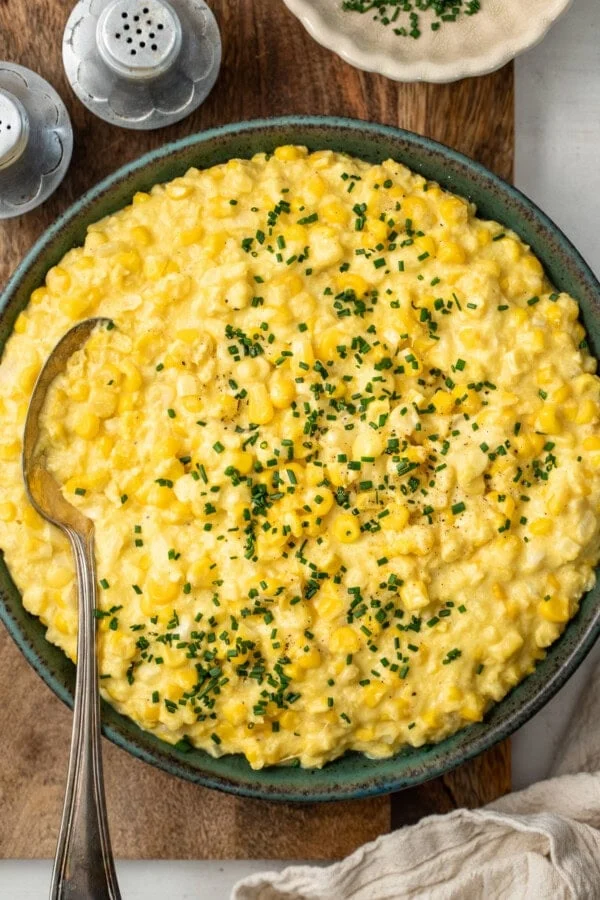
Creamed corn has long been a fixture in North American cuisine, particularly within the context of Thanksgiving dinners and traditional barbecue spreads. Historically, the dish relied heavily on the reduction of heavy cream or the introduction of a flour-based roux to achieve its signature consistency. These methods, while effective for texture, often result in a side dish that is calorie-dense and heavy, sometimes masking the natural sweetness of the corn itself.
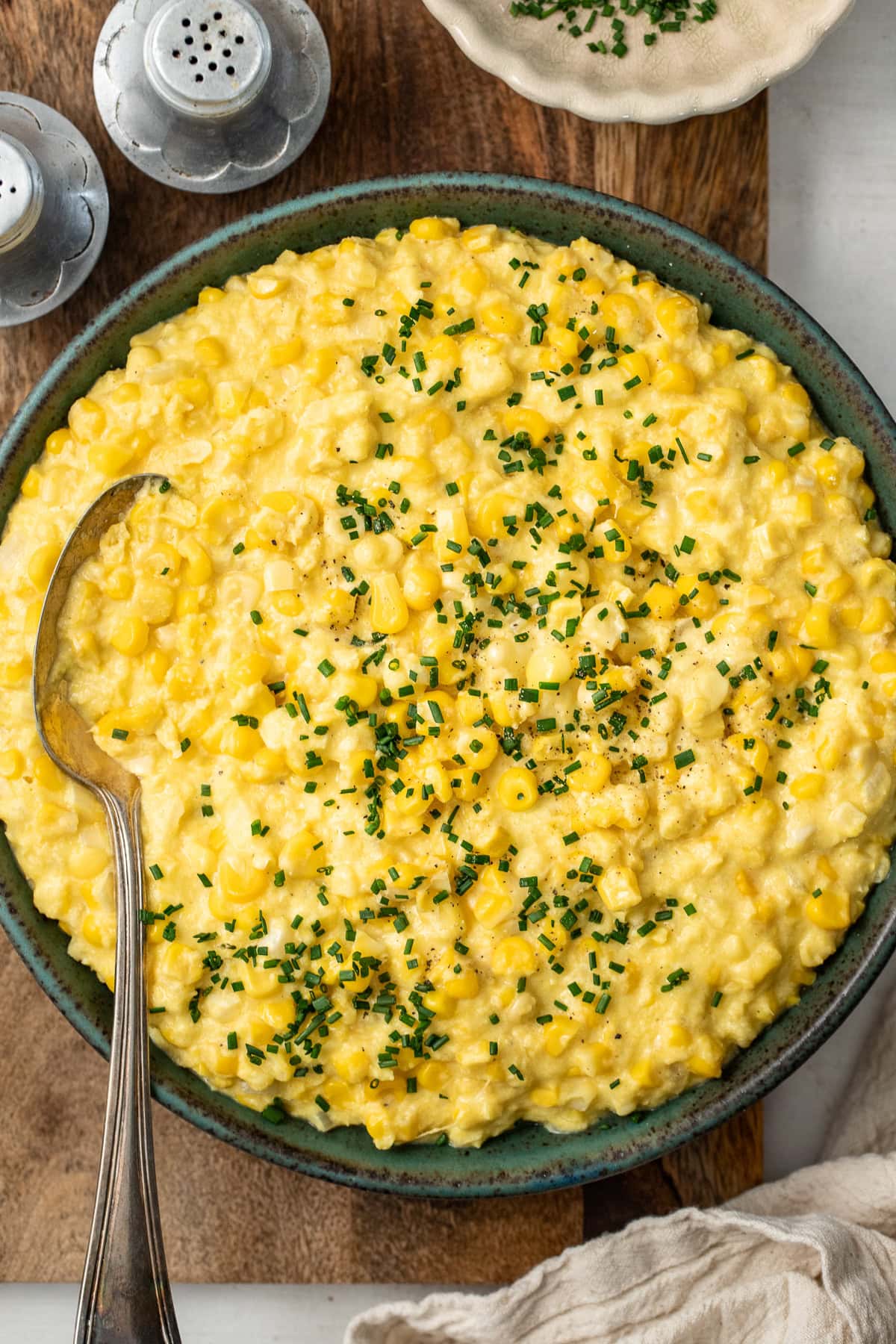
The shift toward lighter versions of this dish reflects a broader movement in food science and home nutrition. By replacing heavy cream with a mixture of milk and reduced-fat cream cheese, home cooks can achieve a emulsified sauce that maintains structural integrity under heat. Furthermore, the practice of blending a portion of the corn kernels directly into the sauce serves as a natural thickening agent, providing the desired "creamy" mouthfeel through pureed vegetable starch rather than processed additives.
Ingredient Composition and Nutritional Profile
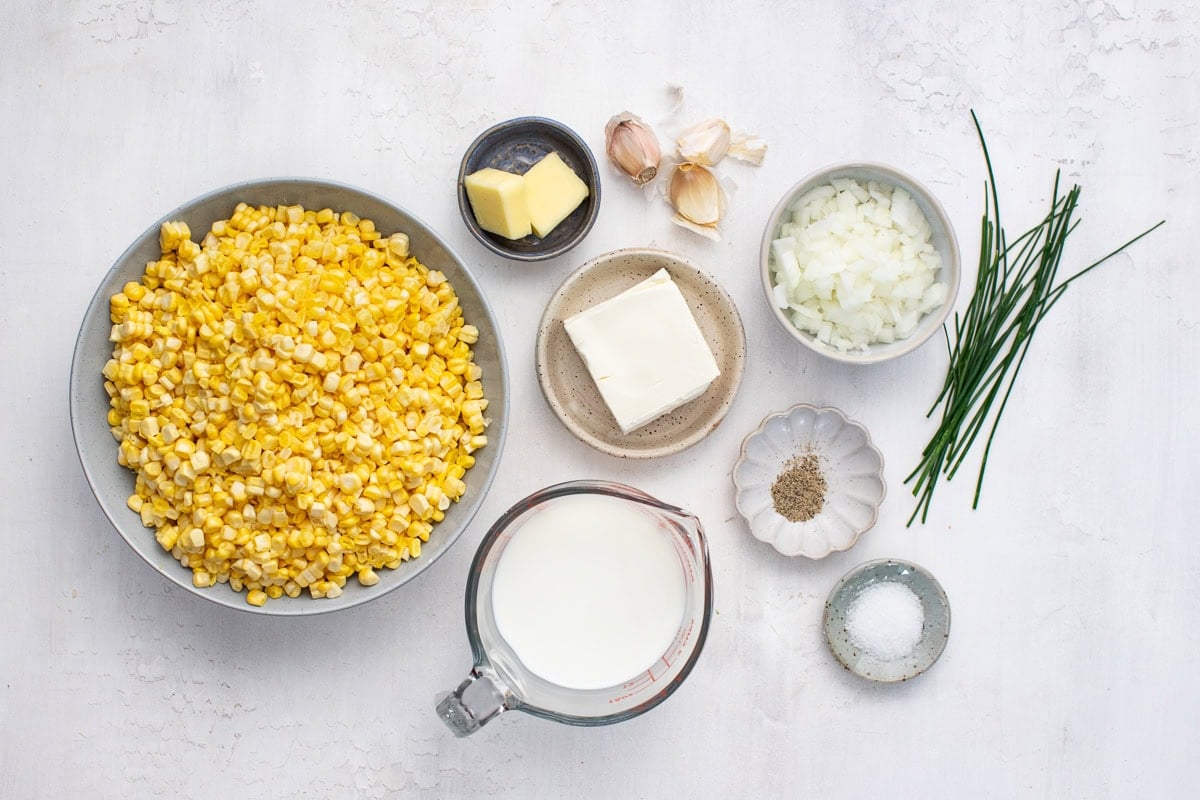
The structural success of this recipe relies on a precise balance of chemical components. The corn, when pureed, releases natural sugars and starches that thicken the milk base. The addition of reduced-fat cream cheese acts as a stabilizer, preventing the milk from curdling during the simmering process and providing a tangy contrast to the sweetness of the corn.
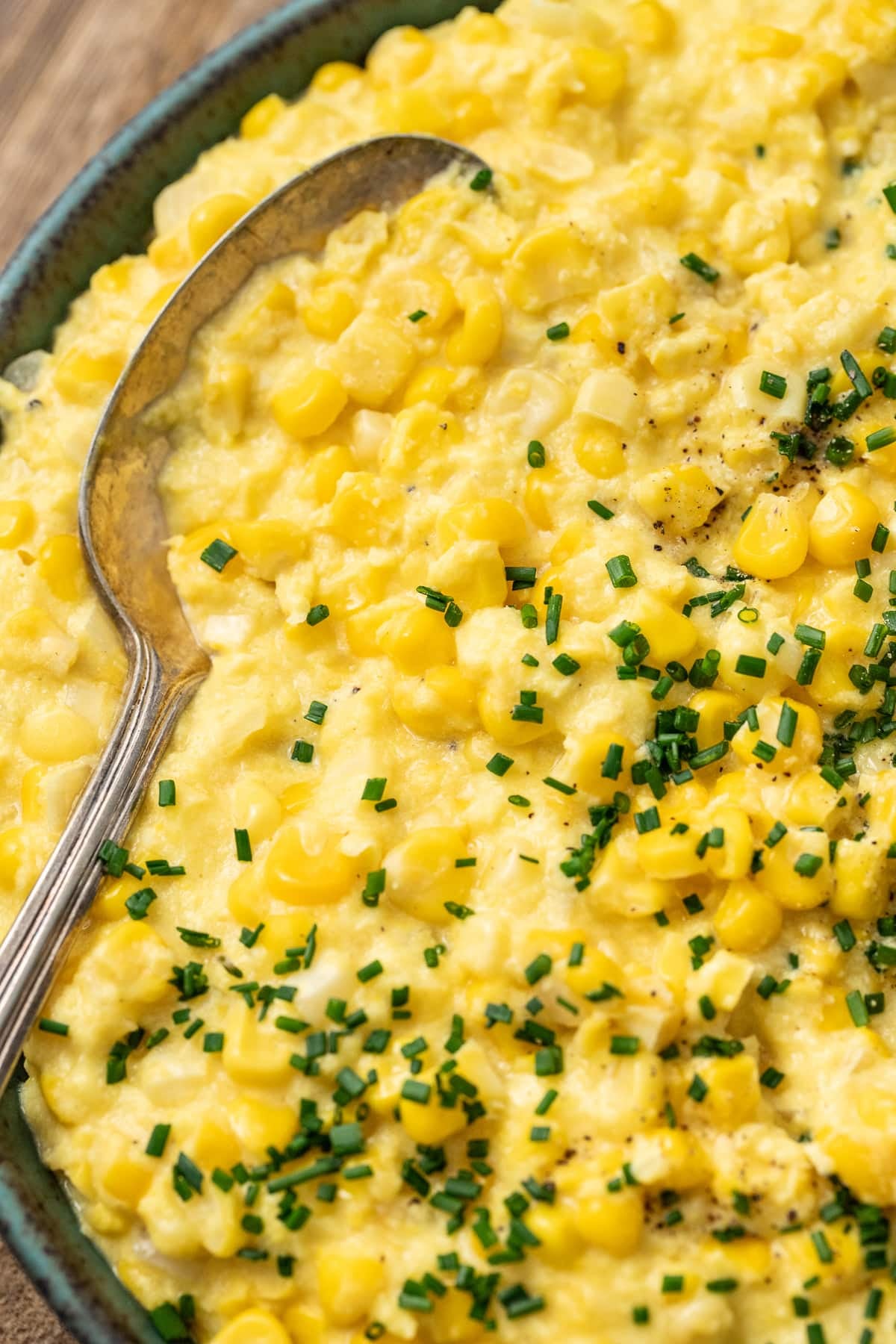
Nutritional analysis of this preparation indicates a significant departure from standard restaurant or canned versions. A standard three-quarter cup serving contains approximately 229 calories, with 8 grams of protein and 4 grams of fiber. This profile makes it a viable candidate for inclusion in a balanced meal, providing essential macronutrients while keeping sodium levels—often a point of concern in canned creamed corn—strictly regulated. The absence of flour also renders the dish naturally gluten-free, addressing the dietary requirements of a growing segment of the population with gluten sensitivities or celiac disease.
Methodology and Culinary Technique
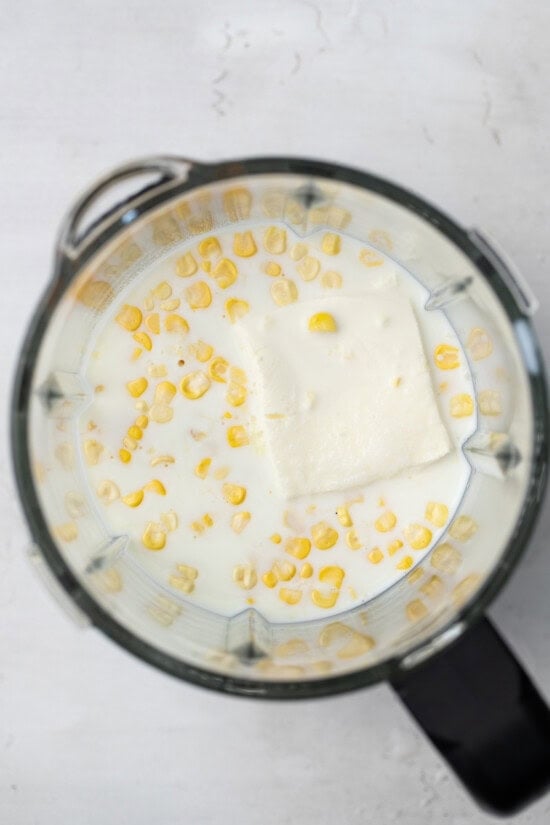
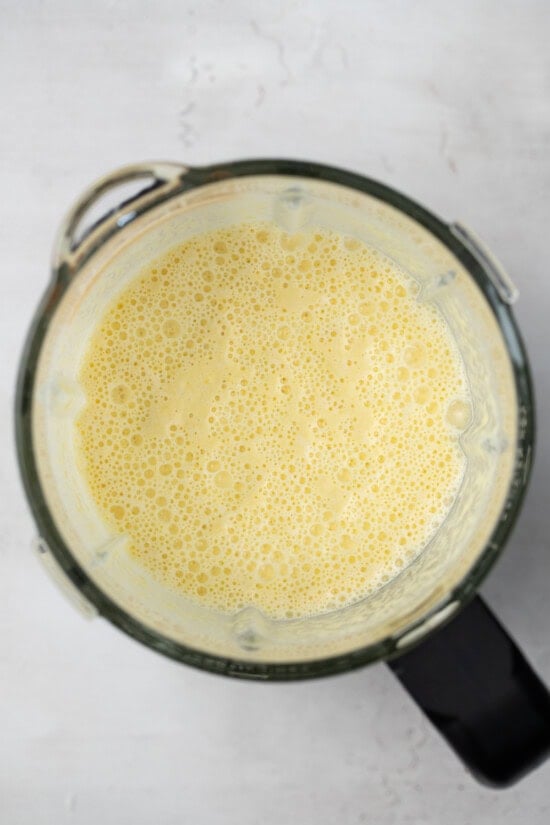
The preparation of this dish involves a two-stage culinary process. First, a portion of the corn kernels is combined with milk and cream cheese in a blender. This high-speed emulsification process ensures a uniform base. Second, this mixture is transferred to a saucepan to be folded into the remaining whole kernels, which have been sautéed with aromatics such as onion and garlic.

The use of a gentle, low-heat simmer is essential to the success of the dish. High heat can cause the dairy proteins to separate or the natural sugars in the corn to caramelize too rapidly, leading to a burnt flavor. By maintaining a steady, low temperature, the cook allows the starch from the pureed corn to hydrate and bind with the dairy, creating a cohesive, velvety sauce that clings to the whole kernels.
Market Context and Consumer Demand
The rise in popularity of such recipes is symptomatic of a larger consumer shift toward "conscious comfort food." Data from recent food industry reports suggest that consumers are increasingly looking for ways to replicate restaurant-quality experiences at home. The ability to utilize frozen corn—which is flash-frozen at the peak of ripeness—means that this dish is not limited by seasonal availability. This has allowed it to transcend its traditional association with late-summer harvests and become a year-round pantry staple.

Food bloggers and culinary influencers have noted that the "homemade" movement is driven by a desire for ingredient transparency. When consumers prepare creamed corn from scratch, they eliminate the preservatives and high-fructose corn syrup often found in canned versions. This aligns with broader public health initiatives aimed at reducing the intake of ultra-processed foods.
Broader Culinary Implications
The implications of this recipe extend beyond the individual kitchen. As households move toward these simplified, whole-food recipes, the reliance on pre-packaged, shelf-stable side dishes may continue to decline. This creates a feedback loop in the grocery industry, where demand for fresh and frozen produce is consistently outpacing demand for processed canned goods.
Furthermore, the versatility of this recipe allows for significant culinary experimentation. While the base is standardized, the inclusion of aromatics like shallots, fresh chives, or even a hint of smoky paprika can adapt the dish to different regional flavor profiles. This adaptability is key to the recipe’s longevity in the digital age, where social media platforms prioritize content that is both visually appealing and easily customizable for the end user.
Strategic Serving and Pairings
Professional culinary standards recommend serving this dish as a counterpoint to proteins with strong, savory profiles. For instance, the inherent sweetness of the corn complements the acidity and salt of a dry-brined turkey or the char of an air-fryer steak. When incorporated into a holiday menu, its texture provides a necessary contrast to drier dishes like roasted root vegetables or stuffing.
For those looking to scale the recipe, culinary experts note that the proportions remain consistent regardless of volume, provided the ratio of pureed-to-whole kernels is maintained. This makes it an ideal dish for large-scale entertaining, where the ability to prepare the base in advance and reheat it gently on the stovetop offers significant logistical advantages.
Addressing Common Culinary Queries
Public interest in this dish has sparked a series of common questions regarding its preparation. Most notably, the question of whether canned corn can be substituted remains a point of debate. While technically possible, culinary consensus favors fresh or frozen corn due to the moisture content and structural integrity of the kernels. Canned corn often undergoes a processing method that makes the kernels overly soft, which detracts from the contrast between the creamy sauce and the "pop" of the whole corn.
Regarding the "creamy" aspect, many home cooks express concern over the potential for the dish to become overly heavy. However, the reliance on milk—rather than heavy cream—ensures a lighter result. The use of reduced-fat cream cheese is a strategic choice, providing enough fat to create a mouthfeel of richness without the excessive caloric burden associated with heavy whipping cream.
Final Assessment of the Dish
As a staple of modern home cooking, this refined take on creamed corn stands as a testament to the effectiveness of ingredient substitution in achieving better health outcomes without compromising on flavor. By focusing on the intrinsic qualities of the corn and using dairy as a textural binder rather than a primary flavor carrier, the recipe achieves a level of sophistication that is often missing from traditional, heavier iterations. It represents a successful intersection of historical culinary tradition and contemporary nutritional awareness, securing its place as a reliable, nutritious, and crowd-pleasing addition to the modern repertoire. Whether integrated into a weeknight meal or a formal holiday gathering, the dish remains a reliable example of how simple, accessible ingredients can be elevated through proper technique and mindful preparation.
