
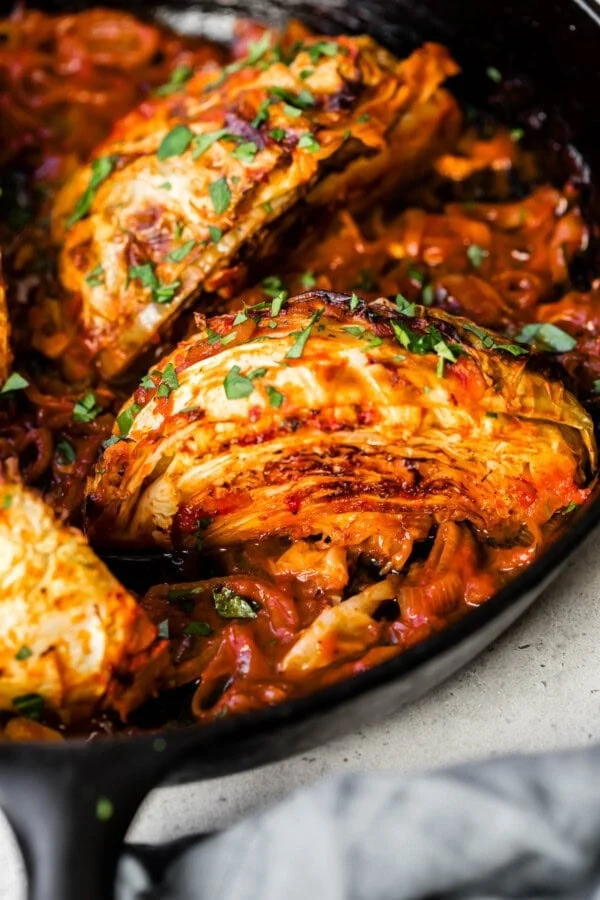
The culinary landscape has witnessed a significant shift in recent years, moving away from viewing traditional vegetables merely as utilitarian sides and toward elevating them as center-of-the-plate staples. Among the most versatile yet historically overlooked candidates for this transformation is green cabbage. Recent developments in home-cooking techniques have popularized the method of braising cabbage into "melting cabbage," a dish that utilizes slow-cooking to render the fibrous vegetable into a tender, silky consistency. This preparation, centered on a reduction of tomato and wine, represents a growing trend in home gastronomy that favors nutrient-dense, affordable produce processed through classic French and Italian culinary techniques.
The Evolution of Braised Cabbage in Modern Home Cooking
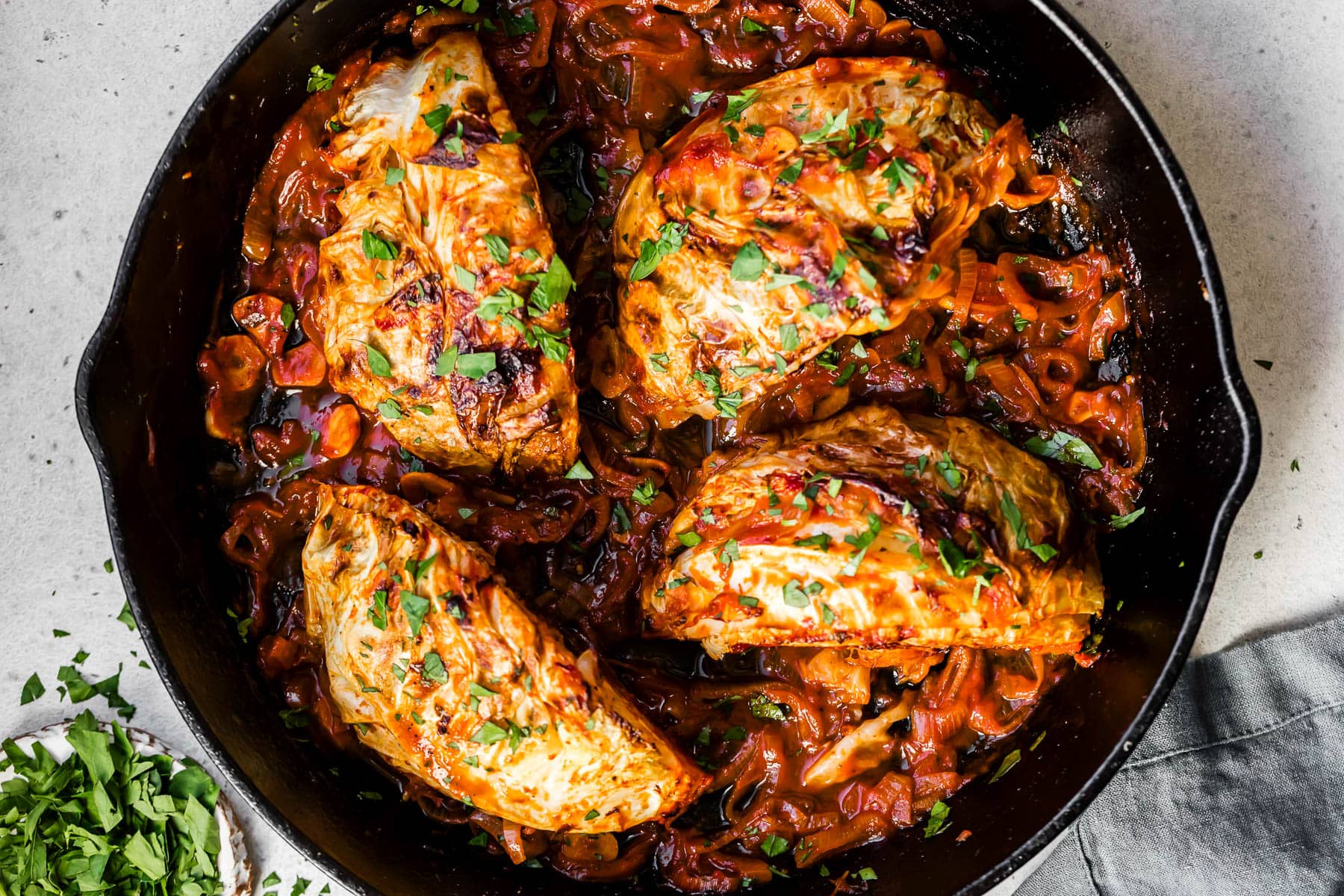
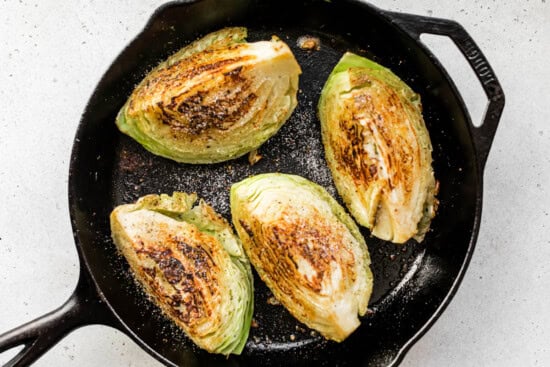
Historically, cabbage has been a dietary staple across Europe and Asia, valued primarily for its long shelf life and cost-effectiveness. In the Western culinary canon, it has traditionally been associated with long-boiled, pungent preparations or raw applications like coleslaw. However, the emergence of the "melting cabbage" technique signals a departure from these utilitarian roots. By slicing the vegetable into uniform wedges and searing them in fat—typically butter or high-quality olive oil—the cook initiates the Maillard reaction, which creates deep, savory notes on the outer leaves.
The subsequent introduction of a braising liquid, composed of aromatics, acidic elements like wine, and concentrated tomato base, allows the cabbage to simmer until the internal structure collapses. This process changes the chemical composition of the cabbage, softening the tough cellulose fibers and allowing the vegetable to absorb the complex flavor profile of the braising medium. Culinary historians note that this technique mirrors the methods used for tough cuts of meat, effectively treating a vegetable with the respect traditionally reserved for proteins.
Technical Analysis of the Braising Process
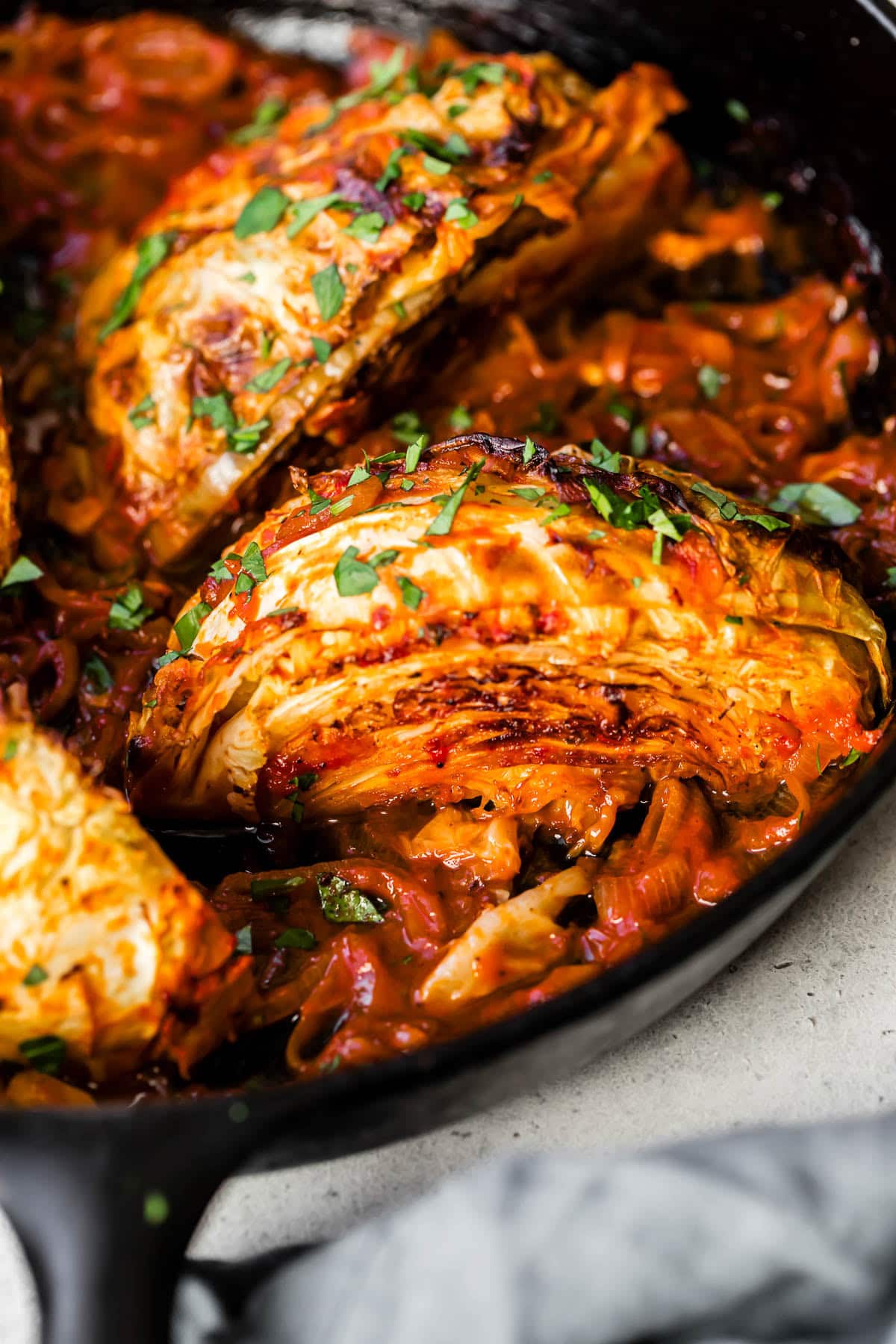
The success of this dish relies on a precise balance of heat and moisture. A standard preparation requires a heavy-bottomed skillet, which ensures even heat distribution—a critical component when working with dense, layered vegetables. The initial sear is the most vital step; if the heat is insufficient, the cabbage will steam rather than caramelize, leading to a flat, one-dimensional flavor profile.
Once the wedges are golden brown, the introduction of the braising liquid must be managed with care. The goal is to submerge approximately half of the wedge, allowing the bottom to cook in the liquid while the top receives a gentle steam. As the tomato-based sauce reduces, it thickens, coating the cabbage in a rich, concentrated glaze. Chefs often recommend monitoring the pan during the final 15 minutes of the 45-minute cooking process to ensure that the moisture levels remain consistent. If the liquid evaporates too quickly, a small addition of vegetable stock or water is required to prevent the sugars in the tomato paste from burning, which would impart a bitter, acrid taste to the final dish.

Nutritional Profile and Dietary Implications
From a nutritional standpoint, cabbage remains an powerhouse of micronutrients. A typical serving of this braised dish provides roughly 167 calories, offering a substantial amount of dietary fiber—often exceeding 7 grams per serving—which aids in digestion and satiety. Cabbage is also a known source of vitamin C, vitamin K, and various phytonutrients, including glucosinolates, which have been the subject of extensive study regarding their potential anti-inflammatory properties.
By incorporating tomatoes and wine, the recipe also introduces lycopene and polyphenols, respectively. The use of white wine, in particular, adds a necessary acidic component that balances the natural sulfurous notes of the cabbage. For those monitoring sodium intake, the recipe can be easily adjusted by utilizing low-sodium broth and controlling the seasoning of the tomato reduction. This adaptability makes it an ideal candidate for individuals following Mediterranean-style diets, which prioritize plant-based ingredients and healthy fats.

Culinary Integration and Service Strategies
The versatility of braised cabbage extends beyond its role as a stand-alone dish. It is increasingly being integrated into multi-course meals as a bridge between protein-heavy courses and starch-based sides. Because of its robust flavor profile, it pairs exceptionally well with roasted meats, such as pork tenderloin or lemon-rosemary chicken. The acidity of the tomato and wine sauce cuts through the fat of heavier proteins, providing a balanced palate experience.
Furthermore, the "melting" texture makes it a compatible partner for starchy side dishes like mashed potatoes or polenta. When served together, the sauce from the cabbage acts as a natural gravy, enhancing the overall cohesion of the meal. Meal-prepping enthusiasts have also noted the durability of the dish; unlike leafy greens that wilt or lose texture when stored, braised cabbage maintains its structural integrity and flavor density for several days when refrigerated, often tasting superior after the flavors have had time to meld overnight.
Strategic Variations and Customization
For those looking to adapt the standard recipe to specific dietary needs or flavor preferences, several modifications are possible without compromising the integrity of the dish:
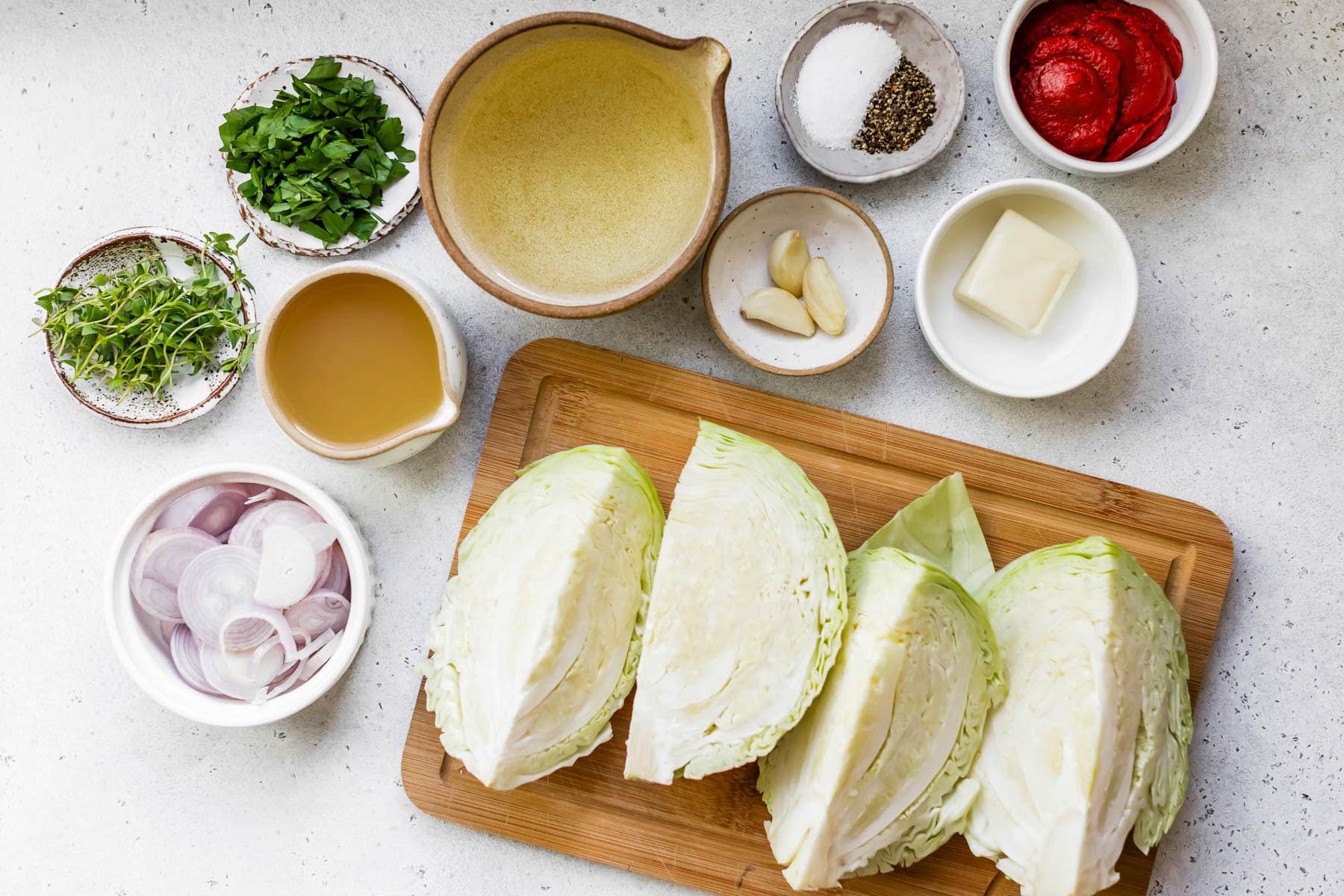
- Variations in Cabbage Types: While green cabbage is the standard, red cabbage can be used for a more visually striking presentation and a slightly earthier flavor. However, users should note that red cabbage may require a slightly longer cooking time and may bleed color into the sauce.
- Aromatic Substitutions: The use of shallots provides a delicate, onion-like sweetness. If unavailable, white or yellow onions serve as a viable, slightly sharper alternative.
- Acid Balancing: For those who prefer to abstain from alcohol, the white wine can be replaced with an equal part of high-quality vegetable broth combined with a tablespoon of white wine vinegar or cider vinegar. This maintains the essential acidity required to brighten the dish.
- Flavor Concentrates: Double-concentrated tomato paste is recommended for those seeking a more intense, umami-rich experience. If standard paste is used, a small pinch of brown sugar can help replicate the natural sweetness found in higher-quality, concentrated versions.
Broader Impact on Home Cooking Trends
The rise of recipes like melting cabbage underscores a broader trend toward "resourcefulness" in the home kitchen. As food prices fluctuate, consumers are increasingly seeking ways to elevate inexpensive, shelf-stable ingredients into meals that feel "gourmet." This shift is supported by an influx of digital content—ranging from recipe blogs to social media tutorials—that demystify advanced cooking techniques for the average home cook.
By providing clear, step-by-step guidance on how to braise, caramelize, and reduce, these resources are empowering individuals to move beyond the limitations of pre-packaged, convenience-focused foods. The implication for the future of home cooking is a more confident, ingredient-focused consumer base that prioritizes quality, nutrition, and cost-efficiency. As professional kitchens and home cooks alike continue to explore the potential of humble vegetables, dishes like braised cabbage will likely remain a fixture in the repertoire of those seeking to balance health, taste, and fiscal responsibility in their daily meal planning.
In conclusion, the practice of braising cabbage into a melting, tender side dish is more than a culinary novelty; it is a testament to the transformative power of heat, acid, and patience. Whether served as an accompaniment to a holiday roast or as a centerpiece for a plant-based dinner, this method elevates a simple vegetable into a sophisticated culinary experience that is as practical as it is satisfying.
