
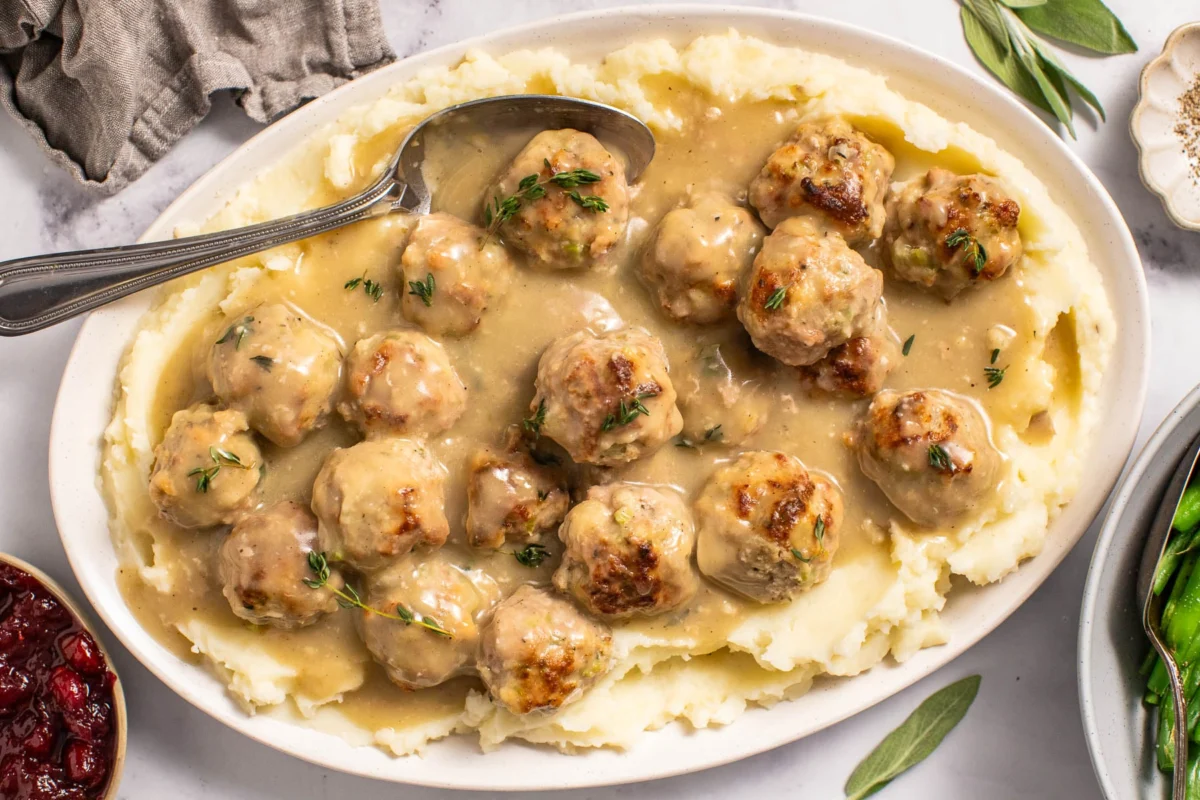
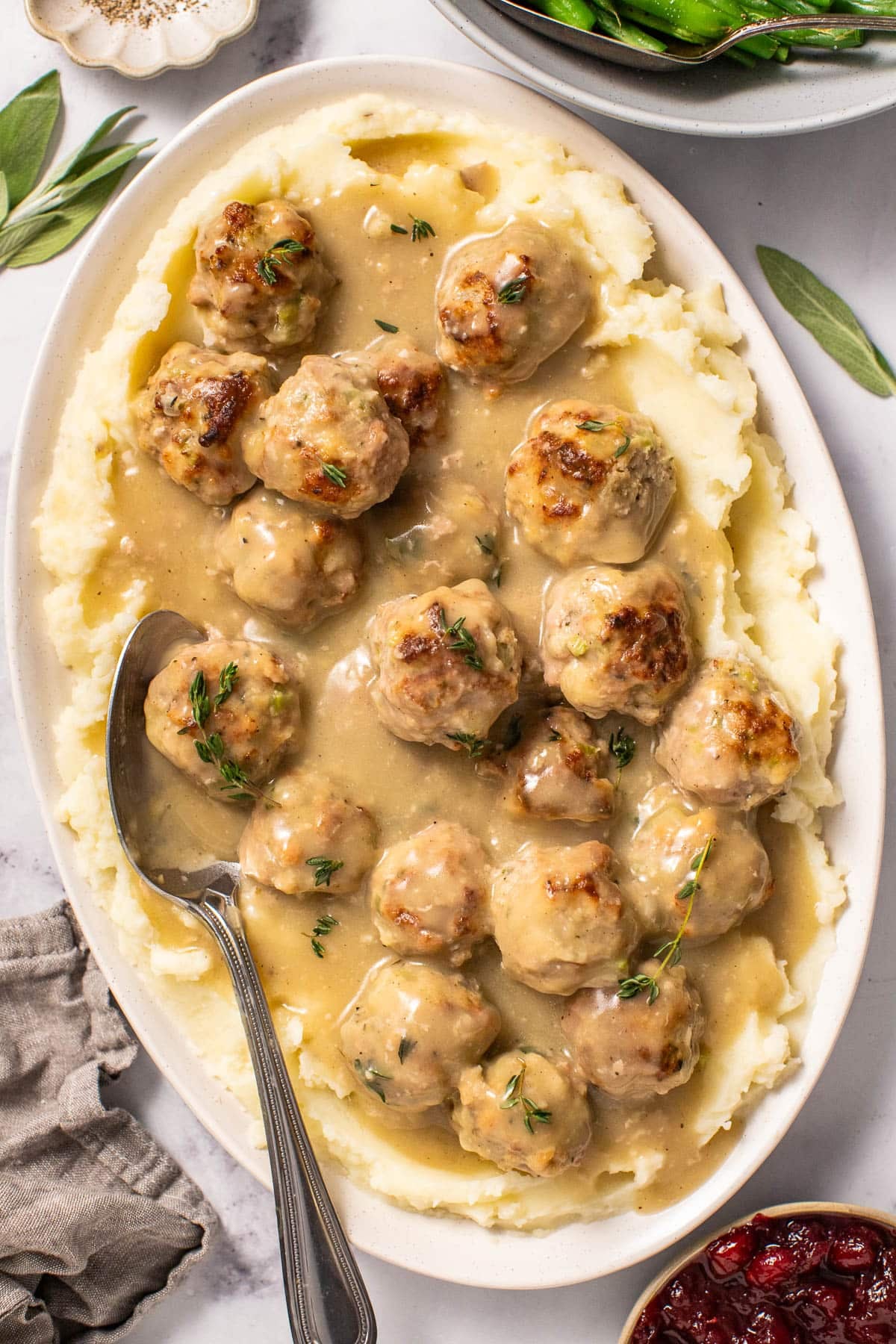
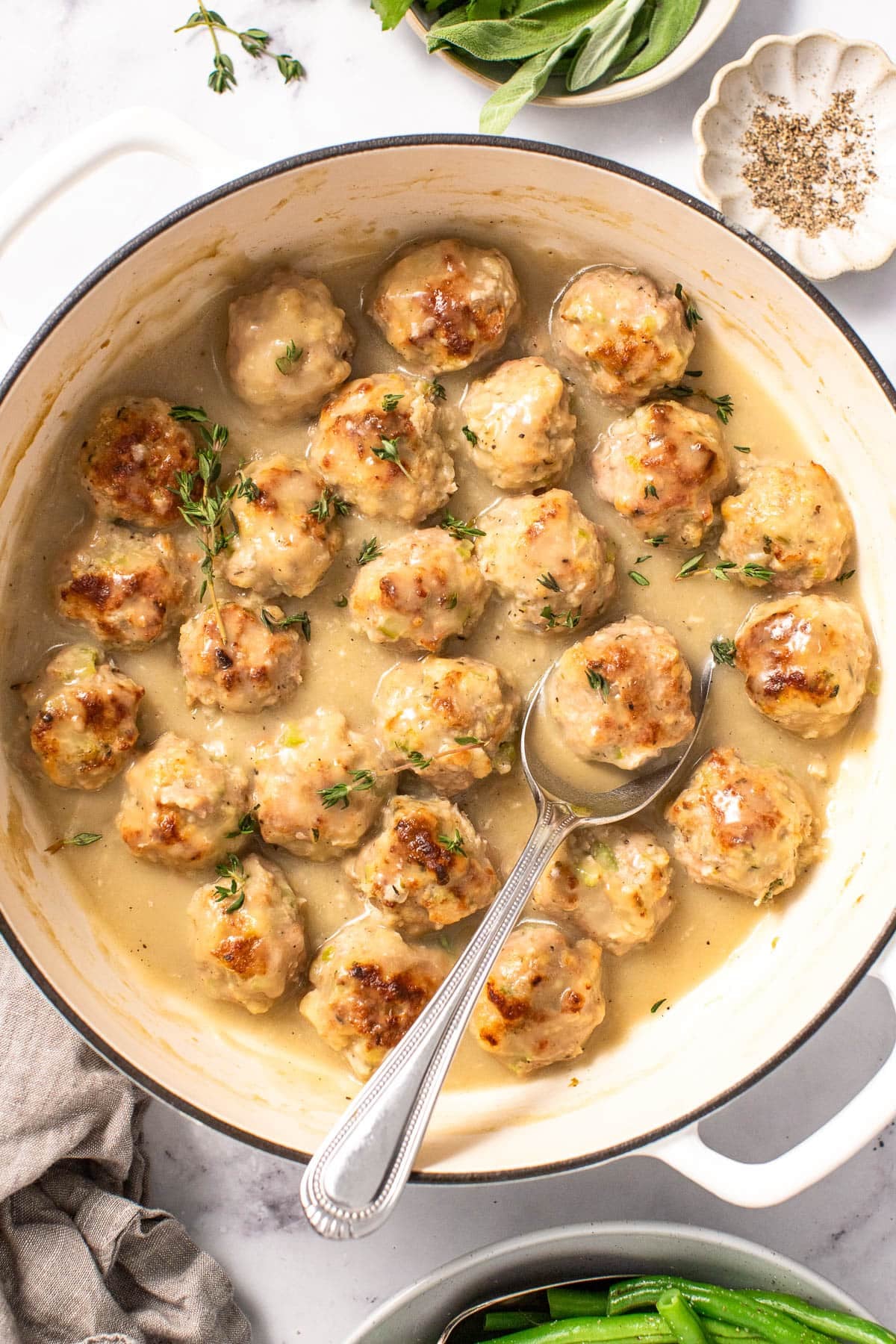
The evolution of holiday dining has shifted significantly over the past decade, moving away from the traditional, labor-intensive roasted whole turkey toward more modular, time-efficient, and portion-controlled alternatives. The emergence of Thanksgiving Turkey Meatballs and Gravy serves as a prime example of this culinary transition, offering a method to synthesize classic holiday flavor profiles into a format suitable for smaller gatherings, such as Friendsgiving or intimate family dinners. This dish utilizes ground turkey, seasoned stuffing mix, sautéed aromatics, and a pan-made gravy to replicate the essence of a traditional Thanksgiving meal without the logistical demands of a multi-hour roasting process.
Historical Context of the Thanksgiving Menu Shift
The tradition of the large-scale turkey dinner, while deeply ingrained in American culture, has faced structural challenges in recent years. Demographic shifts, including smaller household sizes and the rise of the "Friendsgiving" phenomenon—a social gathering occurring in the weeks surrounding the official holiday—have created a market demand for recipes that scale down the traditional feast.

According to data from the National Turkey Federation, while whole bird sales remain stable during the November holiday window, there has been a measurable increase in the consumption of ground turkey and turkey parts throughout the autumn season. This suggests that while consumers remain attached to the flavor profile of traditional holiday poultry, they are increasingly seeking convenience and reduced food waste. The introduction of recipes like these turkey meatballs allows for the preservation of the "Thanksgiving taste" while reducing the preparation time from several hours to approximately 70 minutes.

Technical Composition and Preparation Methodology
The preparation of this dish is rooted in the principles of balancing moisture and texture, which are often the primary concerns when cooking with ground turkey. Ground turkey is inherently leaner than beef or pork, which can lead to a dry finished product if not handled correctly. By incorporating stuffing mix—which contains breadcrumbs, dried herbs, and spices—the recipe introduces a stabilizing agent that retains moisture while simultaneously providing the seasoning profile associated with holiday stuffing.
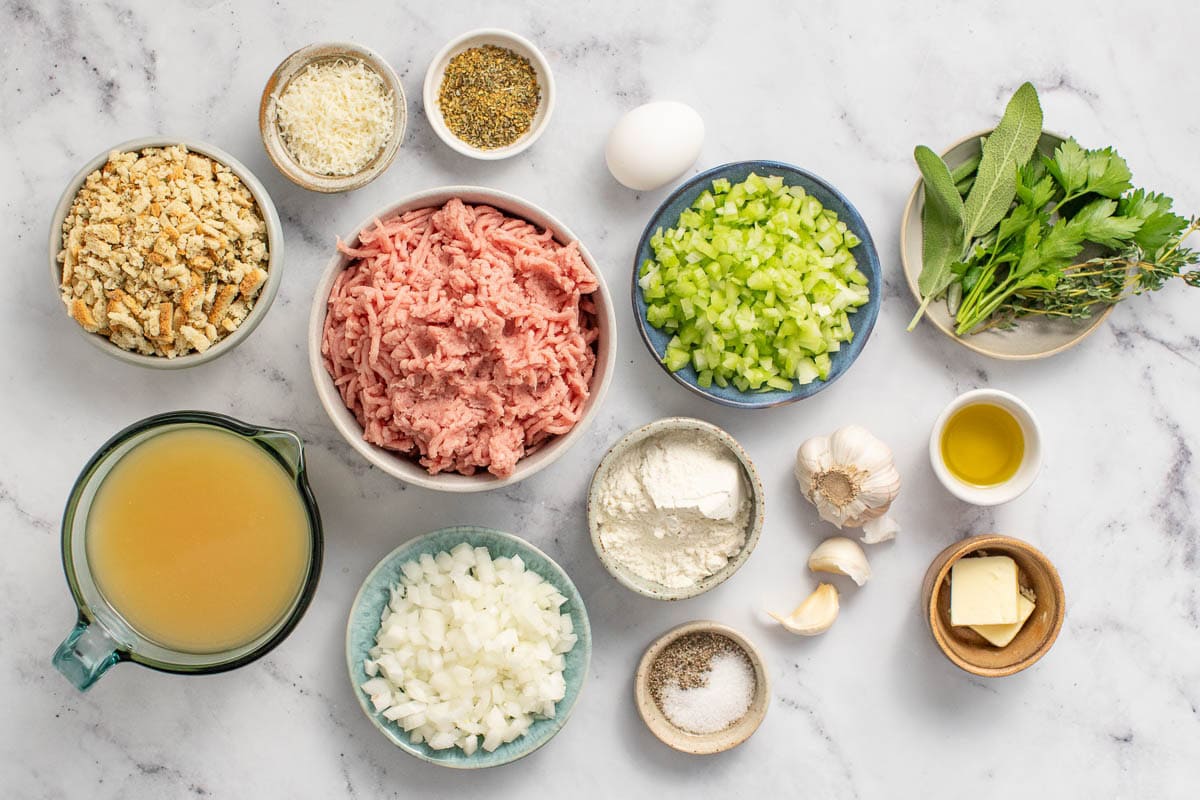
The culinary process follows a systematic approach:
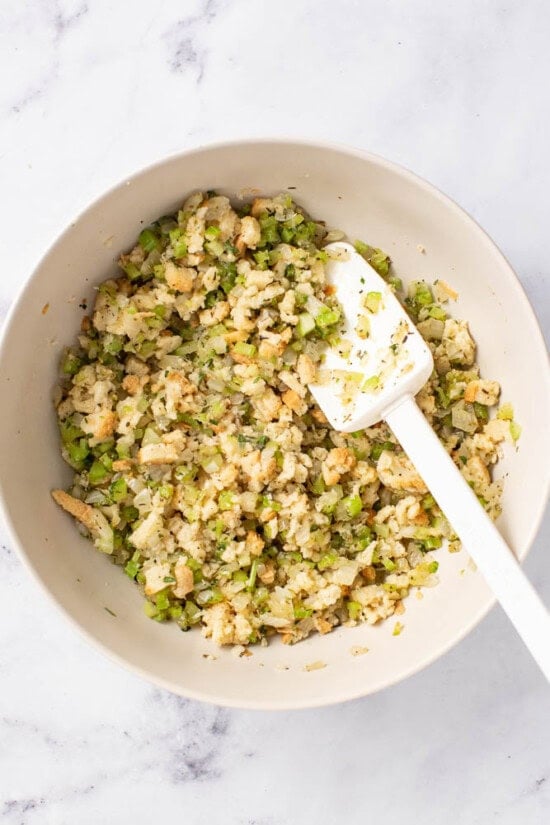
- Aromatic Base: The process begins with the sautéing of onions and celery, the classic "holy trinity" base for traditional stuffing. This step is critical for developing the flavor profile.
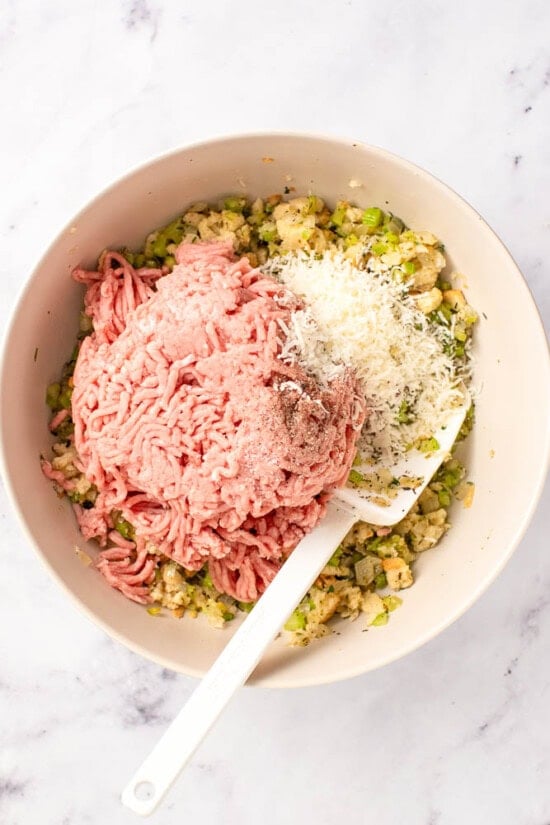
- The Binding Phase: The ground turkey is combined with the pre-sautéed vegetables and the stuffing mix. Fresh herbs, such as sage, rosemary, or thyme, are typically added at this stage to enhance the aromatic quality.
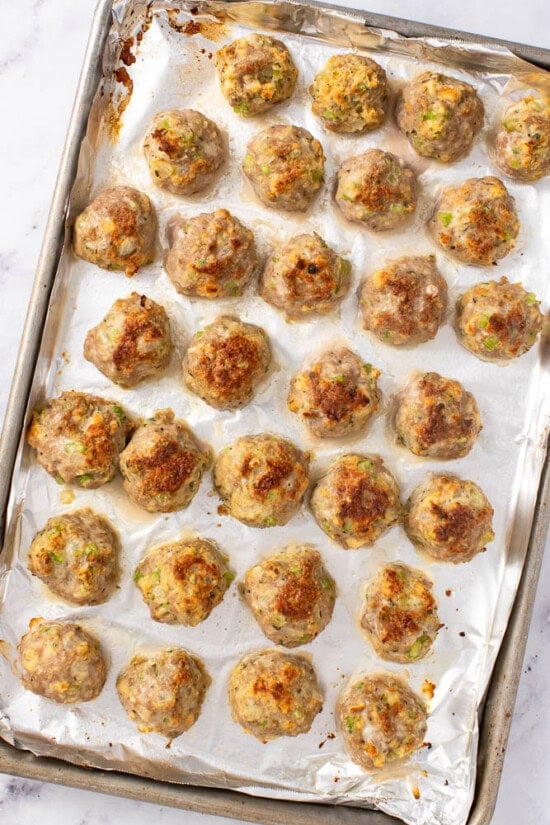
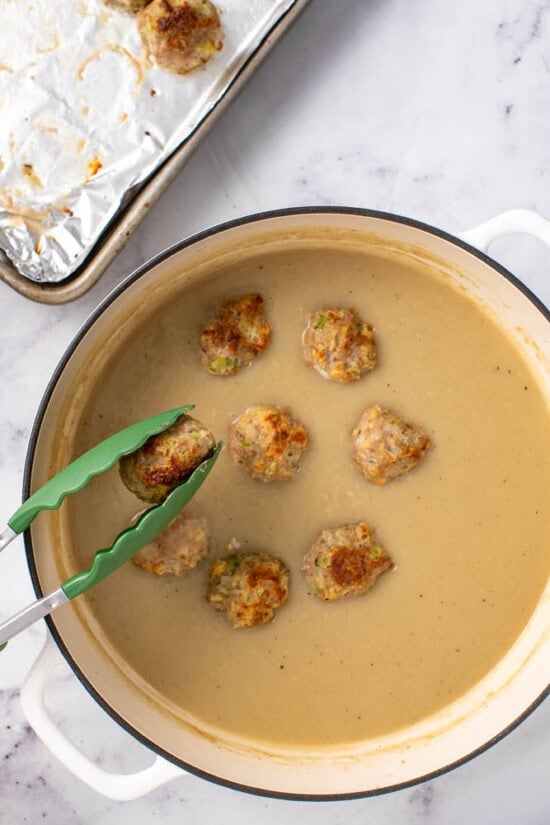
- Thermal Processing: Rather than frying, the meatballs are broiled. This technique allows for rapid Maillard reaction on the surface of the meat while ensuring the interior remains succulent.
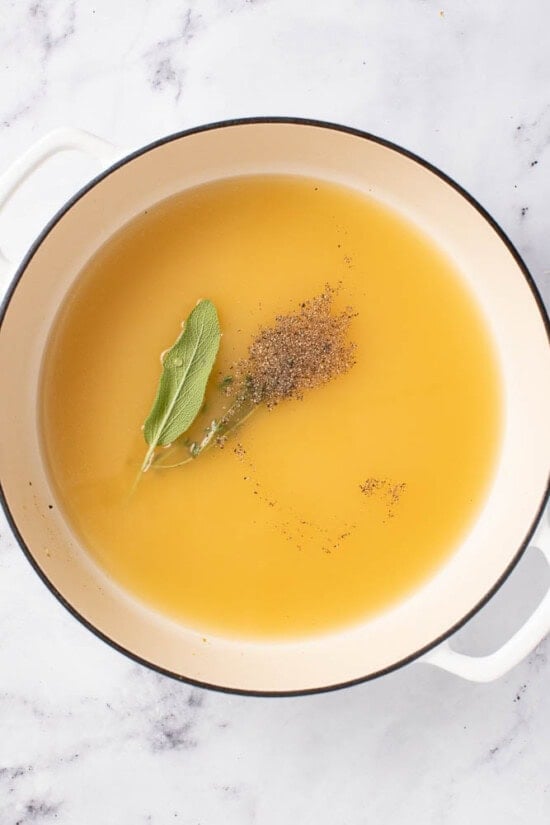
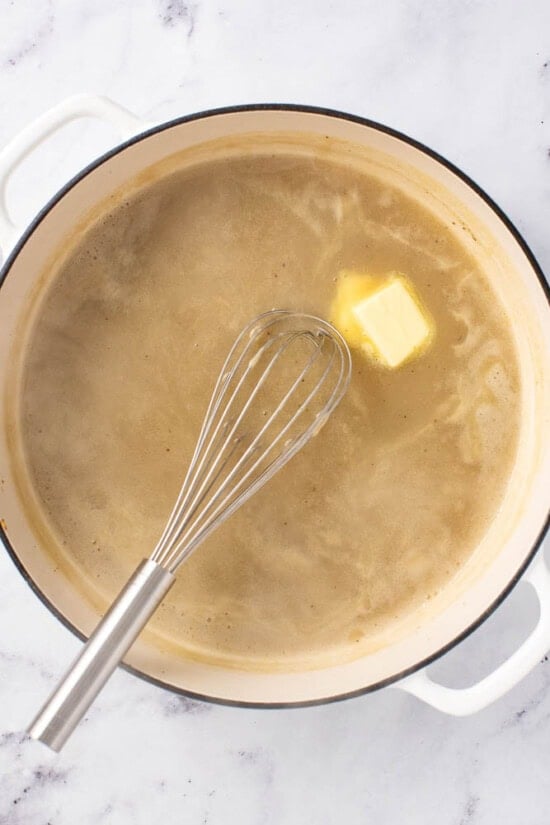
- Gravy Synthesis: The gravy is constructed using a slurry method, typically utilizing a roux or cornstarch to achieve the desired viscosity. The use of turkey or chicken stock provides the necessary depth of flavor to tie the meatballs to the accompanying starch, such as mashed potatoes or egg noodles.
Nutritional Profile and Dietary Implications
From a nutritional perspective, this recipe presents a high-protein alternative to traditional fried or heavy cream-based holiday dishes. A standard serving of five meatballs with gravy yields approximately 343 kilocalories, with 27 grams of protein and 16 grams of fat. The sodium content remains a focal point for home cooks, often measuring around 903 milligrams per serving, which is largely contingent upon the brand of stuffing mix utilized.
Dietary experts note that the inclusion of lean poultry as a primary protein source aligns with broader health trends. By shifting the focus from high-fat, heavy portions to lean, protein-dense alternatives, home cooks can mitigate the caloric surplus often associated with traditional Thanksgiving menus. However, the reliance on processed stuffing mixes means that sodium levels can fluctuate; therefore, many culinary professionals recommend sourcing low-sodium stuffing or preparing homemade breadcrumbs to control the mineral intake.
Culinary Economics and Scaling for Modern Households
The economic impact of this dish is notable for families operating under modern budgetary constraints. A whole turkey requires a significant upfront investment and often results in a surplus of leftovers that may not be consumed, leading to food waste. In contrast, the use of ground turkey allows for a precise "per-serving" cost calculation.
For many households, the ability to prepare this meal in a single skillet or Dutch oven reduces the cleanup time, which is a major pain point during holiday cooking. Furthermore, the "make-ahead" potential of this recipe—where meatballs can be shaped and refrigerated 48 hours in advance—provides a strategic advantage for hosts managing the complex logistics of holiday hosting.

Professional Perspectives and Consumer Trends
Industry analysts observe that the popularity of such recipes reflects a broader move toward "hybrid dining." This is defined as the intersection of traditional comfort food and modern, efficient cooking methods. While the turkey remains the centerpiece, the form in which it is presented is becoming secondary to the ease of execution.
"The modern consumer is looking for the psychological comfort of a Thanksgiving meal without the performance pressure of a ten-pound bird," notes one food industry consultant. "Recipes that distill these flavors into manageable components are seeing higher engagement levels across digital platforms."
Broader Impact on Holiday Traditions
The shift toward these types of meals does not necessarily signal the decline of the traditional holiday roast, but rather the diversification of how the holiday is observed. As societal structures change, so too does the food that accompanies them. The Thanksgiving turkey meatball represents a pragmatic response to the realities of contemporary life: the need for efficiency, the reduction of food waste, and the desire to maintain cultural connections through food, regardless of the size of the gathering.
As households continue to evolve, the expectation for high-quality, authentic-tasting meals that can be produced in under an hour will likely continue to drive innovation in the culinary space. This transition ensures that the culinary legacy of the holiday is preserved, even as the methods of celebration continue to transform to suit the pace and scale of modern existence. For those looking to integrate this into their upcoming holiday schedule, the emphasis remains on the quality of the fresh herbs and the integrity of the stock, which serve as the final determinants of success for this simplified, yet flavor-rich, seasonal offering.
