
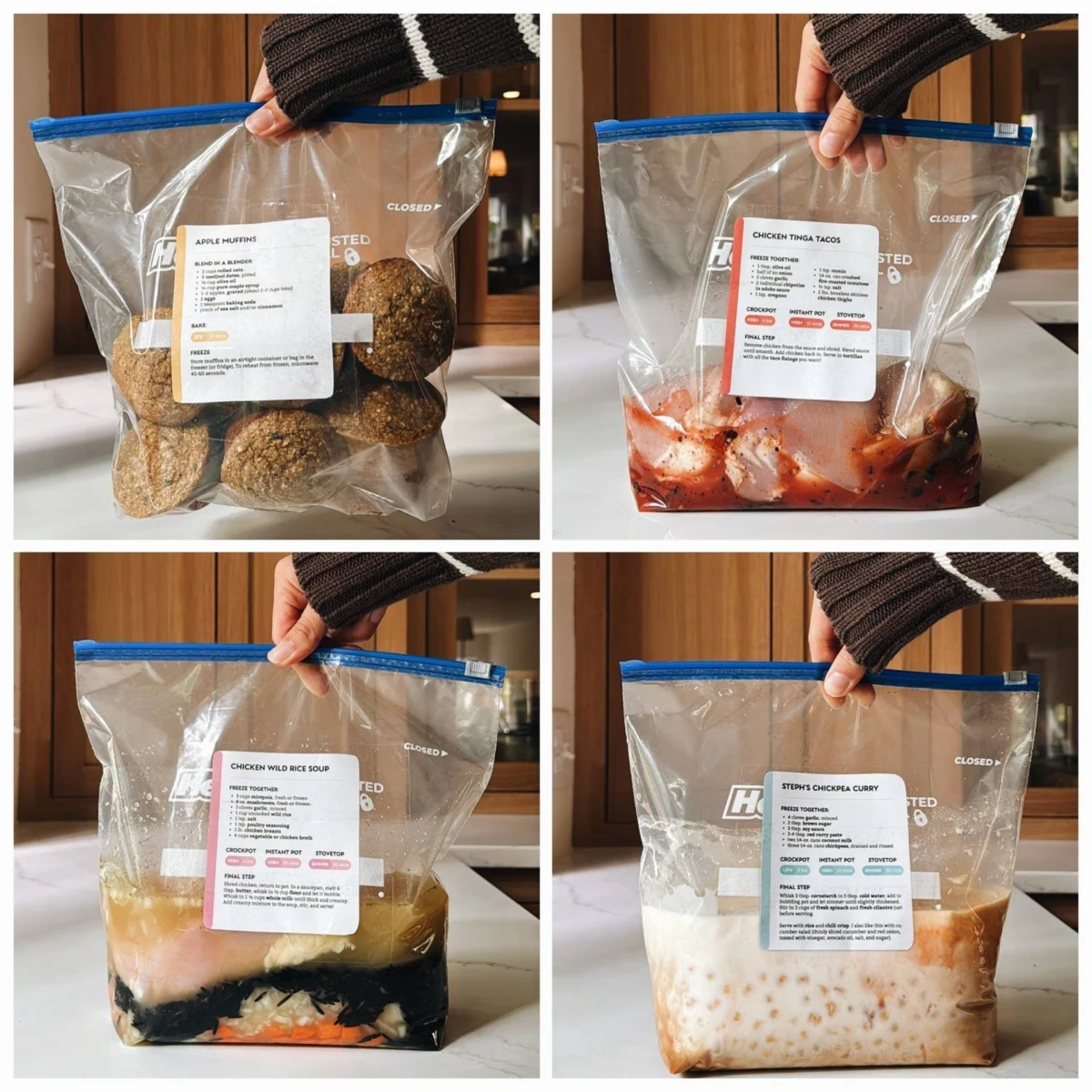
As the autumn season accelerates and daily schedules become increasingly congested, a growing segment of households is turning to proactive meal preparation strategies to mitigate the stress of weeknight cooking. Recent trends in domestic management indicate a shift toward "batch-freezing," a method where ingredients for multiple meals are pre-assembled and stored in freezer-safe packaging for rapid deployment. This approach, exemplified by curated programs such as the October Fall Freezer Meal series, provides a systematic solution to the perennial challenge of balancing nutritional needs with limited time.
The Evolution of Batch Cooking and Domestic Efficiency
The concept of freezer-ready meals has evolved from a niche practice into a recognized strategy for time-poor professionals and families. Data from recent consumer behavior studies suggest that the "meal prep" industry—encompassing everything from subscription kits to DIY batch-freezing—has seen consistent growth over the last decade. The core appeal lies in the reduction of "decision fatigue," a psychological phenomenon where the quality of a person’s decisions deteriorates after a long session of decision-making. By eliminating the daily question of "what is for dinner," households are reporting higher levels of satisfaction and improved dietary consistency.
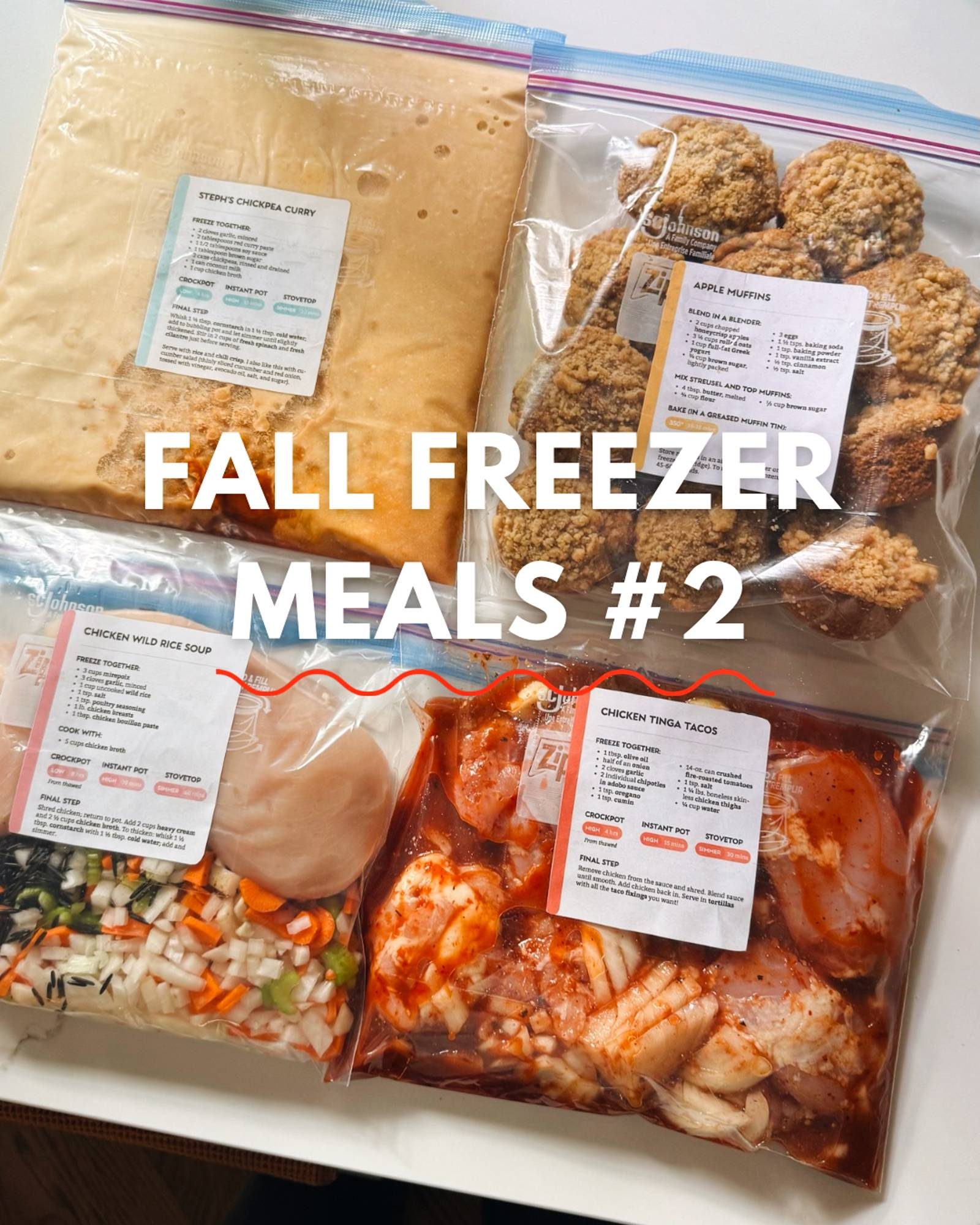
The current model for these seasonal meal programs relies on a hybrid preparation method. By utilizing versatile recipes compatible with the Instant Pot, slow cookers, and traditional stovetop methods, the system accommodates varying levels of technological integration within the modern kitchen.
Curated Seasonal Menus: A Technical Breakdown
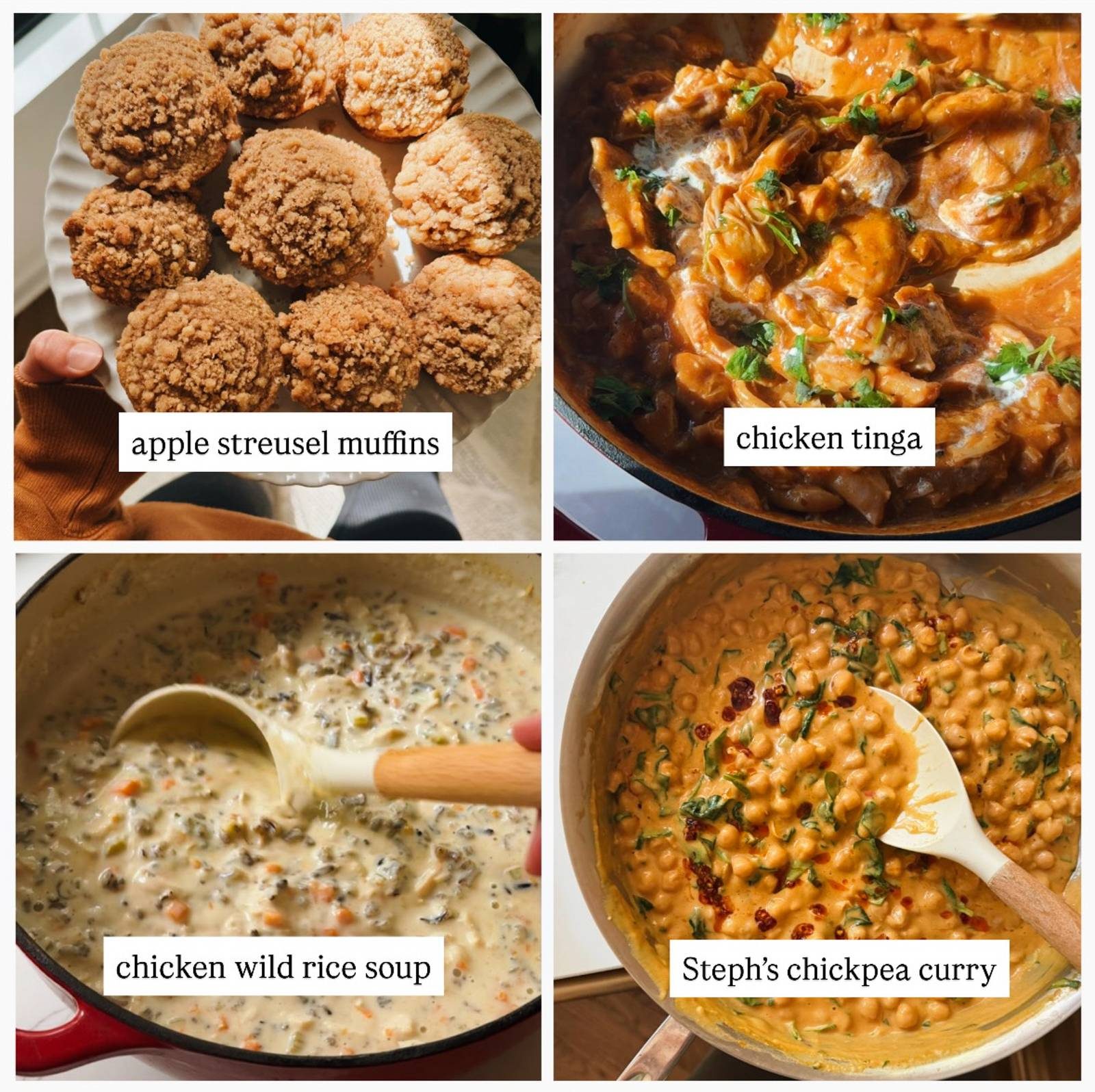
The October collection focuses on high-yield, nutritionally dense recipes designed to withstand the structural rigors of sub-zero storage. The lineup includes Apple Streusel Muffins, Chicken Tinga Tacos, Chicken Wild Rice Soup, and a vegetarian Chickpea Curry. Each recipe is engineered to minimize the need for last-minute shopping.
Technical Specifications for Meal Assembly
- Apple Streusel Muffins: These require a blend-and-bake approach. The structural integrity of the muffin is maintained through precise flour-to-sugar ratios, ensuring they do not become excessively moist or freezer-burned during the thawing process. The inclusion of a streusel topping—comprising melted butter, brown sugar, and flour—adds a textural component that remains intact after a 45-60 second microwave reheat.
- Chicken Tinga Tacos: Designed for high-volume preparation, the Tinga base serves as a protein-heavy foundation. The preparation involves a multi-step cooking process where the chicken is shredded post-thaw to ensure optimal texture. The sauce is then blended to achieve a uniform consistency, which is critical for long-term storage flavor retention.
- Chicken Wild Rice Soup: This is a high-volume yield recipe, providing approximately 10 servings. The technical challenge here is the incorporation of heavy cream and thickeners like cornstarch, which are added only after the primary cooking phase is complete. This prevents the dairy from curdling during the extended heating cycles required for frozen components.
- Steph’s Chickpea Curry: A plant-based alternative that utilizes cornstarch as a binding agent to achieve the desired viscosity. The finishing stage is essential, requiring the folding in of fresh spinach and cilantro immediately prior to service to maintain color and nutrient density.
Implementation and Logistics
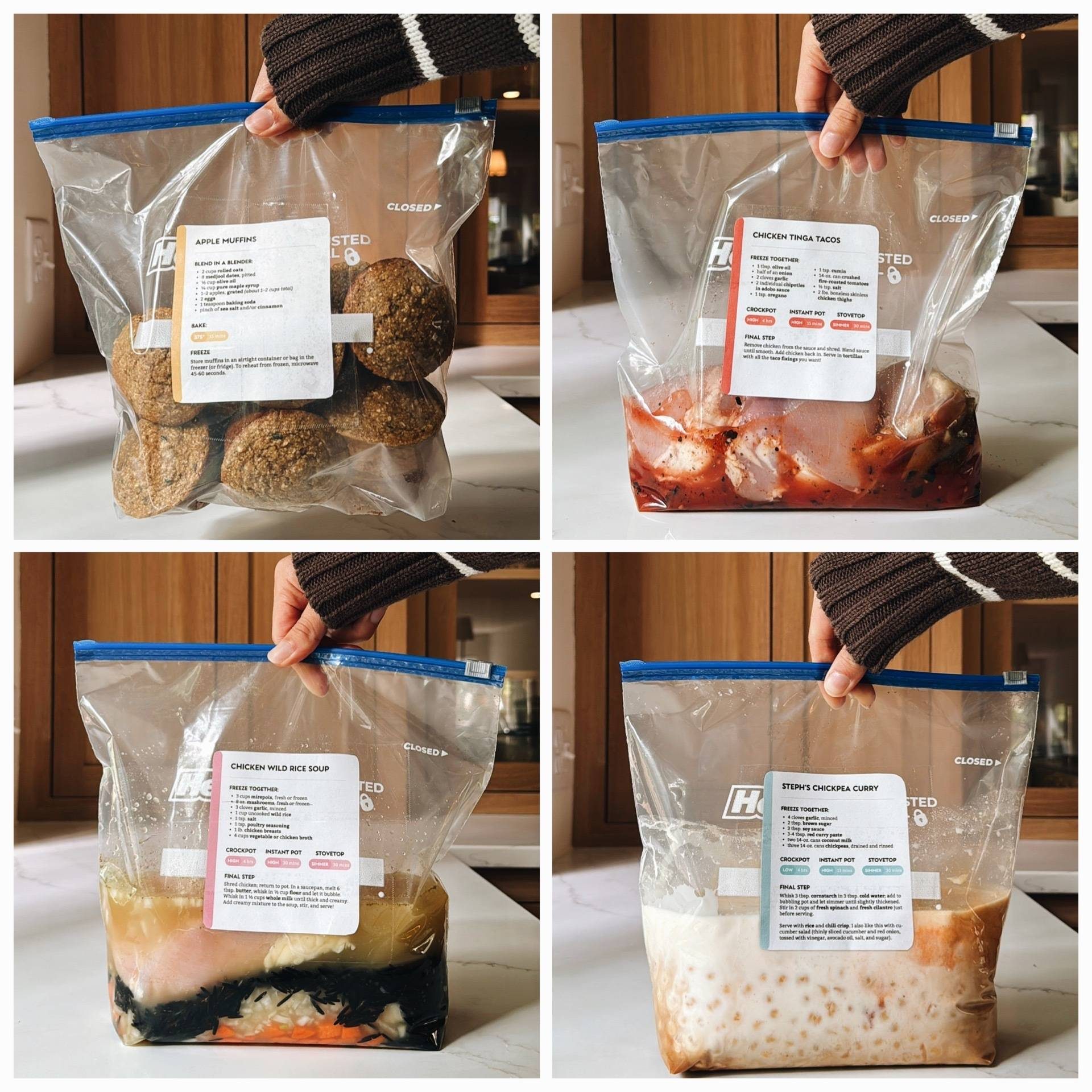
The logistics of this program are centered on the use of standardized labels and integrated grocery lists. The primary goal is the total removal of external digital dependencies during the cooking process. By printing physical reference cards, the cook avoids the friction of interacting with a touchscreen while handling raw ingredients, a common point of cross-contamination and technical annoyance in domestic kitchens.

The chronology of this preparation cycle is typically structured as follows:
- Phase One: Procurement. The consolidation of a master grocery list to minimize store trips.
- Phase Two: Assembly. A singular, one-hour session dedicated to portioning ingredients into freezer-safe, airtight bags.
- Phase Three: Storage. The systematic organization of the freezer to ensure optimal airflow and easy identification of contents.
- Phase Four: Deployment. Selecting a meal based on the desired cooking method (Crockpot, Instant Pot, or Stovetop) and the required thaw state.
Analysis of Nutritional and Economic Implications
From an economic perspective, batch-freezing offers significant advantages. By purchasing ingredients in bulk and utilizing the entirety of fresh produce—such as the spinach and herbs used in the curry—households minimize food waste, a significant contributor to domestic financial loss. According to the United States Department of Agriculture (USDA), food waste at the consumer level accounts for a substantial portion of the food supply chain’s inefficiency. Programs that encourage the consumption of every ingredient purchased inherently support sustainability goals.
Furthermore, the nutritional profile of these meals is significantly higher than that of processed, pre-packaged convenience foods. By preparing the ingredients from scratch, the user retains total control over sodium, sugar, and fat content. This level of autonomy is particularly beneficial for individuals with dietary restrictions or those attempting to manage specific health markers through diet.
Broader Impact and Future Outlook
The adoption of structured freezer meal systems reflects a broader trend toward "intentional living" in the domestic sphere. As families face increasing pressure to balance career, childcare, and social obligations, the ability to outsource the "thinking" part of meal preparation to a pre-planned system is gaining value.
Experts in domestic science note that the psychological benefit of having a prepared meal in the freezer is almost as significant as the nutritional benefit. The reduction of anxiety associated with unexpected guests or late-running work schedules provides a stabilization factor for the household unit.
Looking forward, the industry is expected to see more integration between digital meal-planning software and physical kitchen hardware. Smart appliances are increasingly capable of recognizing, via sensors or manual input, the types of food being cooked, adjusting heat and timing automatically. However, the success of the current October Fall Freezer series demonstrates that, for many, the most effective tool remains the analog, human-centric approach: a well-organized bag, a clear recipe card, and a freezer.
Conclusion
The October Fall Freezer Meals program is more than a collection of recipes; it is a tactical response to the logistical complexities of modern life. By prioritizing preparation over spontaneity, proponents of this system have successfully demonstrated that high-quality, home-cooked meals are attainable even within the most rigid schedules. Whether through the slow, steady heat of a Crockpot or the rapid pressure of an Instant Pot, these methods prove that with minimal upfront investment, the kitchen can become a source of consistency rather than stress. As winter approaches, the reliance on such efficient systems is likely to increase, further solidifying the role of batch-prepped meals in the contemporary culinary landscape.
