
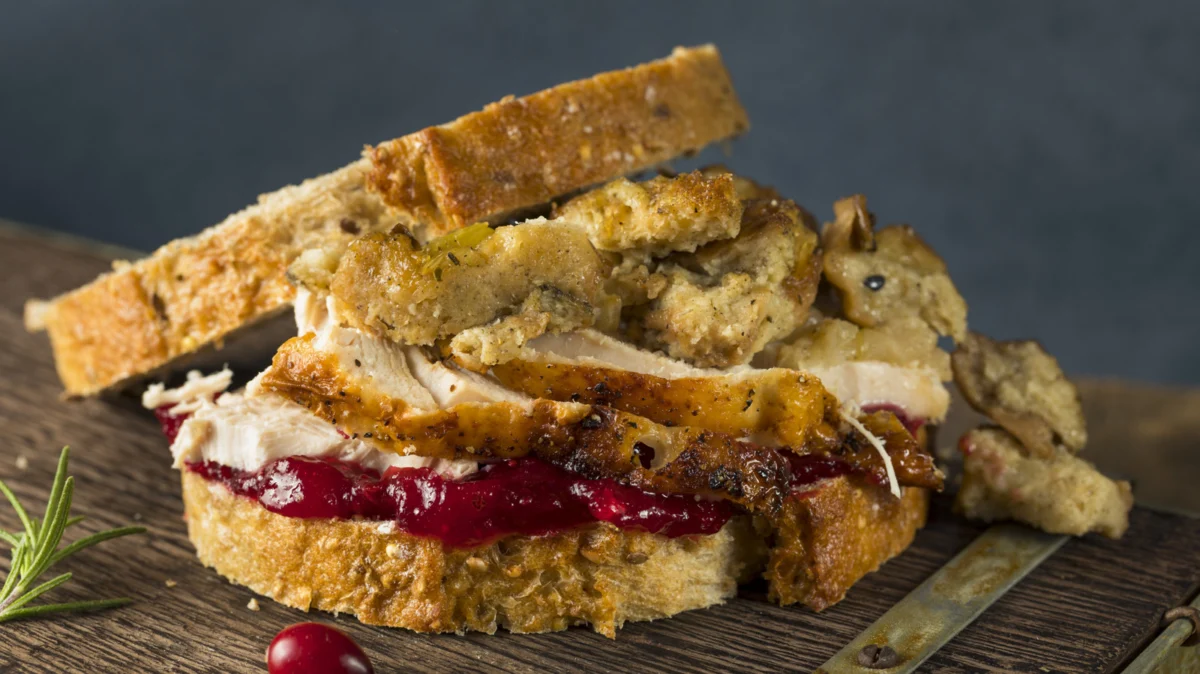
For many Americans, the Thanksgiving holiday represents more than just a singular Thursday dinner; it is an annual culinary phenomenon that defines the late autumn season. While the traditional home-cooked feast remains a staple of domestic culture, a growing segment of the fast-food and fast-casual industry has successfully capitalized on the "leftover effect." By distilling the complex, labor-intensive components of a turkey dinner—roasted poultry, savory stuffing, tart cranberry sauce, and rich gravy—into portable, handheld formats, several national and regional chains have cultivated a loyal following that transcends the traditional holiday calendar.
The Evolution of the Holiday Sandwich
The concept of the "Thanksgiving-style sandwich" has evolved significantly over the last two decades. Initially, these offerings were sporadic, limited-time promotions designed to boost Q4 sales. However, consumer demand has pushed several chains to integrate these items into their permanent menus or to launch them with such consistency that they have become seasonal markers in the retail landscape. The phenomenon is driven by a combination of nostalgia and convenience, allowing customers to bypass the multi-day preparation typically associated with the Thanksgiving meal.
Market analysis suggests that these sandwiches perform exceptionally well in the "comfort food" category, which historically sees a 15–20% increase in order volume during the colder months of November and December. By leveraging high-quality deli meats and proprietary bread recipes, chains have elevated the humble sandwich into a significant revenue driver during the final quarter of the fiscal year.
Regional Titans and Iconic Offerings
The landscape of these sandwiches is dominated by both massive national players and regional heavyweights that command intense brand loyalty.
Capriotti’s Sandwich Shop
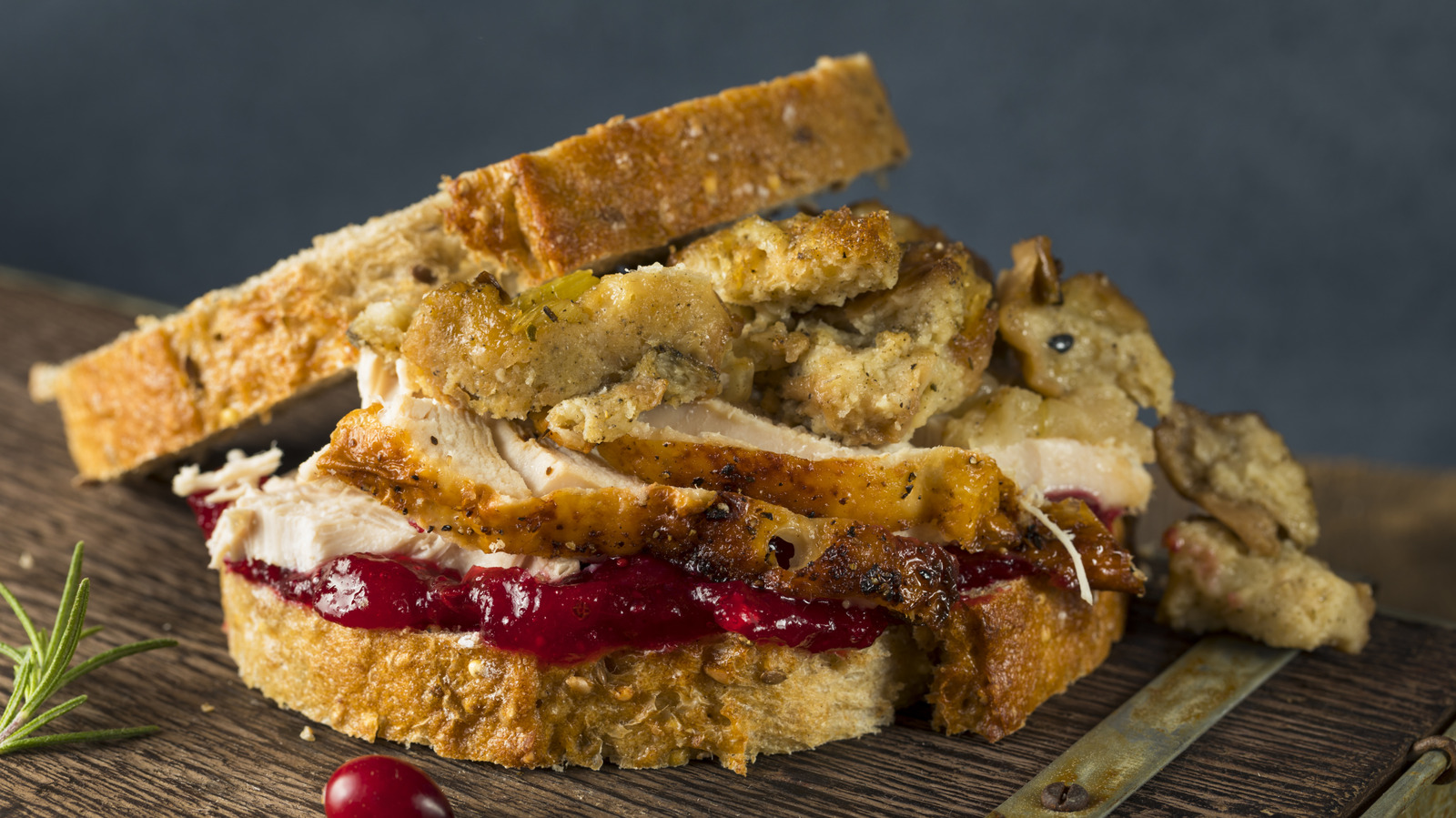
Founded in 1976, Capriotti’s serves as the industry standard-bearer for the Thanksgiving sandwich. Its signature "Hot Bobbie" has achieved cult status. Unlike competitors who rely on frozen or processed proteins, Capriotti’s maintains a commitment to roasting Butterball turkeys on-site for 14 hours. This dedication to process has allowed the brand to maintain its reputation despite rapid national expansion. Industry reports indicate that the day before and the day after Thanksgiving represent the highest volume sales periods for the chain, with some locations reporting a triple-digit percentage increase in traffic specifically for the Bobbie.
D’Angelo Grilled Sandwiches
A staple of the New England market since 1967, D’Angelo has taken the bold step of offering its "Thanksgiving Toasted" sandwich year-round. This decision reflects a sophisticated understanding of regional consumer preference, where the craving for holiday-style comfort food is not strictly confined to the winter months. By offering an "epic" 29-inch version, the chain has effectively gamified the leftover experience, catering to large groups and office catering orders that seek to replicate the festive atmosphere of the holiday in a corporate setting.
Wawa and the Customization Trend
Perhaps no chain has leaned into the complexity of the holiday meal as heavily as Wawa. With "The Gobbler" series, the convenience store giant offers seven distinct variations, integrating unconventional components like mashed potatoes and sweet potatoes. This represents a strategic shift in the convenience food sector: moving away from simple "meat and bread" offerings toward complex, modular meals. The operational challenge of maintaining these ingredients at food-safety standards throughout the day is significant, yet the high profit margins on these specialized subs have made them a cornerstone of Wawa’s late-year strategy.
Analysis of Ingredients and Culinary Strategy
The success of these sandwiches often hinges on how a chain manages the balance of moisture. Because stuffing and turkey can become inherently dry, the inclusion of high-quality gravies or cranberry-based aiolis is critical.
- Protein Sourcing: High-performing chains have shifted toward "carved-style" turkey breast. The perception of quality among consumers is highly sensitive to the texture of the meat; cold cuts are increasingly viewed as inferior to oven-roasted, hand-pulled turkey.
- Bread Selection: The bread acts as the structural integrity for these heavy sandwiches. Chains like Ike’s Love & Sandwiches utilize "Dutch Crunch" bread, which provides a necessary textural contrast to the soft, gravy-soaked fillings. Conversely, GetGo Cafe + Market has innovated by infusing their bread dough with sage and other poultry-related aromatics, effectively internalizing the stuffing flavor profile to prevent the sandwich from becoming overly dense.
- The "Gravy Factor": The addition of a dipping side of gravy serves a dual purpose: it allows the consumer to control the moisture level of their sandwich and enhances the "meal-like" experience.
Market Challenges and Seasonality
While these sandwiches are highly popular, they present unique supply chain challenges. Ingredients like cranberry relish and specific holiday-style stuffing are often sourced seasonally. When chains like Starbucks or Subway discontinue popular versions, it often results in a measurable, albeit short-term, negative sentiment on social media platforms.
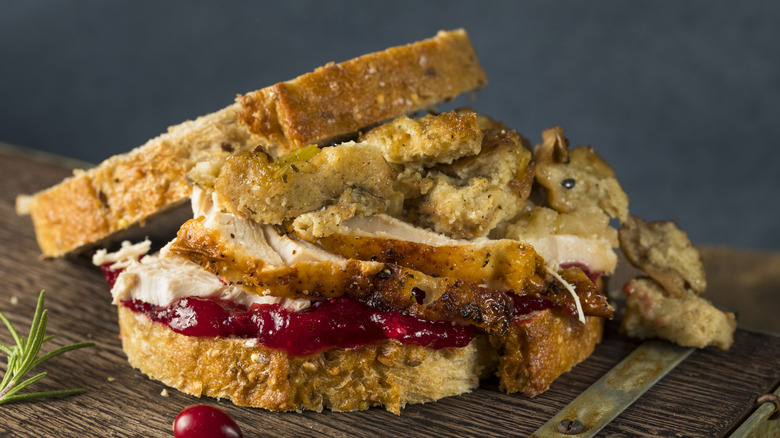
The methodology for selecting these top-tier offerings focuses on consistent customer sentiment and the longevity of the product. The exclusion of certain national brands from the top lists often stems from a lack of commitment to the recipe—specifically, the reliance on mass-produced, frozen components that fail to capture the "freshly cooked" aesthetic that defines the best-in-class examples like Mendocino Farms’ "November to Remember."
The "November to Remember" Phenomenon
Mendocino Farms represents the high-end tier of this market segment. By utilizing hand-carved turkey, sausage-and-mushroom stuffing, and cranberry chutney with ancho chilis, they have elevated the category into the realm of fast-fine dining. The scarcity of this sandwich—limited to a single month—creates an artificial but highly effective demand spike. Economic models show that this type of "scarcity marketing" ensures that the item remains a "must-have" event rather than a standard menu item, which keeps interest levels high despite the limited window of availability.
Consumer Impact and Future Outlook
The shift toward year-round availability for some of these sandwiches indicates that the American palate is moving away from strict seasonal limitations. As more consumers prioritize convenience, the "Thanksgiving-style" sandwich is likely to see further innovation. We are already seeing the emergence of vegetarian and vegan versions, such as those tested by various regional sub shops, which suggests that the market for these products is expanding to include those who do not consume traditional poultry.
Furthermore, the rise of digital ordering kiosks has enabled chains like GetGo and Wawa to offer hyper-customizable versions of these sandwiches, allowing users to build their "perfect" plate without the social friction of customizing complex orders at a busy counter. This technological integration is expected to be the next major trend in the holiday food space.
As we look toward the future of the Q4 fast-casual market, the data is clear: the Thanksgiving sandwich is no longer a gimmick. It has matured into a sophisticated product category that demands high-quality ingredients, careful supply chain management, and an acute understanding of consumer nostalgia. Whether it is the 2-foot hoagie from Primo Hoagies or the artisan-bread feast from Denny’s, these offerings provide a consistent, reliable connection to a holiday tradition that, for many, is best enjoyed whenever they please.
