
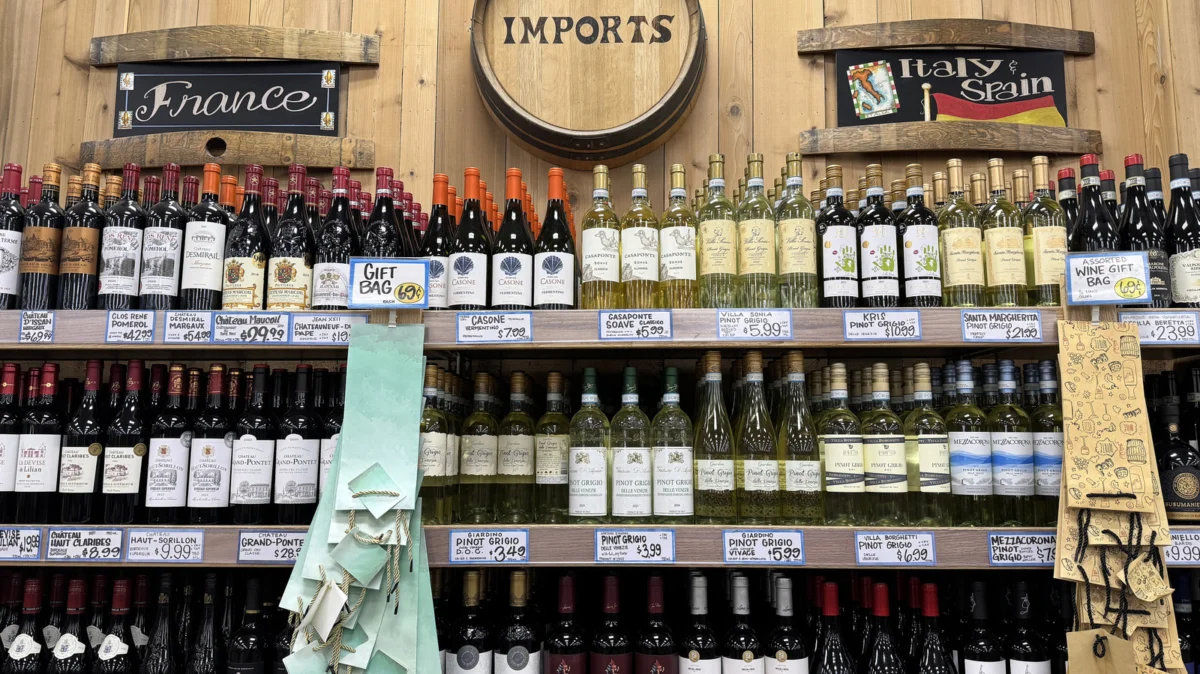
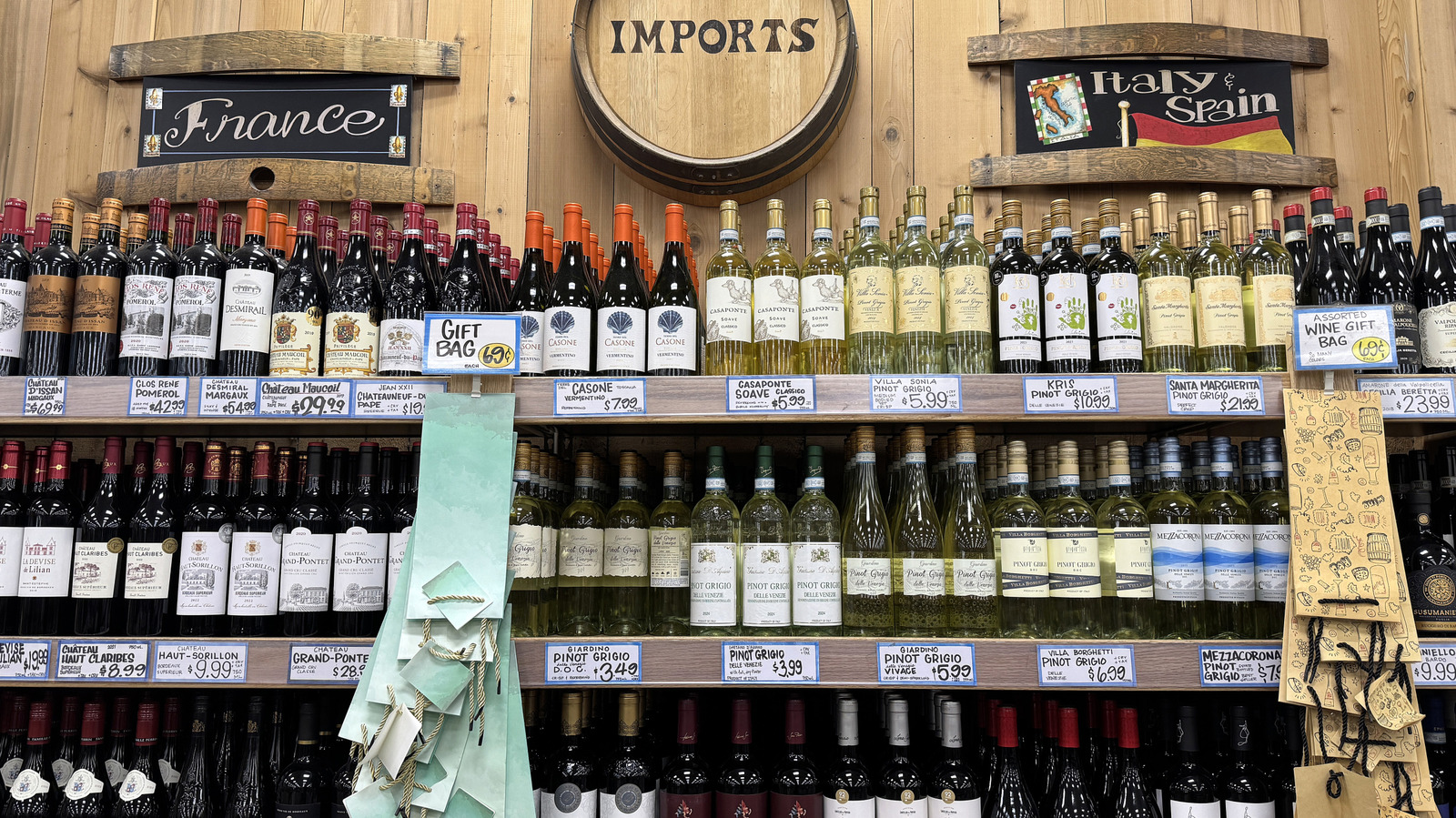
As the autumnal equinox passes and temperatures begin their seasonal decline, consumer behavior in the retail wine sector shifts toward products that provide increased body, complexity, and structural weight. Trader Joe’s, a national grocery chain renowned for its private-label wine program and high-volume procurement strategies, has adjusted its inventory to meet this demand. For the 2024-2025 autumn season, the retailer is positioning a diverse range of bottles—spanning from Argentine Malbecs to traditional-method French Crémants—to accommodate the transition from the light, high-acidity profiles typical of summer consumption to the more robust pairings required by seasonal culinary staples such as roasted root vegetables, stews, and holiday poultry.
Market Context and Seasonal Purchasing Trends
The wine industry generally observes a distinct pivot in consumer preferences during the final quarter of the year. Data from industry analysts suggests that while sparkling wines maintain consistent performance throughout the calendar year due to celebratory occasions, domestic and imported still reds—particularly those with moderate tannin profiles—experience a significant surge in sales volume beginning in October. This trend aligns with the "cozy" consumption cycle, where consumers prioritize wines that pair effectively with heavier, slow-cooked meals.
Trader Joe’s business model, which relies heavily on exclusive contracts with international vineyards and private-label production, allows the chain to offer premium-style wines at price points often 20% to 40% lower than traditional brick-and-mortar wine shops. By curating a selection that emphasizes regional diversity—including the Willamette Valley in Oregon and the Burgundy region in France—the retailer addresses both the value-conscious consumer and the enthusiast seeking specific regional characteristics.
Curated Selections for the Autumnal Palette
1. Cuy Malbec (Argentina)
Representing the "natural" wine movement, the Cuy Malbec offers a profile that deviates from the conventional, mass-produced Argentine exports. Natural wines, characterized by minimal intervention and the absence of heavy filtration, often exhibit a distinct "funk"—a term denoting secondary aromas like earthiness or barnyard notes. This bottle is noted for its bright red fruit foundation supported by deeper plum and blueberry undertones. Its moderate tannin structure makes it an accessible entry point for consumers moving away from the light-bodied wines of summer.
2. King Estate Willamette Valley Pinot Noir (Oregon, USA)
As of late 2024, Oregon’s Willamette Valley continues to be a benchmark for American Pinot Noir. The King Estate offering is characterized by its high-acid, medium-body profile, featuring notes of cherry and toasted spice. According to industry assessments, the wine serves as a bridge between casual weeknight drinking and formal holiday dining. Its popularity is bolstered by its versatility; it pairs effectively with the diverse flavor profiles found on traditional Thanksgiving menus, where acidity is necessary to cut through fatty proteins and heavy sides.
3. La Burgondie Crémant de Bourgogne (France)
Produced in the traditional method (méthode traditionnelle)—the same rigorous process used to produce Champagne—this Crémant offers a high-value proposition. While standard Prosecco relies on the Tank Method (Charmat) for mass-market production, the Crémant de Bourgogne undergoes secondary fermentation in the bottle, resulting in a more complex, bready, and brioche-like flavor profile. This makes it an ideal autumnal sparkling choice, as it possesses the weight and depth required for a transition into cooler weather.
4. Angeline Pinot Noir (California, USA)
For consumers seeking value-oriented Pinot Noir, the Angeline label remains a staple. While the varietal is notoriously difficult and expensive to cultivate due to the grape’s thin skin and susceptibility to rot, Angeline manages to maintain a retail price point that defies industry standards for the variety. The wine emphasizes bright, high-toned red fruit—cranberry, strawberry, and cherry—providing a refreshing alternative to the heavier, oak-dominated reds that define the winter season.
5. Slice Skin Contact White Wine
Skin-contact wines, or "orange wines," represent a growing segment of the market. By macerating white grape skins with the juice, producers extract tannins and pigments usually absent in white winemaking. The Slice label utilizes a blend of Chenin Blanc, Pinot Gris, and Colombard, resulting in a wine with an earthy, slightly tannic edge. This profile provides the complexity of a red wine with the aromatic profile of a white, making it a sophisticated choice for late-autumn evenings.
6. La Crema Sonoma Coast Pinot Noir (California, USA)
Positioned at a higher price bracket than the average Trader Joe’s inventory, this selection reflects the retailer’s attempt to capture the "premium-plus" market. Critics note the wine’s dynamic structure, characterized by pomegranate and vanilla notes derived from barrel aging. The persistence of its acidity ensures that the wine remains balanced, preventing the barrel-forward notes of cedar and clove from overwhelming the palate.
7. Pine Ridge Chenin Blanc + Viognier (California, USA)
This blend offers a solution for consumers who prefer white wine but require the structural weight to pair with richer, creamier autumnal dishes. The Chenin Blanc provides the high acidity necessary for longevity and brightness, while the Viognier adds a plush, aromatic component reminiscent of melon and stone fruit. It serves as a prime example of a transitional wine, bridging the gap between summer’s zest and winter’s richness.
8. La Granja 360 Tempranillo (Spain)
Tempranillo is the backbone of Spanish red wine production, particularly in the Rioja region. The La Granja 360 expression is notable for its medium-full body and high savory notes. Unlike Cabernet Sauvignon, which often requires significant aging to soften, this Tempranillo is approachable upon release. It provides a savory, tomato-and-dill-inflected profile that functions as an excellent accompaniment to heartier, rustic dishes like chili or roasted meats.
9. Ridge Vineyards Three Valleys Red Blend (California, USA)
Ridge Vineyards is a legacy producer in the California wine scene. Their Three Valleys blend, a Zinfandel-based wine, brings intensity and power to the table. The inclusion of American oak aging imparts notes of vanilla and toast, providing a bold, concentrated sip. This wine represents the upper limit of what is typically found on a standard grocery shelf, offering a high degree of craftsmanship that is increasingly accessible to the mass-market consumer.
Broader Economic and Culinary Implications
The strategy employed by Trader Joe’s in curating these selections serves as a reflection of broader economic trends in the wine industry. As inflation continues to impact discretionary spending, consumers are increasingly seeking "affordable luxury." The ability of a major retailer to provide access to high-quality viticulture—such as the Ridge Vineyards blend or the Willamette Valley Pinot—without the overhead of a dedicated sommelier-led boutique is a significant driver of consumer loyalty.
Furthermore, the emphasis on food-friendly wines underscores the culinary focus of the autumn season. The selections provided—ranging from the high-acid Crémant to the tannin-forward Tempranillo—demonstrate a sophisticated understanding of food pairing. By offering these at varying price tiers, Trader Joe’s ensures that the shift in seasonal palate is supported by a robust and accessible supply chain.
For the consumer, the methodology for choosing these wines should remain focused on the intended culinary pairing and the desired weight of the wine. Whether one is looking for the refreshing acidity of a white blend for a late-season brunch or the bold tannins of a Tempranillo for a post-sunset dinner, the current inventory at Trader Joe’s provides a comprehensive, data-backed guide for navigating the seasonal transition. As the market for wine continues to evolve, the ability to secure reliable, high-quality bottles at accessible price points remains a primary indicator of a successful seasonal retail strategy.
