
Historical Context and Culinary Evolution
French onion soup, or soupe à l’oignon, is historically rooted in the working-class districts of Paris. Known as a "peasant" dish due to the accessibility and low cost of onions, it gained prominence in the markets of Les Halles, where it was served to laborers and merchants. Traditionally, the dish consists of a deep, beef-based broth, a significant quantity of caramelized onions, and a thick layer of toasted bread topped with melted Gruyère or Comté cheese.
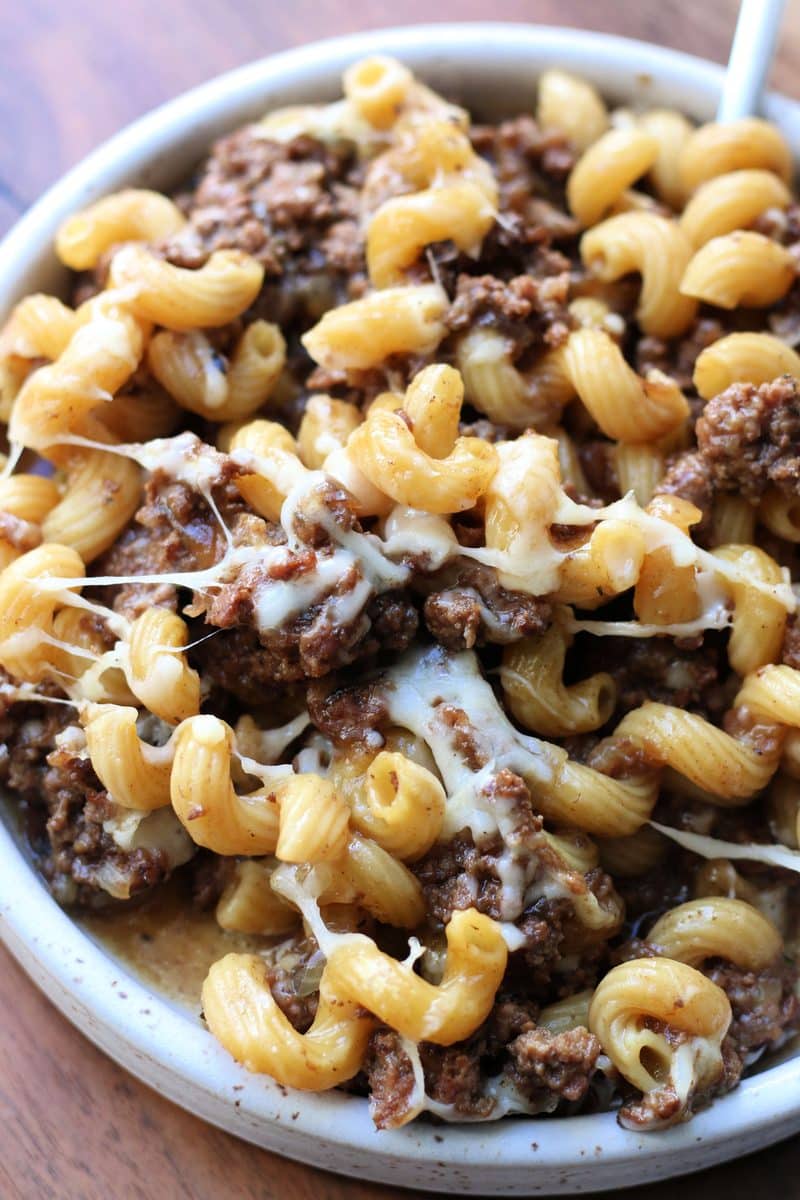
The evolution of this dish into a pasta-based gratin reflects a broader trend in North American home cooking: the "one-pot meal" movement. As modern households increasingly prioritize efficiency, culinary enthusiasts have sought to adapt time-intensive classics into formats compatible with multi-cookers. This specific iteration substitutes the traditional toasted bread croutons with cavatappi pasta, providing a structural foundation that absorbs the savory onion-infused broth while maintaining a firm texture under the pressure-cooking cycle.
Technical Methodology: The Role of Pressure Cooking
The transition from stovetop simmering to pressure cooking introduces specific chemical reactions that affect the final flavor profile. In an Instant Pot environment, the device creates a pressurized atmosphere that accelerates the Maillard reaction—the chemical process responsible for the browning and complex flavoring of proteins and sugars.
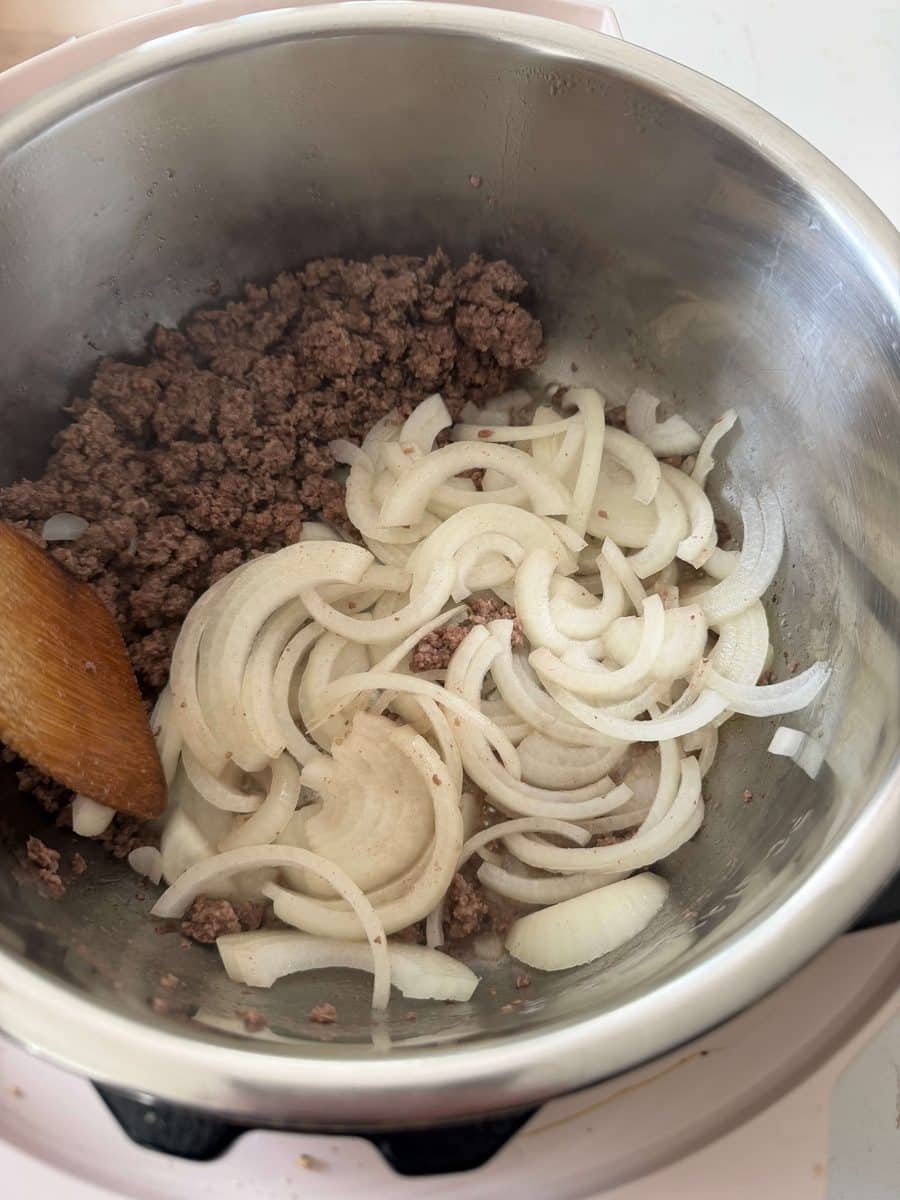
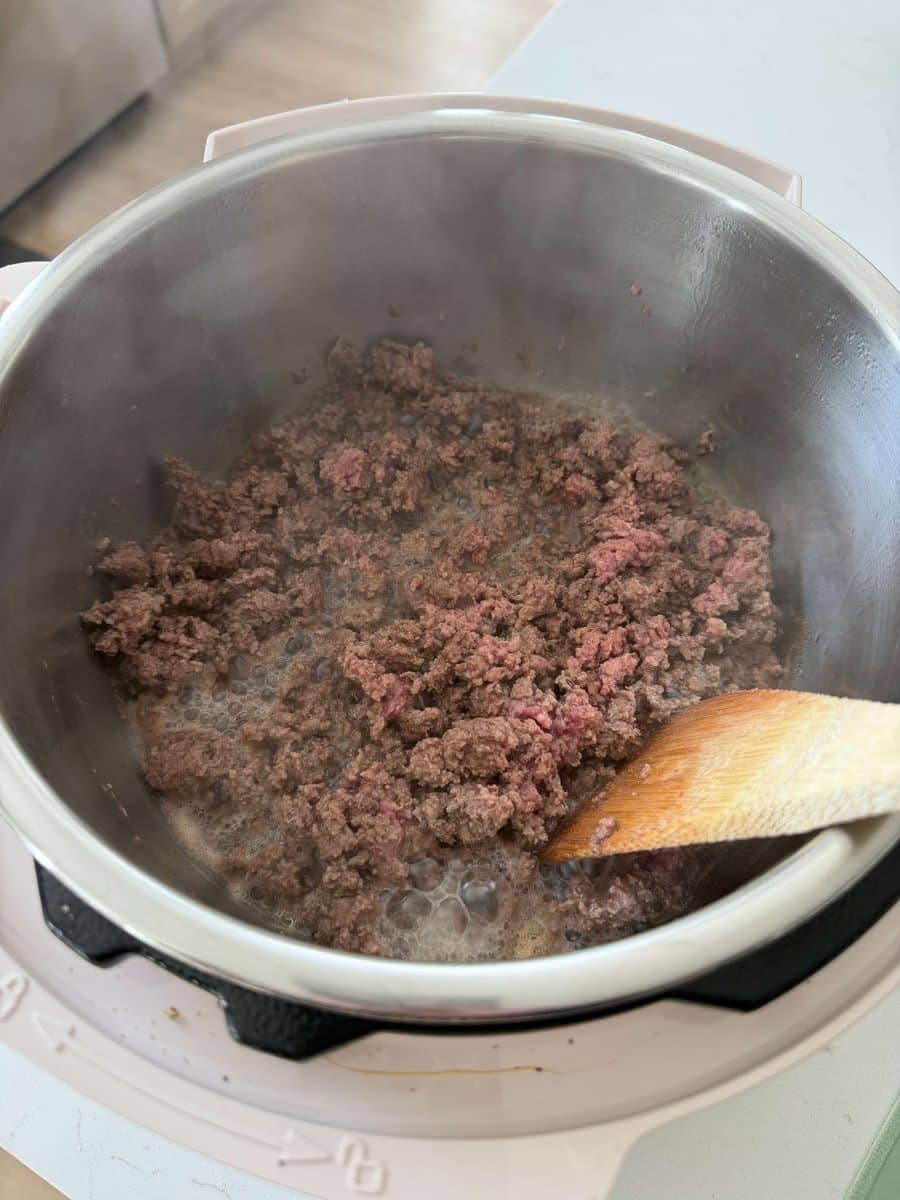
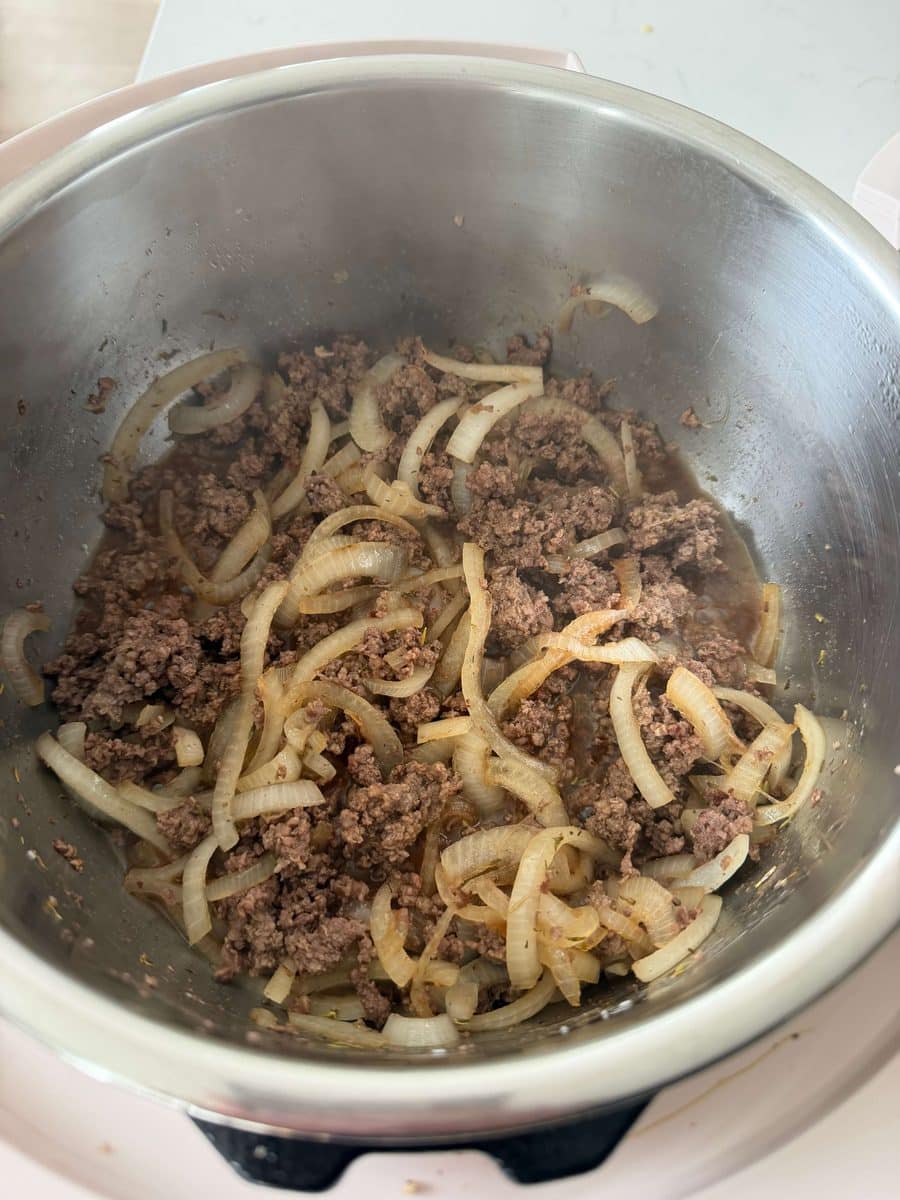
When preparing this dish, the process begins by browning ground beef on the "saute" setting. This initial searing is critical, as it renders the fat necessary to sauté the onions, which are added immediately after. The addition of water and the subsequent deglazing of the pot—a crucial step to prevent the "burn" warning on digital pressure cookers—ensures that the fond (the caramelized bits of meat and onion stuck to the bottom of the liner) is incorporated into the liquid base.
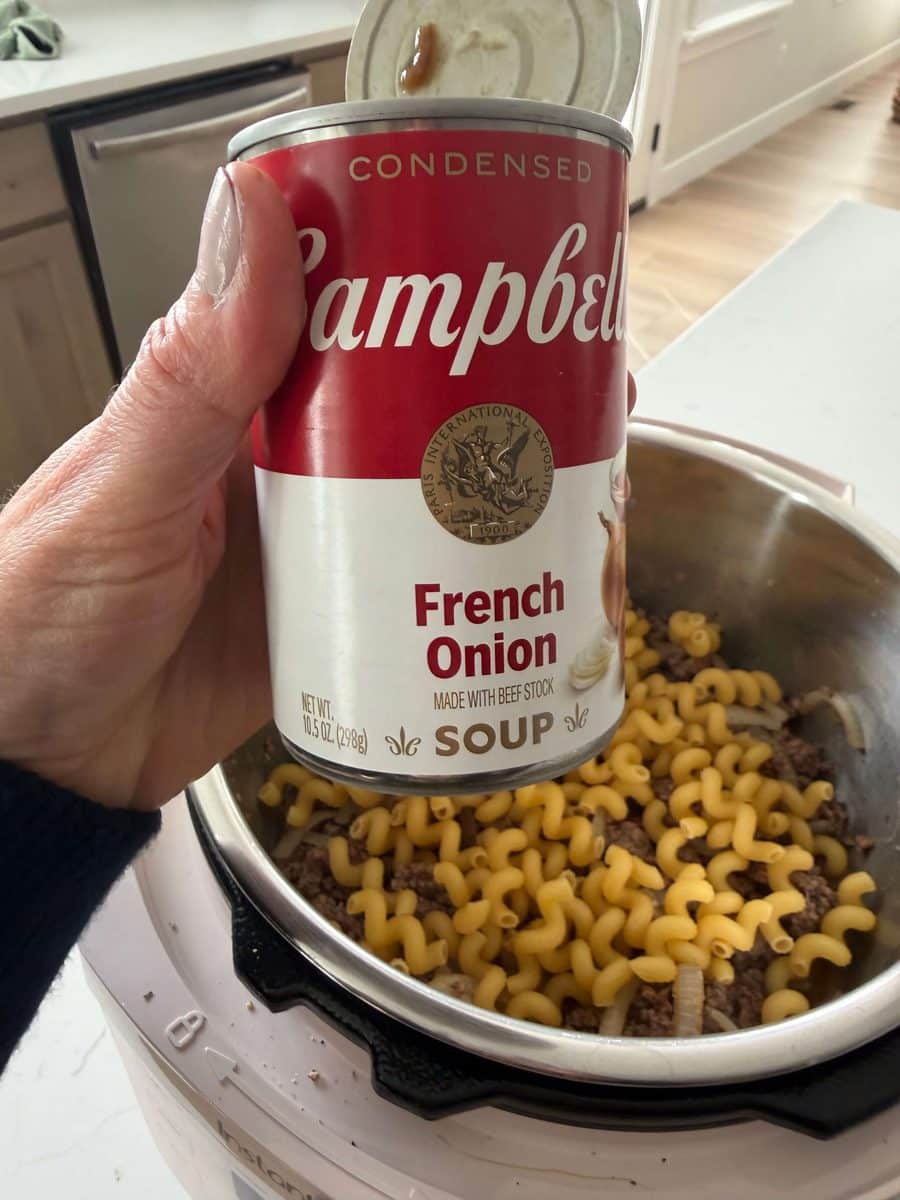
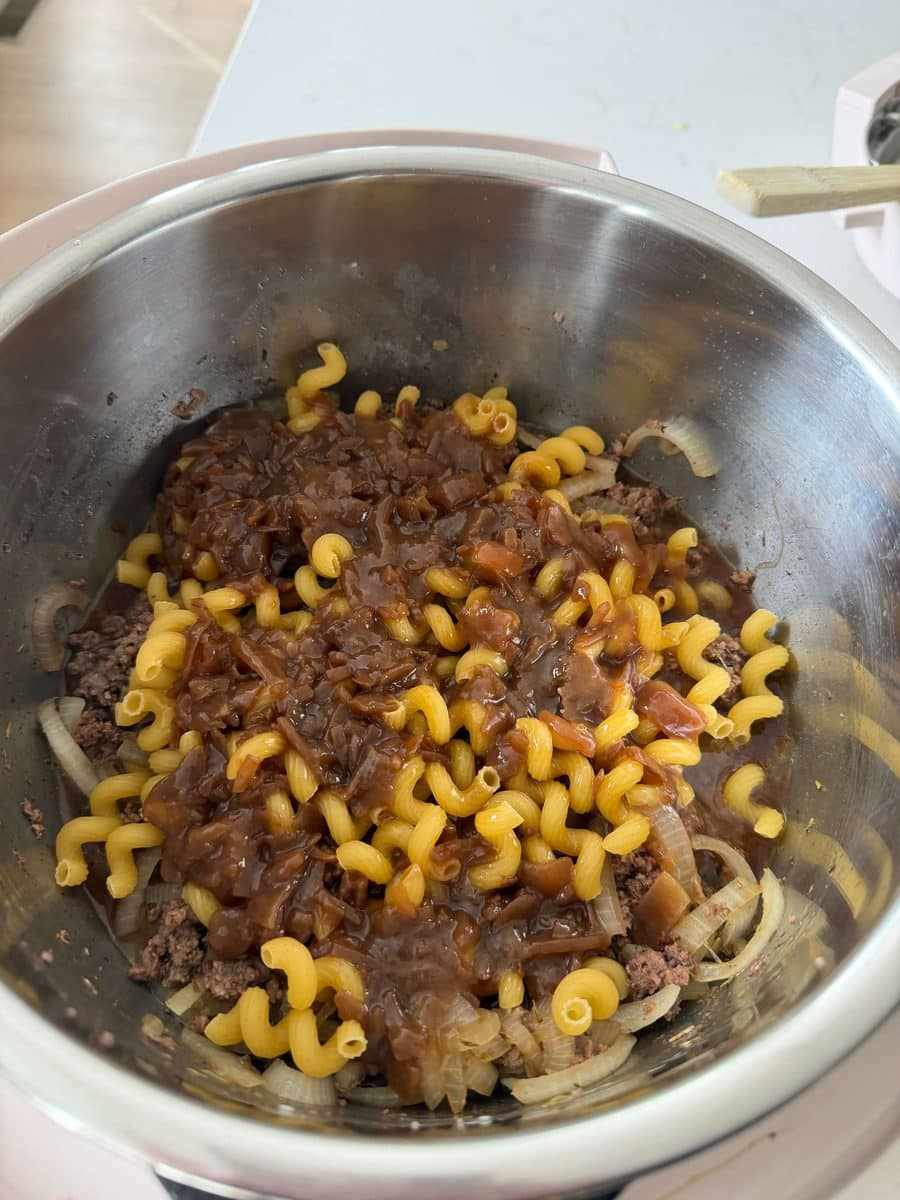
The pressure cooking phase, typically set for four minutes, is mathematically calculated to ensure that the pasta, specifically cavatappi, reaches a state of al dente perfection. Because pasta is highly absorbent, the ratio of liquid (French onion soup and water) is calibrated to ensure that by the time the pressure is released, the sauce has thickened sufficiently to coat the starch without leaving the pot dry.
Comparative Nutritional and Economic Analysis
From a nutritional standpoint, the incorporation of ground beef introduces high-quality protein and essential amino acids, while the onions provide dietary fiber and antioxidants, specifically quercetin. While traditional French onion soup is often viewed as a starter or a light meal, the addition of pasta transforms the dish into a calorie-dense entrée.
Economically, the shift toward using ground beef instead of the traditional beef shank or oxtail used in classic stocks makes the recipe highly accessible. Ground beef is consistently ranked as one of the most purchased protein sources in the United States, and the use of canned or carton-based French onion soup serves as a cost-effective alternative to preparing a 12-hour bone broth from scratch. For families, this dish offers a significant reduction in the cost per serving compared to restaurant-standard French onion soup, which often includes higher overhead costs related to labor and long-term refrigeration of perishable stocks.
Preparation and Workflow Logistics
The workflow for this dish adheres to a strict chronological sequence designed to maximize the utility of the multi-cooker. The process can be summarized as follows:
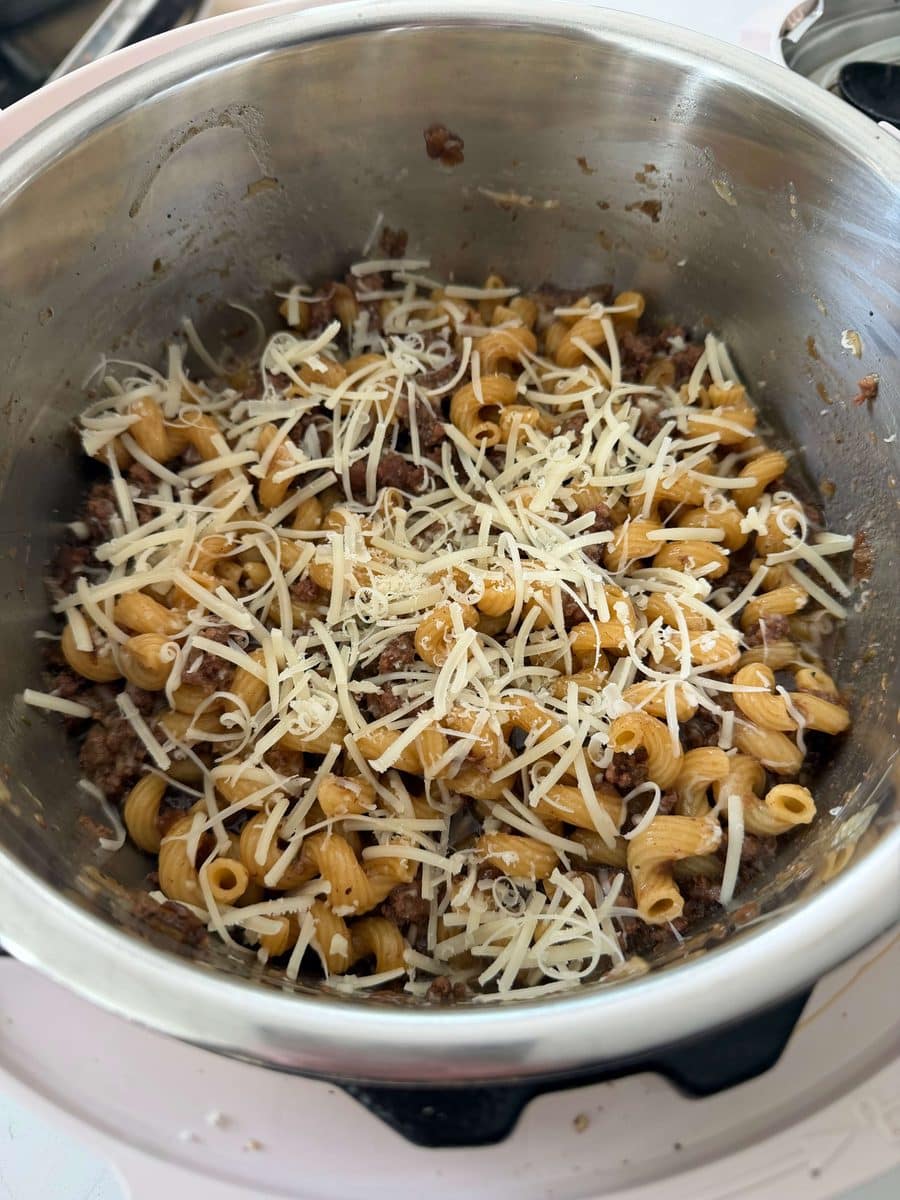
- Phase One: Sauté (0–8 minutes): Activation of the sauté function allows for the initial browning of ground beef. This is followed by the introduction of onions, which are softened in the rendered fat.
- Phase Two: Deglazing (8–10 minutes): Adding water to the pot allows for the scraping of the base. This ensures a clean surface and prevents the thermal sensors from triggering a failure due to burnt residue.
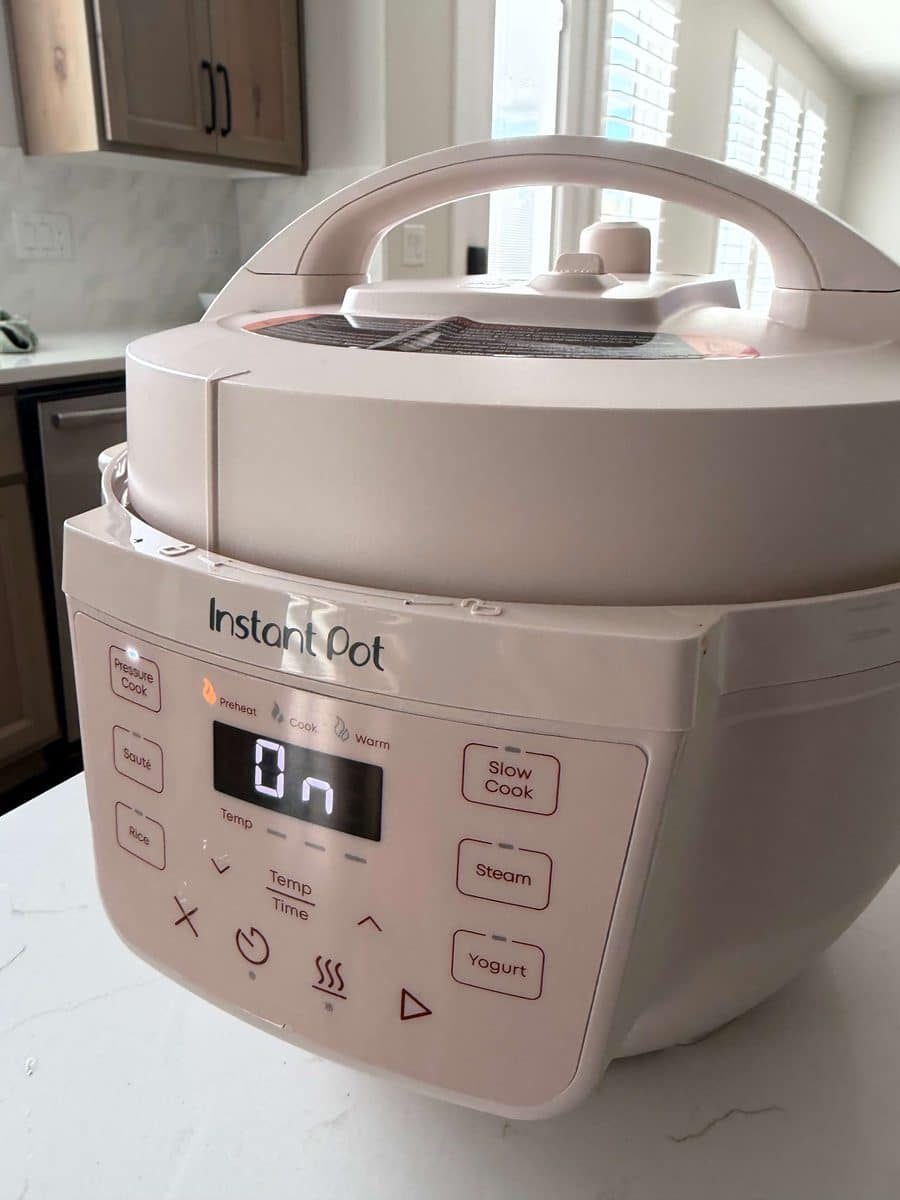
- Phase Three: Pressure Cycle (10–25 minutes): The lid is secured and sealed. A four-minute high-pressure cycle is initiated, followed by a natural pressure release period of 5–10 minutes. This resting phase is essential; it allows the pasta to finish absorbing the remaining liquid and prevents the starch from becoming gummy due to sudden pressure drops.
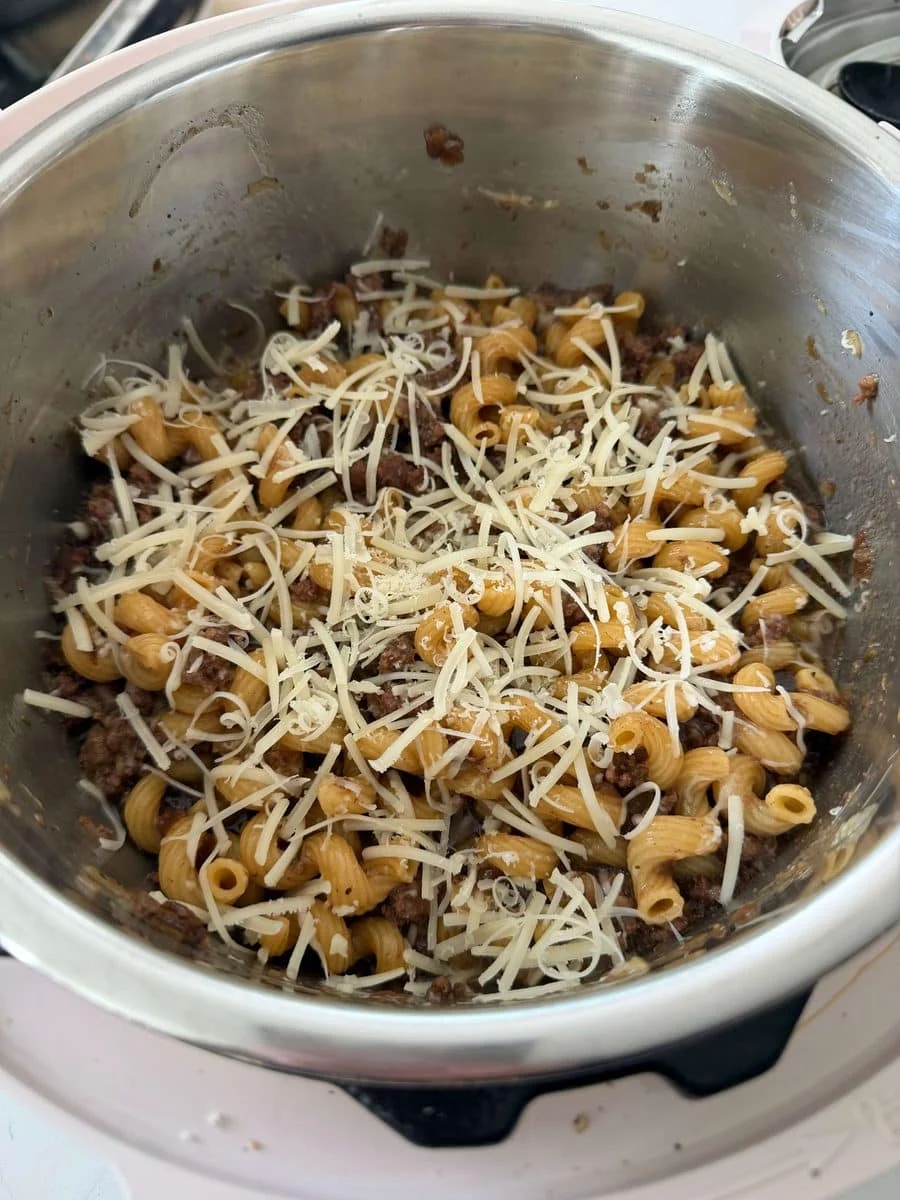
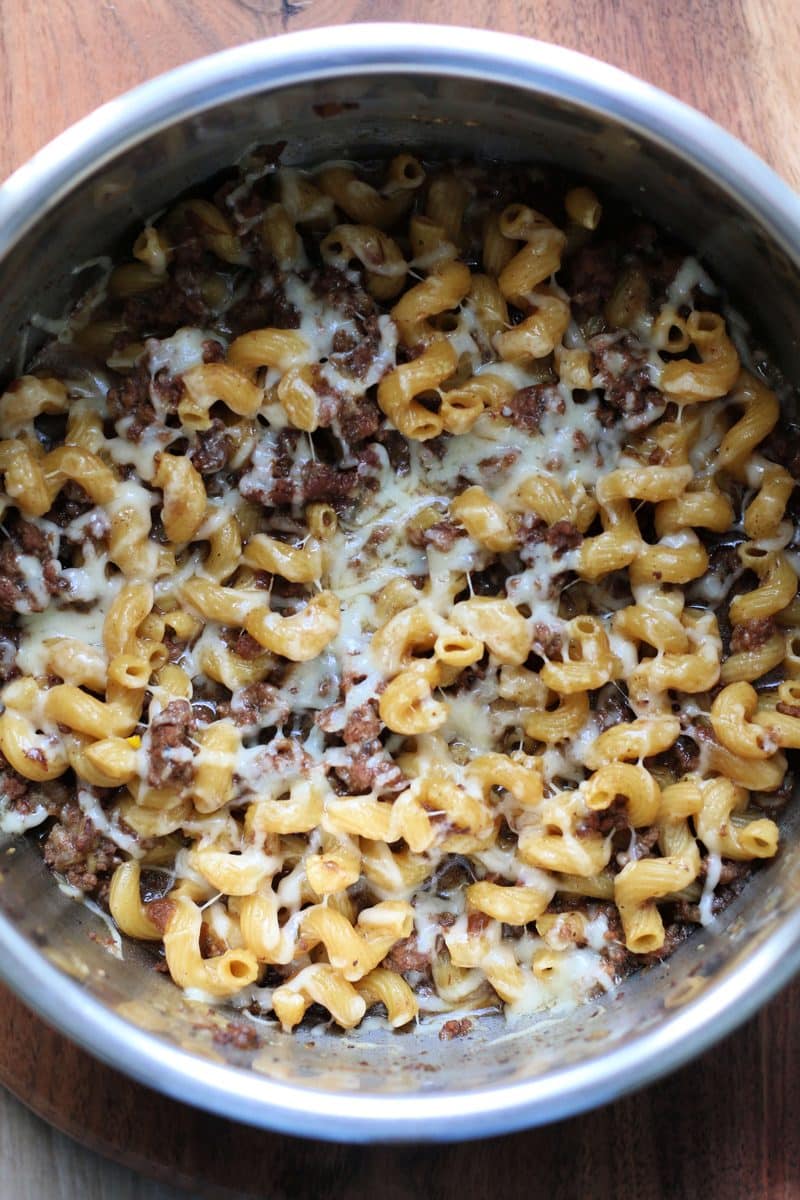
- Phase Four: Finishing (25+ minutes): Once the lid is removed, the cheese (traditionally Gruyère) is stirred in. A secondary heating element, such as an air-fryer lid or an oven broiler, is used to achieve the signature browned, bubbly crust characteristic of a true gratin.
Market Implications and Culinary Trends
The popularity of recipes like the French Onion Ground Beef Pasta Gratin is symptomatic of a larger shift in consumer behavior within the kitchenware industry. Sales data for multi-cookers, such as the Instant Pot, have remained robust over the last decade, driven by consumers seeking "dump-and-go" convenience without sacrificing the depth of flavor associated with slow-cooked meals.

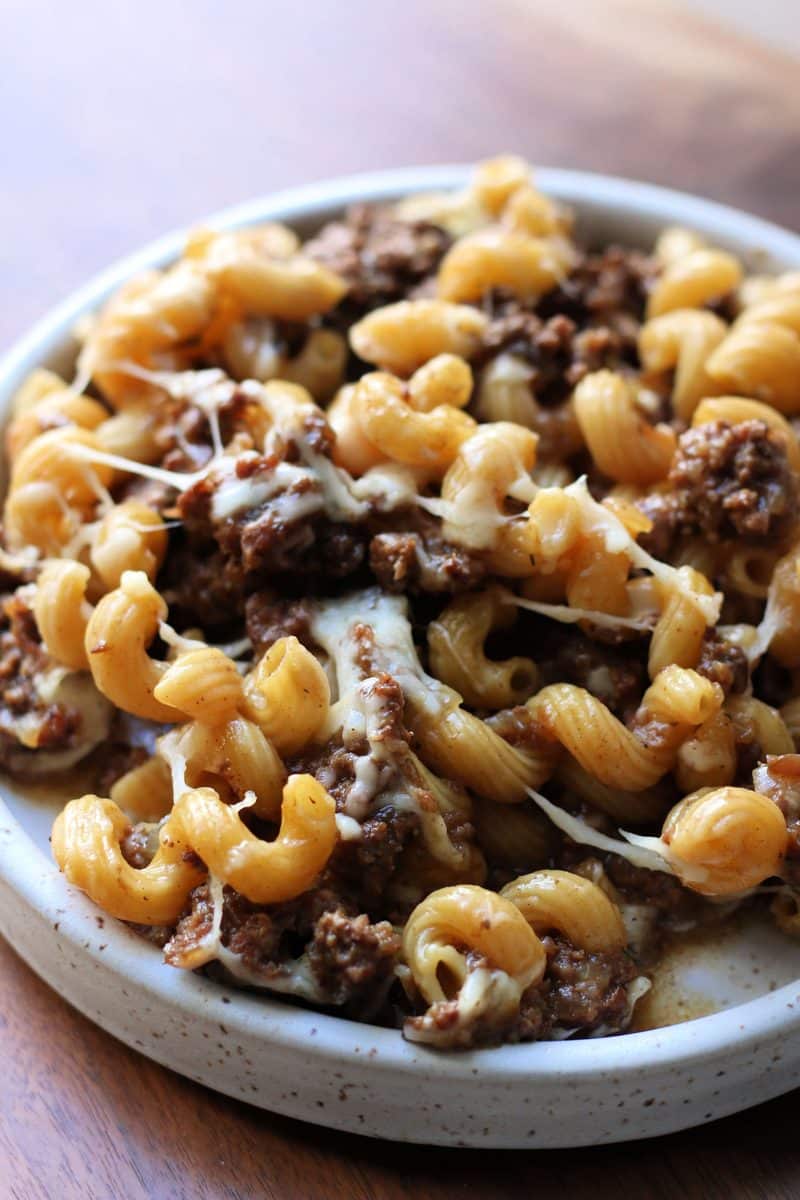
Food industry analysts note that "hybrid" recipes—those that bridge the gap between traditional comfort food and modern appliance convenience—are currently leading search trends. The "gratin" aspect of this dish, which relies on the cheese melting phase, addresses the consumer desire for sensory satisfaction (the "cheese pull" and the charred topping), which is frequently highlighted in social media food content.
Challenges and Refinements
While the dish is designed for ease, professional chefs and home economists note that temperature control during the final "melt" phase is the most common point of failure. If the broiler is left on for too long, the delicate Gruyère can separate into oils and solids, ruining the texture of the sauce.
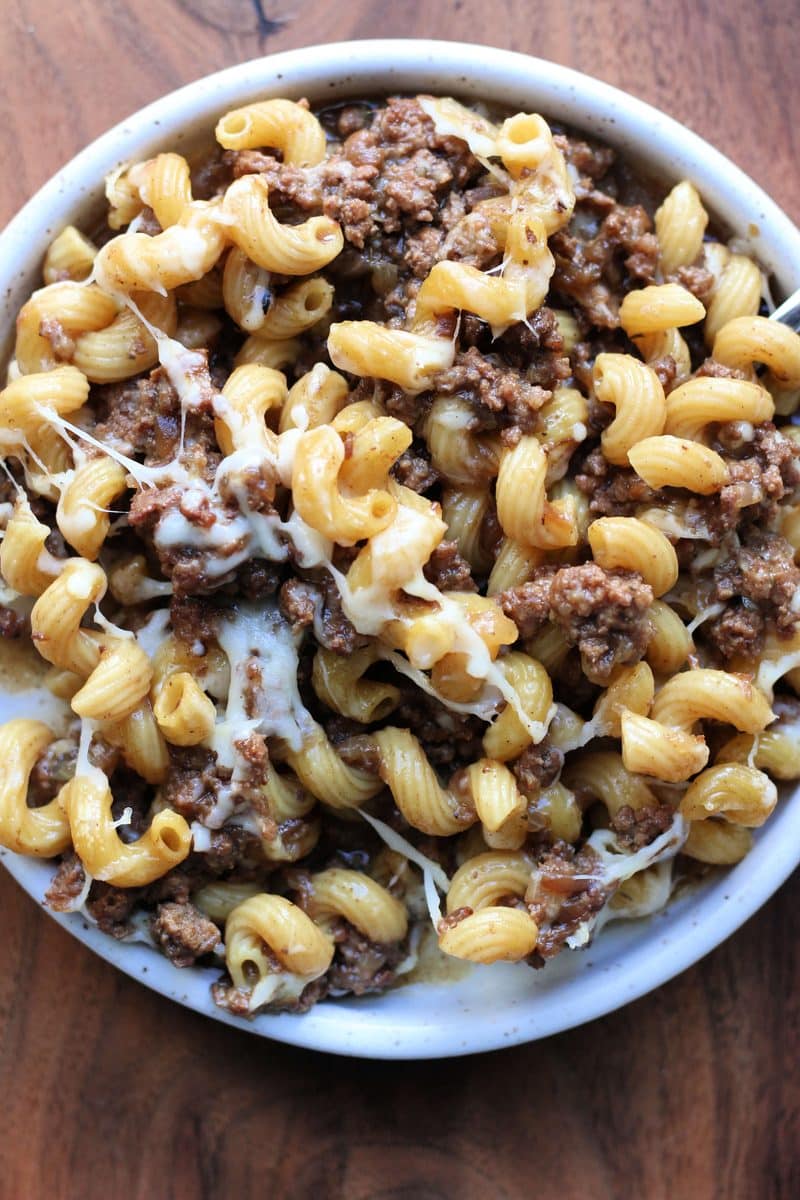
Furthermore, the choice of pasta shape is not merely aesthetic. Cavatappi, a corkscrew-shaped pasta, is chosen for its superior ability to capture and hold the onion-heavy sauce. Smooth pastas, such as penne or spaghetti, are often less effective in this specific application as they do not provide the surface area required to hold the dense, savory mixture.
Broader Culinary Impact
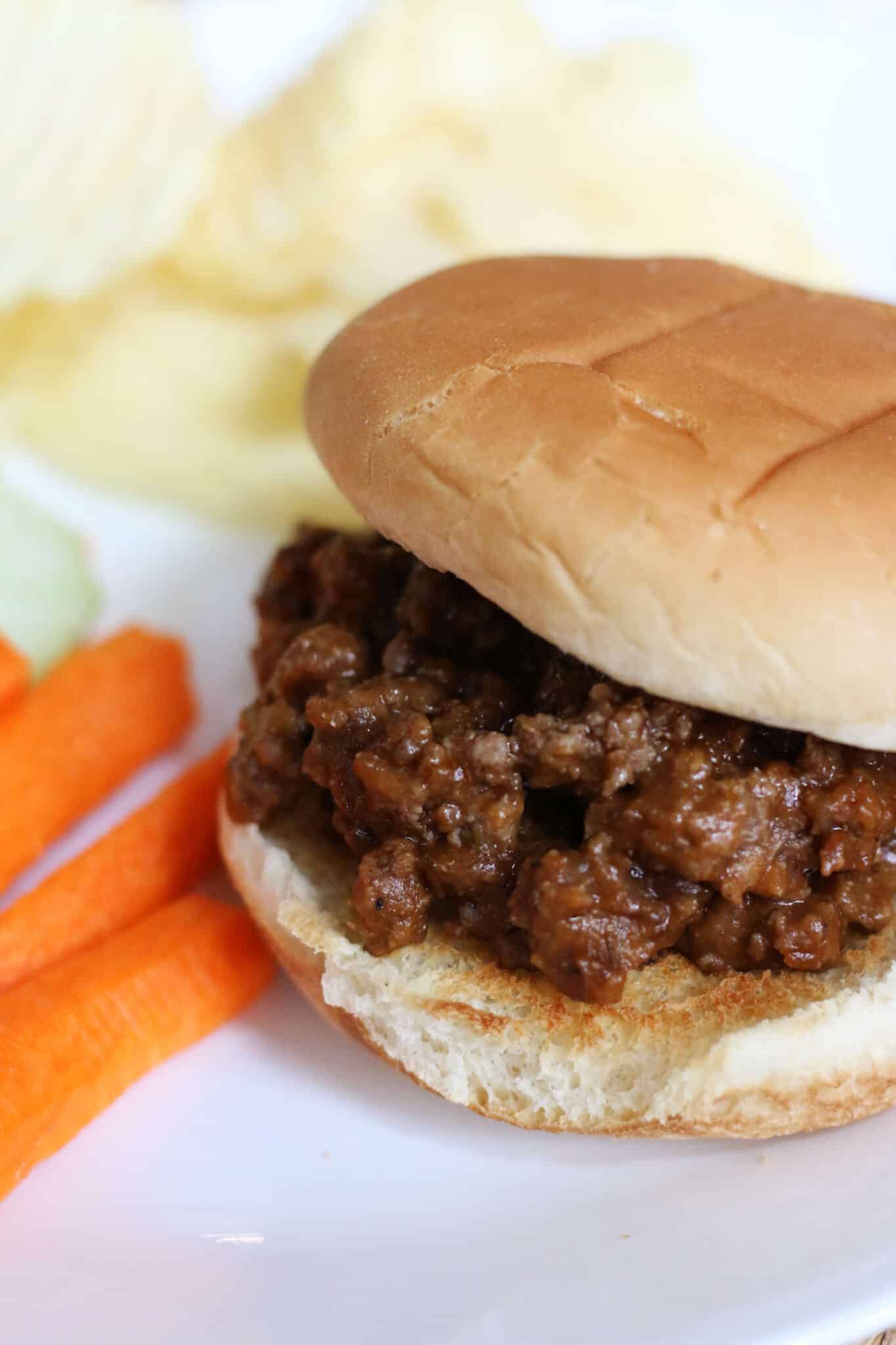
The integration of French onion flavor profiles into various other formats—such as the aforementioned sloppy joes, meatloaves, and potato casseroles—suggests that "French Onion" has transitioned from a specific soup recipe to a broader, recognizable flavor category in American cuisine. This category is characterized by the umami-rich combination of caramelized alliums, beef-based seasoning, and melted, nutty-flavored cheeses.

As food technology continues to advance, it is likely that more traditional, labor-intensive European dishes will undergo similar transformations. While purists may argue that the slow-caramelization of onions over a period of hours is the only way to achieve the true depth of flavor required for a classic French onion soup, the success of the gratin-style pasta demonstrates that modern consumers value the accessibility of the experience of the flavor over the rigid adherence to traditional methods.
In conclusion, the French Onion Ground Beef Pasta Gratin stands as a testament to the versatility of the modern home kitchen. By combining the historical legacy of Parisian cuisine with the efficiency of modern pressure-cooking, it provides a functional, cost-effective, and highly palatable solution for contemporary dining needs. As long as the integrity of the base ingredients—quality onions, savory beef, and authentic Gruyère—is maintained, this dish will likely remain a staple for households seeking the intersection of comfort and efficiency.
