
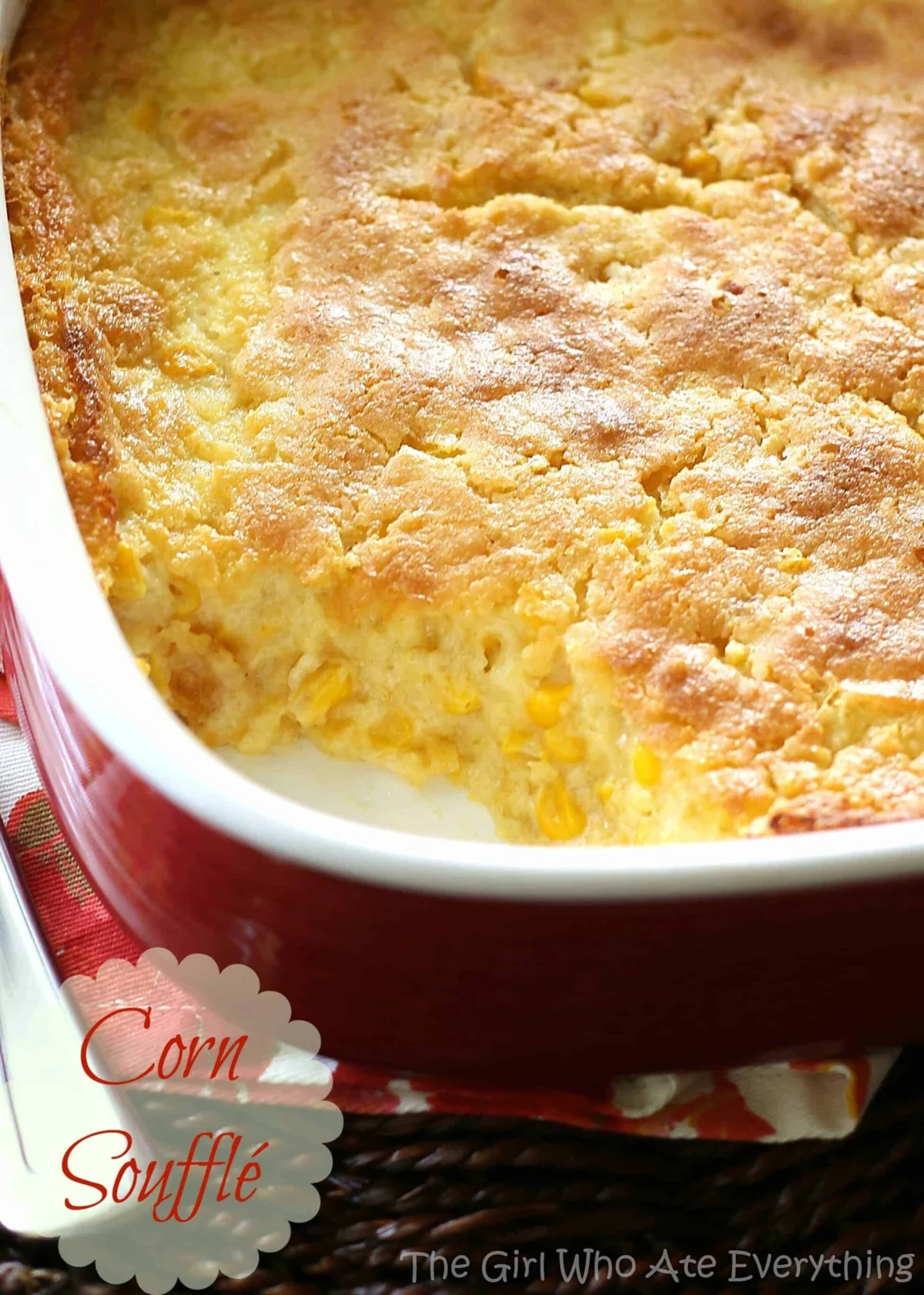
The traditional Thanksgiving table in the United States serves as a cultural repository for regional culinary history, where classic side dishes often command as much attention as the roasted turkey itself. Among these perennial favorites, corn casserole—frequently referred to as corn pudding, spoon corn, or corn soufflé—stands out as a primary example of comfort food that has evolved from humble, Depression-era roots into a centerpiece of holiday dining. While modern food trends have seen a surge in requests for "health-conscious" or "skinny" holiday alternatives, the enduring popularity of corn casserole underscores a persistent public preference for indulgent, traditional preparations during the festive season.
Historical Context and Culinary Evolution
The origins of corn-based puddings in American cuisine can be traced back to the early colonial period, drawing heavily on Indigenous agricultural practices involving maize. Historically, early settlers adopted the use of cornmeal to create "hasty puddings" or "suppawn," a porridge-like dish that eventually evolved into the baked casseroles recognized by modern consumers.
The mid-20th century marked a significant turning point in the preparation of these dishes. With the introduction of pre-packaged convenience products, such as the Jiffy corn muffin mix, the recipe underwent a rapid democratization. By simplifying the base components—combining canned creamed corn, whole-kernel corn, and a prepared cornbread mix—home cooks were able to produce a sophisticated, custard-like side dish with minimal preparation time. This shift transformed the dish from a labor-intensive endeavor into a reliable staple that could be prepared in under ten minutes, facilitating its ubiquity at large family gatherings.
Nutritional Profile and Contemporary Dietary Trends
In recent years, the culinary landscape has been increasingly influenced by a movement toward calorie-conscious substitutions. However, data from consumer research suggests that during the Thanksgiving period—which accounts for the highest single-day caloric intake for the average American adult—there remains a strong cultural resistance to modifying "classic" holiday recipes.
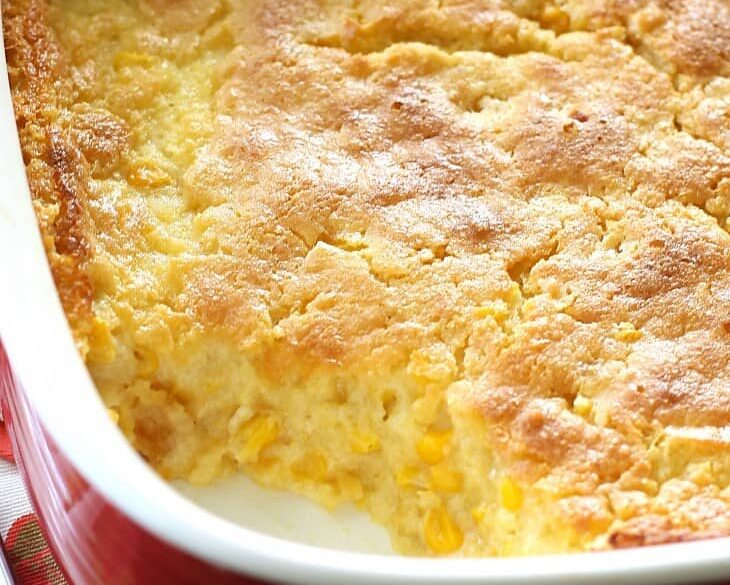
A standard serving of traditional corn casserole, typically prepared with butter, creamed corn, and pre-mixed cornmeal, contains approximately 316 kilocalories, 32 grams of carbohydrates, and 18 grams of fat. While these figures represent a dense caloric load, culinary historians argue that the function of such dishes is psychological rather than nutritional. For many, the consistency of the menu—the inclusion of high-calorie, "comfort-oriented" sides—is intrinsically linked to the nostalgic value of the holiday. The resistance to "health-ifying" these recipes reflects a broader social phenomenon where holidays are treated as a sanctioned departure from standard dietary restrictions.
Logistics of Holiday Preparation
For the average household, the logistical challenges of managing a Thanksgiving oven schedule are substantial. The corn casserole occupies a unique position in this workflow due to its versatility regarding temperature. Unlike roasted meats, which require precise timing, or mashed potatoes, which suffer in texture if held for too long, corn casserole is exceptionally forgiving.
According to food safety guidelines and culinary best practices, the dish can be prepared up to 72 hours in advance. When stored in an airtight container under refrigeration, the chemical structure of the starch and custard remains stable. Reheating procedures are straightforward: the casserole can be returned to a 350-degree Fahrenheit oven for 10 to 15 minutes. Furthermore, the dish is highly stable for long-term storage; it can be frozen for up to three months. When thawed properly in a refrigerator, it retains its structural integrity, making it one of the few holiday sides that can be effectively managed via batch cooking well ahead of the holiday deadline.

Scalability and Large-Scale Catering
The scalability of the corn casserole makes it a frequent choice for large gatherings. The standard recipe, designed for an eight-inch square pan, can be easily adjusted for larger groups. Professional caterers and home cooks alike often utilize 9-by-13-inch baking pans to double the output.
When scaling the recipe, practitioners emphasize the importance of monitoring the bake time. Because of the increased mass in a larger vessel, cooking times typically require an extension of 10 to 15 minutes. The indicator for readiness is a lack of "jiggle" in the center of the pan, which signifies that the egg-and-corn mixture has fully coagulated into a firm custard. Because the dish is dense, using a shallower, larger pan or a deep-dish container placed on a rimmed baking sheet helps manage the heat distribution, preventing the edges from burning before the center is set.
Consumer Feedback and Cultural Significance
The sustained popularity of the dish is reflected in the high volume of anecdotal evidence and user-generated content across digital platforms. Culinary experts note that the "no-egg" variations, often found in vintage recipe collections, remain favored for their specific texture. Unlike a true soufflé, which relies on whipped egg whites for aeration, the corn casserole utilizes the starch from the corn and the leavening agents in the cornbread mix to achieve its signature density.
Recent surveys of holiday food preferences indicate that while the turkey remains the symbolic anchor of the meal, the side dishes are the primary drivers of consumer satisfaction. The inclusion of corn casserole at the table is often cited as a "comfort marker," providing a contrast in texture and flavor to the savory, protein-heavy main course. This combination of sweet and savory notes is a hallmark of Southern American cuisine, which has heavily influenced the national Thanksgiving palate.

Broader Impact and Future Outlook
The persistence of this dish in the American culinary canon provides an interesting case study for the intersection of convenience and tradition. As food technology continues to evolve, the reliance on processed components like canned corn and commercial muffin mixes remains surprisingly resilient. Even as artisanal and scratch-made cooking trends gain traction, the "classic" version of the corn casserole maintains its dominance, likely due to the specific flavor profile that only these standardized, processed ingredients can produce.
Looking forward, the role of the corn casserole at the Thanksgiving table appears secure. As younger generations adopt the traditions of their predecessors, the "no-liberties-taken" approach to the recipe—preserving the vintage preparation style—serves as a bridge between the culinary past and the future. By maintaining the integrity of this dish, families continue to participate in a shared national ritual, emphasizing that the value of the meal is found as much in its reliability and nostalgia as in its ingredients.
While the culinary world may continue to debate the merits of macro-nutrient modification, the consensus among holiday diners remains clear: the preservation of traditional recipes serves a vital role in the preservation of the holiday experience itself. The corn casserole, in all its caloric and comforting simplicity, remains a testament to the fact that for many, Thanksgiving is not a time for restraint, but for the celebration of heritage through food.
