
The Evolution of a Culinary Classic
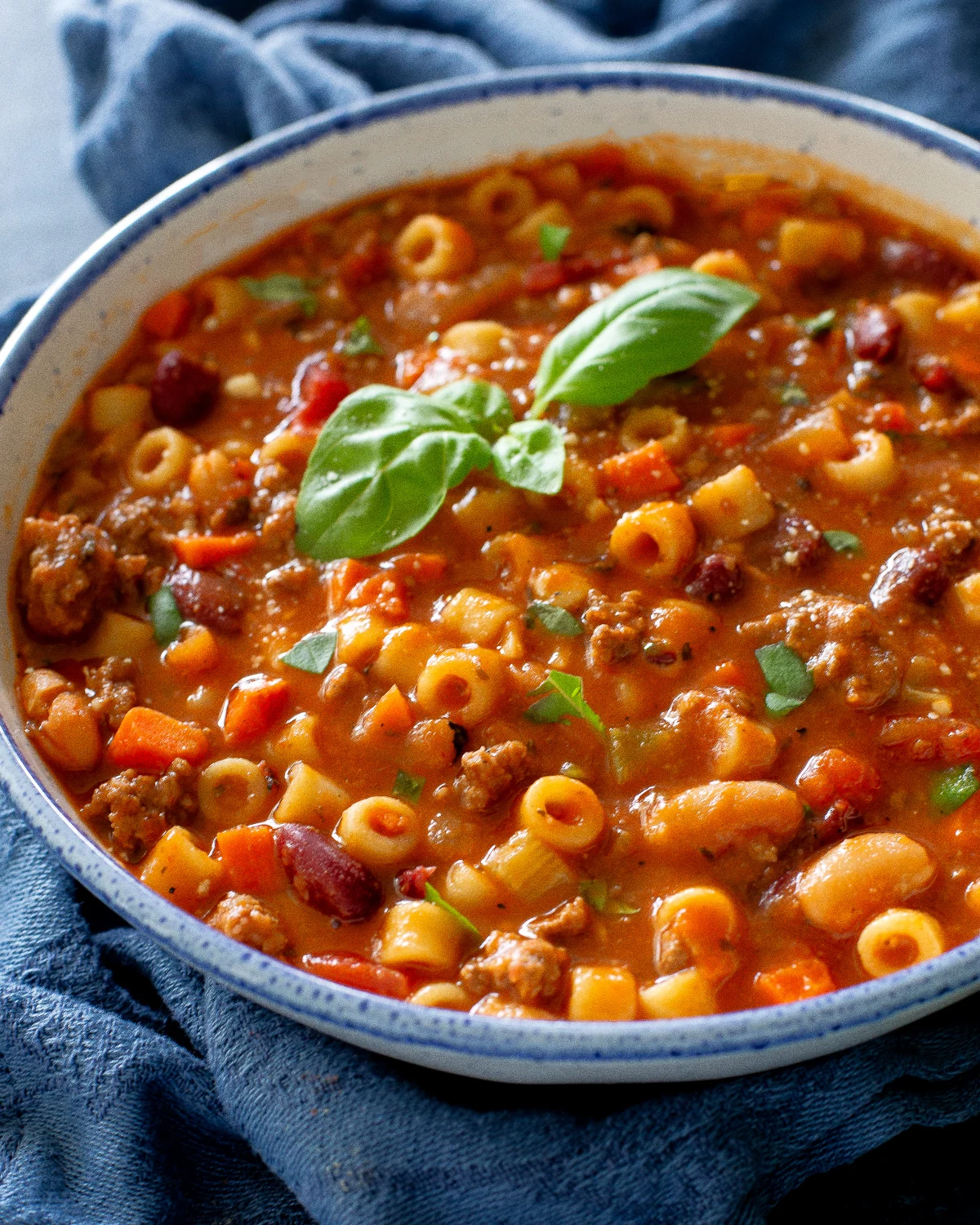
The history of Pasta e Fagioli is rooted in the "cucina povera" or "kitchen of the poor" philosophy of Italy. In centuries past, meat was often a luxury, and legumes served as the primary source of nutrition for the working class. The original iterations were strictly vegetarian, relying on beans—often borlotti or cannellini—to provide substance. Over time, as migration patterns and agricultural trade expanded, the recipe evolved significantly. In the United States, it became a fixture of Italian-American cuisine, often undergoing a transformation that prioritized heartier, more caloric profiles, such as the addition of ground beef, tomatoes, and smaller pasta shapes like ditalini or shells.
While there is no single standardized recipe, the modern version typically utilizes a mirepoix base—onions, carrots, and celery—sautéed to create a flavor foundation. The inclusion of high-quality beef broth and tomato sauce provides a savory depth that separates it from lighter minestrone variants. The structural integrity of the soup depends on the timing of the pasta addition; culinary experts frequently recommend cooking the pasta separately to prevent the starch from over-absorbing the broth, which can lead to a mushy texture if left to sit for extended periods.
Nutritional Profile and Dietary Implications
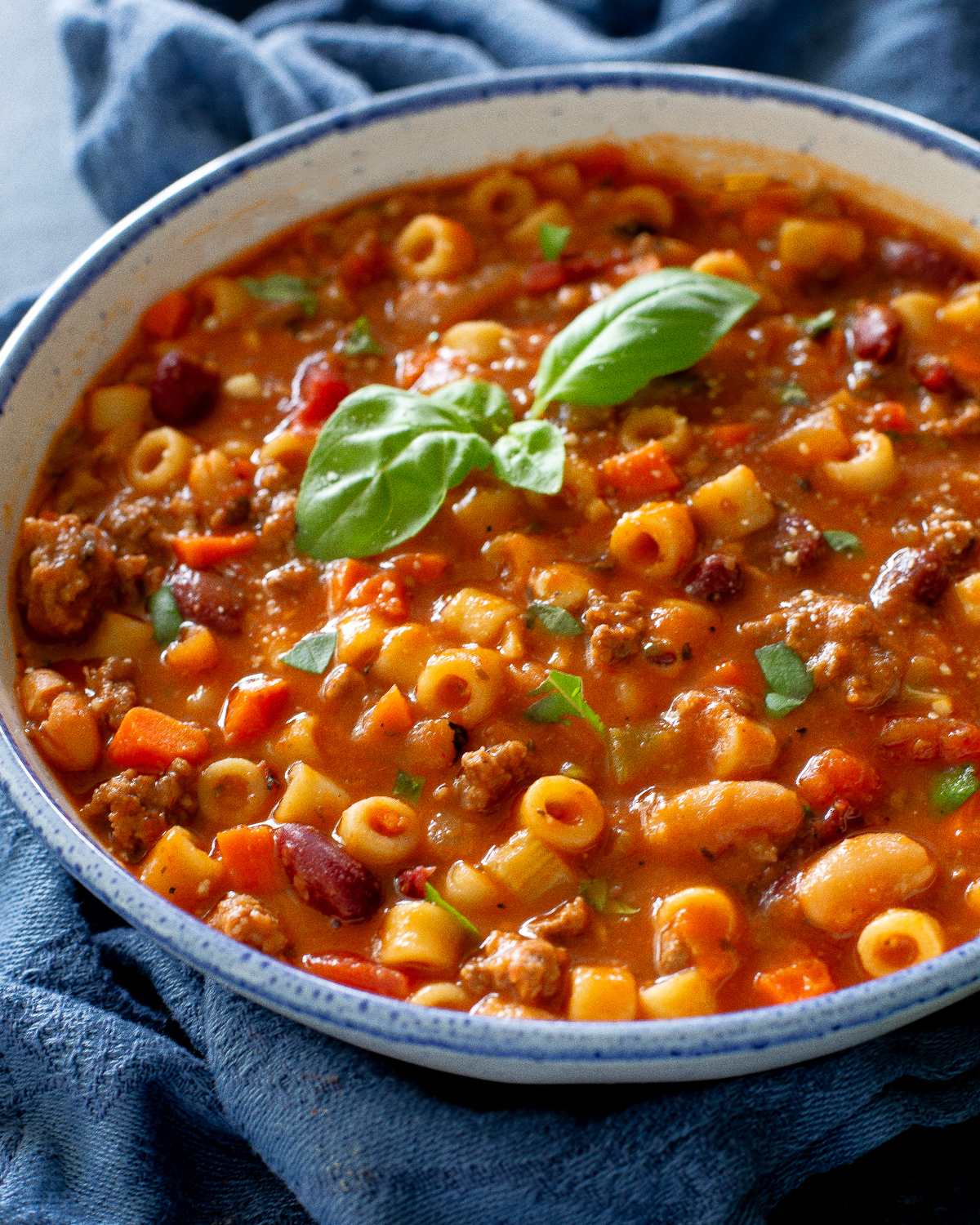
From a nutritional standpoint, Pasta e Fagioli provides a balanced intake of macronutrients. A standard six-serving batch, as analyzed in recent culinary reports, typically contains approximately 329 calories per serving. The combination of beans and ground beef offers a significant protein content, averaging 21 grams per serving, which contributes to satiety. The fiber content, derived from the legumes and vegetables, aids in digestion, though the sodium content—averaging 848mg per serving—remains a factor for those managing blood pressure or heart health.
The dish is also rich in essential vitamins, particularly Vitamin A, often found in high quantities due to the inclusion of carrots and tomato-based ingredients. With 15 grams of fat and 27 grams of carbohydrates, it functions as a complete meal rather than a simple starter, making it an efficient option for home meal planning.
Chronology of Preparation and Best Practices
For those preparing the dish in a home kitchen, the process generally follows a 45-minute timeline from start to finish. The chronology of preparation is essential for maintaining the textural contrast between the tender beans and the firm pasta:
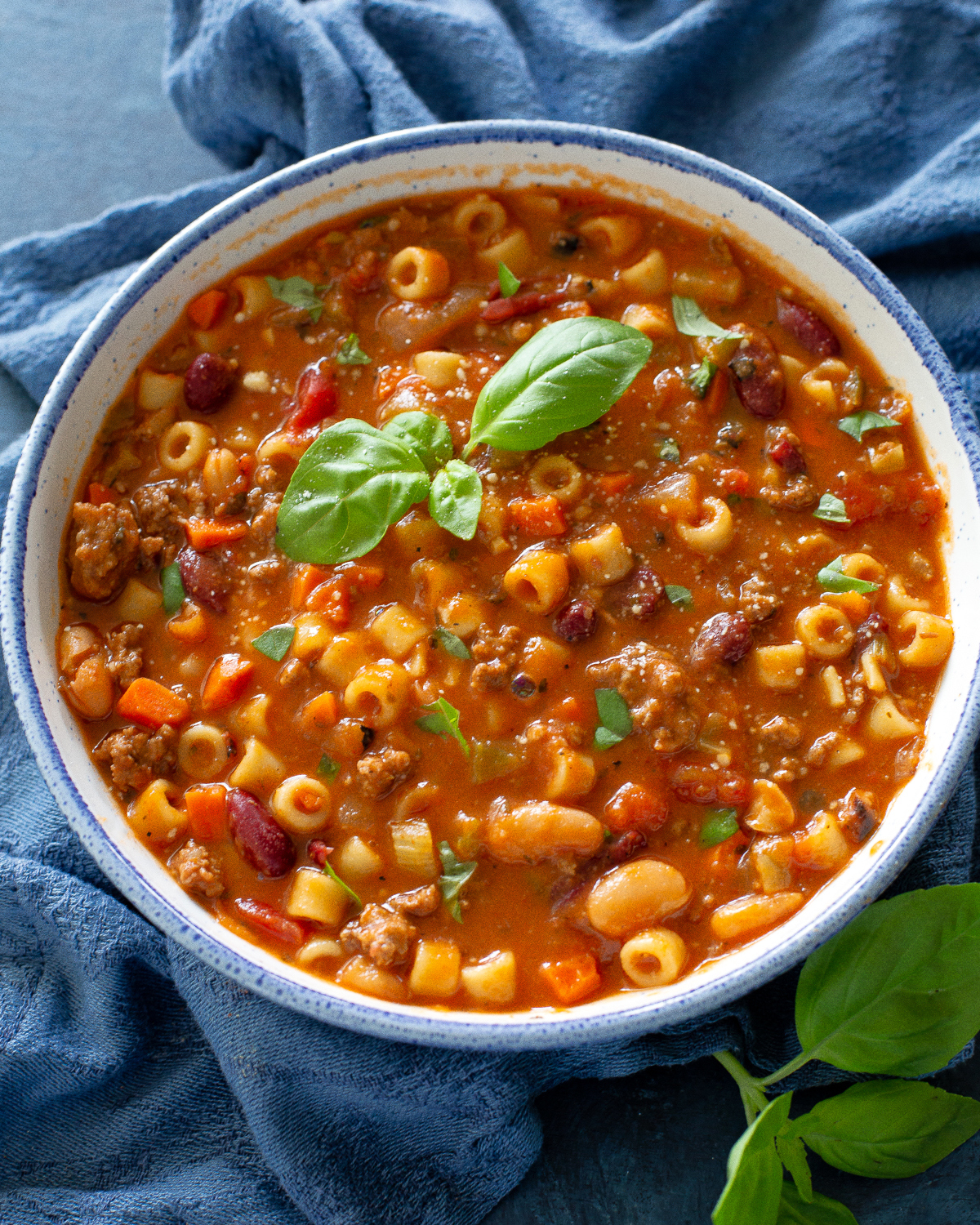
- The Foundation (0-15 minutes): The process begins with browning the ground beef, followed by the sautéing of aromatics. This stage is critical for developing the Maillard reaction, which adds complexity to the final broth.
- The Simmer (15-35 minutes): Once the broth and tomato base are added, the soup must simmer to allow the flavors to meld. It is during this time that the vegetables soften and the beans release their starch, thickening the liquid.
- The Final Integration (35-45 minutes): The pasta is introduced toward the end of the cooking process. If the intention is to store the meal for later consumption, professional chefs advise holding the pasta separate from the broth to maintain the ideal texture.
Economic and Social Context
The popularity of Pasta e Fagioli has seen a resurgence in recent years, driven by economic factors and a renewed interest in home-cooked, "cozy" meals. As grocery prices fluctuate, the dish remains a cost-effective solution for families. Its shelf-stability is also a noted advantage; when stored properly, the soup can last up to four days in a refrigerator. For longer-term storage, freezing is a viable option, provided the pasta is omitted during the freezing process. When thawed and reheated, the addition of a fresh batch of pasta or a splash of broth can restore the soup to its original consistency.
Industry analysts note that comfort foods have seen a 12% increase in search interest during autumn and winter months over the last five years. Pasta e Fagioli, specifically, occupies a unique space in the market because it bridges the gap between traditional heritage recipes and modern, convenience-oriented cooking.
Broader Culinary Impact
The impact of this dish on contemporary dining is evident in the frequency with which it appears on the menus of both casual dining chains and upscale bistros. By utilizing simple, accessible ingredients, it demystifies the cooking process for novice cooks while offering enough complexity to satisfy experienced chefs. Its ability to serve as a "blank canvas" for various vegetables—such as spinach, kale, or zucchini—makes it a staple for those looking to incorporate more produce into their diets without sacrificing the savory appeal of a meat-heavy dish.
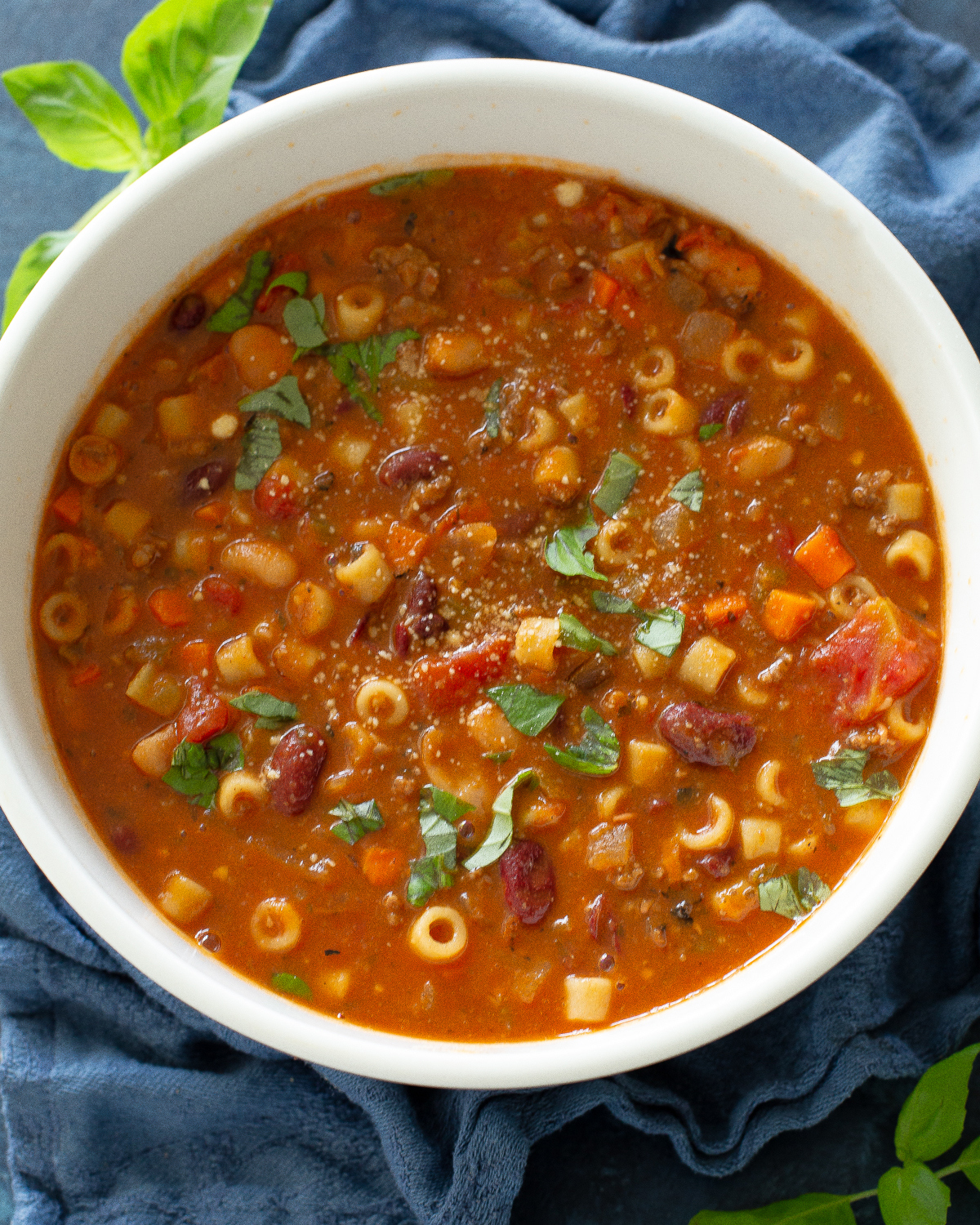
Furthermore, the communal nature of the soup—often served with sides like garlic bread or a crisp green salad—reflects a broader social trend toward home-centric dining. In an era where many consumers are looking to reduce dining-out costs, recipes that offer high nutritional density and yield large portions are increasingly prioritized in domestic food planning.
Conclusion: A Legacy of Versatility
Pasta e Fagioli remains a testament to the endurance of traditional recipes. Its transition from a peasant staple to a globally recognized comfort food highlights the importance of simple, high-quality ingredients. Whether served in a professional setting or a home kitchen, the soup provides a reliable, nutrient-rich option that adapts to modern dietary needs. As food culture continues to evolve, the core components of this dish—the harmony of pasta, beans, and aromatics—ensure its place in the repertoire of future generations. The key to its success remains in the preparation: respecting the timing of the ingredients and ensuring the broth is rich enough to tie the disparate elements together into a cohesive, satisfying whole. Through its blend of history, nutrition, and ease of preparation, Pasta e Fagioli continues to stand as a pillar of culinary tradition.
