
Historical Context and Norse Origins
The etymological roots of the Orkney Broonie provide significant insight into its place within the Scottish diet. Linguistic analysis suggests the name is derived from the Old Norse term brúni, which translates to a thick bannock or flatbread. This nomenclature highlights the deep-seated Scandinavian influence on the Orkney Islands, which were under Norse control until the 15th century. Unlike modern cakes, which often rely on refined ingredients, the traditional Broonie was designed for longevity and sustenance, utilizing the readily available staples of the Northern Isles: oats and warming spices.

The recipe gained significant academic and cultural traction in the 20th century, most notably through the work of F. Marian McNeill. In her seminal 1929 work, The Scots Kitchen, McNeill documented the regional variations of Scottish foodways, identifying the Broonie as a staple of the Orcadian hearth. Her research serves as the primary archival source for historians attempting to reconstruct the pre-industrial diet of the islands. The evolution of the recipe from a utilitarian bannock to a contemporary loaf reflects broader shifts in domestic cooking, where ingredients like ginger and refined sugar—once exotic luxuries—became accessible to the general population.

Technical Evolution of the Recipe
The transition of the Broonie into the modern era has seen several adjustments in formulation. Traditional iterations often required equal parts oatmeal and flour, which resulted in a notably heavy, crumbly texture. Modern practitioners, including culinary researchers and home bakers, have refined these ratios to improve structural integrity and moisture retention. The inclusion of self-raising flour and increased quantities of ginger are common contemporary modifications intended to align the dish with modern palates, which favor lighter sponges and more pronounced spice profiles.

One of the most critical aspects of the Broonie’s preparation is the aging process. Similar to other traditional gingerbreads, such as those found in Northern England, the Broonie is chemically improved by time. Allowing the loaf to mature in an airtight container for several days allows the sugars to crystallize and the moisture from the syrup or molasses to permeate the oats, resulting in a stickier, more flavorful product. Culinary experts note that this process is essential for achieving the traditional texture that defines the regional standard.

Cultural Significance and Seasonal Integration
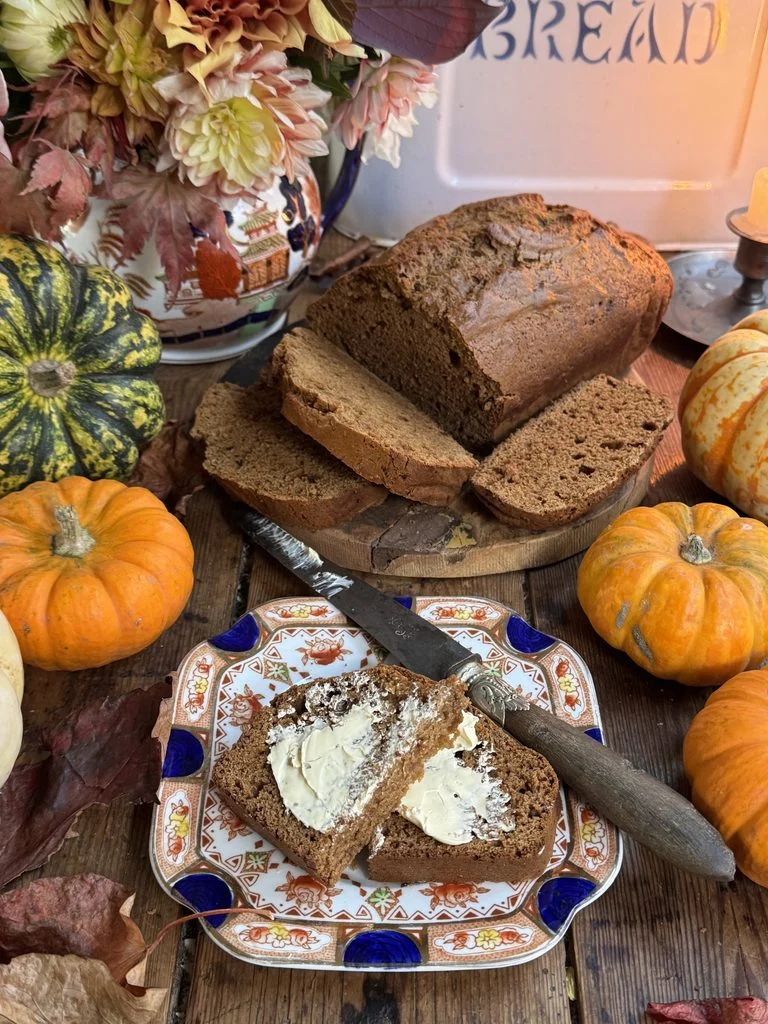
The consumption of the Broonie is deeply embedded in the seasonal cycles of the British Isles. Its association with late autumn festivals, specifically All Hallow’s Eve, Samhain, and Bonfire Night, is not incidental. Historically, the use of warming spices like ginger provided comfort during the onset of the colder months. Furthermore, the ingredients—oats, treacle, and ginger—were historically linked to the agricultural harvest and the maritime trade routes that connected the Orkney Islands to the rest of the world.

For the Orkney community, the Broonie represents a form of intangible cultural heritage. Regional bakeries across the archipelago continue to produce the loaf, often serving as a point of interest for visitors engaging in culinary tourism. The resurgence of interest in "Regional British Recipes" has led to a broader appreciation for such items, moving them from local obscurities to recognized symbols of Scottish gastronomy.

Broader Economic and Gastronomic Implications
The promotion of traditional recipes like the Orkney Broonie has wider implications for the food tourism sector in Scotland. As travelers increasingly seek authentic, localized experiences, the role of traditional regional foods becomes a driver for economic activity in rural areas. The intersection of history and hospitality—exemplified by local distilleries and bakeries offering traditional pairings such as whisky and gingerbread—highlights the potential for small-scale, heritage-based tourism to sustain local economies.

From a nutritional perspective, the Broonie remains a high-energy foodstuff. A single serving provides approximately 181 calories, with a carbohydrate content of 27 grams and a significant sugar content of 22 grams. While not a modern health food, its historical purpose was to provide sustained energy for laborers and island residents working in harsh, wind-swept environments. Its longevity in a pantry setting—often keeping for up to two weeks—made it a practical solution for food security in isolated regions.

Comparative Analysis with Regional Counterparts
When analyzed alongside other regional specialties, such as the Yorkshire Parkin or the Lincolnshire Plum Bread, the Broonie reveals a broader pattern of British baking. All three items rely on the "tea loaf" format, which emphasizes durability and ease of preparation. However, the Broonie distinguishes itself through its higher oatmeal content, which provides a distinct, nutty texture that sets it apart from the smoother, flour-dominant cakes of the south.

The persistence of these regional differences serves as a testament to the geographic isolation of the Northern Isles. Even as globalized food markets standardize ingredients, the specific preferences of the Orkney population—evidenced by the continued preference for oat-based recipes—maintain a unique culinary identity.

Future Preservation and Research
The preservation of the Broonie is currently supported by a combination of amateur historians, professional chefs, and the digital dissemination of archival recipes. As younger generations engage with the history of their respective regions, the documentation of these recipes continues to expand. However, there is an identified need for more formal, ethnographic research into the specific variations of the Broonie across the different islands of the Orkney archipelago, as it is likely that individual communities developed their own proprietary versions of the recipe based on available resources and family traditions.

In conclusion, the Orkney Broonie is more than a simple gingerbread; it is a historical record of the Norse-Scottish synthesis that defines the Northern Isles. Its evolution from a thick, utilitarian bannock to a refined, spiced tea loaf illustrates the adaptability of traditional foodways. By continuing to prepare and study this dish, contemporary bakers and historians ensure that the cultural nuances of the Orkney Islands remain a vibrant part of the broader British culinary tapestry. The ongoing interest in such regional specialties suggests that the value placed on heritage cooking will continue to grow, serving as both a bridge to the past and a sustainable model for future culinary development.
