
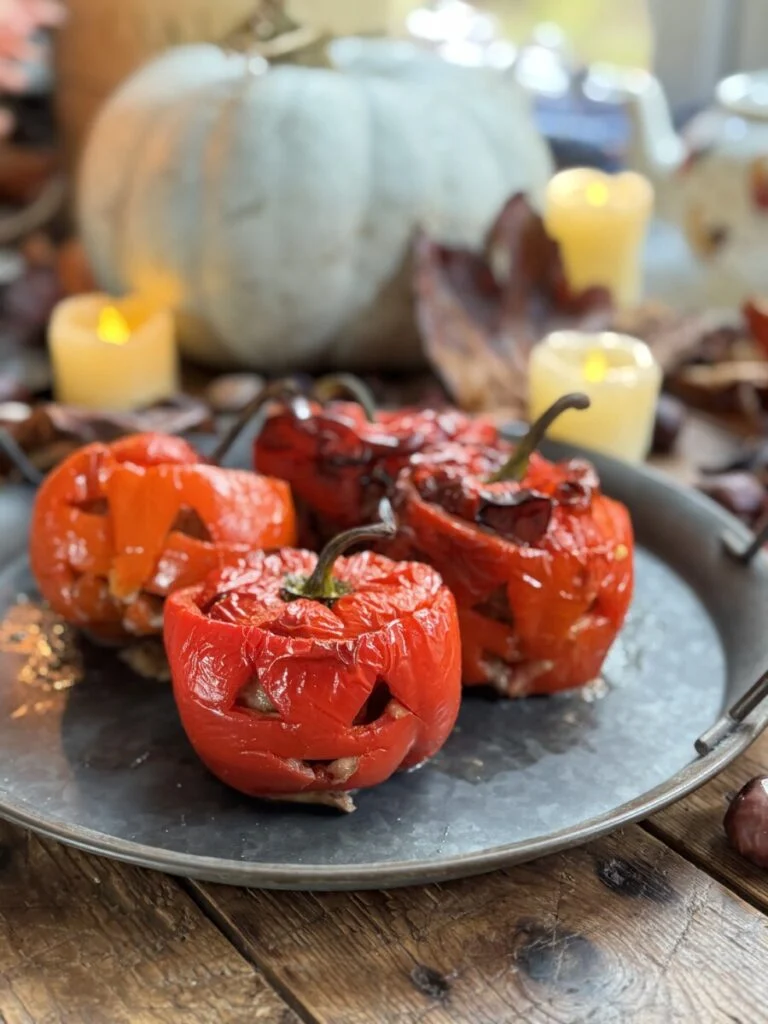
As the calendar turns toward the final week of October, a confluence of ancient cultural traditions and seasonal culinary practices marks the period known as Samhain. Observed traditionally between October 31 and November 2, this window represents one of the most significant cross-quarter days in the Celtic calendar, historically signifying the end of the harvest and the beginning of the winter season. Today, this period manifests through a blend of modern festivities, such as Halloween, and the commemoration of All Souls’ Day, anchored by regional culinary traditions that have evolved over centuries.

Historical Context and the Celtic Roots of Samhain
Samhain, derived from the Old Irish word for "summer’s end," served as a critical juncture in the lives of ancient Celtic communities. Historians and folklorists note that this period was viewed as a "liminal" time, where the boundary between the physical world and the Otherworld was believed to be at its most porous. This belief system dictated many of the early customs, including the practice of lighting bonfires to guide spirits and provide protection against malevolent entities during the darkening months.

The transformation of these rituals into modern-day observances is well-documented. As Christianity spread through the British Isles, the pagan festival was integrated into the liturgical calendar, with November 1 becoming All Saints’ Day (All Hallows) and November 2 becoming All Souls’ Day. The term "Halloween" itself is a contraction of "All Hallows’ Eve," the night preceding the festival. This syncretism allowed ancient agrarian practices—such as the communal sharing of seasonal food—to persist under new religious frameworks.

The Evolution of Seasonal Symbolism: From Neeps to Pumpkins
While the modern commercialization of Halloween is synonymous with the North American tradition of carving pumpkins, this is a relatively recent adaptation in the British Isles. Historically, rural communities in Scotland, Ireland, and Northern England crafted lanterns from mangel-wurzels, swedes, or turnips. These "neep lanterns" were notoriously difficult to carve, requiring significant effort and sharp tools, which often meant the task was a communal activity or reserved for the most skilled hands.

The shift toward the pumpkin occurred primarily due to the vegetable’s ease of preparation and its availability in larger quantities. Data from agricultural historians suggests that the transition became widespread in the mid-20th century as trans-Atlantic cultural exchanges increased. Despite this, there remains a persistent movement among heritage enthusiasts to reclaim the turnip lantern, not merely for its aesthetic, which is often perceived as more grotesque and authentic to the original folklore, but as a commitment to maintaining regional heritage.

Culinary Traditions of the Autumnal Quarter
The cuisine associated with this period is deeply rooted in the necessity of preserving the autumn harvest for the winter months. Staples such as root vegetables, apples, and oats dominate the traditional menu.

The Significance of Soul Cakes
Soul cakes, small round cakes spiced with nutmeg, cinnamon, and ginger, represent a direct link to the medieval practice of "souling." During the Middle Ages, the poor would go door-to-door on All Souls’ Eve, offering prayers for the deceased in exchange for these cakes. This custom is widely cited by anthropologists as a primary precursor to the modern practice of trick-or-treating. The recipe for these cakes has remained largely consistent, emphasizing the use of readily available pantry staples of the era.

Yorkshire Parkin and Regional Comfort Foods
In Northern England, particularly Yorkshire, no celebration of this period is complete without Parkin. This dense, moist ginger cake is traditionally baked for Guy Fawkes Night (Bonfire Night) on November 5, but its consumption often begins during the final days of October. Made with oatmeal, black treacle, and ginger, Parkin is historically significant for its ability to store well over time. The chemistry of the cake is unique; it requires a period of "maturing" in an airtight container for several days after baking, allowing the treacle to soften the oats and deepen the flavor profile.

Mash O’ Nine Sorts
One of the most intriguing, if lesser-known, traditions is the "Mash O’ Nine Sorts." This dish consists of mashed potatoes combined with a variety of other vegetables, such as leeks, onions, and parsnips. Historically, this served as a method for households to clear out the remainder of the garden harvest before the onset of frost. Beyond its nutritional value, the dish held a social function; a ring would often be hidden within the mash, and the guest who discovered it in their serving was purportedly destined to be the next person in the group to marry.

Broader Implications and Socio-Cultural Impact
The continued practice of preparing these traditional recipes serves a dual purpose in contemporary society: it acts as a mechanism for cultural preservation and as a response to the "cosy season" phenomenon. In recent years, there has been a measurable increase in interest regarding heritage cooking. Food historians and sociologists suggest this trend is a reaction to the globalization of food systems, where individuals seek to reconnect with the specific geography and history of their local environments.

The economic implications are also noteworthy. The demand for local, seasonal produce—such as pumpkins for culinary use rather than just decorative, and traditional grains—supports local agricultural markets. Retail data from the past five years indicates that consumers are increasingly prioritizing "experience-based" holidays, where the process of preparation, such as baking from scratch, is valued as highly as the consumption itself.

A Chronology of the Festive Season
- October 31 (Samhain/All Hallows’ Eve): The traditional height of the festival, characterized by community gatherings, the lighting of fires, and the setting of tables for the departed.
- November 1 (All Saints’ Day): A day historically dedicated to the remembrance of saints and martyrs, transitioning the mood from the liminal energy of the previous night to a more solemn observance.
- November 2 (All Souls’ Day): A day specifically for remembering deceased loved ones, often involving the distribution of soul cakes to the needy.
- November 5 (Bonfire Night/Guy Fawkes Night): A later addition to the festive calendar, marking the failure of the Gunpowder Plot of 1605, which solidified the use of bonfires and seasonal comfort foods like Parkin as a core component of the autumn transition.
Conclusion
The period from late October to early November remains a cornerstone of the British and Celtic cultural identity. Whether through the preservation of traditional recipes like Parkin and soul cakes or the continued adaptation of symbols like the lantern, the season offers a bridge between the ancient past and the modern present. By engaging with these customs, practitioners do more than celebrate a holiday; they participate in a centuries-old dialogue with the rhythms of the earth and the memory of those who came before. As the nights grow longer and the temperature drops, these culinary traditions provide both the sustenance and the social cohesion necessary to navigate the transition into winter.
