
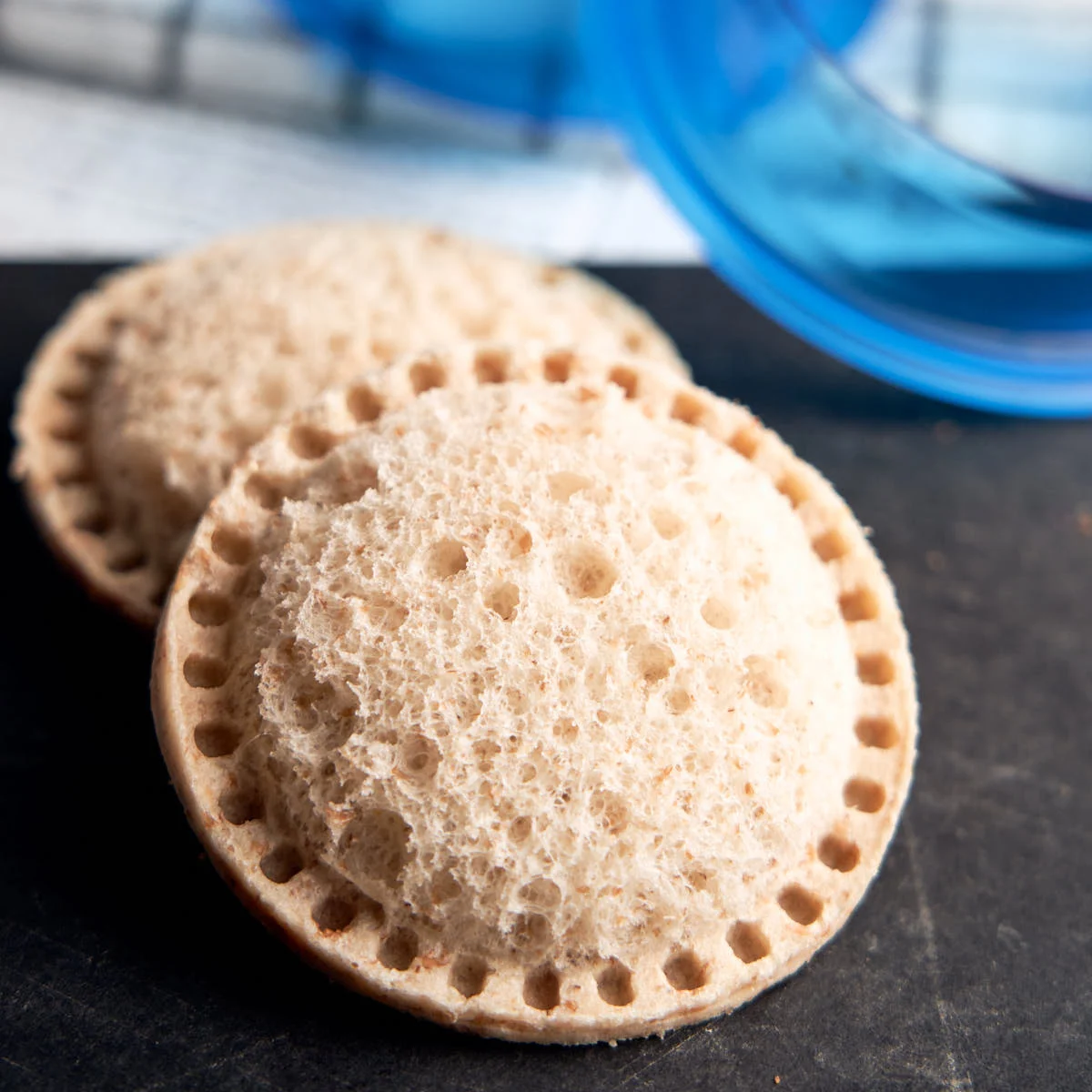
The popularity of pre-packaged, crustless sandwiches has surged over the past two decades, fundamentally altering the landscape of school lunches and convenient snacks. While these mass-produced items offer undeniable utility, a growing movement of home cooks and nutrition-conscious parents is shifting toward the production of homemade versions. By utilizing specialized kitchen tools, such as sandwich cutters and sealers, consumers are finding that they can replicate the convenience of store-bought crustless sandwiches while exercising greater control over ingredient quality, cost, and environmental impact.
Historical Context and Market Evolution
The concept of the "crustless sandwich" was popularized globally by mass-market food manufacturers in the late 1990s. Initially designed as a frozen convenience food, these products addressed a specific demographic need: parents seeking portable, mess-free lunches for children. According to industry analysis, the market for pre-made, sealed sandwiches has experienced steady growth, driven by the convenience-seeking behaviors of busy households.
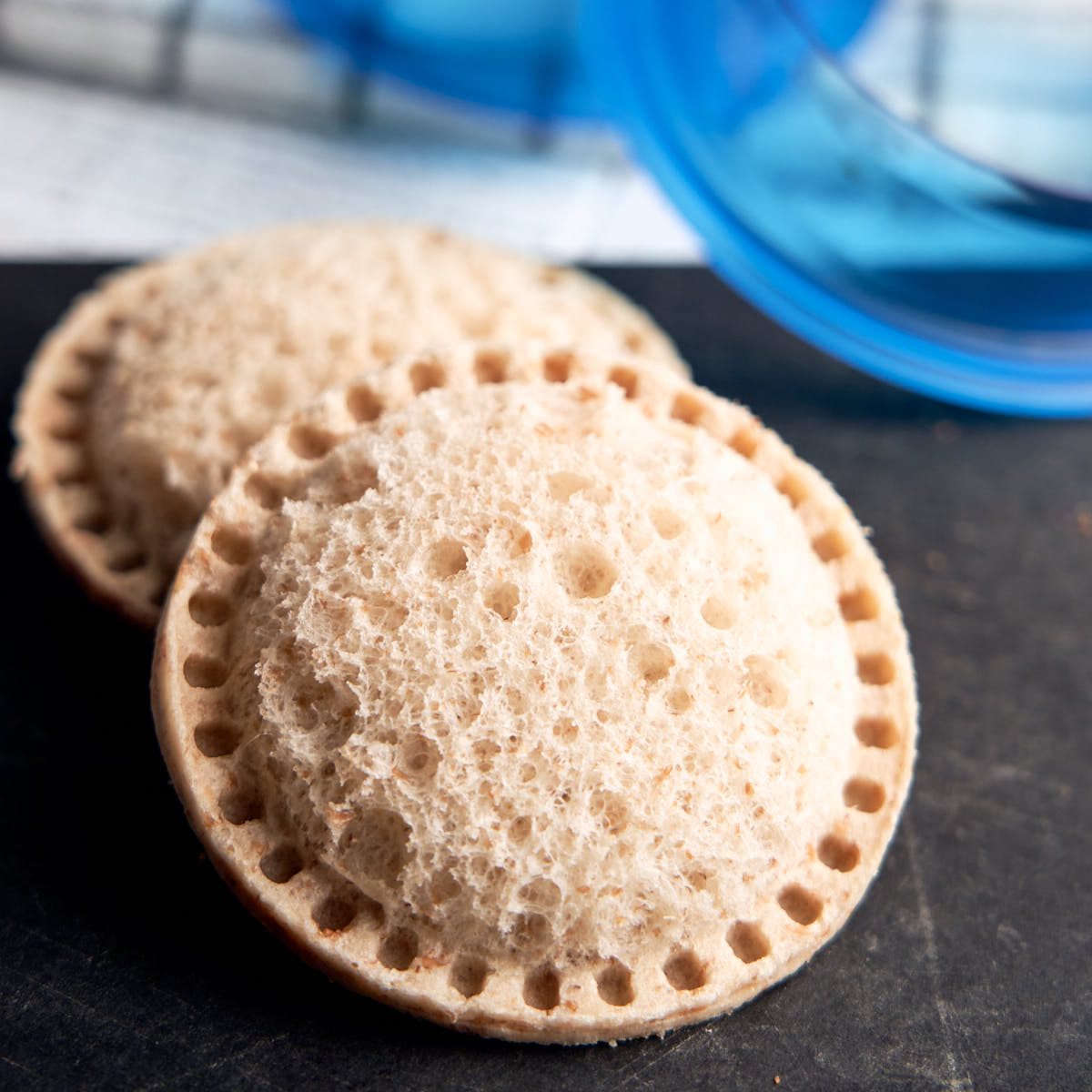
However, as consumer awareness regarding food processing and ingredient transparency has evolved, so too has the scrutiny of these products. Standard, store-bought, crustless sandwiches often contain additives, preservatives, and high levels of processed sugars—particularly in the spreads utilized. This shift in consumer values has provided the necessary momentum for the rise of the "homemade uncrustable" trend, where the focus moves from industrial processing to artisanal, home-kitchen preparation.
Nutritional and Economic Implications
The primary driver for the adoption of homemade crustless sandwiches is the ability to curate individual ingredients. A standard store-bought version typically utilizes "honey spread" or "jelly" that may feature high-fructose corn syrup or refined sugars as the primary ingredient. Furthermore, the peanut butter used in commercial products often includes hydrogenated oils and added sweeteners to maintain texture during the freezing and thawing process.
By transitioning to a home-prepared model, families can substitute these ingredients with natural, organic peanut butter that contains no added sugar, and raw or locally sourced honey. From a fiscal perspective, the cost-benefit analysis is favorable. A single store-bought crustless sandwich can cost significantly more per unit than a sandwich constructed from a loaf of bread, a jar of peanut butter, and a bottle of honey. When scaled across a school year, the cumulative savings for a family are substantial.
The Role of Technology in Home Food Preparation
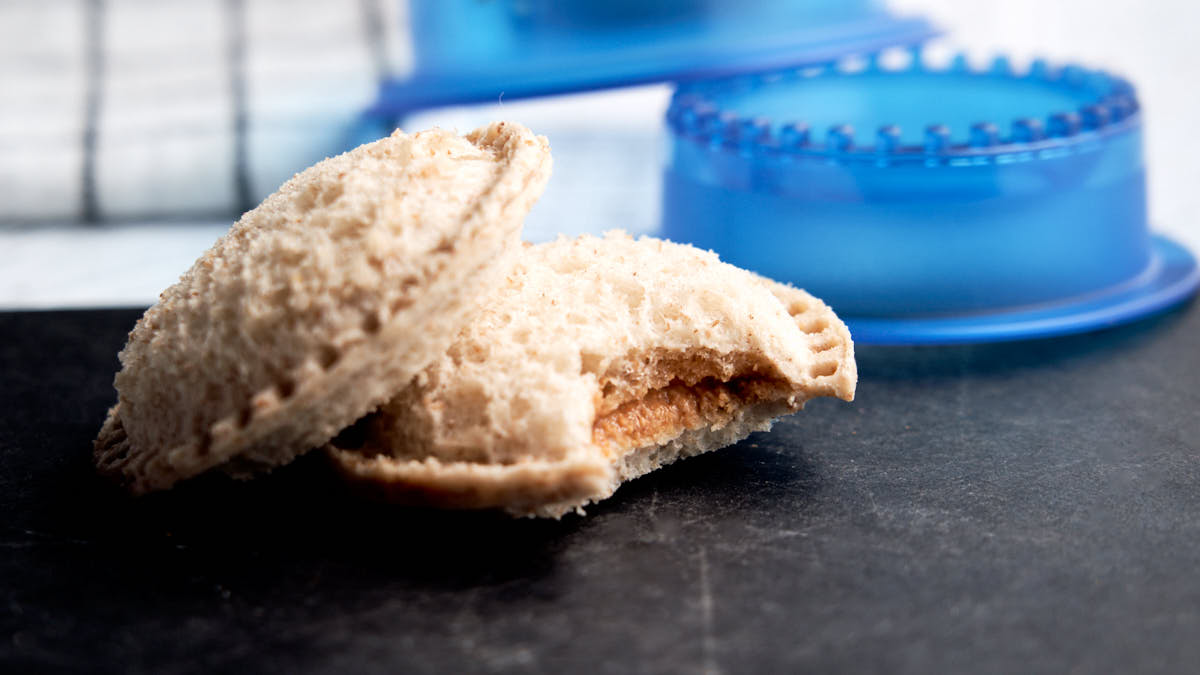
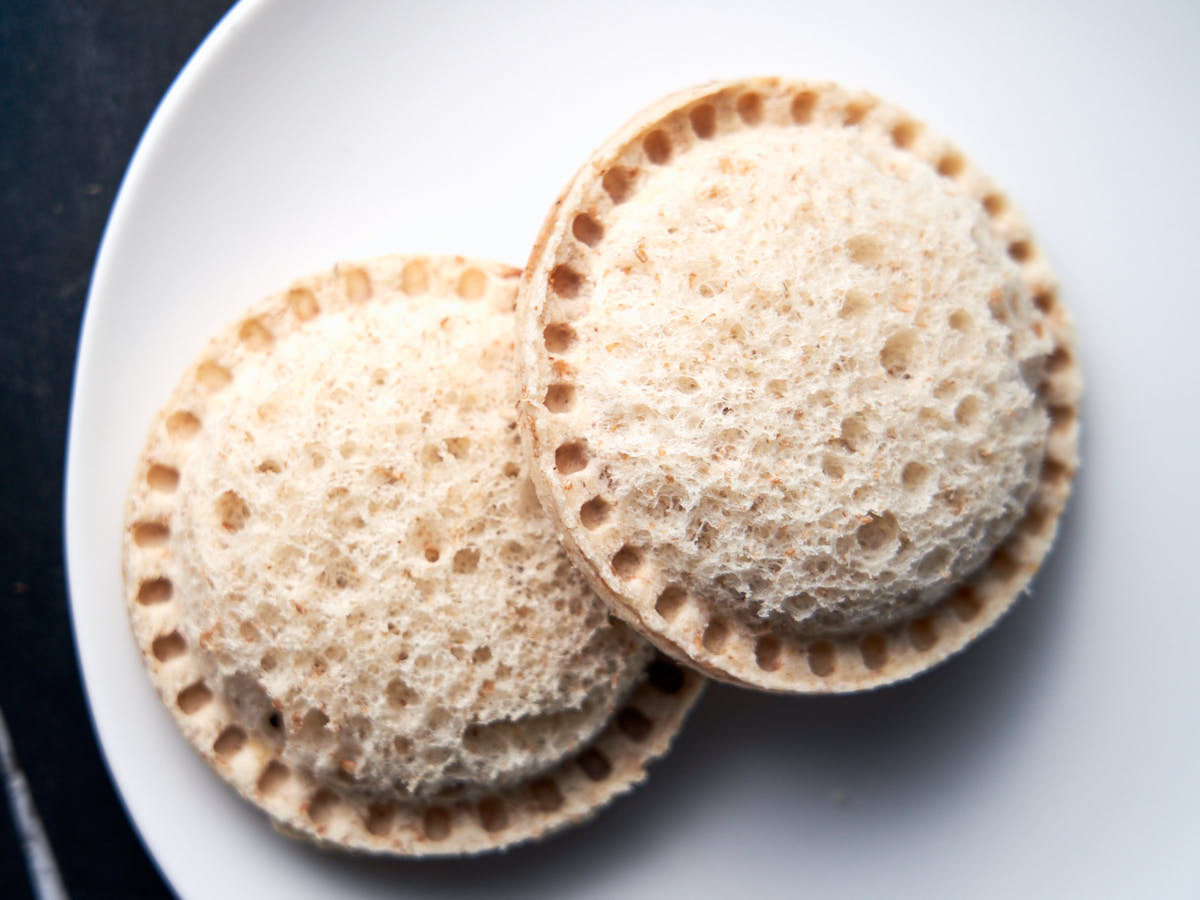
The technical barrier to creating these sandwiches—the need for a clean, crimped, and sealed edge that mimics the commercial product—has been lowered by the availability of specialized kitchen gadgets. Modern sandwich cutters and sealers, widely available through major e-commerce platforms, allow for the consistent production of these items.
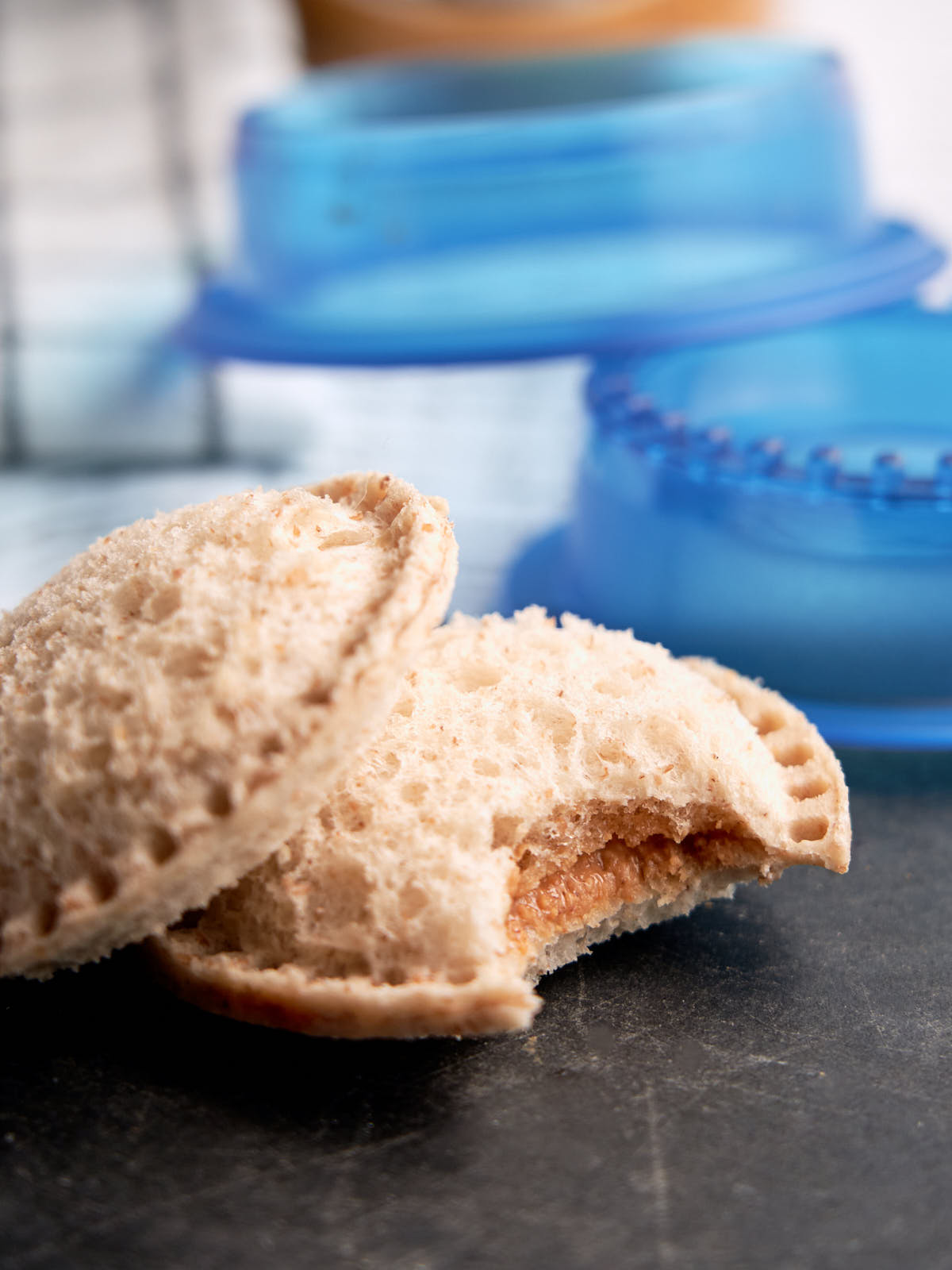
Industry experts note that the durability and design of these tools have improved significantly. Earlier iterations were prone to breaking or failing to create a tight seal. Modern, food-grade stainless steel or BPA-free plastic models now provide a consistent "press-and-seal" action. This equipment ensures that the filling remains contained, a critical feature for portability, effectively preventing the leaking of peanut butter or honey during transport in a lunchbox.
Waste Reduction and Sustainability
A significant secondary benefit of the shift toward homemade preparation is the mitigation of food and packaging waste. Commercial, pre-packaged sandwiches are almost universally sold in individual plastic pouches, contributing to a high volume of single-use plastic waste. Homemade alternatives allow for the use of reusable silicone bags or containers, aligning with broader sustainability trends in household management.
Furthermore, the "leftover crust" issue, which often deters parents, has become a point of culinary innovation. Culinary best practices now suggest that these bread trimmings are valuable resources rather than waste. They can be repurposed into:
- Croutons: By sautéing trimmings in olive oil or butter with herbs such as garlic, rosemary, or thyme, households can create high-quality salad or soup toppings.
- Breadcrumbs: Through the use of a low-heat oven or toaster, these trimmings can be dehydrated and processed into fine crumbs for use in coatings for proteins or as a binder in meatballs.
- Dehydrated Snacks: When seasoned and toasted, the crusts provide a crunchy alternative to processed crackers.
Consumer Advocacy and Culinary Trends
Nutritionists and food advocacy groups have long encouraged the "home-kitchen" approach to children’s nutrition. By involving children in the preparation process, parents report higher rates of food acceptance and improved dietary habits. The process of making a sandwich—measuring the honey, spreading the peanut butter, and operating the sealing press—functions as a foundational culinary lesson for younger children.
The reaction from the culinary community has been one of support for these "DIY" methods. Many food bloggers and nutritionists emphasize that the simplicity of the recipe (typically just bread, peanut butter, and honey) is its greatest strength. By removing the industrial machinery and long-term shelf-stability requirements, the resulting product is not only healthier but also possesses a more authentic flavor profile.
Future Projections
As the demand for transparency in food supply chains continues to rise, it is expected that the trend of at-home food manufacturing will persist. While it is unlikely to fully displace the convenience market, the "do-it-yourself" approach to staples like the peanut butter and honey sandwich is becoming a permanent fixture in modern meal planning.
The ability to customize fillings—experimenting with almond butter, cashew butter, or different varieties of honey—adds a layer of culinary creativity that mass-produced, standardized products cannot offer. As more households invest in the simple tools required to replicate these items, the focus will likely remain on optimizing the efficiency of the process, such as batch-making sandwiches for the week ahead and freezing them to maintain freshness.
Ultimately, the shift toward homemade crustless sandwiches represents a broader societal trend: a return to foundational food preparation techniques facilitated by modern, accessible tools. By prioritizing ingredient quality and waste reduction, families are successfully reclaiming a lunchbox staple, proving that convenience does not have to come at the expense of health or environmental responsibility. The movement serves as a reminder that with the right approach, the most familiar comfort foods can be elevated through intentional, thoughtful, and simple preparation.
