
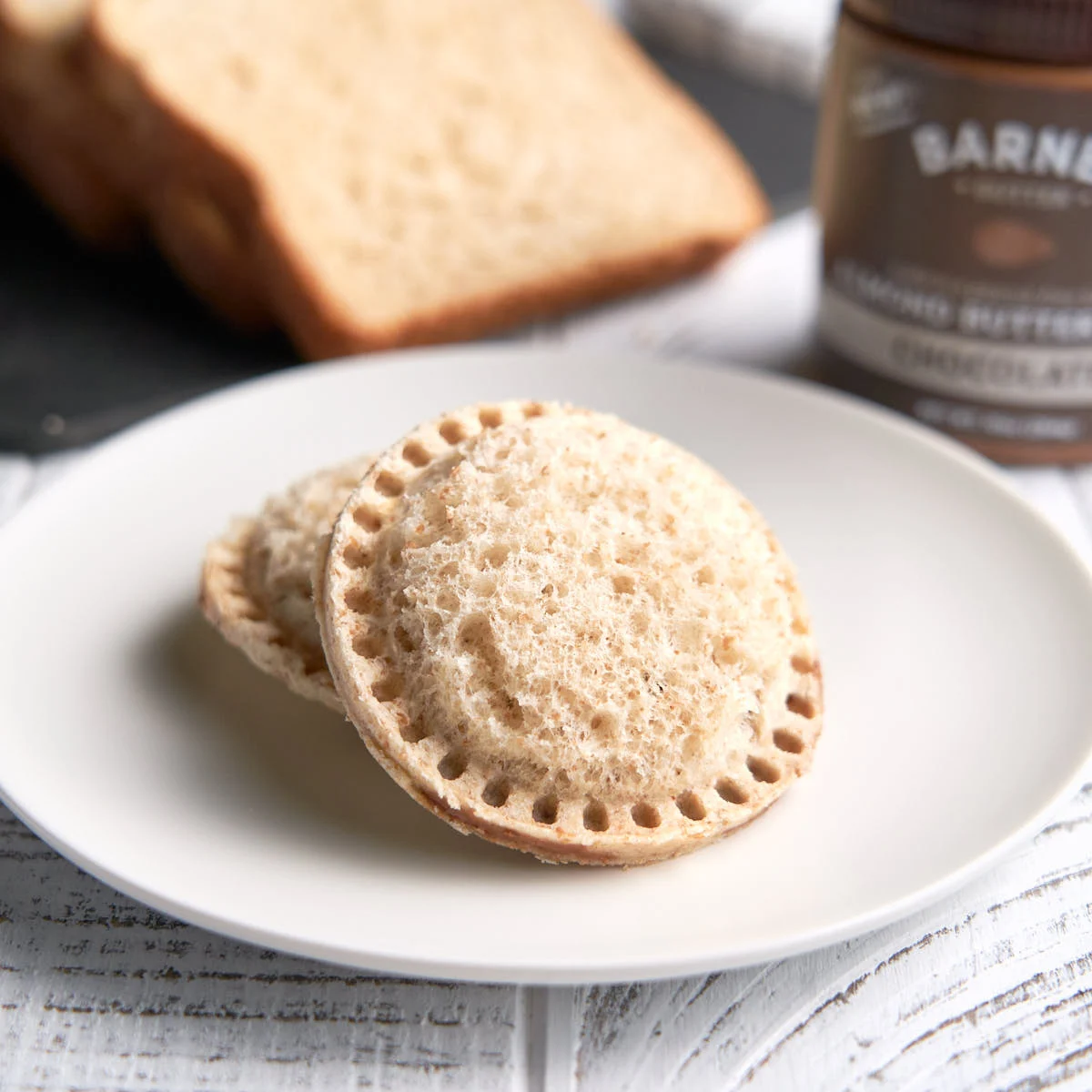
The Evolution of the Sealed-Crust Sandwich
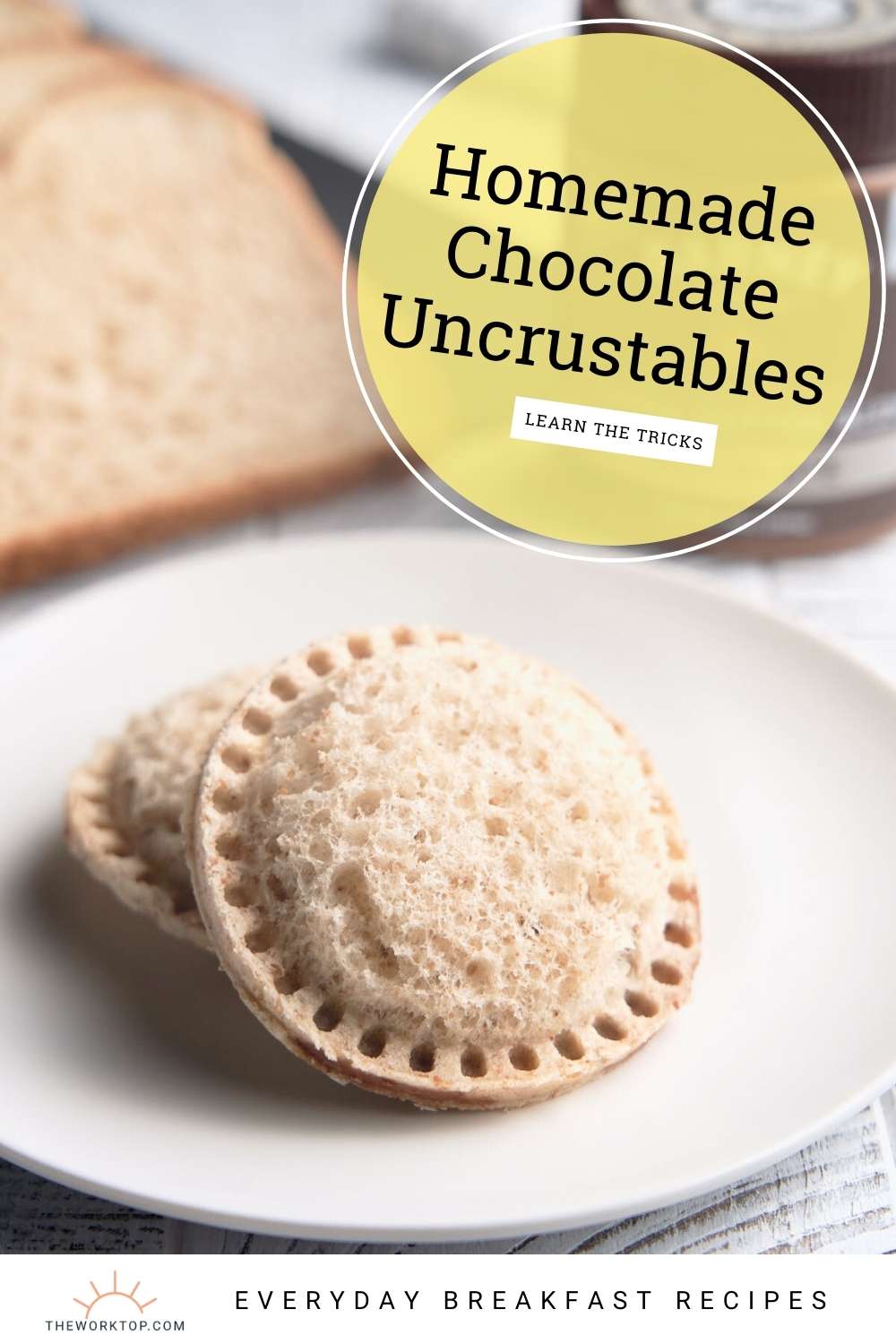
The concept of the sealed, crustless sandwich gained massive commercial traction in the late 1990s and early 2000s, driven by the popularity of Smucker’s Uncrustables. These products were designed to solve a perennial problem for parents and commuters: the sogginess caused by moisture migration and the inconvenience of crust disposal. By using a crimping and sealing process, manufacturers were able to create a self-contained unit that preserved the integrity of the bread and the internal filling.

In recent years, the market for "kitchen gadgets" has seen a surge in demand for manual sandwich crimpers and sealers. These tools, often constructed from food-grade plastic or stainless steel, allow consumers to perform the same industrial-style sealing process in a domestic setting. The rise of this practice is not merely about novelty; it is largely fueled by a desire to control ingredient quality, reduce food waste—by repurposing bread—and cater to specific dietary requirements such as gluten-free or nut-free needs that commercial products may not address.
Ingredient Selection and Nutritional Profiles
One of the primary drivers behind the transition to homemade versions of these sandwiches is the nutritional profile of the spreads used. Commercial chocolate-hazelnut spreads, while popular, often contain high concentrations of palm oil and sugar. For example, standard commercial hazelnut spreads can contain upwards of 20 grams of added sugar per serving.

Home preparation allows for the integration of nutrient-dense alternatives. Specifically, products such as chocolate-infused almond butter have gained popularity as a healthier substitute. These alternatives typically offer a higher protein count, increased fiber, and significantly lower sugar levels compared to traditional confectionery-based spreads. By utilizing these ingredients, consumers can transform a dessert-like snack into a more balanced breakfast component.
Technical Methodology for Homemade Production
The process of creating a homemade sealed-crust sandwich involves two distinct mechanical stages: cutting and sealing. The effectiveness of the result depends heavily on the structural integrity of the bread used. Professional kitchen testing indicates that soft, high-moisture white or honey-wheat breads are most conducive to this process, as they possess the elasticity required to stretch during the crimping phase without cracking.
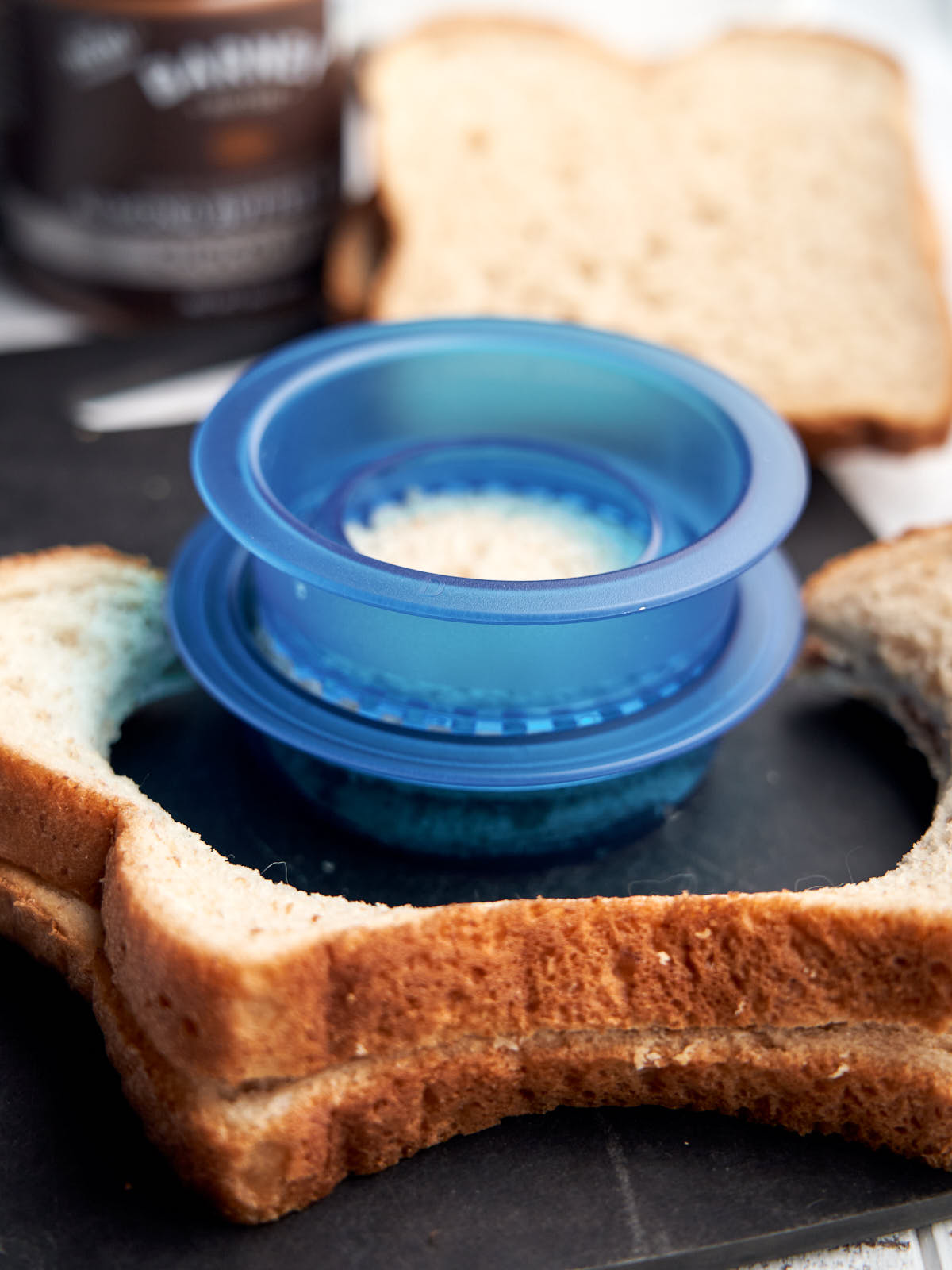
Conversely, dense, artisanal, or whole-grain loaves often suffer from structural failure during the sealing process. The fibers in these breads are less pliable, leading to fissures that compromise the seal. Additionally, the technique of "centralized application" is critical. By limiting the spread to the inner diameter of the crimping tool, the user prevents the filling from extruding into the crimp zone, which would otherwise inhibit the mechanical bond between the two layers of bread.
Market Implications and Consumer Trends
The popularity of homemade sealed sandwiches reflects a larger trend known as "kitchen autonomy." As food prices fluctuate and supply chain transparency becomes a higher priority for modern families, the ability to assemble bulk meals at home provides both financial and health-related benefits.
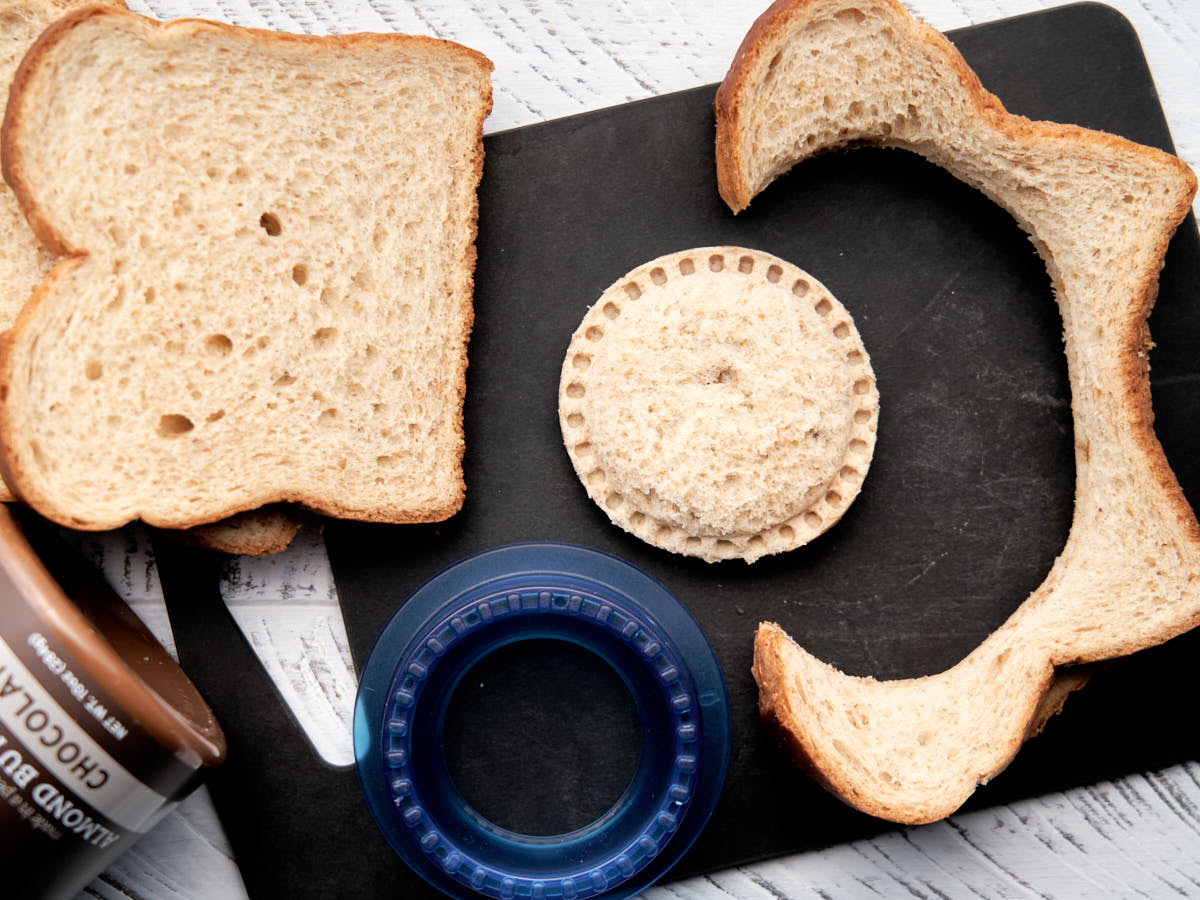
Industry analysts suggest that the rise of the home-crimper tool is a response to the "convenience gap." Consumers desire the portability of commercial products but are increasingly wary of the preservatives and additives found in ultra-processed, shelf-stable convenience foods. By making these sandwiches at home, parents can use fresh, locally sourced ingredients and store the finished products in a freezer, mimicking the commercial shelf-life extension methods without the need for chemical stabilizers.
Comparative Analysis: Store-Bought vs. Homemade
A comparative analysis of store-bought versus homemade sealed sandwiches reveals significant differences in both texture and composition.
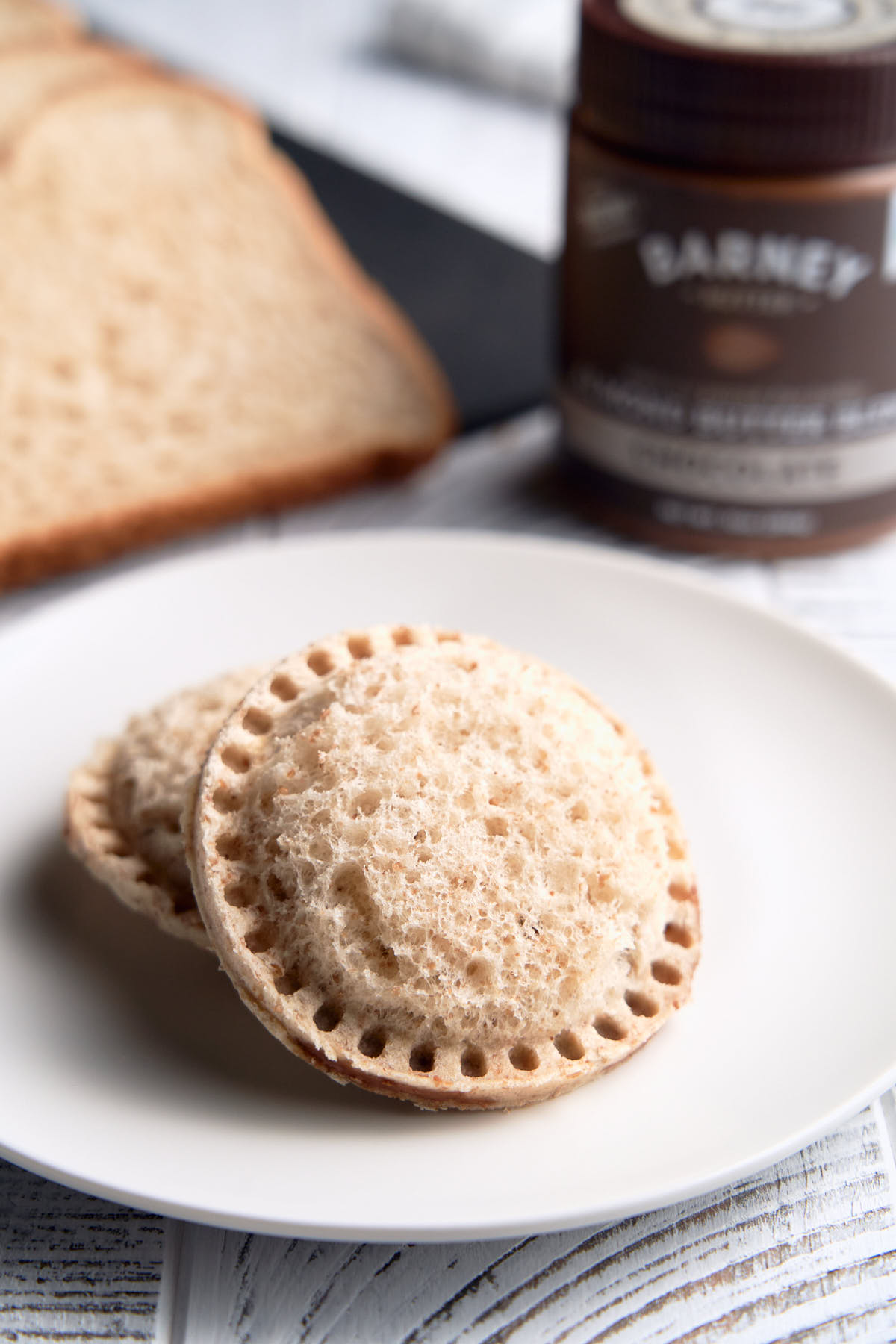
- Preservation: Store-bought versions rely on frozen supply chains and specific bread formulations designed to survive thaw cycles without becoming stale. Homemade versions, when frozen, require airtight containers to prevent freezer burn, as the bread used is typically less dense.
- Cost Efficiency: While the initial investment in a sandwich sealing tool costs between $10 and $20, the long-term cost per unit of a homemade sandwich is often 30% to 50% lower than the retail price of pre-packaged alternatives, depending on the quality of the spread and bread selected.
- Customization: The ability to swap fillings—such as using almond butter, sunflower seed butter, or various fruit preserves—provides a level of dietary flexibility that retail outlets cannot match.
Addressing Common Challenges
Even with the correct tools, users often encounter obstacles such as filling leakage or bread tearing. These are typically attributed to two common errors: over-filling and the use of incorrect bread varieties.
To mitigate these issues, culinary experts recommend the following practices:
- Temperature Control: Spreads should be kept at room temperature. Cold spreads can tear the delicate bread structure during the application process.
- Tool Maintenance: Keeping the edges of the sealing tool clean is essential. Residual sugar or oil buildup can prevent the tool from creating a clean cut, leading to a jagged edge that opens upon thawing.
- Moisture Barriers: For those concerned about bread sogginess, a thin layer of almond butter applied to both slices of bread—creating a barrier against moisture-heavy fillings—can significantly improve the texture of the sandwich after it has been thawed for a school or work lunch.
Future Outlook
As the trend continues to gain momentum, the market for these tools is expected to expand. It is anticipated that manufacturers will continue to innovate with more durable, dishwasher-safe materials and ergonomic designs. Furthermore, the rise of "lunchbox influencers" on social media platforms has helped standardize the methodology, with thousands of home cooks sharing tutorials on how to optimize the sealing process for school-aged children.
In conclusion, the shift toward making chocolate-spread sealed sandwiches at home is a prime example of how consumer behavior is evolving. By blending the convenience of traditional lunchbox staples with the health-conscious choices of the modern era, families are finding ways to balance efficiency with nutritional value. Whether driven by cost-savings or ingredient quality, the movement underscores a return to foundational food preparation techniques supported by modern, user-friendly kitchen technology. As more individuals adopt these methods, the standard for what constitutes a "convenient" lunch is likely to continue its migration away from the grocery store aisle and back into the home kitchen.
