
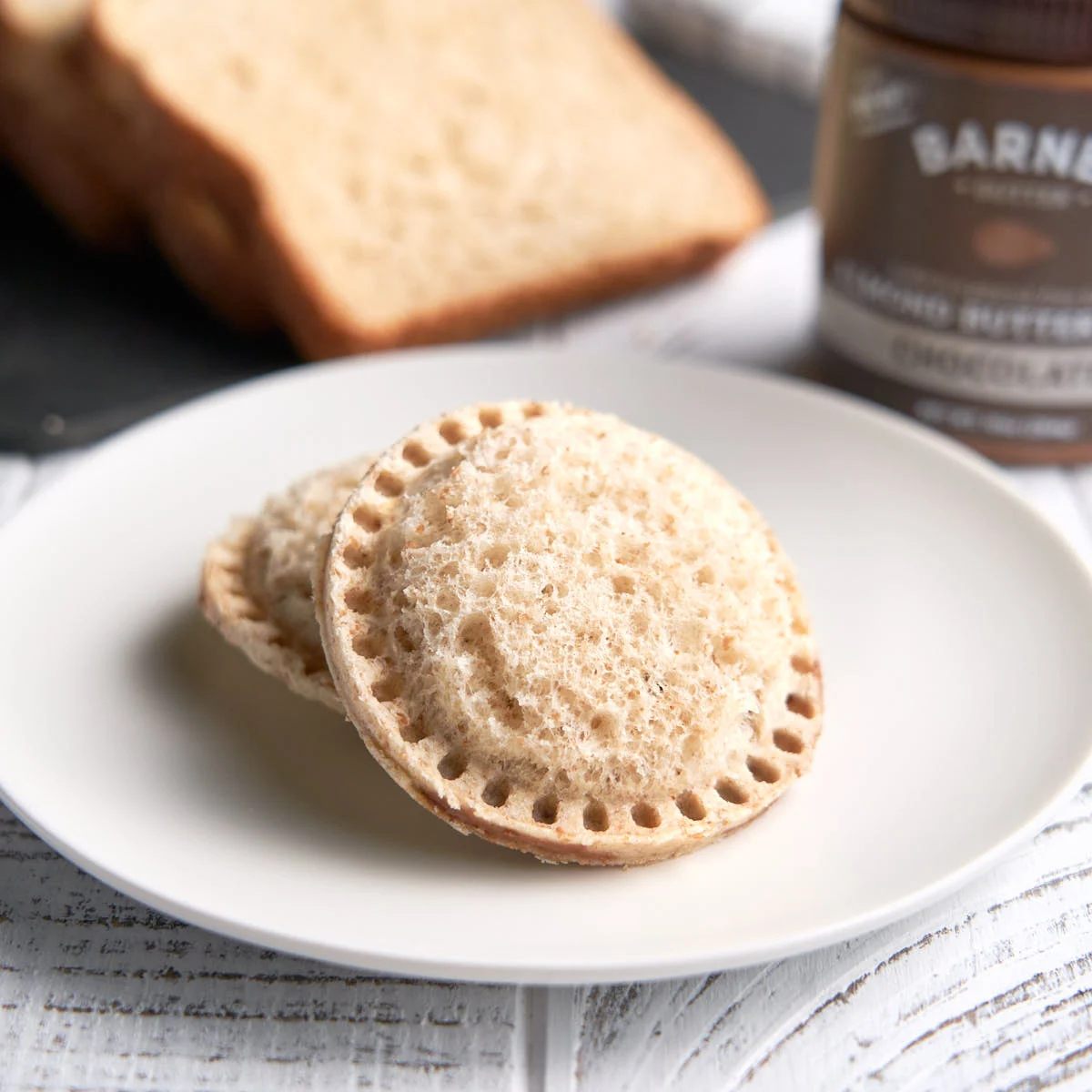
The culinary landscape for busy families has undergone a significant transformation, with the "uncrustable" phenomenon—a sealed, crustless pocket sandwich—becoming a staple in lunchboxes across North America. Originally popularized by the J.M. Smucker Company, which trademarked the term "Uncrustables" in the late 1990s, the concept of a pre-packaged, portable sandwich has now evolved into a popular DIY kitchen project. As parents increasingly seek to balance convenience with nutritional transparency, the shift toward homemade versions of these sandwiches, particularly chocolate-based varieties, has gained considerable momentum.
The Evolution of the Portable Sandwich
The history of the sealed sandwich dates back to the industrialization of the school lunch. In 1999, the Smucker’s brand introduced its mass-produced frozen pocket sandwiches, filling a niche for parents requiring grab-and-go convenience. The product’s design—a circular, crimped-edge sandwich that contains filling entirely within the crust—was engineered to solve the problem of leaking condiments and discarded bread crusts.

However, in recent years, consumer behavior has shifted. According to recent market analysis from the food industry, there is a growing demand for "clean label" products. Parents are scrutinizing ingredient lists, often finding that mass-produced snack items contain high levels of palm oil, hydrogenated fats, and excessive added sugars. This scrutiny has led to the proliferation of consumer-grade kitchen gadgets designed to replicate the commercial sealing process at home, allowing families to utilize organic, low-sugar, or nutrient-dense ingredients.
Nutritional Implications and Ingredient Selection
The primary appeal of the commercial chocolate sandwich is convenience, but it often comes at a nutritional cost. A standard serving of traditional chocolate-hazelnut spread can contain upwards of 20 grams of added sugar per serving. Health advocates and nutritionists have long pointed to the high sugar-to-protein ratio in these spreads as a point of concern for a breakfast or lunch item.
The move toward homemade alternatives has allowed for the integration of healthier spreads, such as chocolate-infused almond or peanut butters. These alternatives often feature significantly lower sugar content—sometimes as low as 2 grams per serving—and higher concentrations of heart-healthy monounsaturated fats. By choosing these alternatives, consumers maintain the structural integrity and flavor profile of the classic snack while significantly improving the nutritional density of the meal.

The Mechanics of the DIY Sealer
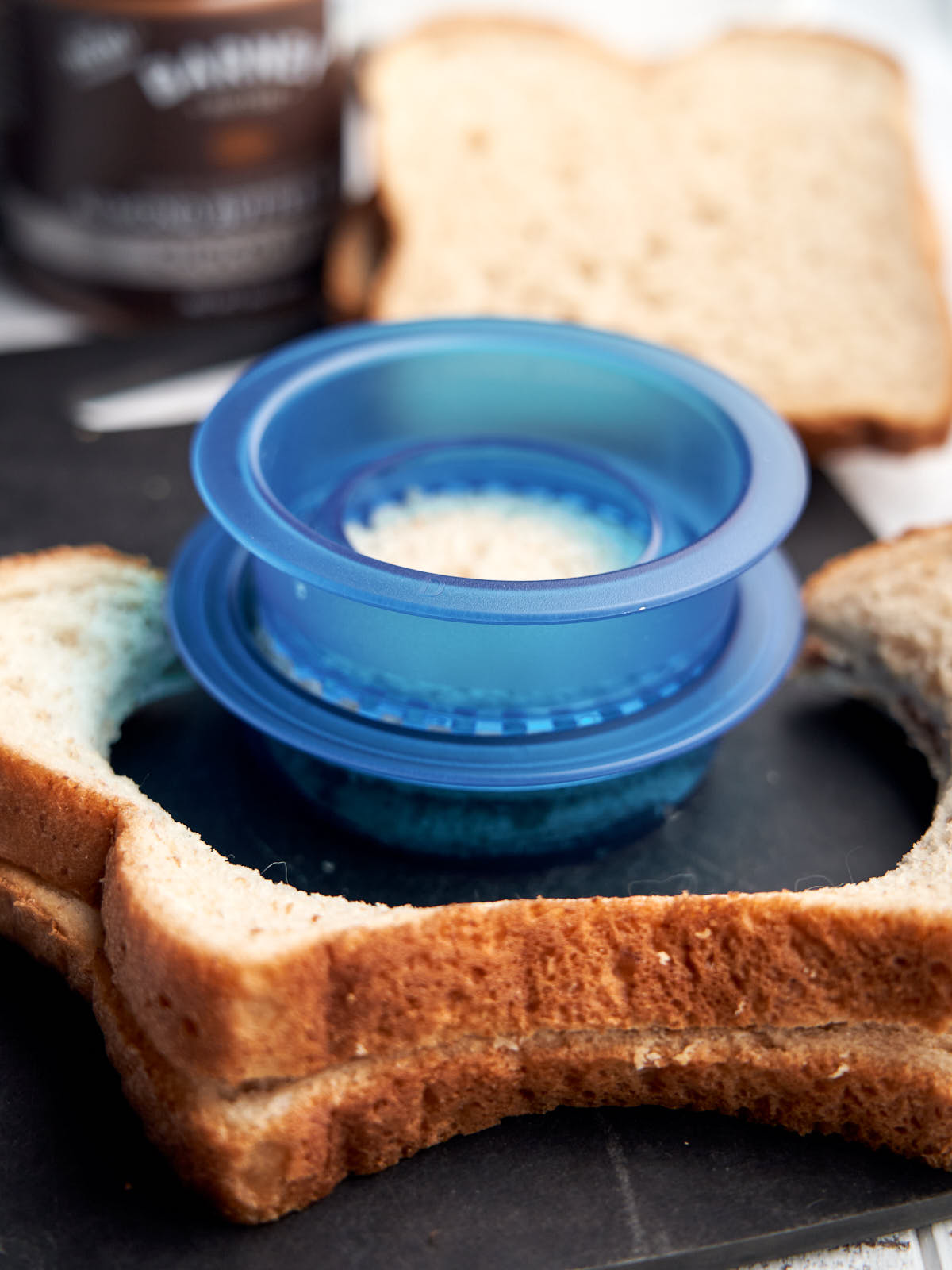
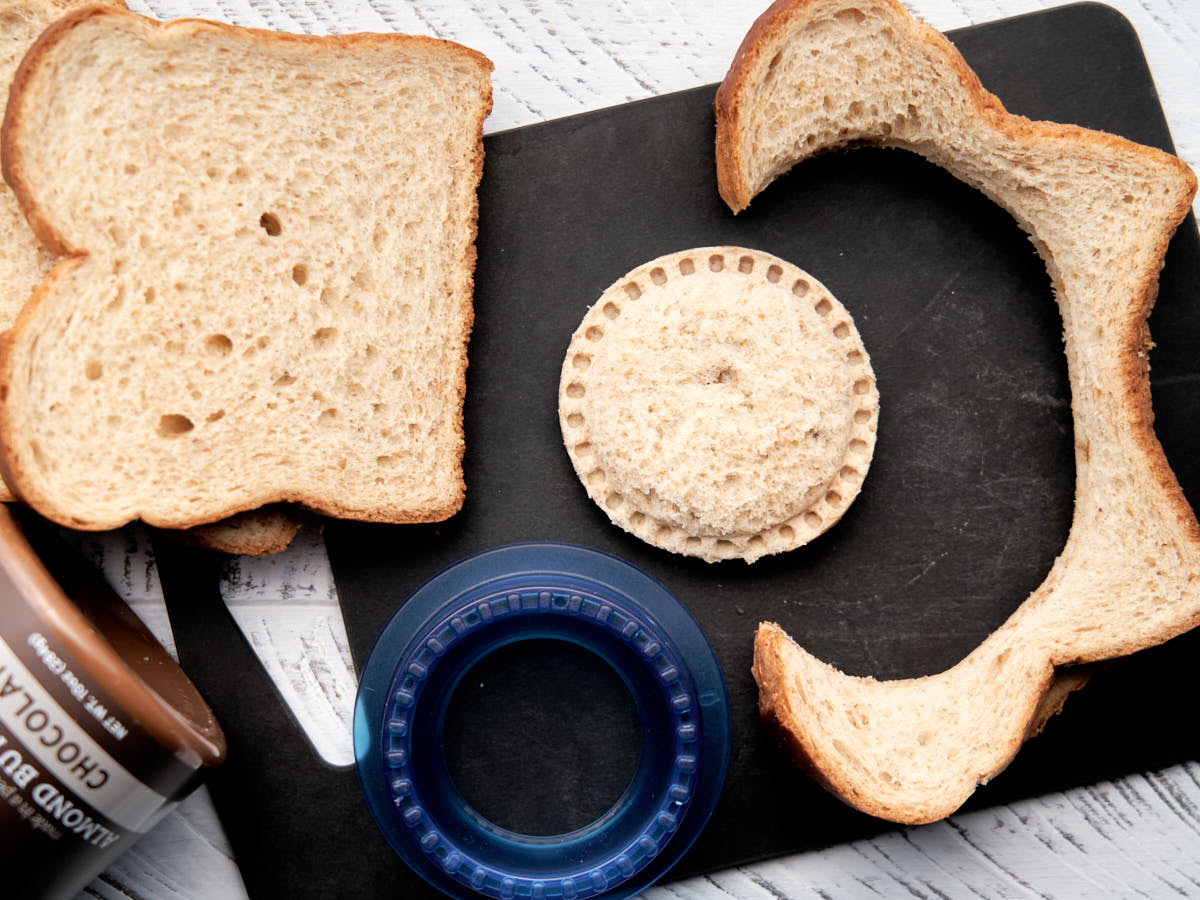
The transition from commercial to homemade production relies heavily on the use of specialized kitchen tools. The "sandwich cutter and sealer" is a simple mechanical press, typically made of food-grade plastic or stainless steel. The process follows a standardized two-step mechanical operation:
- Precision Cutting: A sharp circular blade removes the crusts and creates a uniform shape, ensuring that the bread fits the diameter of the sealing mold.
- Compression Sealing: A secondary, rounded edge presses the two layers of bread together, creating a crimped seal. This seal is crucial for maintaining the sandwich’s structural integrity, preventing the spread from leaking during transport.
Industry experts note that the success of this process is highly dependent on the type of bread used. Soft, high-moisture white or honey-wheat breads are preferred for their elasticity. Denser, high-fiber, or whole-grain breads often lack the necessary pliability, leading to cracking or splitting during the compression phase.
Best Practices for Optimal Results
For those adopting this method, professional kitchen advice suggests adhering to strict assembly protocols to ensure quality. First, the ratio of filling to bread must be carefully managed. Over-filling is the most common cause of seal failure. By keeping the spread concentrated in the center of the bread, users can avoid the "ooze factor" that compromises the aesthetic and utility of the sandwich.
Second, ambient temperature plays a role. If the bread is too cold, it loses its elasticity and is more prone to tearing. Storing bread at room temperature prior to assembly is recommended. Third, the type of seal is critical. Kitchen testers have noted that while some sealers provide a decorative wavy edge, the "classic" straight-crimped seal—which mimics the industry-standard design—is often more effective at maintaining a airtight closure.
Economic and Environmental Impact
The economic implications of this shift are notable. A commercially purchased box of pre-packaged sandwiches is often priced at a premium compared to the cost of purchasing individual loaves of bread and jars of spread. While the initial investment in a sandwich sealer ranges from $10 to $20, the cost-per-unit for homemade versions is significantly lower, offering a clear financial incentive for families who consume these products regularly.
Environmentally, the shift to homemade snacks addresses the issue of single-use plastic waste. Mass-produced snacks are almost exclusively wrapped in individual plastic pouches, contributing to a significant volume of non-recyclable packaging. By preparing these at home, families can utilize reusable containers, significantly reducing their household waste footprint.
Future Trends in Child-Friendly Nutrition
The surge in DIY food preparation is part of a broader trend in culinary education for children. By involving children in the assembly of their own lunches, parents report higher rates of food acceptance and improved nutritional habits. This "active participation" model turns meal prep into an educational activity, where children learn about portion control and the importance of ingredient quality.
As the market continues to evolve, we can expect to see more specialized tools for home kitchens, catering to the growing demographic of health-conscious parents. While the "uncrustable" started as a convenience product for the time-strapped parent, it has become a canvas for culinary creativity, allowing for a variety of fillings—from almond butter and cacao to savory options—that were previously unavailable in the frozen food aisle.
In summary, the rise of the homemade chocolate sandwich is not merely a passing trend, but a reflection of a deeper societal shift toward informed consumption. By reclaiming the production of these staples, families are successfully merging the convenience of modern processed food with the nutritional standards of a home-cooked meal. Whether for a quick breakfast or a school lunch, the DIY approach ensures that the "perfect" sandwich is not only delicious but aligned with personal health goals.
