
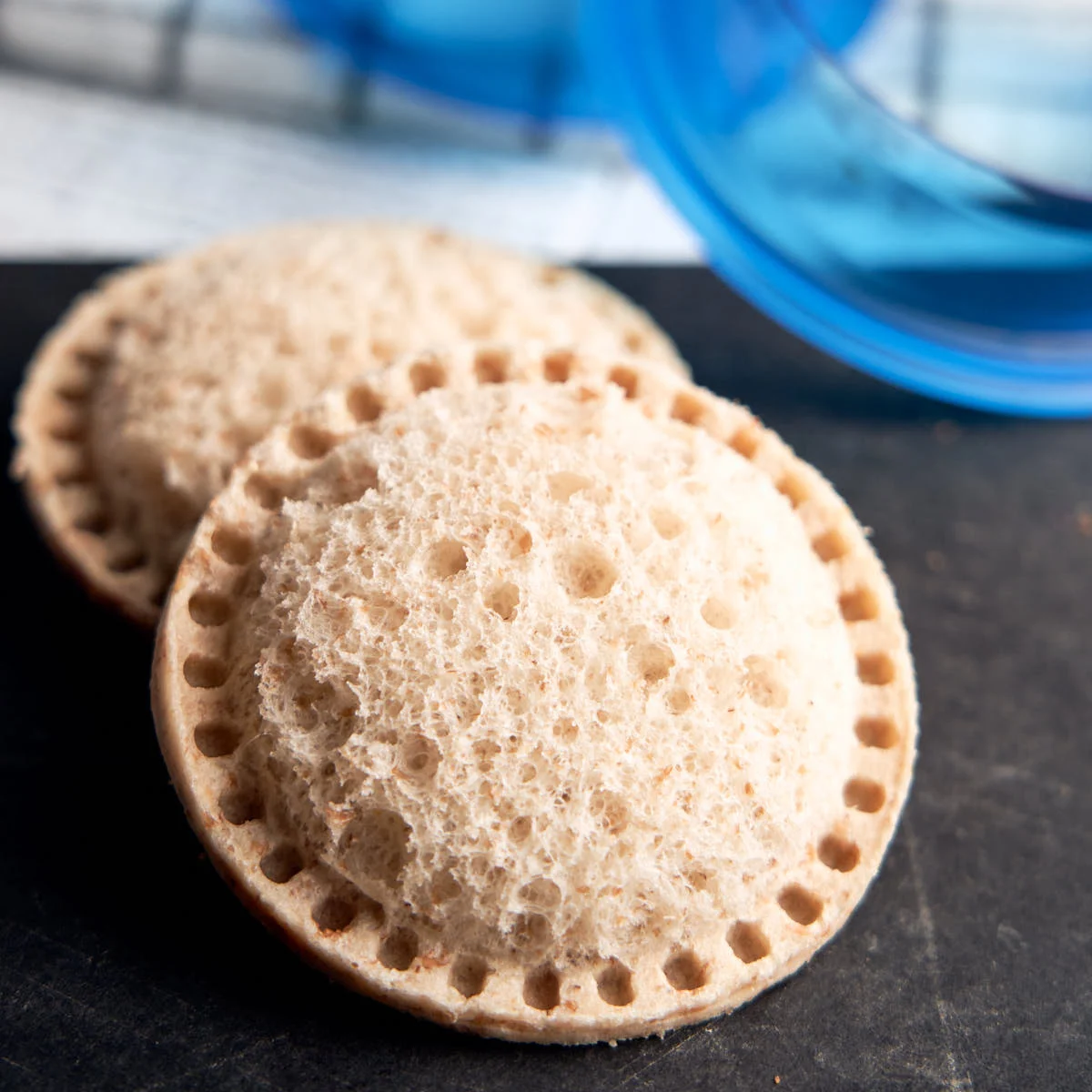
The culinary landscape for busy families has undergone a significant transformation, with a growing trend toward the "homemade convenience" sector. Among the most popular items being replicated in domestic kitchens are sealed-crust sandwiches, colloquially known as "uncrustables." While mass-produced versions have dominated supermarket shelves for decades, a shift in consumer behavior—driven by health consciousness, economic efficiency, and environmental sustainability—has seen a rise in the adoption of home-based sandwich sealing technology.
The Evolution of the Sealed Sandwich
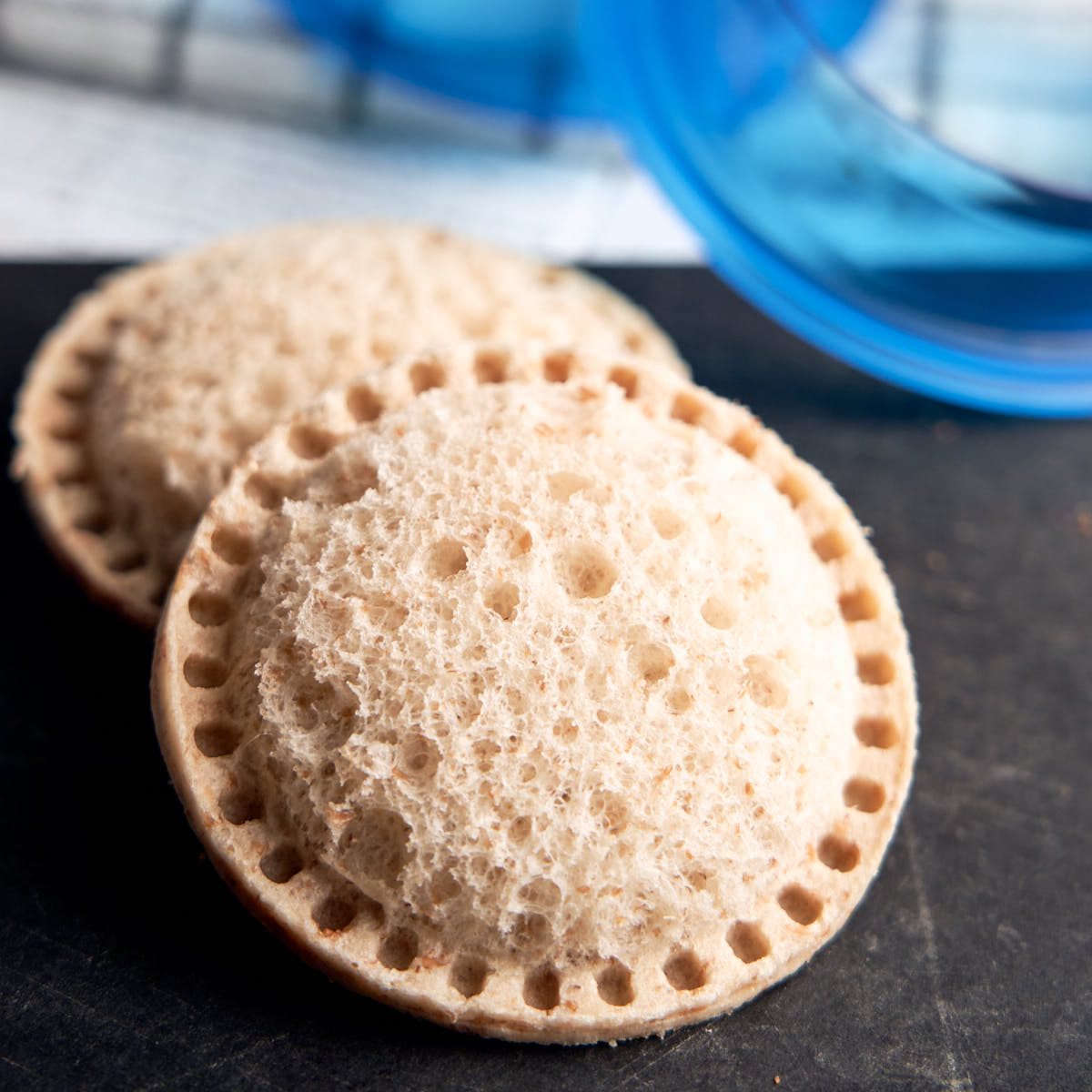
The concept of the crustless, sealed sandwich originated as a solution to the common childhood aversion to bread crusts. Smucker’s, the primary manufacturer of the commercial Uncrustables product, refined the industrial process of crimping bread edges to lock in fillings, effectively creating a portable, thaw-and-eat meal. Over the last decade, however, the commercial product has faced scrutiny regarding its nutritional profile, specifically concerning the presence of high-fructose corn syrup, added sugars in nut butters, and the extensive use of single-use plastic packaging.
Market analysts note that the recent surge in demand for manual sandwich sealers—kitchen gadgets that replicate the industrial crimping process—coincides with a broader post-pandemic trend of families spending more time in the kitchen. Data from home goods retailers suggests that kitchen-gadget sales related to DIY food preparation increased by approximately 22% between 2020 and 2023, as consumers sought to replicate favorite convenience foods while maintaining total control over ingredient quality.
Comparative Nutritional Analysis: Homemade vs. Commercial
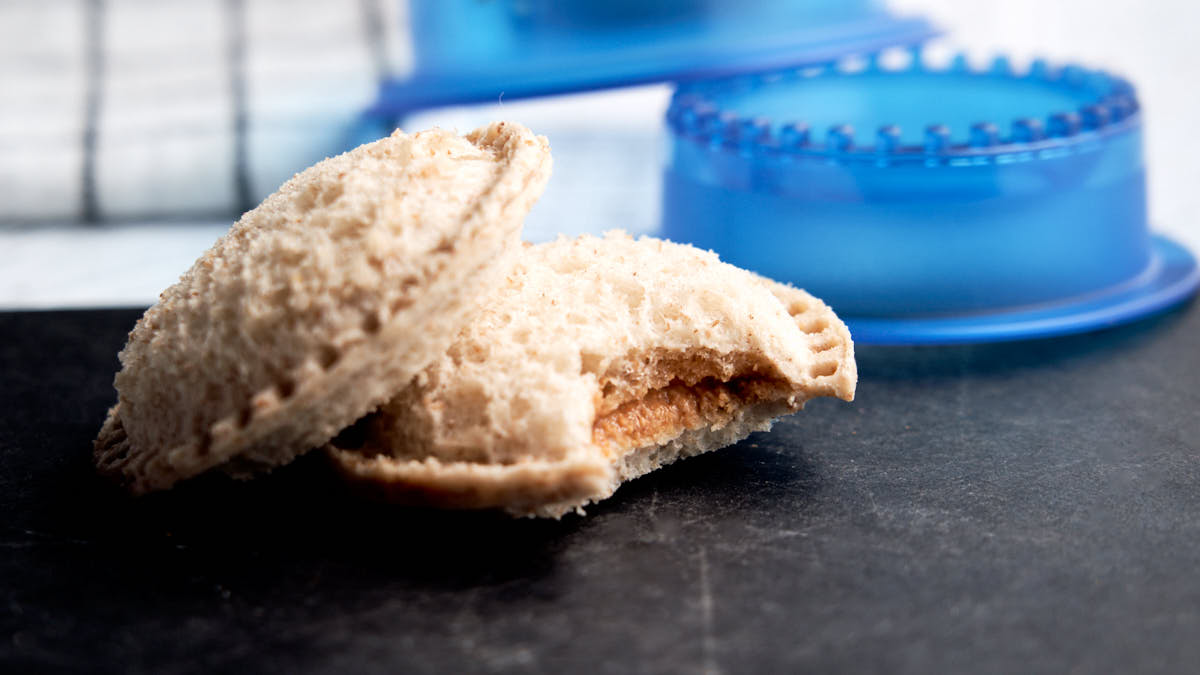
A central driver for the homemade movement is the ability to bypass the highly processed ingredients found in many pre-packaged foods. A standard commercial peanut butter and jelly sandwich, when mass-produced, often utilizes processed white bread, peanut butter fortified with hydrogenated oils and added sugars, and fruit spreads that rely heavily on corn syrup.
By transitioning to a homemade model, households can implement specific nutritional upgrades:
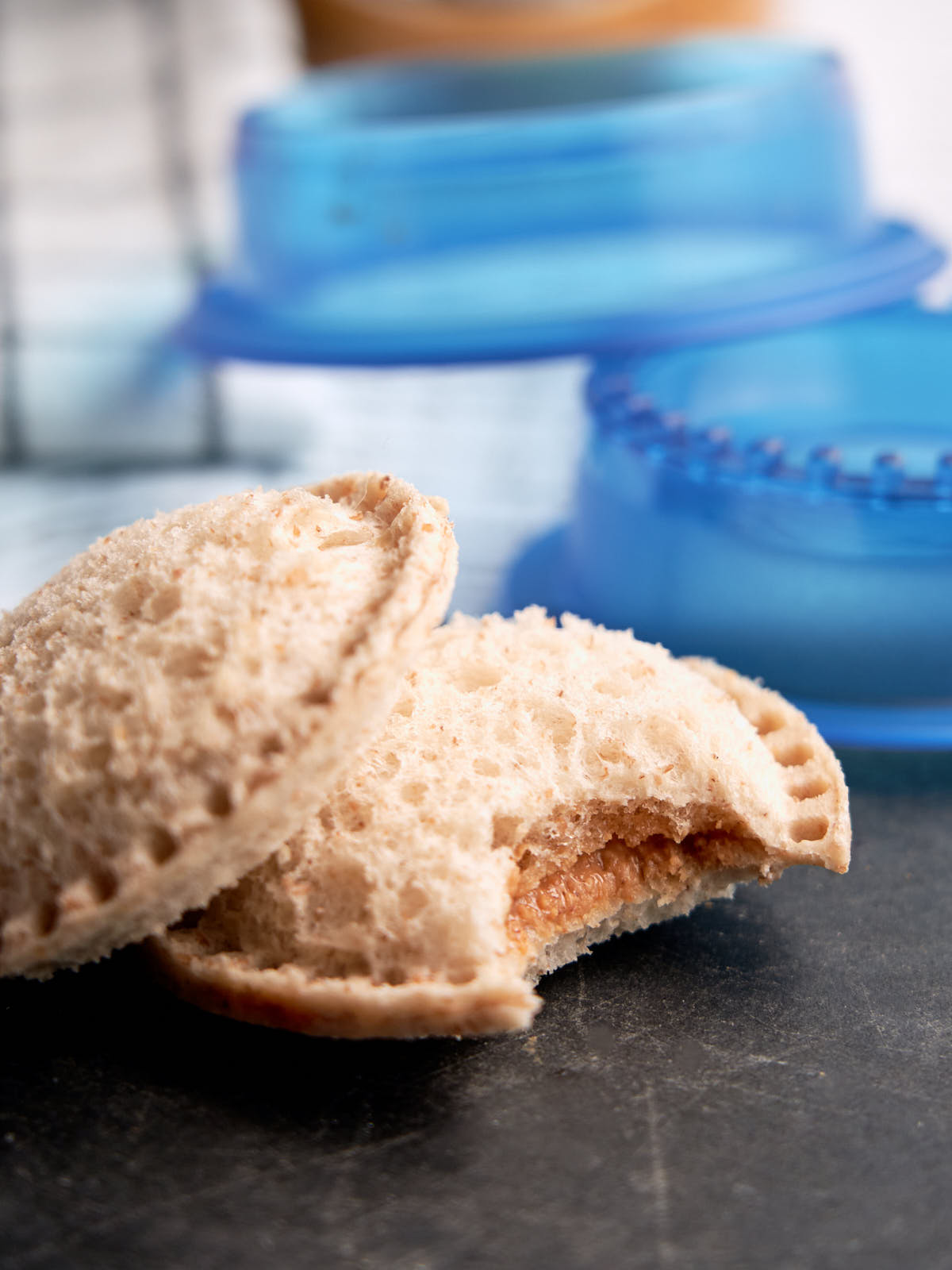
- Sugar Control: Utilizing natural, unprocessed honey or fruit-only spreads removes the necessity for added sucrose or high-fructose corn syrup.
- Nut Butter Integrity: Opting for natural peanut butter—containing only peanuts and perhaps a trace of sea salt—eliminates hydrogenated vegetable oils, which are often used in commercial spreads to prevent oil separation.
- Bread Quality: Homemade versions allow for the selection of whole-grain or sprouted-wheat breads, increasing the fiber content of the meal significantly compared to the refined flour bases used in industrial sandwich production.
Chronology of the DIY Kitchen Shift
The trajectory of this movement can be traced back to the early 2010s, but it accelerated sharply in 2020.
- 2010–2015: The proliferation of lifestyle blogging and platforms like Pinterest brought DIY kitchen hacks into the mainstream, with early adopters showcasing basic sandwich-sealing techniques using simple cookie cutters.
- 2016–2019: The development of more durable, specialized plastic and stainless-steel sandwich cutters hit the mass market on platforms like Amazon, allowing for a more professional "crimp" that prevented leaking.
- 2020–2022: The widespread transition to home-based work and school environments forced a reliance on at-home lunches. During this period, search volume for "homemade uncrustables" spiked, as parents looked for ways to keep school lunches interesting without the reliance on expensive, pre-packaged items.
- 2023–Present: The current phase is characterized by an emphasis on waste reduction, specifically regarding the repurposing of bread crusts, which was previously a point of contention for parents concerned about food waste.
Economic and Environmental Implications
Beyond health benefits, the economic argument for homemade sandwiches is compelling. A single store-bought sealed sandwich typically retails between $0.80 and $1.20, depending on the volume of the purchase. In contrast, the cost of the raw ingredients—two slices of bread, a tablespoon of peanut butter, and a teaspoon of honey—averages approximately $0.35 to $0.45 per unit. For a family packing lunches for two children over a standard 180-day school year, this represents a potential annual savings of over $200.
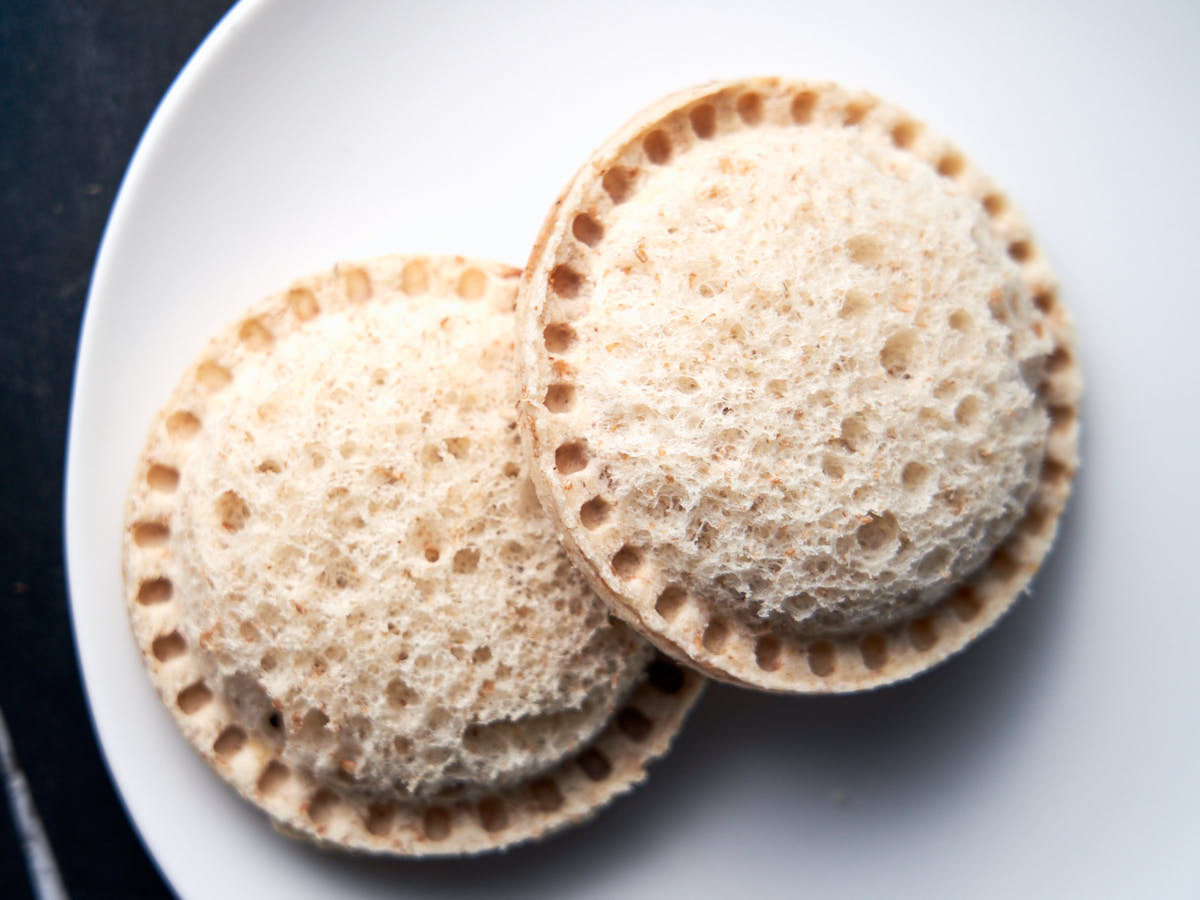
Environmental impacts are equally significant. Every commercial Uncrustable is encased in a individual plastic pouch, contributing to a substantial volume of non-recyclable plastic waste. By utilizing a reusable stainless-steel or BPA-free plastic sealer and storing sandwiches in reusable silicone bags or containers, a household can eliminate hundreds of pieces of single-use plastic per year.
Addressing the Byproduct: The "Crust Problem"
A frequent critique of the homemade sandwich movement is the generation of discarded bread crusts. Culinary experts and professional home economists have proposed several strategies to mitigate this waste, effectively turning a "leftover" into a secondary ingredient.
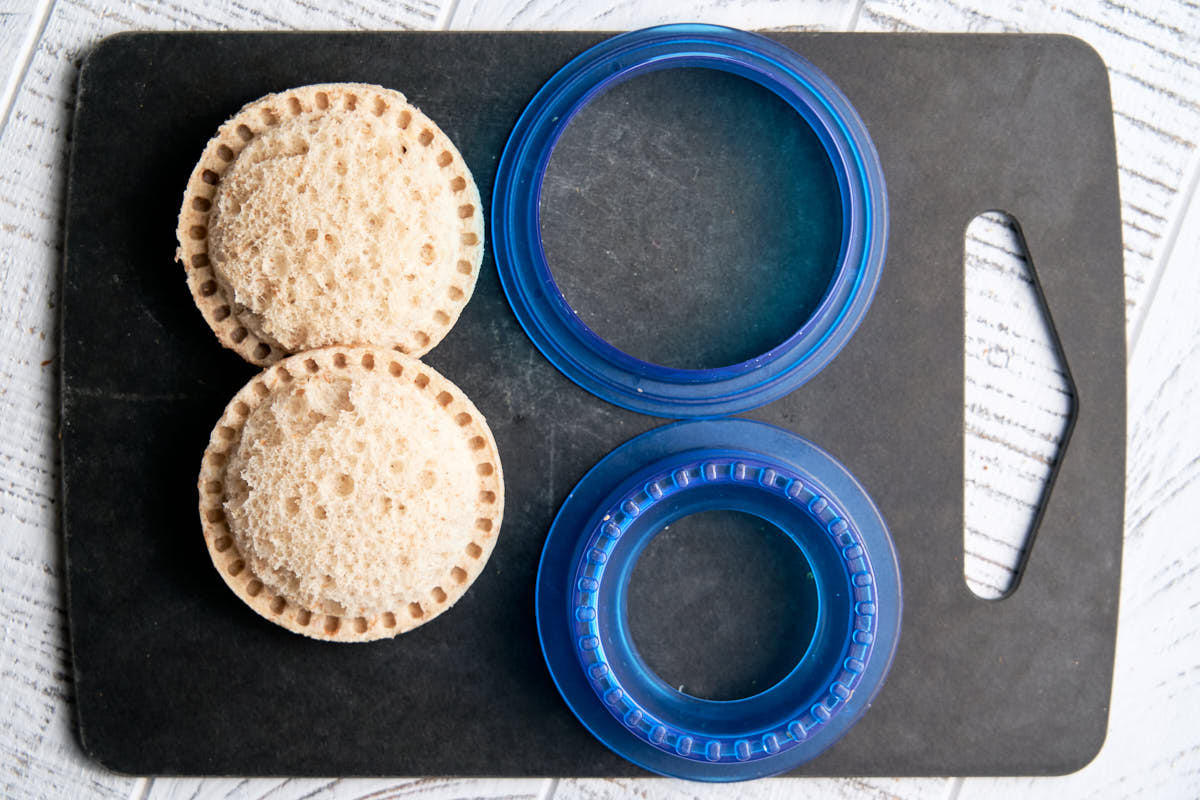
- Crouton Production: By tossing crusts in olive oil and herbs and baking them at 350°F (175°C) until crisp, households can create high-quality, shelf-stable croutons.
- Bread Crumb Utility: Drying crusts in a low-temperature oven before pulverizing them in a food processor yields fresh bread crumbs, which are superior in flavor to store-bought varieties for use in meatballs, casseroles, or breaded cutlets.
- Nutrient Density: Some nutritional advisors point out that the crusts are often the most nutrient-dense part of the loaf. For younger children, who may be satiated by a smaller portion of bread, the crusts can serve as a separate, fiber-rich snack paired with dips like hummus or yogurt.
Industry and Public Response
While the major manufacturers of pre-packaged sealed sandwiches have not issued formal statements regarding the "homemade" movement, they have responded by diversifying their product lines to include more natural ingredients, such as organic peanut butter and reduced-sugar jelly. However, industry analysts suggest that this is a reactive measure to the erosion of their market share among health-conscious demographics.
The broader implications of this trend point toward a more informed consumer base. As individuals become more comfortable with the mechanics of food production—even on a micro-scale like sandwich assembly—they tend to develop a deeper skepticism toward ultra-processed food labels. This shift suggests that the "homemade convenience" trend is not merely a fad, but a structural change in how modern families view the relationship between time, health, and their grocery budget.
Conclusion: The Future of Home Lunch Preparation
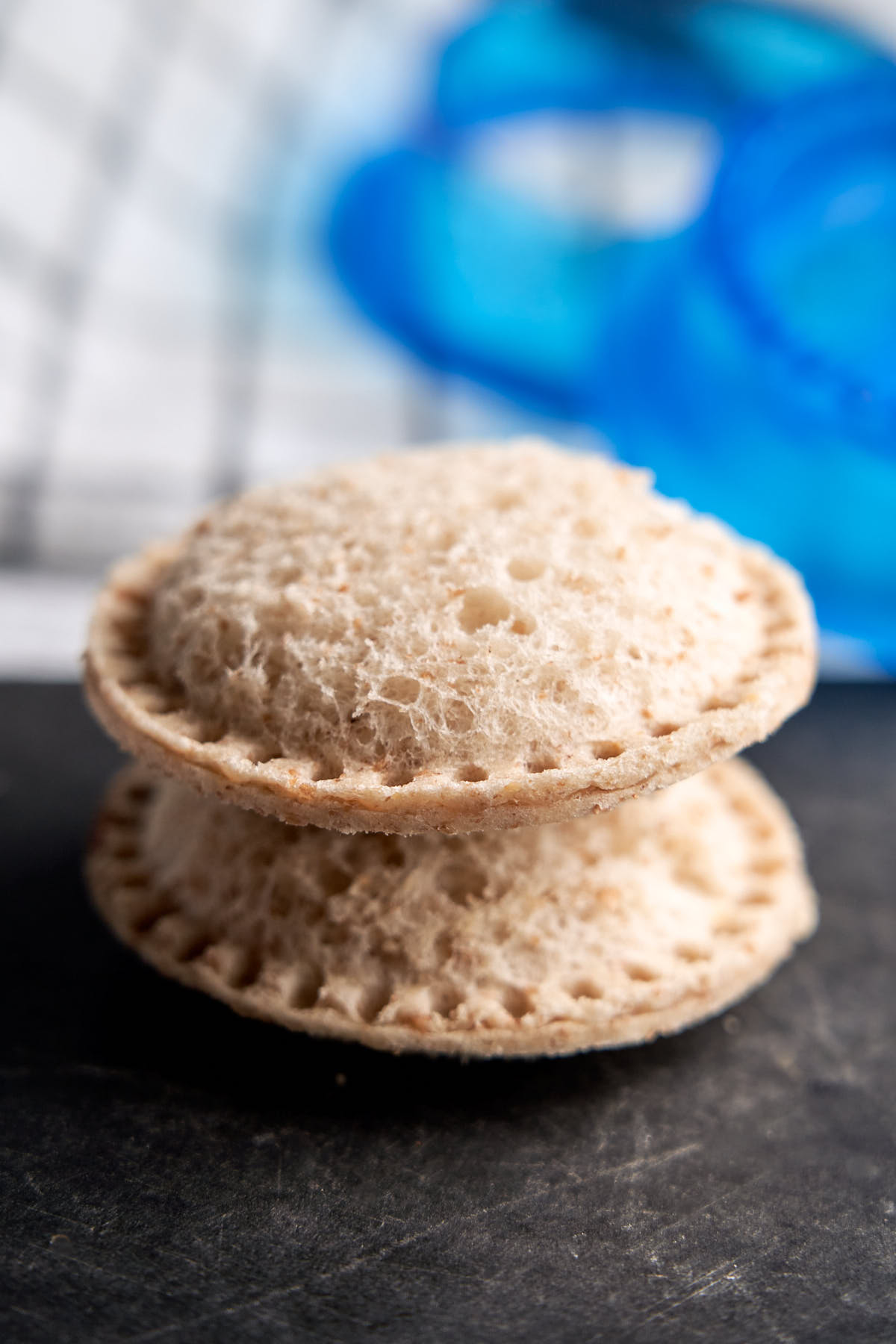
The transition to homemade sealed sandwiches represents a microcosm of modern domestic efficiency. By integrating simple, low-cost tools into the daily routine, families are managing to synthesize the convenience of commercial products with the health benefits of whole, unprocessed ingredients. As more consumers prioritize sustainability and ingredient transparency, the market for manual, durable kitchen tools is expected to remain robust, further cementing the role of the "homemade uncrustable" as a staple in the contemporary household kitchen.
