
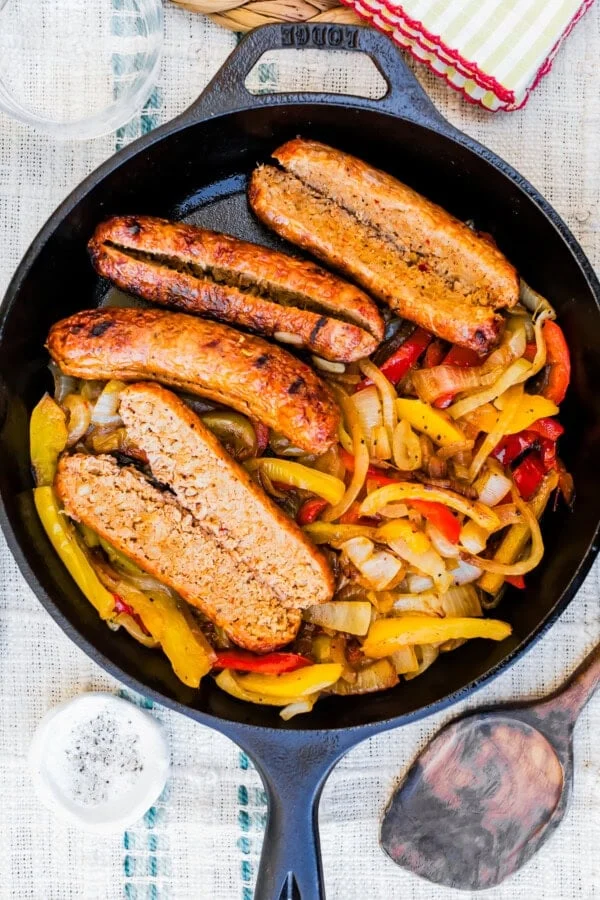
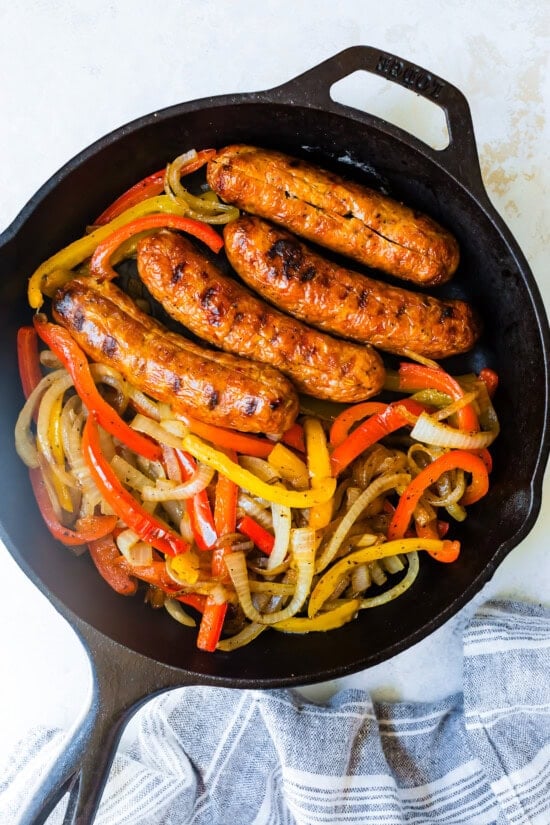
The classic Italian Sausage and Peppers dish stands as a testament to the enduring appeal of simple, flavorful cuisine, offering a versatile meal that has cemented its place in American households. Characterized by its juicy sausage, often paired with sweet peppers and onions, this recipe provides a hearty and satisfying dinner suitable for a wide range of occasions, from casual weeknight meals to festive backyard gatherings. Its adaptability, allowing for both grilling and indoor preparation, contributes significantly to its widespread popularity and year-round relevance.
Historical Roots and Culinary Evolution
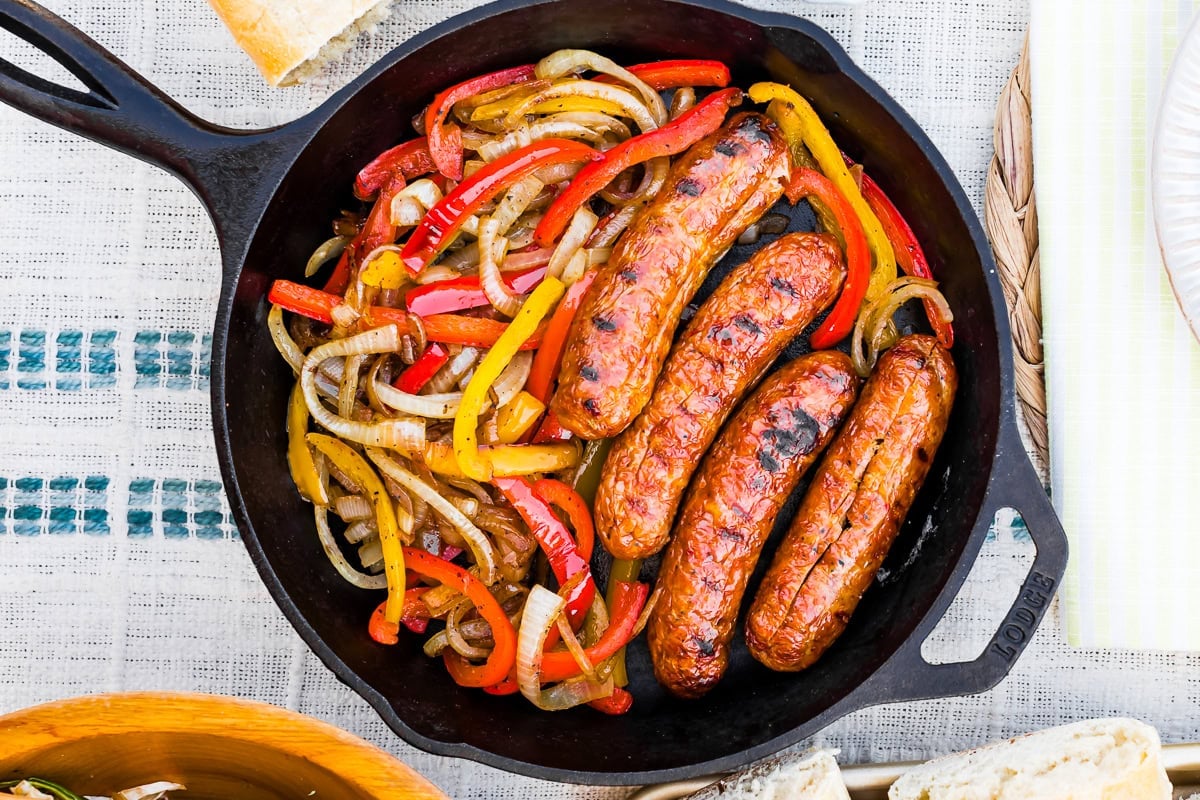
The dish commonly known as "Sausage and Peppers" finds its origins deeply embedded in the culinary traditions of Italian immigrants who settled in America. As large numbers of Italians arrived in the late 19th and early 20th centuries, they brought with them a rich heritage of food, which soon began to adapt to the ingredients and tastes of their new home. Sausages, a staple in regional Italian cooking, often made from pork with various seasonings, became a foundational element. Peppers, particularly bell peppers, were readily available and offered a sweet counterpoint to the savory meat.
Initially, these dishes were simple, often prepared in large batches for family meals or community gatherings, particularly feast days celebrating patron saints. Over time, the combination of sausage, peppers, and onions evolved into a quintessential Italian-American dish, frequently served at street festivals, fairs, and family cookouts. The ease of preparation and the robust flavors made it a natural fit for these settings, allowing for communal enjoyment and efficient serving, often on crusty bread as a sandwich. This historical context underscores its role not just as a meal, but as a cultural touchstone, evoking nostalgia and a sense of tradition for many.
Core Components and Modern Adaptations
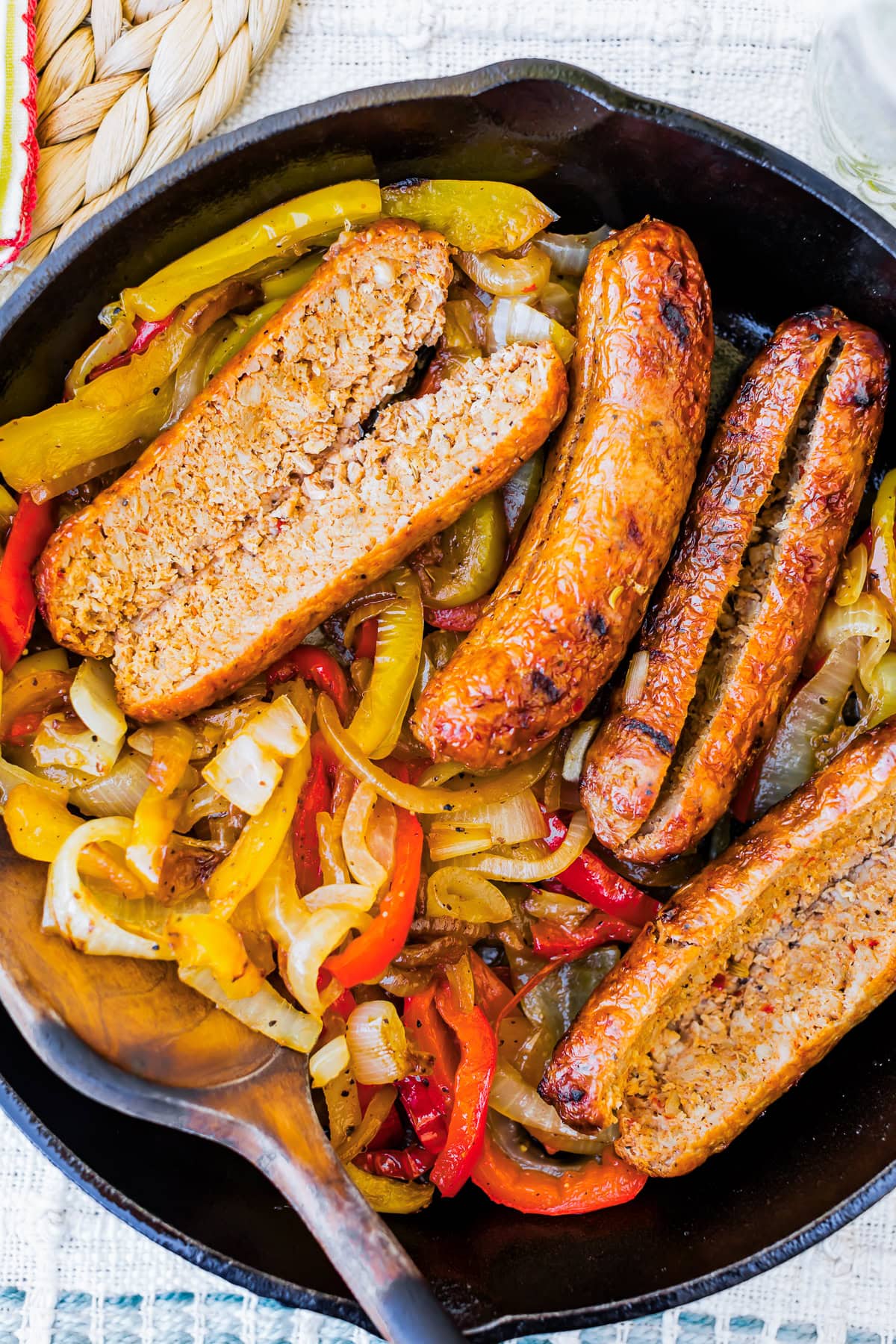
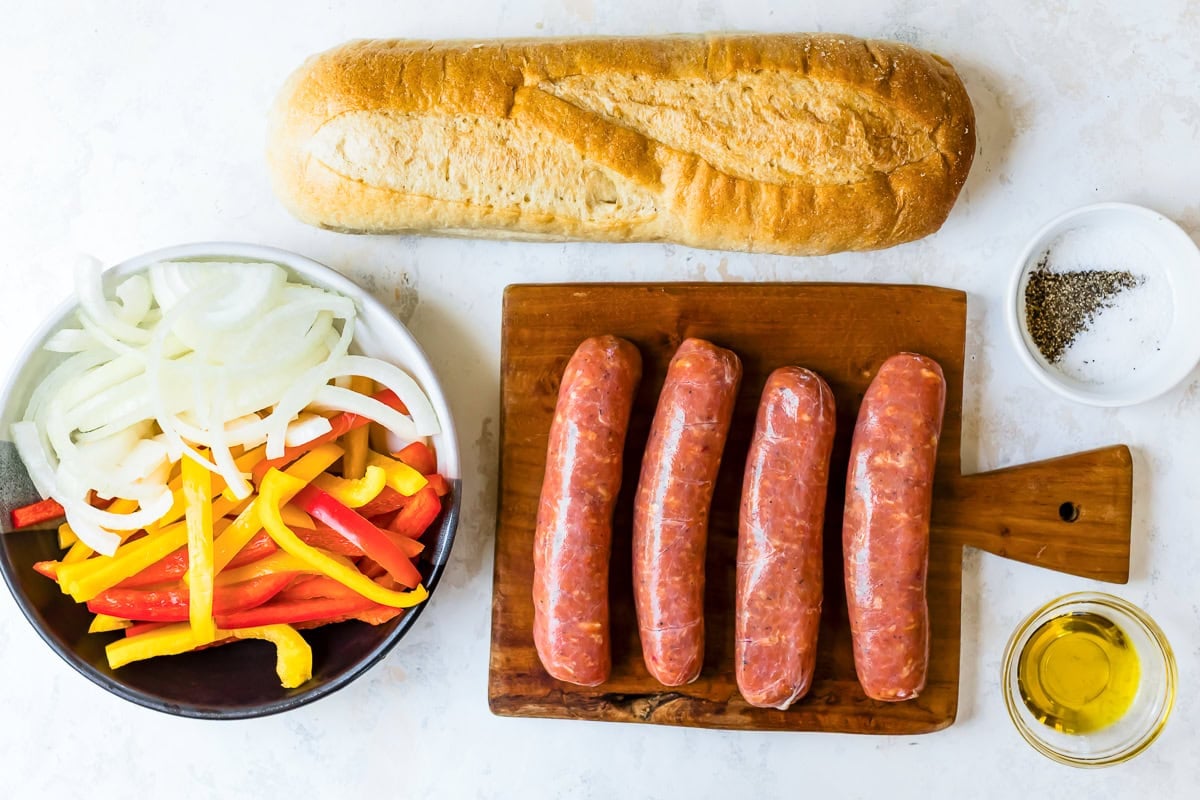
At its heart, the Italian Sausage and Peppers recipe relies on a few key ingredients: Italian sausage, bell peppers, and onions. Traditional recipes often feature pork sausage, known for its rich flavor and fat content. However, in response to evolving dietary preferences and health consciousness, many contemporary versions, such as the one highlighted, incorporate Italian chicken sausage. This substitution aims to deliver the characteristic flavor profile of traditional pork sausage but with reduced fat content, appealing to those seeking lighter alternatives without sacrificing taste. Several brands now offer high-quality chicken sausage that mimics the taste and texture of its pork counterpart, reflecting a broader trend in the food industry towards healthier ingredient swaps.
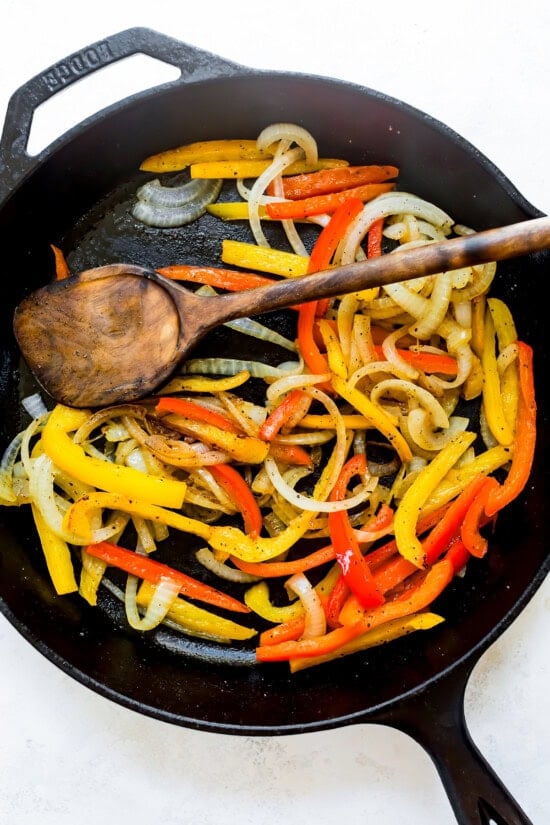
The choice of peppers also contributes significantly to the dish’s character. While green bell peppers are common, a medley of red, yellow, and orange bell peppers adds visual appeal and a spectrum of sweetness. Onions, typically sliced, caramelize during cooking, adding another layer of depth and sweetness that complements both the sausage and peppers. Beyond these core elements, simple kitchen staples like olive oil, garlic, and sometimes a splash of white wine or broth are often used to enhance the flavors and aid in the cooking process. The simplicity of these ingredients belies the complexity of the flavors achieved through proper preparation.
Versatile Cooking Methods: From Grill to Stovetop

One of the defining features of Italian Sausage and Peppers is its remarkable adaptability across different cooking methods, making it a year-round favorite. During warmer months, grilling is the preferred method, imparting a distinct smoky char to both the sausage and vegetables. The high heat of a grill allows the peppers and onions to soften and develop a sweet, slightly smoky flavor, while the sausage cooks through, becoming juicy and browned. For the vegetables, a cast-iron skillet placed directly on the grill is an effective technique, allowing them to tenderize evenly under a closed lid. This method ensures that the vegetables absorb some of the smoky essence of the grill while preventing them from falling through the grates.
When outdoor grilling is not feasible due to weather or lack of equipment, indoor cooking methods offer equally delicious results. The stovetop provides a convenient alternative for the vegetables, where they can be sautéed in a large skillet until tender and caramelized. For the sausage, alternatives to grilling include pan-frying, oven baking, or even cooking in an air fryer.
- Pan-Frying: Sausages can be browned in a skillet on the stovetop, often with a small amount of water or broth to ensure even cooking and prevent drying out.
- Oven Baking: Baking sausages on a sheet pan offers a hands-off approach, resulting in evenly cooked and slightly browned links. This method is particularly useful for preparing larger quantities.
- Air Frying: The air fryer provides a quick way to cook sausages, yielding a crispy exterior with a juicy interior, mimicking some of the texture achieved on a grill.
These varied cooking options underscore the dish’s practicality, enabling home cooks to enjoy it regardless of the season or available kitchen tools. Further variations, such as Sheet Pan Roasted Potatoes, Sausage, and Peppers, are ideal for winter, leveraging oven cooking for a complete meal. For outdoor enthusiasts, Cheesy Sausage and Peppers in foil packets offer a convenient and mess-free grilling solution perfect for camping.

Nutritional Profile and Dietary Considerations
Understanding the nutritional aspects of Italian Sausage and Peppers is crucial for those managing their dietary intake. A typical serving, consisting of approximately one cup of sausage and peppers along with two ounces of bread, provides a significant amount of energy and macronutrients. Based on available data, such a serving can contain:
- Calories: Approximately 413 kcal
- Carbohydrates: Around 38 g
- Protein: Roughly 28 g
- Fat: About 17 g
- Saturated Fat: Approximately 5 g
- Cholesterol: Around 107.5 mg
- Sodium: A notable 1300 mg
- Fiber: Approximately 2.5 g
- Sugar: Around 9.5 g
These figures highlight the dish as a substantial meal, rich in protein, which is essential for muscle repair and satiety. The carbohydrate content is primarily influenced by the accompanying bread, offering a source of energy. The fat and saturated fat levels, while present, can be mitigated by choosing leaner protein sources like chicken sausage, as mentioned, which typically contains less saturated fat and cholesterol than traditional pork sausage.
The sodium content is noteworthy at 1300 mg, indicating that individuals monitoring their sodium intake should be mindful of portion sizes and potentially opt for low-sodium sausage varieties. The fiber content, primarily from the peppers and onions, contributes to digestive health, while the sugar content is largely derived from the natural sugars in the caramelized vegetables. This detailed nutritional breakdown allows individuals to make informed choices, aligning the dish with their specific dietary goals.
Ensuring Food Safety: Internal Temperature Guidelines
Proper cooking of sausage is paramount for food safety. When using raw Italian sausage, it is critical to ensure it reaches an internal temperature of 165°F (74°C) to eliminate harmful bacteria. An instant-read thermometer is an indispensable tool for accurately checking this temperature, ensuring that each link is thoroughly cooked. Inserting the thermometer into the thickest part of the sausage provides the most reliable reading. For those utilizing pre-cooked sausage, the objective shifts to merely heating the links until they are warm throughout the center, which typically requires a reduced cooking time compared to raw sausage. This adherence to temperature guidelines is a fundamental aspect of safe culinary practice.

Storage and Culinary Versatility
The practicality of Italian Sausage and Peppers extends to its storage capabilities. Leftovers can be refrigerated in an airtight container for up to three to four days, making it an excellent option for meal prepping or enjoying later in the week. This convenience adds to its appeal for busy individuals and families.
Beyond its traditional serving on crusty bread, the dish offers numerous opportunities for variation and incorporation into other meals:
- Pasta Dishes: Sliced sausage and peppers can be tossed with pasta and a light marinara sauce for a complete Italian meal.
- Pizza Topping: The cooked components can serve as a flavorful topping for homemade or store-bought pizza.
- Scrambles and Omelets: Leftover sausage and peppers can be chopped and added to breakfast scrambles or omelets, offering a savory start to the day.
- Stuffed Peppers: The sausage mixture can be used as a hearty stuffing for additional bell peppers, then baked until tender.
- Rice Bowls or Salads: For a lighter option, the components can be served over a bed of rice or mixed into a fresh green salad.
These variations highlight the dish’s inherent versatility, allowing it to be reimagined in various culinary contexts, preventing meal fatigue and maximizing ingredient use.
Broader Impact and Implications
The enduring popularity of Italian Sausage and Peppers reflects several broader culinary and societal trends. Its status as a quick, family-friendly dinner aligns with the modern demand for convenient yet wholesome meal solutions. The flexibility in cooking methods addresses diverse living situations and equipment availability, from expansive outdoor grills to compact indoor kitchens. Furthermore, the option to use leaner chicken sausage speaks to a growing consumer awareness of health and nutrition, demonstrating how classic dishes can adapt to contemporary dietary preferences.
Culinary experts often cite dishes like Italian Sausage and Peppers as examples of successful comfort food – meals that are not only satisfying but also evoke feelings of warmth and nostalgia. Its presence at community events and family gatherings reinforces its role in social bonding and cultural celebration. As food trends continue to emphasize fresh ingredients, approachable recipes, and adaptable meal solutions, the Italian Sausage and Peppers dish is poised to maintain its prominence as a beloved and enduring culinary staple. Its simple yet profound appeal ensures its place on dinner tables and at celebrations for generations to come.
