
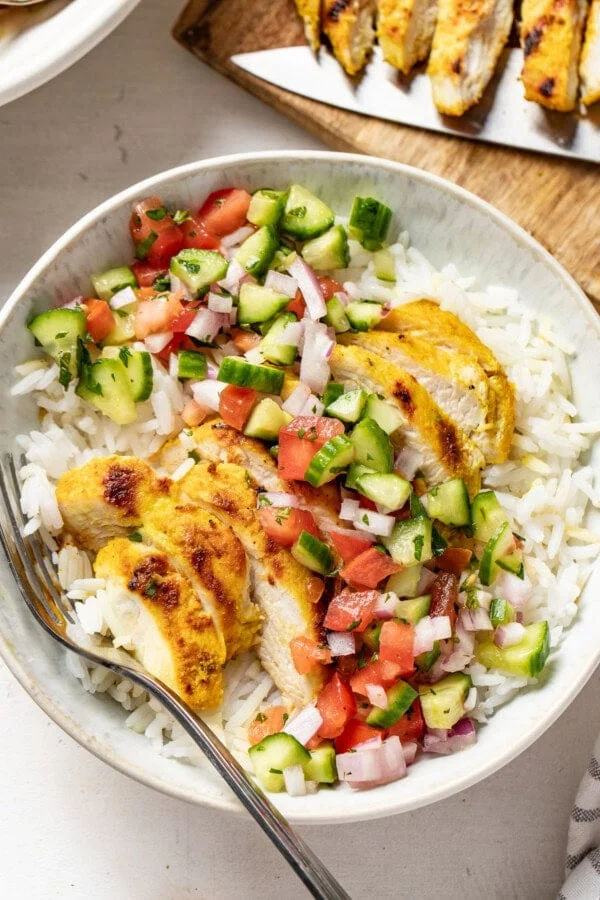
A new culinary trend, emphasizing resourcefulness and vibrant flavors, has emerged with the introduction of Feta Brined Grilled Chicken Bowls. This dish, gaining traction for its unique marinade and balanced nutritional profile, offers a refreshing take on summer meals, combining tender, flavorful chicken with the crisp, zesty notes of a traditional Shirazi salad. The innovation lies in the repurposing of feta brine, an ingredient typically discarded, to transform lean chicken breasts into a moist and tangy centerpiece.
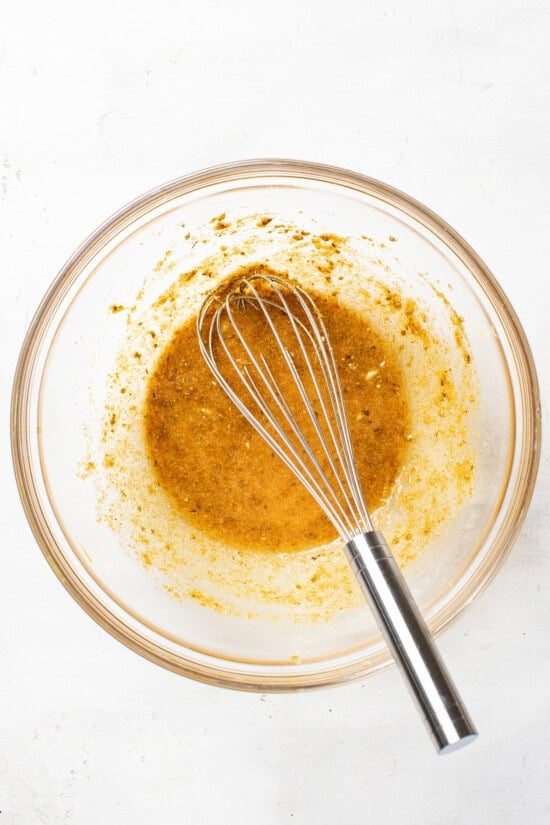
The concept of utilizing feta brine as a marinade is a significant development in the realm of sustainable home cooking. Instead of being poured down the drain, the leftover liquid from a block of feta cheese is now being celebrated for its potent ability to imbue chicken with moisture, a distinct tangy flavor, and a subtle creaminess. This not only enhances the gastronomic experience but also aligns with a growing consumer interest in minimizing food waste. Culinary experts note that the brine’s inherent saltiness and lactic acid content contribute significantly to the tenderization and flavor absorption in poultry, making it an exceptionally effective and environmentally conscious choice for pre-cooking treatment.
The Science Behind the Brine: A Flavorful Transformation
Brining, a time-honored technique, involves soaking meat in a saline solution to enhance moisture and flavor. The scientific principle at play is osmosis, where water, along with dissolved salts and flavor compounds, moves into the meat cells, causing them to swell and retain moisture during cooking. This process is particularly beneficial for lean cuts like chicken breast, which are prone to drying out. Feta brine elevates this traditional method by introducing additional layers of complexity.
Feta cheese, a staple of Mediterranean cuisine, is typically preserved in a solution of water, salt, and sometimes whey or other acids. This brine is rich in sodium, which is crucial for the brining effect, but it also contains lactic acid from the cheese-making process. Lactic acid contributes to the tangy, slightly acidic profile that characterizes feta. When chicken breasts are submerged in this brine, they not only absorb the salt for tenderization and seasoning but also the distinctive tangy notes and subtle creaminess derived from the feta. This results in chicken that is not merely moist but also profoundly flavorful, reminiscent of its Mediterranean origins. The recommended marination time, typically between 30 minutes and 24 hours, allows for optimal flavor penetration and tenderization without over-salting, a common concern with conventional brines. This technique builds upon previous explorations in brine marinades, such as those featured in the Skinnytaste Air Fryer Dinners cookbook, which highlighted feta-brined stuffed chicken, and other recipes exploring pickle-brined chicken tenders. These examples collectively underscore a broader trend towards innovative and resourceful brining practices in modern cooking.

Shirazi Salad: A Persian Counterpoint
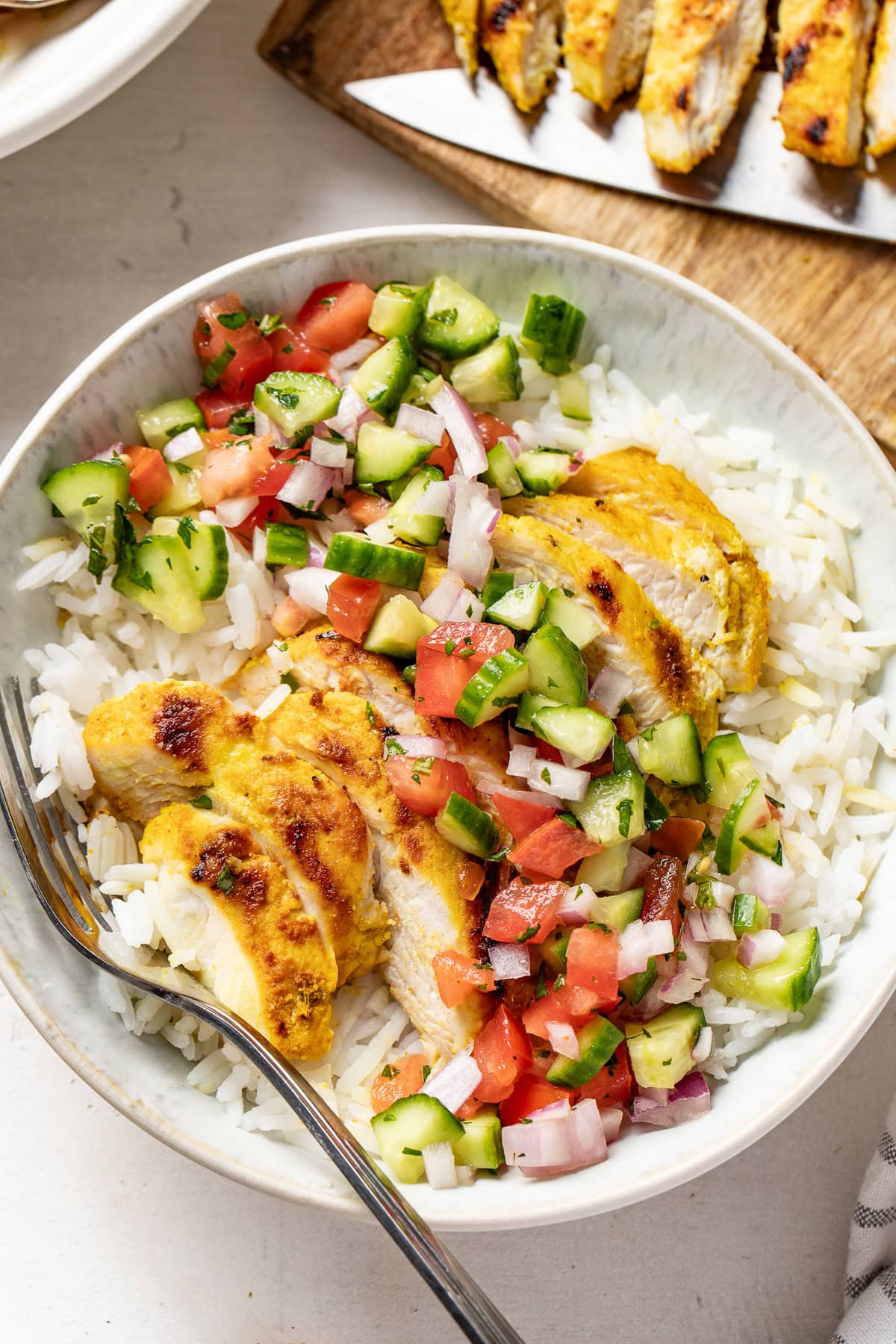
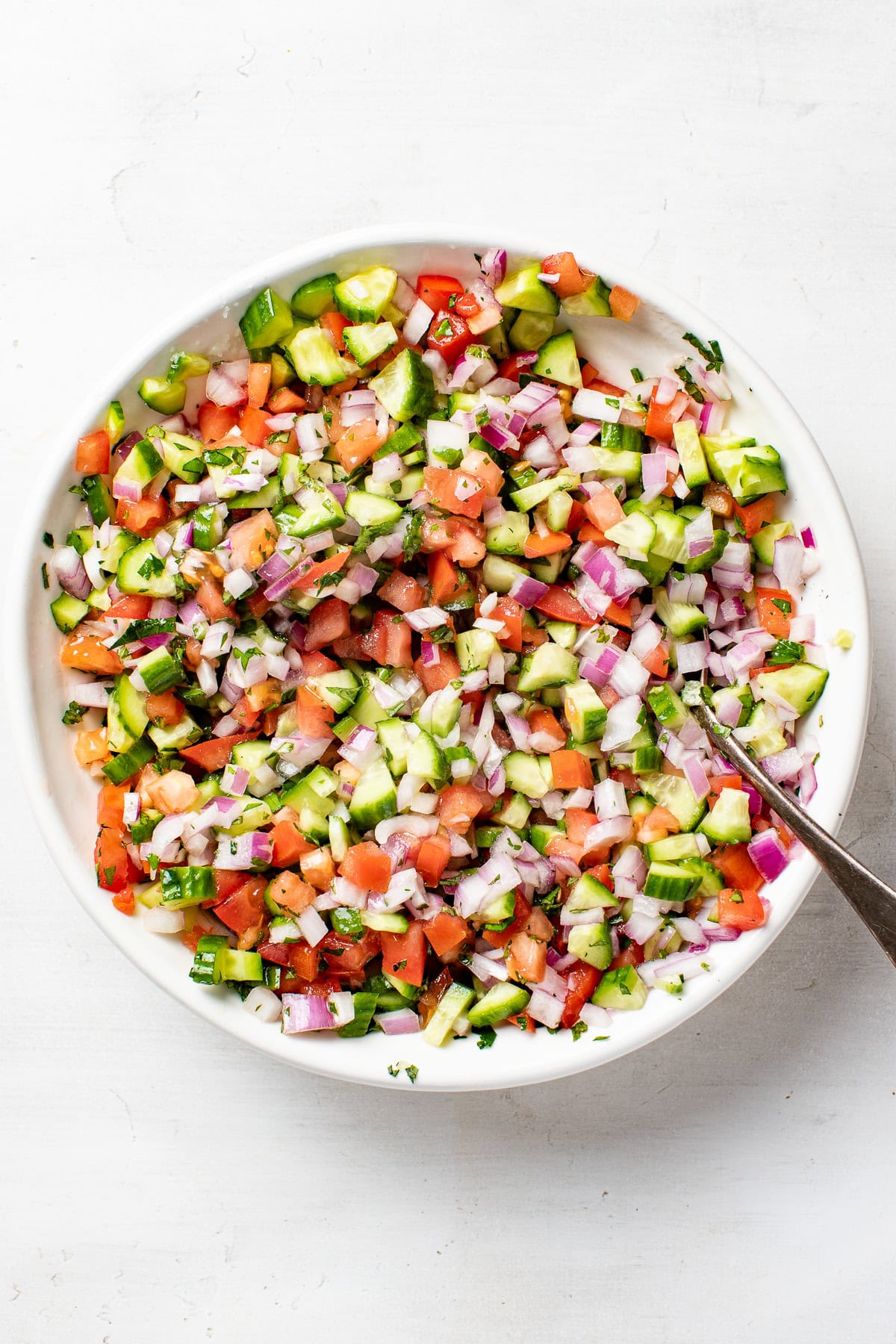
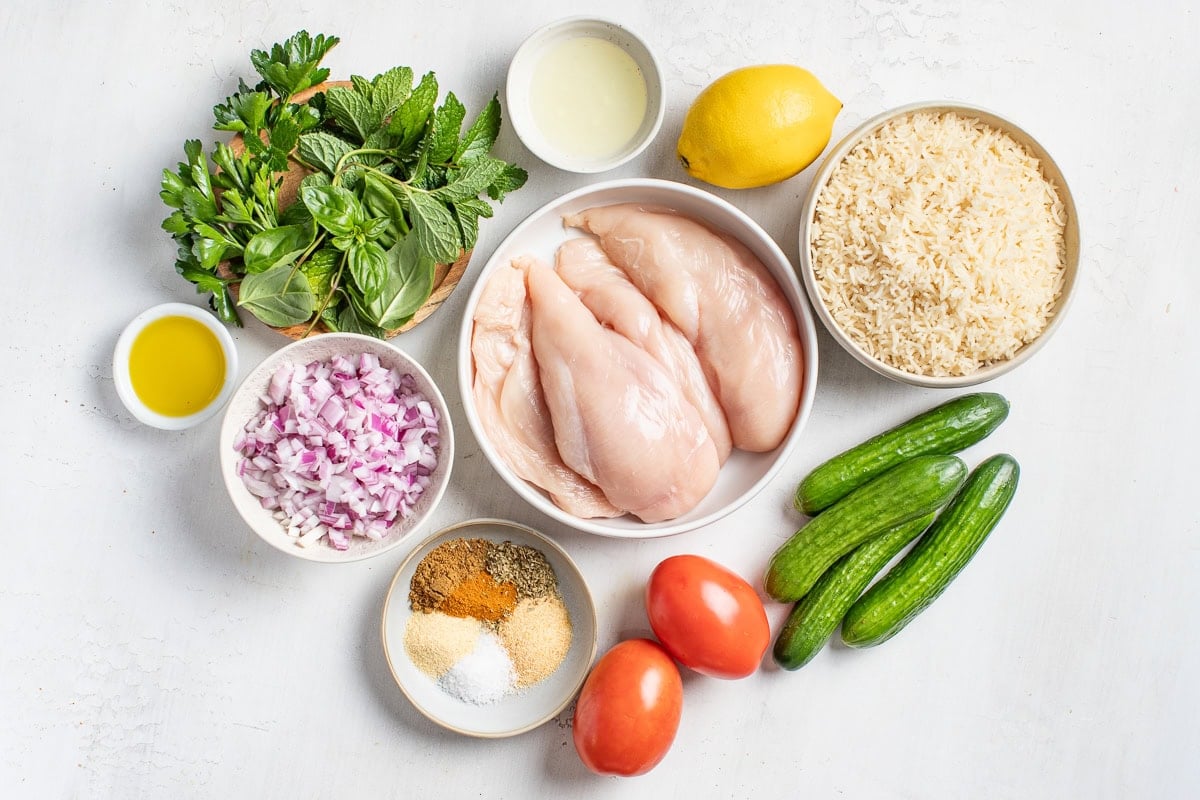
To complement the robust flavors of the feta-brined chicken, the bowls are typically served with Shirazi salad. This popular Persian salad, originating from the city of Shiraz in Iran, is a vibrant and refreshing mixture that perfectly balances the savory richness of the main protein. Its composition is elegantly simple yet powerfully flavorful: finely diced cucumbers, ripe tomatoes, and pungent red onions, often augmented with fresh herbs such as mint or parsley. The dressing is equally straightforward, relying on the classic combination of fresh lemon juice, olive oil, salt, and black pepper.
The inclusion of Shirazi salad in these bowls is not merely an aesthetic choice; it serves a crucial culinary function. The crisp texture of the cucumbers, the juicy sweetness of the tomatoes, and the sharp bite of the red onions provide a refreshing counterpoint to the grilled chicken. The lemon-forward dressing adds a bright acidity that cuts through the richness of the meat, cleansing the palate and enhancing the overall dining experience. From a nutritional standpoint, Shirazi salad significantly boosts the meal’s vitamin and fiber content, aligning with the health-conscious aspects of the Mediterranean diet, which emphasizes fresh vegetables, healthy fats, and lean proteins. This cultural fusion—Mediterranean-inspired chicken paired with a Persian salad—exemplifies the increasingly globalized nature of contemporary cuisine, where diverse culinary traditions are creatively combined to produce novel and appealing dishes.

Nutritional Profile and Health Implications
The Feta Brined Grilled Chicken Bowls present a compelling nutritional profile, positioning them as an excellent choice for health-conscious consumers and those seeking protein-rich meal options. A single serving of these bowls is reported to contain approximately 411 calories, with a significant 30.5 grams of protein, 40.5 grams of carbohydrates, and 14 grams of fat (including 2 grams of saturated fat). It also provides 83 mg of cholesterol, 619 mg of sodium, 2.5 grams of fiber, and 3 grams of sugar.
This macronutrient breakdown highlights several health benefits. The high protein content is crucial for muscle repair and growth, satiety, and overall metabolic health, making it ideal for athletes or individuals focused on weight management. The carbohydrates, primarily from the rice, provide essential energy. The inclusion of the Shirazi salad significantly contributes to the meal’s micronutrient density, offering vitamins, minerals, and dietary fiber from the fresh vegetables. Dietary fiber is vital for digestive health and can help regulate blood sugar levels. While the sodium content is noted, it is important to consider the overall dietary context. For individuals monitoring sodium intake, adjustments can be made to the amount of salt used in the salad dressing or in the preparation of the rice. Overall, the dish offers a well-balanced and satisfying meal that supports a healthy lifestyle, particularly suitable for active individuals or as part of a balanced summer diet.
The Rise of Efficient and Flavorful Home Cooking
The popularity of dishes like the Feta Brined Grilled Chicken Bowls reflects broader trends in modern home cooking, characterized by a demand for efficiency, flavor innovation, and health consciousness. Consumers are increasingly seeking recipes that are easy to prepare, adaptable for meal prepping, and deliver robust flavors without extensive culinary effort.
The "bowl meal" format itself has seen a meteoric rise in popularity. Its appeal lies in its versatility, allowing for easy customization of components—proteins, grains, vegetables, and dressings—to suit individual preferences and dietary needs. This modular approach makes it an ideal solution for busy weekdays or for preparing meals in advance. For instance, the chicken can be marinated and grilled ahead of time, and the Shirazi salad ingredients can be chopped and stored separately, ready for assembly when needed. This approach minimizes cooking time during peak hours and ensures access to healthy, home-cooked meals throughout the week.
Furthermore, the emphasis on grilling for the chicken breast aligns with seasonal preferences, especially during warmer months. Grilling not only imparts a distinctive smoky flavor but also offers a healthier cooking method, typically requiring less added fat. The seasonality of cucumbers and tomatoes, key ingredients in Shirazi salad, also contributes to the dish’s appeal as a quintessential summer offering, encouraging the use of fresh, locally sourced produce. The ability to easily scale the recipe for larger gatherings, such as backyard parties, further underscores its practicality and broad appeal, solidifying its place as a contemporary culinary staple.
Expert Perspectives and Culinary Commentary
Culinary experts and nutritionists have lauded the Feta Brined Grilled Chicken Bowls as an ingenious example of modern recipe development that marries flavor, health, and sustainability. "This recipe is a brilliant illustration of how resourceful cooking can elevate simple ingredients," comments Dr. Anya Sharma, a food science researcher. "The use of feta brine isn’t just about preventing waste; it’s about leveraging the unique chemical properties of a readily available ingredient to achieve superior texture and taste in lean protein." She notes that the lactic acid in the brine, alongside the salt, acts as a tenderizer and flavor enhancer, making the chicken remarkably succulent.
Similarly, registered dietitian Mark Jensen highlights the dish’s nutritional balance. "With its high protein content from the chicken, complex carbohydrates from the rice, and a wealth of vitamins and fiber from the Shirazi salad, this bowl offers a complete and satisfying meal. It’s particularly appealing for those looking to maintain a healthy diet without sacrificing flavor or feeling deprived." He suggests that the fresh, vibrant components of the Shirazi salad contribute significantly to the meal’s overall appeal and health benefits, providing essential micronutrients and antioxidants.
The culinary community also recognizes the dish’s contribution to reducing food waste, a growing concern globally. "It’s inspiring to see recipes that encourage home cooks to think creatively about ingredients that might otherwise be discarded," states Chef Isabella Rossi, known for her commitment to sustainable cuisine. "Repurposing feta brine not only reduces waste but also introduces a sophisticated, tangy flavor profile that might otherwise require more complex marinades. This democratizes a gourmet approach for the everyday kitchen." These professional endorsements underscore the recipe’s multifaceted value, extending beyond mere taste to encompass broader culinary, health, and environmental considerations.
Practical Application and Accessibility
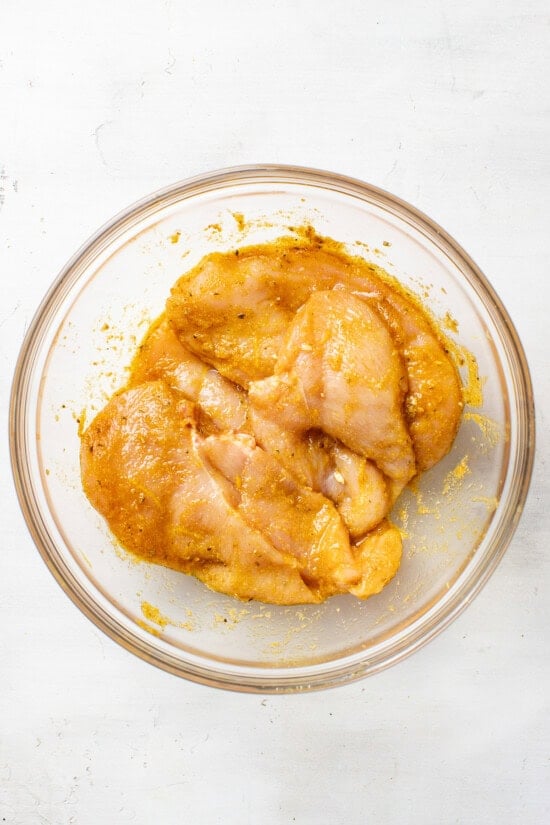
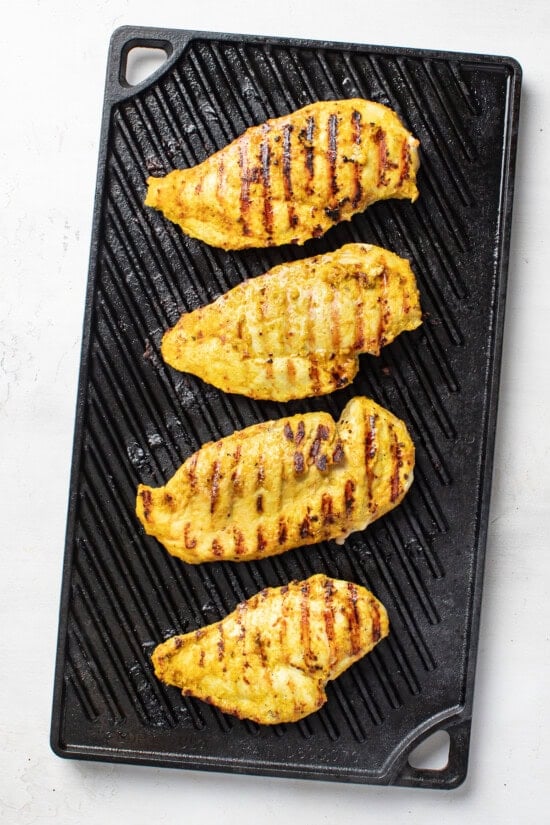
The Feta Brined Grilled Chicken Bowls are designed for ease of preparation, making them accessible to a wide range of home cooks, from novices to seasoned chefs. The process begins with marinating the chicken breasts in the feta brine, a step that requires minimal active time and yields significant flavor dividends. While grilling is the preferred method for imparting a smoky char and tender texture, the recipe also offers flexibility for those without outdoor grills. The chicken can be successfully cooked in a large skillet, a grill pan, or on a flat-top griddle over medium-high heat, requiring only 3 to 4 minutes per side to achieve a perfectly cooked, juicy result. This adaptability ensures that the dish can be enjoyed year-round, regardless of weather conditions or kitchen equipment.
For the Shirazi salad, efficiency is further enhanced by tools like food choppers, which can quickly dice vegetables to the required fine consistency. Alternatively, a sharp knife and basic chopping skills are all that’s needed to prepare the cucumbers, tomatoes, and red onions. The simple dressing, a blend of lemon juice, olive oil, salt, and pepper, requires no special techniques, making the salad component quick to assemble. The ingredients themselves are widely available in most grocery stores, ensuring that the recipe is not only straightforward in execution but also convenient to source. This combination of simple steps, versatile cooking methods, and accessible ingredients makes the Feta Brined Grilled Chicken Bowls an attractive option for healthy, flavorful, and convenient home dining.
Broader Impact: Sustainability and Food Waste Reduction
Beyond its immediate culinary appeal, the Feta Brined Grilled Chicken Bowls stand as a notable example of a growing movement towards greater sustainability and reduced food waste in the kitchen. The central innovation—the utilization of feta brine—directly addresses the issue of edible ingredients being discarded simply because their primary function has been served. In households worldwide, liquids from preserved foods, such as pickle juice, olive brine, and indeed, feta brine, are routinely poured away. This recipe challenges that norm, advocating for a "nose-to-tail" or "whole-ingredient" philosophy applied to even secondary components of food products.
The environmental implications of food waste are substantial, contributing to greenhouse gas emissions from landfills and representing a squandering of resources (water, energy, labor) used in food production. By promoting the reuse of feta brine, this recipe encourages consumers to adopt more mindful consumption habits. It transforms what was once considered waste into a valuable flavor enhancer, offering a tangible example of how small changes in individual kitchen practices can contribute to larger sustainability goals. This approach resonates with a demographic increasingly concerned about environmental impact and seeking practical ways to reduce their ecological footprint. The popularization of such recipes could lead to a broader shift in culinary thinking, fostering greater creativity in ingredient utilization and reinforcing the idea that true culinary artistry often lies in making the most of every component.
In conclusion, the Feta Brined Grilled Chicken Bowls represent more than just a new recipe; they symbolize an intelligent evolution in home cooking. This dish masterfully combines the principles of culinary innovation, nutritional balance, and environmental sustainability. By transforming an overlooked ingredient like feta brine into a powerful flavor agent, and pairing it with the refreshing authenticity of a Shirazi salad, it offers a compelling solution for healthy, flavorful, and efficient summer dining. Its adaptability for meal preparation, ease of execution, and endorsement by culinary and nutritional experts solidify its status as a significant and welcome addition to the modern kitchen, promising to become a cherished staple for years to come.
