
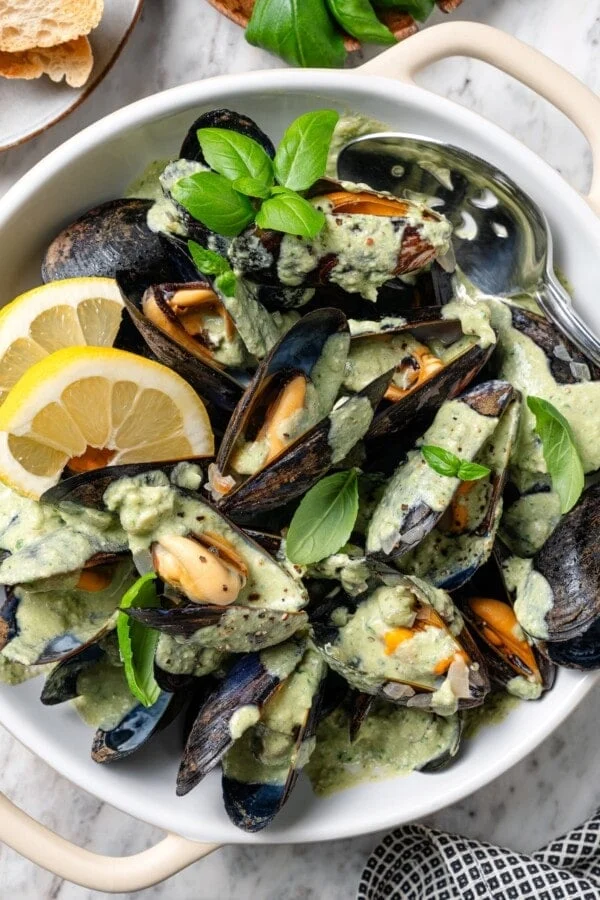
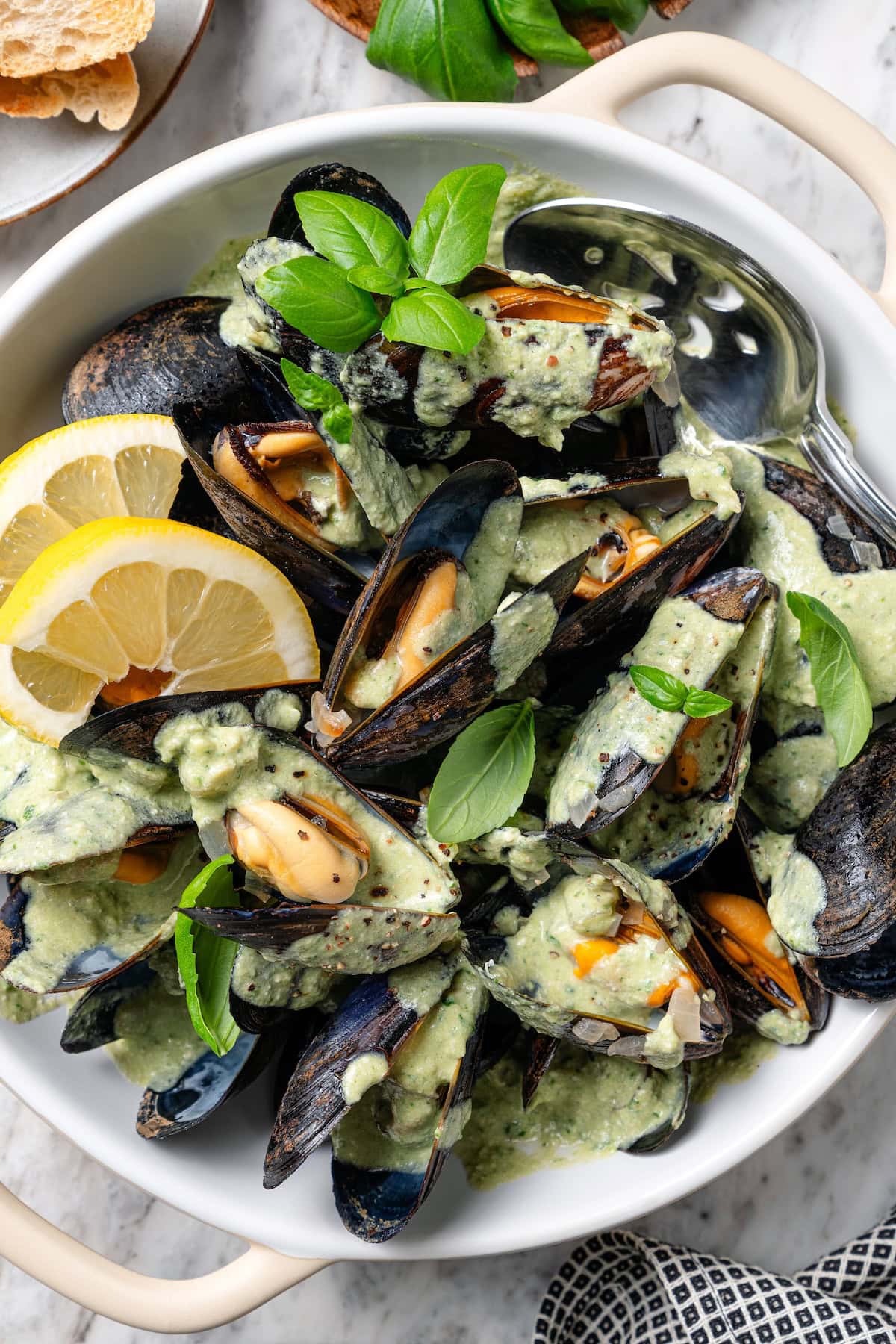
The culinary landscape for home enthusiasts continues to evolve, with a growing emphasis on dishes that marry gourmet sophistication with practical accessibility. A prime example of this trend is the preparation of mussels in a basil cream sauce, a dish traditionally associated with fine dining establishments that is increasingly being embraced by home cooks for its surprising ease and elegant presentation. This particular rendition, which features fresh mussels steamed in white wine and finished with a rich, herbaceous sauce comprising fresh basil, garlic, Parmesan cheese, and a touch of half-and-half, stands out as a testament to the modern home kitchen’s capacity for producing restaurant-quality meals with minimal effort.
The Evolution of Home Gastronomy: Bringing Restaurant Flavors Home
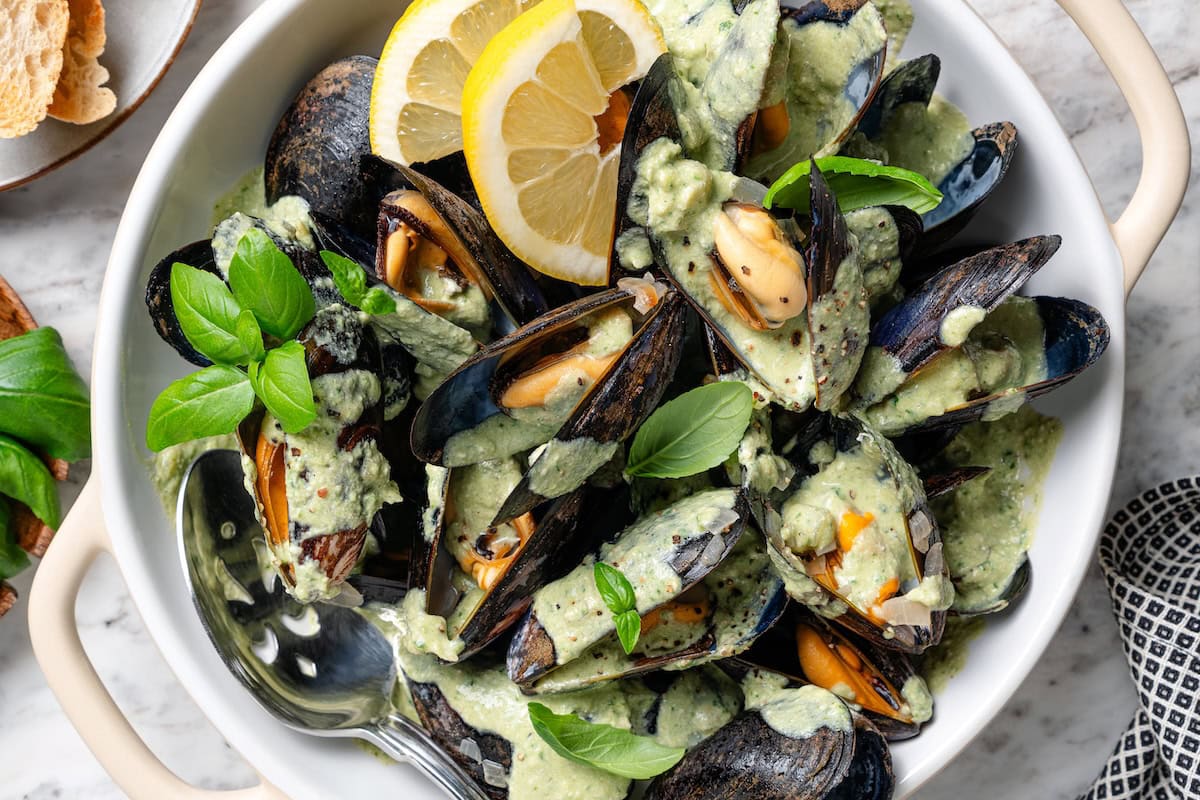
In recent years, there has been a notable shift in dining culture, propelled by a combination of factors including culinary media, readily available ingredients, and a desire among consumers to experience high-quality meals without the associated cost and formality of dining out. Recipes like mussels in cream sauce perfectly encapsulate this movement. What was once considered a special occasion dish, reserved for restaurant menus due to perceived complexity or exoticism, is now being demystified and made achievable for the average cook. The inspiration for such home-adapted recipes often stems from popular restaurant dishes, with a conscious effort to lighten heavy preparations without sacrificing flavor. This approach not only empowers individuals to explore a broader culinary repertoire but also caters to a growing demand for healthier alternatives to traditionally rich preparations. The quick cooking time of mussels, typically minutes once prepared, further enhances their appeal for those seeking both elegance and efficiency in their meal planning.
Deconstructing the Dish: Ingredients and Preparation Methodology
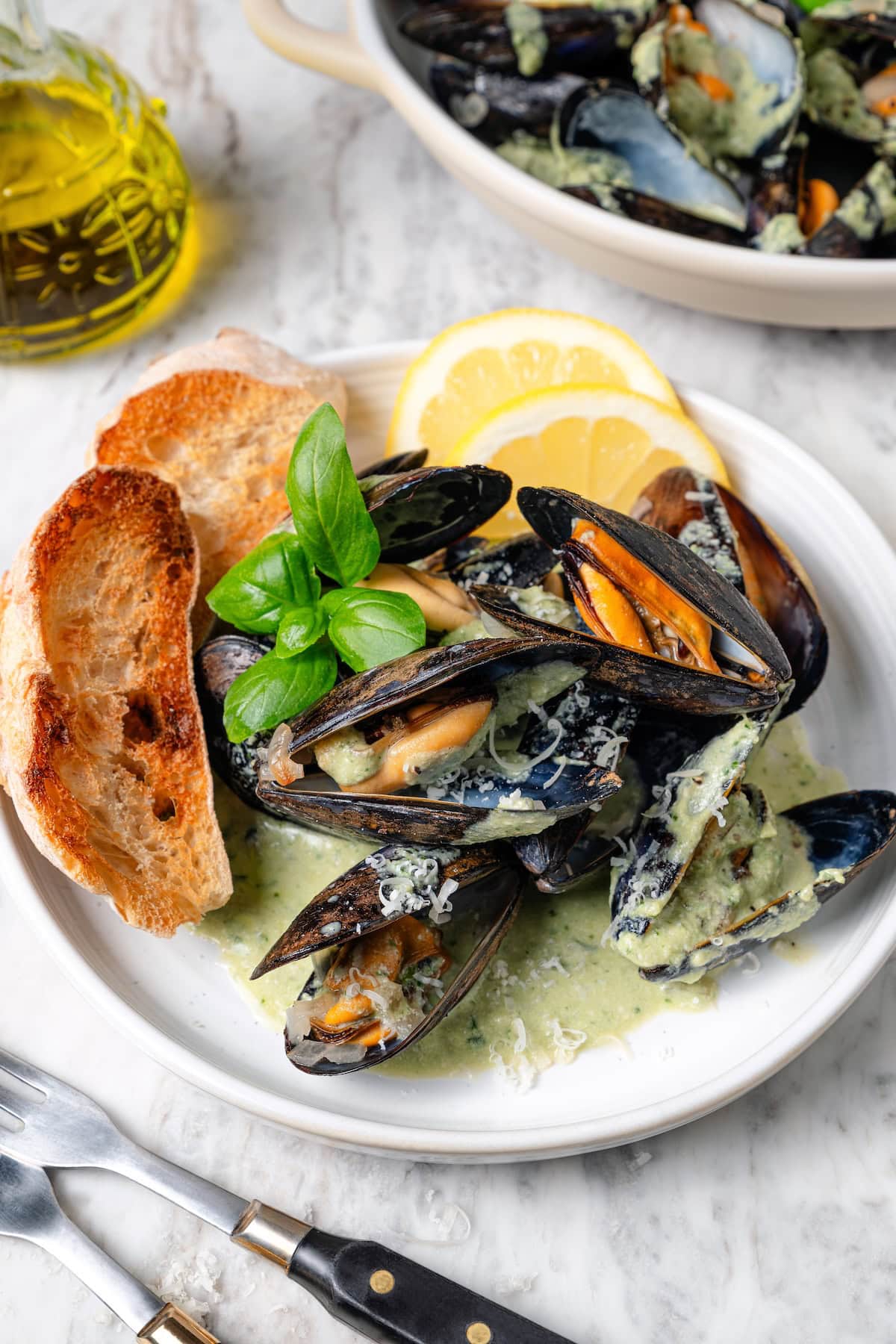
The simplicity of the mussels in basil cream sauce belies its rich flavor profile. The core components are few but critical. Fresh mussels are the star, and their quality dictates the final outcome. The steaming process, utilizing white wine, is fundamental; it not only cooks the shellfish but also infuses them with a delicate aroma and creates a flavorful broth that forms the base of the sauce. Following the steaming, the creation of the creamy basil sauce is straightforward, involving the careful incorporation of aromatic elements such as fresh garlic, the distinct peppery notes of fresh basil, the salty umami of Parmesan cheese, and the luxurious texture provided by half-and-half. This combination yields a sauce that is both robust and refined, designed to complement the tender mussels and be absorbed by crusty bread, a quintessential accompaniment. The entire preparation process, from initial setup to final plating, can be completed in approximately 30 minutes, with prep time and cook time each accounting for roughly 15 minutes, making it an ideal choice for weeknight indulgence or an impromptu date night.
Nutritional Analysis and Health-Conscious Adaptation

For many, the allure of restaurant dishes often comes with the unspoken understanding of high caloric and fat content. This home-prepared mussels in basil cream sauce offers a significant advantage by presenting a "lighter" alternative. A serving size, estimated at 14 mussels, provides a robust nutritional profile: approximately 484.5 kilocalories, 17 grams of carbohydrates, a substantial 40 grams of protein, 26 grams of fat, and 9 grams of saturated fat. It also contains 114.5 milligrams of cholesterol, 0.5 grams of fiber, and 2.5 grams of sugar. Notably, the sodium content is reported at 10,121 milligrams. While mussels themselves are naturally low in fat and high in protein, iron, and B vitamins, the creamy sauce components contribute to the overall nutritional metrics. The strategic use of half-and-half instead of heavier creams or excessive butter is a deliberate choice in this adaptation to reduce the caloric density, aligning with contemporary dietary preferences for more balanced yet flavorful meals. This approach allows individuals to enjoy the indulgence of a rich dish without the caloric excesses often found in traditional restaurant versions.
Mussels Through Time: A Culinary History

Mussels have been a staple in human diets for millennia, evidenced by archaeological findings of shell middens dating back to prehistoric times. Their abundance in coastal waters and ease of harvesting made them a readily accessible and nutritious food source. In modern culinary history, mussels have held a prominent place, particularly in European cuisines. In France, Moules Marinières (mussels in white wine, shallots, and butter) is a classic bistro dish. Belgium is famous for its Moules-Frites, where steamed mussels are served alongside crispy French fries. Italy incorporates mussels into various pasta dishes, risottos, and seafood stews, reflecting their integral role in Mediterranean gastronomy. The versatility of mussels, capable of absorbing and enhancing a wide array of flavors, has ensured their enduring popularity. Their relatively quick cooking time and distinct briny taste make them a favored ingredient for both professional chefs and home cooks seeking to prepare flavorful seafood dishes efficiently.
Expert Recommendations for Optimal Preparation
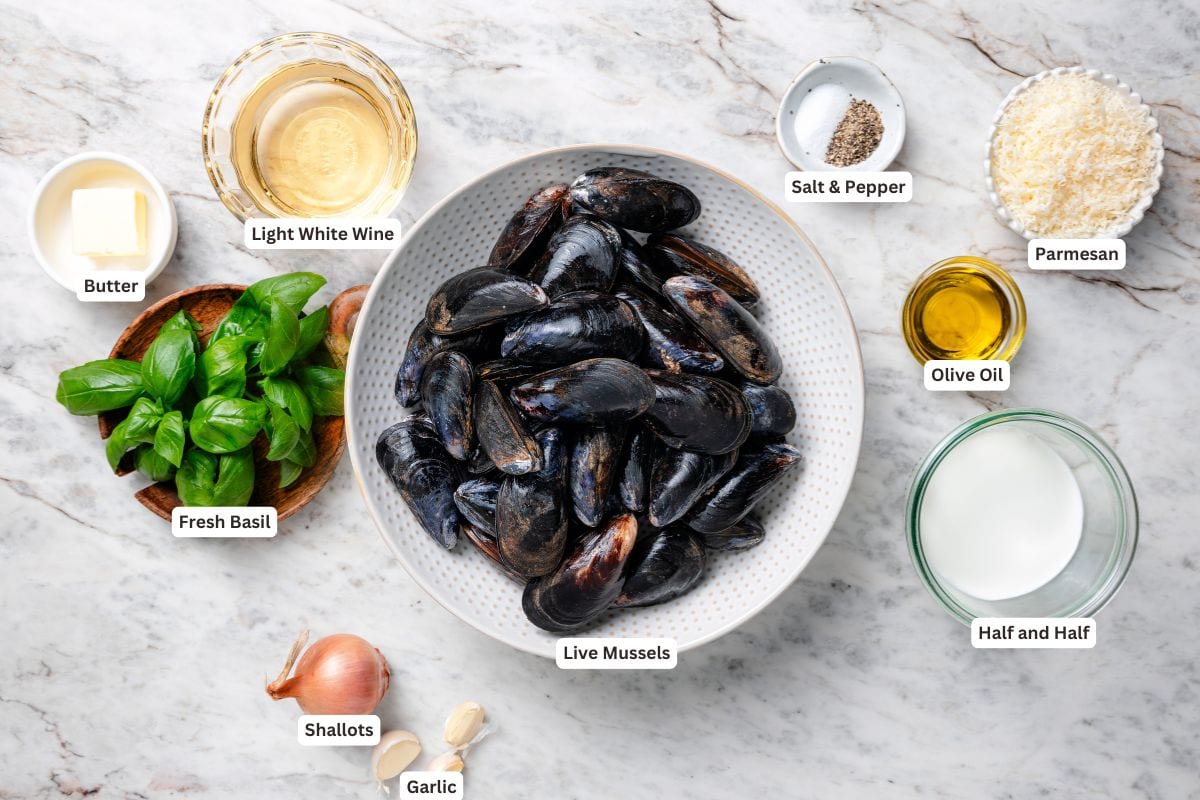
Achieving the perfect mussels in cream sauce extends beyond merely following a recipe; it involves an understanding of the ingredients and best practices. Sourcing fresh mussels is paramount. They should always be purchased live, with tightly closed shells. Any mussels with cracked or open shells that do not close when tapped should be discarded, as this indicates they are no longer alive and safe for consumption. Prior to cooking, mussels require thorough cleaning. This involves scrubbing the shells under cold running water to remove any grit or barnacles. A process known as "de-bearding" is also necessary, where the fibrous beard-like strands protruding from the shell are pulled off. This step is crucial for both hygiene and palatability.
When steaming, it is essential not to overcrowd the pot, as this can lead to uneven cooking. Mussels are cooked when their shells have opened. Any mussels that remain closed after cooking should be discarded, as they were likely dead before cooking or contain impurities. Overcooking can result in tough, rubbery mussels, so vigilance during the brief steaming period is advised. For the sauce, the quality of fresh basil and Parmesan cheese significantly elevates the final taste. Using freshly grated Parmesan provides a superior flavor and texture compared to pre-shredded varieties. The crusty bread accompaniment is not merely a serving suggestion but an integral part of the experience, designed to sop up every last drop of the exquisite, flavorful sauce, transforming a simple meal into a deeply satisfying culinary event.

Sustainability and Environmental Considerations in Mussel Consumption
Beyond their culinary appeal, mussels also offer significant environmental advantages. They are widely regarded as one of the most sustainable seafood choices. Mussels are filter feeders, meaning they consume plankton and other microscopic particles from the water, naturally improving water quality. Unlike many other forms of aquaculture, mussel farming typically requires no supplemental feed, fertilizers, or antibiotics, further minimizing their ecological footprint. They are often grown on ropes or in beds, methods that have little to no impact on marine habitats. This makes farmed mussels an environmentally responsible option for consumers concerned about the impact of their food choices on ocean ecosystems. Organizations such as the Monterey Bay Aquarium Seafood Watch program frequently list farmed mussels as a "Best Choice," encouraging their consumption as a sustainable protein source. This aspect adds another layer of appeal for the modern consumer, who increasingly prioritizes ethical and environmental considerations alongside taste and nutrition.
Broader Implications for Contemporary Home Dining
The popularity of recipes like mussels in basil cream sauce underscores a broader shift in contemporary home dining. It signifies a move away from rigid culinary boundaries, where gourmet dishes were once exclusively the domain of professional kitchens. This democratization of high-end cuisine empowers home cooks, fostering confidence and encouraging experimentation. It also reflects a desire for sensory richness and experiential dining, even within the confines of one’s own home. The ease of preparation, combined with the perception of elegance, positions such dishes as ideal for various occasions, from intimate gatherings to personal indulgences. Furthermore, the ability to control ingredients and adapt recipes for specific dietary needs or preferences (such as reducing fat content) aligns with a growing emphasis on personalized wellness. This culinary trend is likely to continue, with more complex dishes being simplified and adapted for the home kitchen, thereby enriching the gastronomic experiences available to a wider audience and solidifying the home as a vibrant center for culinary exploration and enjoyment.
